The evolution of kitchen design has taken a remarkable turn with the advent of smart technology, transforming the heart of the home into a hub of innovation and efficiency. Smart kitchen designs are not merely about aesthetics; they embody a lifestyle that embraces convenience, sustainability, and advanced functionality. As the culinary landscape continues to evolve, homeowners are increasingly seeking ways to integrate technology into their kitchens, creating spaces that are not only visually appealing but also highly efficient and user-friendly.
In this modern era, the kitchen serves as a multifunctional space where cooking, entertaining, and socialising converge. The integration of smart technology allows for a seamless blend of these activities, enhancing the overall experience.
This article delves into various aspects of smart kitchen designs, exploring how they incorporate advanced appliances, optimise space, enhance efficiency, and promote sustainability.
Smart refrigerators, ovens, and dishwashers are just a few examples of how traditional kitchen tools have been reimagined to offer enhanced functionality. For instance, smart refrigerators come equipped with touch screens that allow users to view the contents inside without opening the door, thus conserving energy.
They can also create shopping lists based on inventory levels and even suggest recipes based on available ingredients, making meal planning a breeze.
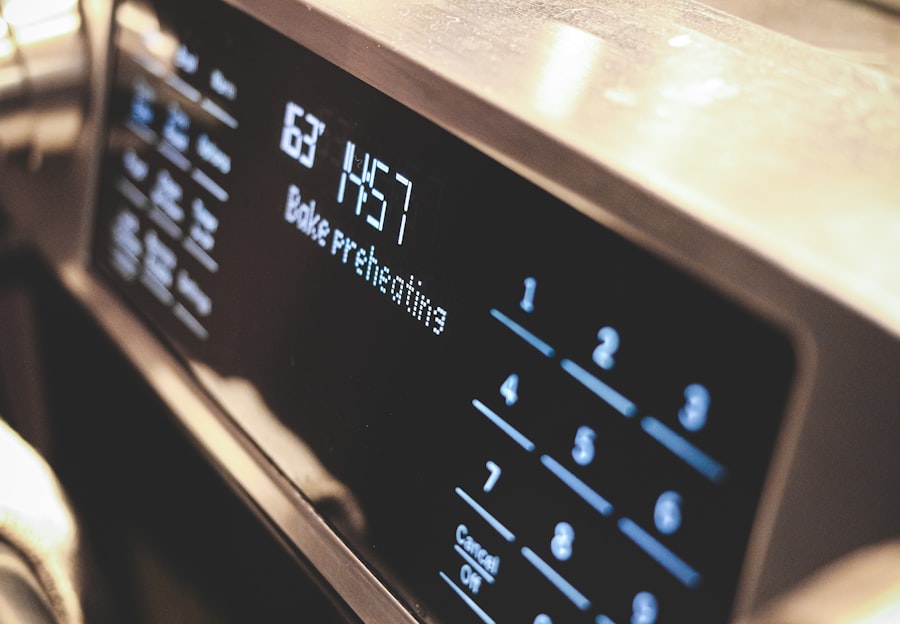
Moreover, smart ovens have taken cooking to a new level with features such as remote preheating and precise temperature control. Homeowners can start cooking dinner while still at work, ensuring that meals are ready when they arrive home. Some models even include built-in cameras that allow users to monitor their dishes from their smartphones. This level of connectivity not only saves time but also reduces the likelihood of overcooking or burning food, which is a common concern for many home cooks.
In urban environments where space is often at a premium, smart kitchen designs must also focus on utilising every inch effectively. Space-saving solutions have become essential in creating functional kitchens that do not compromise on style or efficiency. One innovative approach is the use of modular furniture and appliances that can be easily reconfigured or tucked away when not in use.
For example, foldable tables and extendable countertops can provide additional workspace when needed while maintaining a clean and uncluttered appearance when not in use. Another effective strategy is the incorporation of vertical storage solutions. Wall-mounted shelves, hanging pot racks, and magnetic knife strips can free up valuable counter space while keeping essential items within easy reach.
Additionally, custom cabinetry that extends to the ceiling maximises storage potential and minimises wasted space. By thoughtfully designing the layout and incorporating these space-saving elements, homeowners can create kitchens that feel open and inviting, even in smaller homes.
Efficient storage solutions are a hallmark of smart kitchen designs, allowing homeowners to keep their kitchens organised and clutter-free. Smart storage systems utilise technology to optimise space and improve accessibility. For instance, pull-out pantry shelves equipped with sensors can alert users when items are running low or nearing their expiration dates.
This feature not only helps in maintaining an organised pantry but also reduces food waste by ensuring that ingredients are used before they spoil. Furthermore, intelligent drawer systems can be designed to accommodate specific kitchen tools and utensils, making it easier for users to find what they need quickly. Some modern kitchens even incorporate automated systems that can open cabinets or drawers with a simple wave of the hand or voice command.
This level of convenience is particularly beneficial when hands are full or when cooking requires constant movement around the kitchen.
The integration of technology in smart kitchen designs extends beyond appliances and storage solutions; it encompasses an entire ecosystem that enhances convenience for users. Voice-activated assistants like Amazon Alexa or Google Assistant can be seamlessly integrated into the kitchen environment, allowing users to control appliances, set timers, or even play music while cooking—all without lifting a finger. This hands-free approach not only streamlines tasks but also adds an element of fun to the cooking experience.
Moreover, smart lighting systems can be programmed to adjust according to the time of day or specific activities. For instance, bright task lighting can be activated during meal preparation, while softer ambient lighting can create a warm atmosphere for entertaining guests. The ability to control lighting through smartphone apps or voice commands adds another layer of convenience that enhances the overall functionality of the kitchen.
A well-designed kitchen should facilitate a seamless workflow, allowing for efficient movement between different areas such as cooking, cleaning, and food preparation. Smart kitchen designs take this into account by strategically placing appliances and workstations in a manner that minimises unnecessary steps. The classic work triangle concept—where the stove, sink, and refrigerator form a triangular layout—remains relevant in modern designs but is enhanced by technology.
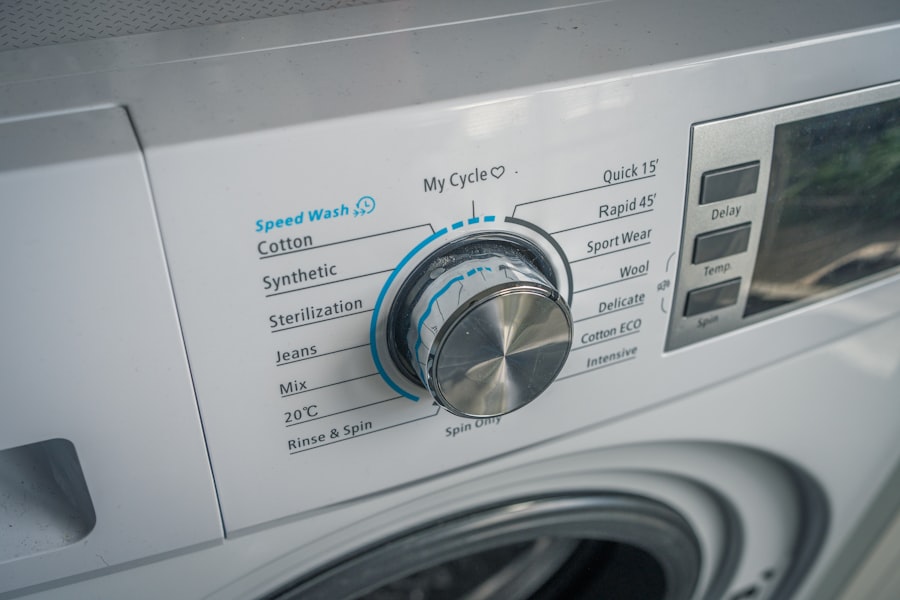
For example, smart induction cooktops can be paired with smart ventilation systems that automatically adjust based on cooking activity. This integration ensures that air quality is maintained without requiring manual adjustments from the user. Additionally, smart dishwashers can be programmed to run during off-peak hours, further streamlining household routines and contributing to energy efficiency.
As environmental concerns continue to rise, many homeowners are prioritising sustainability in their kitchen designs. Smart kitchens offer numerous eco-friendly features that not only reduce energy consumption but also promote responsible living. Energy-efficient appliances are now equipped with smart technology that allows users to monitor their energy usage in real-time.
This data empowers homeowners to make informed decisions about their consumption habits and encourages more sustainable practices. Water conservation is another critical aspect of sustainable kitchen design. Smart faucets equipped with touchless sensors can help reduce water waste by ensuring that water flows only when needed.
Additionally, some systems can track water usage patterns and provide insights on how to conserve more effectively. By integrating these eco-friendly features into their kitchens, homeowners can contribute positively to environmental sustainability while enjoying the benefits of modern technology.
The future of smart kitchen designs is undoubtedly bright as technology continues to advance at an unprecedented pace. With an increasing emphasis on convenience, efficiency, and sustainability, homeowners are poised to benefit from innovations that enhance their culinary experiences while addressing contemporary challenges. As smart appliances become more sophisticated and integrated into our daily lives, the kitchen will continue to evolve into a space that reflects our values and lifestyles.
In this dynamic landscape, designers and manufacturers will need to collaborate closely to create solutions that meet the diverse needs of consumers. The integration of artificial intelligence and machine learning into kitchen technology promises even greater levels of automation and personalisation in the years to come. As we embrace these changes, it is clear that smart kitchen designs will play a pivotal role in shaping how we cook, entertain, and live in our homes.
To further enhance the functionality of your kitchen, consider incorporating stylish storage cabinet solutions from au/functional-and-stylish-storage-cabinet-solutions-for-every-room/’>Aspec Joinery.
These cabinets not only provide ample storage space but also add a touch of elegance to your kitchen design. Additionally, partnering with a leading retail fit-out contractor like Aspec Joinery can help you achieve exceptional store transformations, as highlighted in their article on creating the perfect walk-in robe. By incorporating essential features and smart design elements, you can maximise the functionality of your kitchen and create a space that is both practical and stylish.
Smart kitchen designs incorporate technology and innovative solutions to maximize functionality and efficiency in the kitchen. This can include features such as smart appliances, integrated storage solutions, and automated systems for lighting and temperature control.
Smart kitchen designs can improve convenience, save time, and enhance safety in the kitchen. They can also help to reduce energy consumption and streamline daily tasks such as meal preparation and cooking.
Examples of smart kitchen features include touchless faucets, smart refrigerators with built-in cameras and Wi-Fi connectivity, voice-activated assistants, automated lighting and blinds, and integrated charging stations for devices.
Smart kitchen designs can maximize functionality by providing efficient storage solutions, optimizing workflow, and integrating technology to simplify tasks such as meal planning, grocery shopping, and cooking. They can also help to create a more comfortable and enjoyable cooking environment.
The cost of implementing smart kitchen designs can vary depending on the specific features and technology involved. While some smart appliances and systems may have a higher upfront cost, they can often lead to long-term savings through improved energy efficiency and reduced food waste. Additionally, there are a range of options available to suit different budgets.
Don’t Take Our Word For It
Aspec has recieved fantastic 5/5 Star Rating from its clients!
Professional from start to finish!
Wow! Omar was fantastic right from the very beginning! With 6 weeks to go until baby number 2s arrival, Omar delivered on his word to create a phenomenal outdoor kitchen for our alfresco area! It is exactly the vision we had in mind! We are so impressed with the workmanship and quality as well as the effort to get the work completed in such a tight timeframe. Very open and honest about pricing upfront also! Would highly recommend Omar and his team. The level of professionalism, honesty, workmanship and quality was spot on and always has time to discuss and go through any questions or concerns. Thank you A Spec Joinery for doing a fantastic job and in the short time we had to do it by! Particularly fitting us in a busy December!
Bianca M Vucetic
Professional from start to finish!
Great attentions to detail very informative throughout highly reccomend!
Mark, Double Bay
Professional from start to finish!
Omar installed a new kitchen for us. The process was easy and Omar kept in contact with us at all stages. The kitchen was installed in only a couple of days and looks fantastic. We’re very happy with the result.
Mat Pal
Professional from start to finish!
Omar was excellent to deal with. He and his team built and installed a large built-in wardrobe and cupboard, giving us good advice on the design. He was very professional in surveying the complex space for the units – it’s an older house with uneven floor and ceiling – and in preparing the design. His team constructed the units off-site within the time he indicated. Installation was complex and went very smoothly. The whole project was on time and on budget and the product delivered was of the highest quality. We would certainly use him again and recommend him to our friends.
Phillip Hart
Professional from start to finish!
Omar was fantastic to deal with and produced outstanding quality work for our new storage cupbaords and floating shelves. The final product was exactly what we wanted and made with care and attention. We highly recommend him for joinery and cabinetry works. Many thanks, Vince
Vincent Banton
Professional from start to finish!
Omar and his team are awesome. Professional, efficient and really went the extra mile creating beautiful joinery for my studio. Will definitely engage their services again and refer to anyone.
Carla Sconce
Professional from start to finish!
Dealt with Omar from A Spec on our office fit out, all work was done ahead of time and costs were maintained the whole way through. Would happily use A Spec again or recommend to anyone without hesitation.
Emanuel Karantonis
Professional from start to finish!
My experience with Omar and his team has been amazing and trouble-free.
Omar’s attention to detail and quick response time gave me comfort and confidence that the end product would be great.
Being in the construction industry, I couldn’t fault their workmanship and timing. Everything delivered on time and on budget.
Would definitely use Aspec Joinery again.
Ben Yee
Professional from start to finish!
Omar and the team at A Spec Joinery built our kitchen and bookshelves in 2021. The work is really high quality. It’s now 2024 and everything still looks great and functions just like the day they were built. I would highly recommend A Spec, particularly for the after build service. Nothing is too much trouble for Omar.
Alistair McLean
Professional from start to finish!
Omar and his team have worked wonders on all our joinery for our renovation, they constantly went above and beyond during all aspects of the build from planning to manufacturing and installation.
They have done an absolutely beautiful job and it is my pleasure to recommend A-Spec joinery to everyone.
Their professional attitude was exemplary and it was always lovely having Omar and the team in our house, they made an extremely stressful renovation into a positive experience.
A-Spec Joinery made our dreams come true and there are no words that can express how appreciative we are and so happy that we chose them.
If you want the best go with A-Spec Joinery.
Vincent & Anna
Vincent Jones
Professional from start to finish!
Paul Casey
Professional from start to finish!
Matt B
Professional from start to finish!
Our experience with A Spec Joinery was outstanding. We were happy with every phase of our project from initial concept to drawings to finished products. Omar and his team’s attention to detail was fantastic. Highly recommend!!!
Sharon Antonir
Professional from start to finish!
High quality work, on time on budget very professional would engage their services again 100%. 2yrs on asked Omar for additional work and once again very professional, on time and very helpful.
Maurice Natoli