When designing a kitchen, the layout and flow are crucial elements that can significantly impact both functionality and comfort. A well-thought-out layout ensures that the space is not only aesthetically pleasing but also practical for daily use. The classic work triangle—comprising the stove, sink, and refrigerator—remains a fundamental principle in kitchen design. This triangle should ideally allow for easy movement between these key areas, minimising unnecessary steps and making cooking more efficient.
In addition to the work triangle, consider how the kitchen connects with other areas of the home. Open-plan designs are increasingly popular, as they create a sense of spaciousness and encourage social interaction. However, it’s essential to maintain a logical flow between the kitchen and adjoining spaces, such as the dining room or living area. This can be achieved through thoughtful placement of furniture and appliances, ensuring that pathways are clear and that the kitchen feels integrated with the rest of the home.
When considering the design of a kitchen that’s perfect for entertaining, it’s essential to think about how the space can be both functional and inviting. A related article that delves into the importance of tailored storage solutions in home design can be found at this link. By incorporating built-in robes and clever storage options, you can create a seamless flow in your kitchen, allowing for a more enjoyable and organised entertaining experience.
Choosing the right appliances and equipment is another vital aspect of kitchen design. Modern kitchens often feature a range of high-tech appliances that can enhance cooking efficiency and convenience. From smart ovens that can be controlled via smartphone apps to energy-efficient refrigerators with advanced storage options, there’s a wealth of choices available.
When selecting appliances, consider not only their functionality but also their size and how they fit into your overall kitchen layout.
It’s also important to think about the types of cooking you enjoy. If you’re an avid baker, for instance, investing in a high-quality oven with precise temperature control might be worthwhile. Alternatively, if you prefer quick meals, a powerful induction hob could be more beneficial. Additionally, don’t overlook smaller appliances like blenders, toasters, and coffee machines; these can significantly enhance your kitchen experience when chosen wisely.
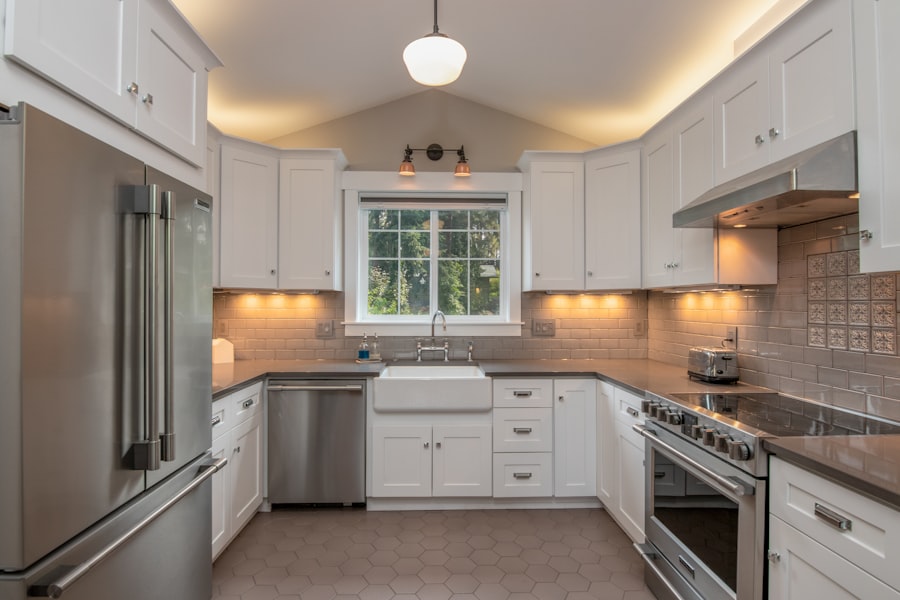
Effective storage solutions are essential for maintaining an organised kitchen. A clutter-free space not only looks better but also makes cooking and cleaning more manageable. Start by assessing your storage needs based on your cooking habits and the items you use most frequently.
Consider incorporating a mix of cabinets, drawers, and open shelving to create a versatile storage system.
Custom cabinetry can be particularly useful for maximising space in smaller kitchens. Look for options that include pull-out shelves, lazy Susans, or deep drawers for pots and pans. Additionally, think vertically; wall-mounted racks or hooks can provide extra storage for utensils or pots without taking up valuable counter space. By carefully planning your storage solutions, you can create a kitchen that feels spacious and functional.
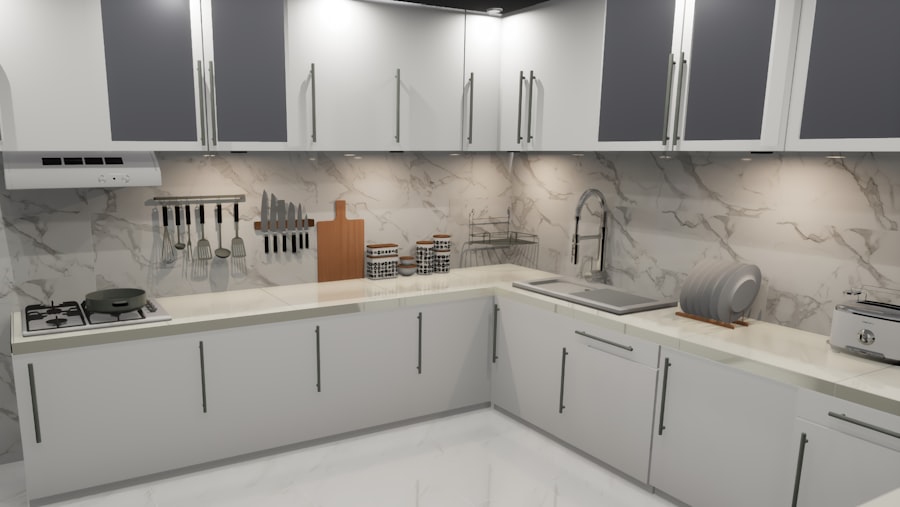
The seating and dining area in your kitchen can greatly influence how you use the space. Whether you prefer casual breakfasts or formal dinners, it’s important to create an inviting atmosphere that encourages gathering. A breakfast bar with stools can be a great addition for quick meals or casual chats while cooking. Alternatively, a more traditional dining table can serve as a focal point for family meals.
When selecting seating options, consider both comfort and style. Upholstered chairs can add warmth and elegance, while wooden stools might lend a more rustic feel. It’s also worth thinking about the layout; ensure there’s enough room for people to move around comfortably without feeling cramped. A well-designed seating area can transform your kitchen into a social hub where family and friends can come together.
When considering how to create a kitchen that’s perfect for entertaining, it’s essential to think about both functionality and style. A well-designed kitchen can serve as the heart of your home, allowing for seamless interaction with guests while preparing meals. For those looking to maximise space and enhance their kitchen’s appeal, a recent article on stylish renovations offers insightful tips on transforming smaller kitchens into inviting areas that are ideal for hosting gatherings. You can read more about these innovative ideas in the article here.
Lighting plays a pivotal role in setting the mood in your kitchen. A well-lit space is not only more functional but also more inviting. Layering different types of lighting—ambient, task, and accent—can create a balanced atmosphere that caters to various activities. For instance, bright task lighting over work surfaces is essential for food preparation, while softer ambient lighting can make the space feel warm and welcoming during evening meals.
Consider incorporating dimmable lights to adjust the brightness according to the time of day or occasion. Pendant lights above an island or dining table can serve as both functional lighting and decorative elements, adding character to your kitchen. Additionally, natural light should not be overlooked; large windows or glass doors can help create an airy feel while connecting the indoor space with the outdoors.
When considering how to create a kitchen that’s perfect for entertaining, it’s essential to think about both functionality and aesthetics. A well-designed kitchen can serve as the heart of your home, where friends and family gather to enjoy good food and company. For further inspiration, you might find the article on kitchen layouts particularly helpful, as it explores various designs that enhance social interaction and workflow. You can read more about it here.
The colour scheme and decor of your kitchen can significantly influence its overall vibe. Choosing colours that reflect your personal style while also complementing the rest of your home is key. Neutral tones like whites, greys, or beiges can create a timeless backdrop, allowing you to add pops of colour through accessories or artwork. Alternatively, bold colours can make a statement and energise the space.
When it comes to decor, think about how you can incorporate personal touches that make the kitchen feel like your own. This could include displaying cookbooks on open shelves, hanging artwork that inspires you, or using decorative jars for storing ingredients. The goal is to create a space that feels both functional and reflective of your personality.
Incorporating outdoor access into your kitchen design can enhance both functionality and enjoyment. If possible, consider installing large sliding or bi-fold doors that open up to a patio or garden area. This not only allows for easy outdoor dining but also brings in natural light and fresh air, making the kitchen feel more spacious.
Additionally, think about how outdoor connectivity can influence your cooking experience. An outdoor grill or pizza oven can extend your culinary options during warmer months, while an herb garden just outside the kitchen door can provide fresh ingredients at your fingertips. By creating seamless access between indoor and outdoor spaces, you can enjoy a more versatile kitchen environment.
In today’s homes, multi-functional spaces are becoming increasingly important as families seek to maximise their living areas. Your kitchen can serve various purposes beyond just cooking; it can be a workspace for remote work or homework, a social hub for gatherings, or even a creative space for hobbies like baking or crafting.
To achieve this versatility, consider flexible furniture options such as extendable tables or movable islands that can adapt to different needs. Incorporating technology like charging stations or built-in speakers can also enhance the functionality of your kitchen as a multi-purpose area. By designing your kitchen with flexibility in mind, you’ll create a space that meets the evolving needs of your household while remaining stylish and inviting.
When designing a kitchen for entertaining, it’s important to consider the layout, storage space, seating arrangements, and the flow of the space to ensure it is conducive to socialising and hosting guests.
Some popular design trends for entertaining kitchens include open-plan layouts, kitchen islands with seating, integrated appliances, and ample storage for glassware, crockery, and serving dishes.
Lighting is an important aspect of a kitchen designed for entertaining. Incorporating task lighting for food preparation, ambient lighting for creating a welcoming atmosphere, and accent lighting to highlight features such as a statement backsplash or island can enhance the space for entertaining.
Practical considerations for an entertaining kitchen include durable and easy-to-clean surfaces, efficient appliances, a well-organised layout to facilitate food preparation and serving, and ample counter space for plating and serving dishes.
To encourage social interaction, a kitchen designed for entertaining should have a layout that allows the host to interact with guests while preparing food, seating areas that facilitate conversation, and a seamless flow between the kitchen and dining or living areas.
Don’t Take Our Word For It
Aspec has recieved fantastic 5/5 Star Rating from its clients!
Professional from start to finish!
Wow! Omar was fantastic right from the very beginning! With 6 weeks to go until baby number 2s arrival, Omar delivered on his word to create a phenomenal outdoor kitchen for our alfresco area! It is exactly the vision we had in mind! We are so impressed with the workmanship and quality as well as the effort to get the work completed in such a tight timeframe. Very open and honest about pricing upfront also! Would highly recommend Omar and his team. The level of professionalism, honesty, workmanship and quality was spot on and always has time to discuss and go through any questions or concerns. Thank you A Spec Joinery for doing a fantastic job and in the short time we had to do it by! Particularly fitting us in a busy December!
Bianca M Vucetic
Professional from start to finish!
Great attentions to detail very informative throughout highly reccomend!
Mark, Double Bay
Professional from start to finish!
Omar installed a new kitchen for us. The process was easy and Omar kept in contact with us at all stages. The kitchen was installed in only a couple of days and looks fantastic. We’re very happy with the result.
Mat Pal
Professional from start to finish!
Omar was excellent to deal with. He and his team built and installed a large built-in wardrobe and cupboard, giving us good advice on the design. He was very professional in surveying the complex space for the units – it’s an older house with uneven floor and ceiling – and in preparing the design. His team constructed the units off-site within the time he indicated. Installation was complex and went very smoothly. The whole project was on time and on budget and the product delivered was of the highest quality. We would certainly use him again and recommend him to our friends.
Phillip Hart
Professional from start to finish!
Omar was fantastic to deal with and produced outstanding quality work for our new storage cupbaords and floating shelves. The final product was exactly what we wanted and made with care and attention. We highly recommend him for joinery and cabinetry works. Many thanks, Vince
Vincent Banton
Professional from start to finish!
Omar and his team are awesome. Professional, efficient and really went the extra mile creating beautiful joinery for my studio. Will definitely engage their services again and refer to anyone.
Carla Sconce
Professional from start to finish!
Dealt with Omar from A Spec on our office fit out, all work was done ahead of time and costs were maintained the whole way through. Would happily use A Spec again or recommend to anyone without hesitation.
Emanuel Karantonis
Professional from start to finish!
My experience with Omar and his team has been amazing and trouble-free.
Omar’s attention to detail and quick response time gave me comfort and confidence that the end product would be great.
Being in the construction industry, I couldn’t fault their workmanship and timing. Everything delivered on time and on budget.
Would definitely use Aspec Joinery again.
Ben Yee
Professional from start to finish!
Omar and the team at A Spec Joinery built our kitchen and bookshelves in 2021. The work is really high quality. It’s now 2024 and everything still looks great and functions just like the day they were built. I would highly recommend A Spec, particularly for the after build service. Nothing is too much trouble for Omar.
Alistair McLean
Professional from start to finish!
Omar and his team have worked wonders on all our joinery for our renovation, they constantly went above and beyond during all aspects of the build from planning to manufacturing and installation.
They have done an absolutely beautiful job and it is my pleasure to recommend A-Spec joinery to everyone.
Their professional attitude was exemplary and it was always lovely having Omar and the team in our house, they made an extremely stressful renovation into a positive experience.
A-Spec Joinery made our dreams come true and there are no words that can express how appreciative we are and so happy that we chose them.
If you want the best go with A-Spec Joinery.
Vincent & Anna
Vincent Jones
Professional from start to finish!
Paul Casey
Professional from start to finish!
Matt B
Professional from start to finish!
Our experience with A Spec Joinery was outstanding. We were happy with every phase of our project from initial concept to drawings to finished products. Omar and his team’s attention to detail was fantastic. Highly recommend!!!
Sharon Antonir
Professional from start to finish!
High quality work, on time on budget very professional would engage their services again 100%. 2yrs on asked Omar for additional work and once again very professional, on time and very helpful.
Maurice Natoli