Before diving into storage solutions, it’s essential to take a step back and assess your family’s specific storage needs. Every household is unique, and understanding what you require will help you make informed decisions. Start by evaluating the items that need storing. Are you dealing with toys, clothes, sports equipment, or perhaps a mix of everything? Make a list of these items and consider their sizes and quantities.
This will give you a clearer picture of how much storage space you’ll need.
Next, think about the areas in your home that require the most attention. Is your living room cluttered with books and games? Does the kitchen have an overflow of utensils and gadgets? Identifying these hotspots will help you prioritise where to focus your efforts. Involving your family in this assessment can also be beneficial. Discussing what items they use most frequently can lead to more efficient storage solutions that cater to everyone’s needs.
When considering how to create a family-friendly wardrobe space, it’s essential to think about the overall functionality and style of your home. A related article that delves into optimising space in another crucial area of the house is available here: Transform Your Small Kitchen with Stylish Renovations in Sydney. This piece offers valuable insights into making the most of limited space, which can be applied to wardrobe design as well, ensuring that every corner of your home is both practical and aesthetically pleasing.
Once you’ve assessed your storage needs, the next step is selecting materials that are both durable and easy to clean. Families often face the challenge of wear and tear, especially with children around. Opting for materials like high-quality plastic, metal, or treated wood can ensure longevity. These materials can withstand daily use and are less likely to show signs of damage over time.
In addition to durability, consider how easy these materials are to maintain. For instance, plastic bins can be wiped down quickly, while fabric storage solutions may require more effort to keep clean. If you have pets or young children, choosing materials that resist stains or are washable can save you time and hassle in the long run. Ultimately, the right materials will not only enhance the aesthetic of your space but also contribute to a more functional environment.
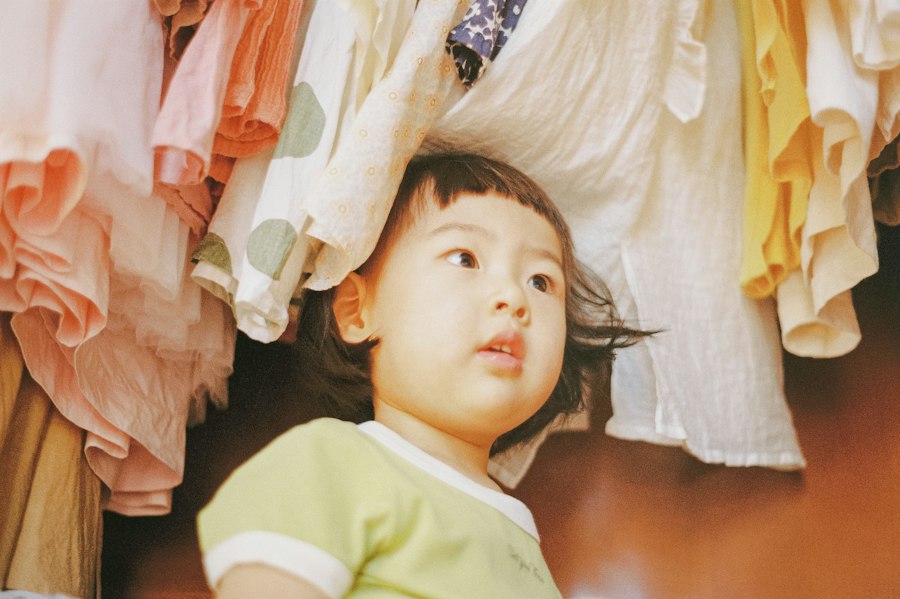
When designing storage solutions, accessibility is key, especially in a family setting where members of varying ages will be using the space. For younger children, consider lower shelves or bins that they can easily reach. This encourages independence and helps them learn to tidy up after themselves. You might also want to label storage containers with pictures or words to make it easier for them to identify where things belong.
For older family members, ensure that storage solutions are not only accessible but also practical. Higher shelves can be used for items that are less frequently accessed, while everyday essentials should be within easy reach. Think about incorporating pull-out drawers or baskets that slide out smoothly; these can make accessing items much simpler for everyone. By designing storage with all ages in mind, you create an inclusive environment that promotes organisation and responsibility.
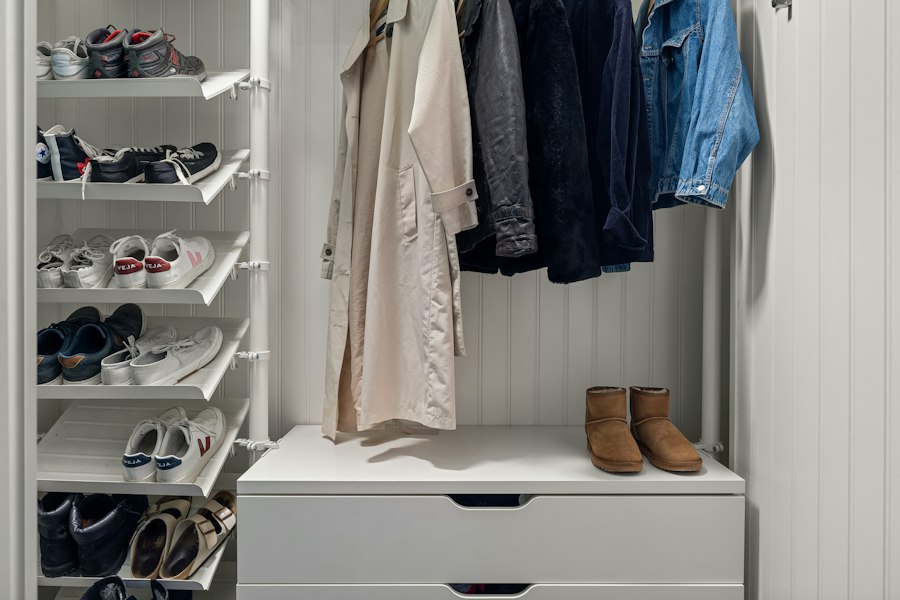
In smaller homes or apartments, space can often be at a premium. This is where multi-functional furniture comes into play. Pieces that serve more than one purpose can significantly reduce clutter while providing essential storage solutions. For example, a coffee table with built-in storage can hold magazines or remote controls, keeping surfaces tidy without sacrificing style.
Consider investing in ottomans or benches that open up for additional storage space. These can be particularly useful in living rooms or entryways, providing a place to sit while also hiding away shoes or blankets. By incorporating multi-functional furniture into your home, you not only maximise your available space but also create a more versatile living environment that adapts to your family’s needs.
When designing a family-friendly wardrobe space, it’s essential to consider not only functionality but also aesthetics. An article that delves into the importance of custom joinery in creating tailored storage solutions can provide valuable insights. For those interested in enhancing their wardrobe organisation, exploring the benefits of bespoke designs can be particularly enlightening. You can read more about this in the article on custom joinery, which highlights how personalised storage can transform your living space into a more efficient and stylish environment for the whole family.
When floor space is limited, looking upwards can be a game changer. Maximising vertical space through shelving and hooks allows you to utilise areas that might otherwise go unused. Wall-mounted shelves can display books, plants, or decorative items while keeping them off surfaces. This not only frees up floor space but also adds visual interest to your rooms.
Hooks are another fantastic way to create additional storage without taking up valuable real estate. They can be used in various areas of the home—from hanging coats in the hallway to storing pots and pans in the kitchen. Consider using decorative hooks that complement your decor; this way, they become part of the aesthetic rather than just functional elements. By thinking vertically, you can create a more organised and spacious environment.
When designing a family-friendly wardrobe space, it’s essential to consider how the layout and organisation can enhance daily routines. A well-planned wardrobe not only accommodates the diverse needs of family members but also promotes efficiency in getting ready each day. For those also looking to optimise other areas of their home, you might find it helpful to explore how to choose the right kitchen cabinets for renovation, as this can significantly impact the overall functionality and aesthetic of your living space. For more insights, you can read the article here.
Creating separate zones for each family member can help maintain order and ensure everyone has their own space for belongings. This approach not only reduces clutter but also fosters a sense of ownership among family members regarding their possessions. Start by designating specific areas for each person’s items—this could be as simple as assigning a shelf or drawer in shared spaces.
Encourage family members to personalise their zones with colours or decorations that reflect their personalities. This not only makes the space feel more inviting but also motivates them to keep it tidy. Regularly revisiting these zones together can help reinforce the importance of organisation and responsibility within the family unit.
Seasonal wardrobe rotations are an effective way to manage clothing clutter while ensuring that everyone has access to what they need throughout the year. Start by assessing each family member’s wardrobe and identifying items that are suitable for the current season. Once you’ve sorted through clothes, consider storing out-of-season items in bins or vacuum-sealed bags to save space.
Label these containers clearly so that it’s easy to find what you need when the seasons change again. This not only keeps wardrobes organised but also makes it easier for family members to select outfits appropriate for the weather without sifting through unnecessary items. Regularly reviewing and rotating wardrobes can also encourage mindful shopping habits, as family members become more aware of what they truly need.
Finally, adding personal touches to your storage solutions can create an inviting atmosphere that encourages tidiness.
Consider involving family members in decorating their storage areas with photos, artwork, or even colour-coded bins that reflect their interests.
This personalisation fosters a sense of pride in their spaces and motivates them to keep things organised.
Additionally, establishing a routine for tidying up can help reinforce these habits over time. Perhaps set aside a few minutes each day for everyone to put away their belongings or create a fun family challenge around keeping spaces tidy. By making organisation a shared goal and incorporating personal elements into your storage solutions, you’ll cultivate an environment where tidiness becomes second nature for everyone in the household.
In conclusion, creating an organised home that meets your family’s needs involves careful assessment, thoughtful design choices, and a commitment to maintaining order together. By focusing on durability, accessibility, multi-functionality, vertical space utilisation, personalisation, and seasonal organisation, you can foster an environment that not only looks good but also functions well for everyone involved.
A family-friendly wardrobe space is an organised area designed to accommodate the clothing needs of all family members, ensuring easy access, visibility, and functionality. It typically includes features such as adjustable shelving, designated sections for different family members, and child-friendly storage solutions to promote independence in dressing.
To maximise space in a family wardrobe, consider using vertical storage solutions like tall shelving units, multi-tier hangers, and hooks for accessories. Incorporating storage bins or baskets can help keep smaller items organised, while using drawer dividers can optimise space for folded clothes. Additionally, rotating seasonal clothing can free up space for current wardrobe needs.
Organising a family wardrobe can be achieved by categorising clothing by type (e.g., tops, bottoms, outerwear) and by family member. Use clear labels for bins and shelves to make it easy for everyone to find their items. Regularly declutter and donate clothes that no longer fit or are not worn, and involve children in the process to teach them about organisation.
To make a wardrobe space accessible for children, ensure that frequently used items are stored at their height. Use lower shelves or drawers for their clothing and consider installing pull-out bins or baskets. Incorporating a step stool can also help children reach higher areas safely, promoting independence in choosing their outfits.
When selecting materials for a family wardrobe, opt for durable and easy-to-clean options such as melamine, laminate, or solid wood. These materials can withstand wear and tear from daily use. Additionally, consider using breathable fabrics for storage bags or bins to protect clothing from moisture and pests, ensuring longevity and freshness.
Don’t Take Our Word For It
Aspec has recieved fantastic 5/5 Star Rating from its clients!
Professional from start to finish!
Wow! Omar was fantastic right from the very beginning! With 6 weeks to go until baby number 2s arrival, Omar delivered on his word to create a phenomenal outdoor kitchen for our alfresco area! It is exactly the vision we had in mind! We are so impressed with the workmanship and quality as well as the effort to get the work completed in such a tight timeframe. Very open and honest about pricing upfront also! Would highly recommend Omar and his team. The level of professionalism, honesty, workmanship and quality was spot on and always has time to discuss and go through any questions or concerns. Thank you A Spec Joinery for doing a fantastic job and in the short time we had to do it by! Particularly fitting us in a busy December!
Bianca M Vucetic
Professional from start to finish!
Great attentions to detail very informative throughout highly reccomend!
Mark, Double Bay
Professional from start to finish!
Omar installed a new kitchen for us. The process was easy and Omar kept in contact with us at all stages. The kitchen was installed in only a couple of days and looks fantastic. We’re very happy with the result.
Mat Pal
Professional from start to finish!
Omar was excellent to deal with. He and his team built and installed a large built-in wardrobe and cupboard, giving us good advice on the design. He was very professional in surveying the complex space for the units – it’s an older house with uneven floor and ceiling – and in preparing the design. His team constructed the units off-site within the time he indicated. Installation was complex and went very smoothly. The whole project was on time and on budget and the product delivered was of the highest quality. We would certainly use him again and recommend him to our friends.
Phillip Hart
Professional from start to finish!
Omar was fantastic to deal with and produced outstanding quality work for our new storage cupbaords and floating shelves. The final product was exactly what we wanted and made with care and attention. We highly recommend him for joinery and cabinetry works. Many thanks, Vince
Vincent Banton
Professional from start to finish!
Omar and his team are awesome. Professional, efficient and really went the extra mile creating beautiful joinery for my studio. Will definitely engage their services again and refer to anyone.
Carla Sconce
Professional from start to finish!
Dealt with Omar from A Spec on our office fit out, all work was done ahead of time and costs were maintained the whole way through. Would happily use A Spec again or recommend to anyone without hesitation.
Emanuel Karantonis
Professional from start to finish!
My experience with Omar and his team has been amazing and trouble-free.
Omar’s attention to detail and quick response time gave me comfort and confidence that the end product would be great.
Being in the construction industry, I couldn’t fault their workmanship and timing. Everything delivered on time and on budget.
Would definitely use Aspec Joinery again.
Ben Yee
Professional from start to finish!
Omar and the team at A Spec Joinery built our kitchen and bookshelves in 2021. The work is really high quality. It’s now 2024 and everything still looks great and functions just like the day they were built. I would highly recommend A Spec, particularly for the after build service. Nothing is too much trouble for Omar.
Alistair McLean
Professional from start to finish!
Omar and his team have worked wonders on all our joinery for our renovation, they constantly went above and beyond during all aspects of the build from planning to manufacturing and installation.
They have done an absolutely beautiful job and it is my pleasure to recommend A-Spec joinery to everyone.
Their professional attitude was exemplary and it was always lovely having Omar and the team in our house, they made an extremely stressful renovation into a positive experience.
A-Spec Joinery made our dreams come true and there are no words that can express how appreciative we are and so happy that we chose them.
If you want the best go with A-Spec Joinery.
Vincent & Anna
Vincent Jones
Professional from start to finish!
Paul Casey
Professional from start to finish!
Matt B
Professional from start to finish!
Our experience with A Spec Joinery was outstanding. We were happy with every phase of our project from initial concept to drawings to finished products. Omar and his team’s attention to detail was fantastic. Highly recommend!!!
Sharon Antonir
Professional from start to finish!
High quality work, on time on budget very professional would engage their services again 100%. 2yrs on asked Omar for additional work and once again very professional, on time and very helpful.
Maurice Natoli