Joinery is a time-honoured craft that has been around for centuries, and it plays a crucial role in woodworking. At its core, joinery involves the techniques used to connect pieces of wood together, creating everything from simple frames to intricate furniture. The beauty of joinery lies not just in its functionality but also in the artistry involved. Skilled joiners can transform raw timber into stunning pieces that are both practical and aesthetically pleasing.
Understanding joinery requires an appreciation for the various techniques and styles that have evolved over time. Traditional methods, such as dovetail joints and mortise and tenon joints, showcase the craftsmanship that has been passed down through generations. Each technique has its own unique characteristics and applications, making it essential for anyone interested in woodworking to grasp these fundamentals. As you delve deeper into the world of joinery, you’ll discover how these methods can enhance the durability and beauty of your projects.
In the pursuit of creating aesthetically pleasing interiors, the importance of quality joinery cannot be overstated. A related article that delves into practical applications of joinery is titled “Functional and Stylish Storage Cabinet Solutions for Every Room,” which explores how bespoke cabinetry can enhance both the functionality and visual appeal of various spaces. You can read more about it by following this link: Functional and Stylish Storage Cabinet Solutions for Every Room. This resource offers valuable insights into how tailored joinery can transform your home while providing essential storage solutions.
Selecting the right materials is a critical step in achieving quality joinery. The type of wood you choose can significantly impact the final product’s strength, appearance, and longevity. Hardwoods like oak, walnut, and cherry are often preferred for their durability and rich grain patterns, while softwoods like pine and cedar can be more cost-effective and easier to work with. Each type of wood has its own unique properties, so understanding these differences is key to making informed decisions.
In addition to the wood itself, considering the finish is equally important. A good finish not only enhances the wood’s natural beauty but also protects it from wear and tear. Options range from oils and varnishes to stains and paints, each offering different levels of protection and aesthetic appeal. When selecting materials, think about the intended use of the piece and how it will fit into your overall design scheme. This thoughtful approach will ensure that your joinery projects stand the test of time.
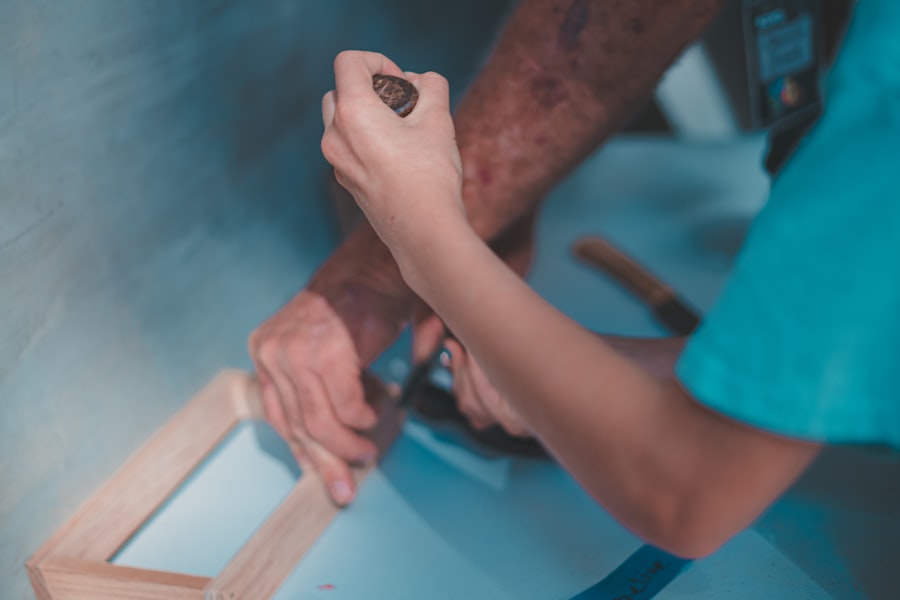
Custom joinery allows for a level of creativity and personalisation that can truly transform a space. Whether you’re looking to create built-in shelving, bespoke cabinetry, or unique furniture pieces, custom joinery offers endless possibilities. The beauty of this approach lies in its ability to cater to your specific needs and preferences, ensuring that every piece is tailored to fit seamlessly into your home.
When designing with custom joinery, it’s essential to consider both functionality and aesthetics. Think about how the space will be used and what features will enhance its usability. For instance, incorporating hidden storage solutions can help keep your space organised while maintaining a clean look.
Additionally, consider the overall style of your home—whether it’s modern, traditional, or somewhere in between—and choose designs that complement your existing decor.
This thoughtful integration will create a harmonious environment that feels both inviting and stylish.
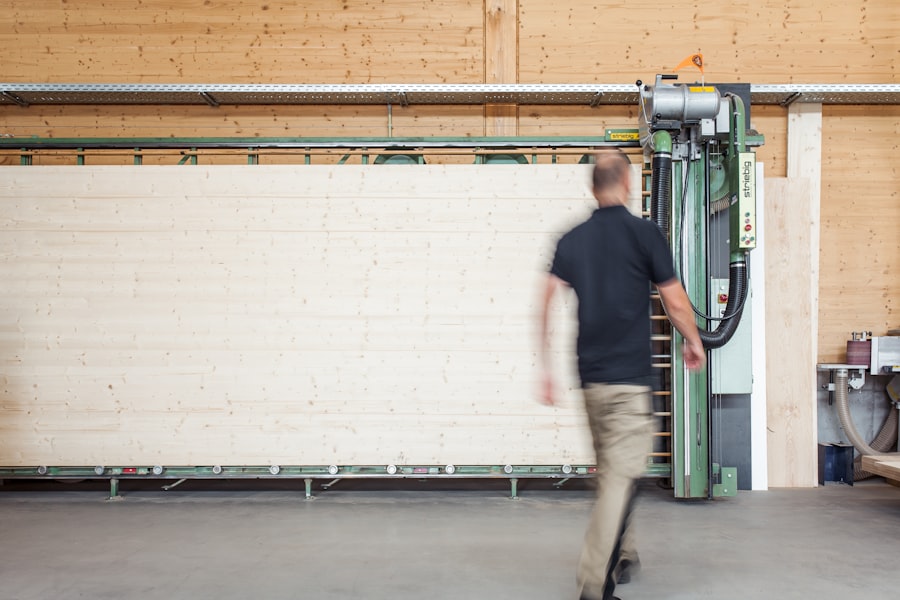
Quality joinery is a cornerstone of effective interior design. It not only contributes to the overall aesthetic but also ensures that your furniture and fixtures are built to last.
Well-crafted joinery can elevate a space, adding character and sophistication that mass-produced items often lack.
When you invest in quality joinery, you’re not just purchasing furniture; you’re acquiring pieces that tell a story and reflect your personal style.
Moreover, quality joinery can significantly impact the functionality of a space. Thoughtfully designed joinery can maximise storage solutions, improve flow, and create focal points that draw the eye. For example, a beautifully crafted staircase or a custom-built wardrobe can serve as both functional elements and striking design features. By prioritising quality joinery in your interior design projects, you ensure that your home is not only visually appealing but also practical for everyday living.
In the pursuit of creating aesthetically pleasing interiors, the significance of quality joinery cannot be overstated, as it plays a crucial role in enhancing both functionality and style. For those interested in exploring the advantages of bespoke solutions, a related article discusses the numerous benefits of custom joinery in home design, providing insights that can inspire your next project. By understanding how tailored joinery can transform spaces, homeowners can make informed decisions that elevate their living environments. You can read more about this topic in the article here.
Joinery is incredibly versatile, making it suitable for both modern and traditional spaces. In contemporary designs, clean lines and minimalistic approaches often dominate, allowing for sleek joinery that complements the overall aesthetic. Think about using materials like plywood or engineered wood with simple finishes to create a modern look that feels fresh and uncluttered.
On the other hand, traditional spaces benefit from more ornate joinery techniques that highlight craftsmanship and detail. Features like crown moulding, wainscoting, or intricately designed cabinetry can add warmth and character to a room. The key is to find a balance between the style of your home and the joinery techniques you choose. By thoughtfully incorporating joinery into your design, you can create spaces that feel cohesive and well-considered.
In the pursuit of creating aesthetically pleasing environments, the importance of quality joinery cannot be overstated, as highlighted in a related article on transforming business spaces. This piece delves into how comprehensive commercial fit-out services can significantly enhance the functionality and appearance of various settings. For those interested in exploring this topic further, you can read about it in detail here. By integrating skilled craftsmanship with thoughtful design, one can truly craft beautiful spaces that resonate with both style and practicality.
Joinery plays a pivotal role in crafting functional yet stylish furniture pieces. Whether it’s a dining table, a bookshelf, or a bed frame, the way these items are joined together affects their stability and longevity. High-quality joinery techniques ensure that furniture can withstand daily use while maintaining its aesthetic appeal.
When designing furniture with joinery in mind, consider how different joints can enhance both form and function. For instance, using dovetail joints in drawers not only adds strength but also creates an attractive detail that showcases craftsmanship. Similarly, employing mortise and tenon joints in tables provides stability while allowing for elegant design lines. By focusing on both functionality and style through joinery, you can create pieces that are not only beautiful but also practical for everyday life.
Once you’ve invested in quality joinery, it’s essential to maintain it properly to ensure its longevity. Regular cleaning is crucial; dusting surfaces with a soft cloth can prevent dirt buildup that may damage finishes over time. For wooden surfaces, using a gentle cleaner specifically designed for wood can help preserve its natural beauty without causing harm.
In addition to cleaning, consider periodic inspections for any signs of wear or damage. Look for loose joints or scratches that may need attention. Addressing these issues early on can prevent more significant problems down the line. If you notice any significant damage or wear, consulting with a skilled joiner for repairs or refinishing can help restore your pieces to their original glory.
Finding a skilled joiner is crucial for ensuring that your project meets your expectations in terms of quality and design. Start by seeking recommendations from friends or family who have had positive experiences with local craftsmen. Online reviews can also provide valuable insights into a joiner’s reputation and work quality.
Once you’ve narrowed down your options, take the time to review their portfolios. A good joiner should have examples of their previous work that demonstrate their skills and style range. Don’t hesitate to ask questions about their techniques, materials used, and any specific challenges they’ve faced in past projects. This conversation will give you a better understanding of their expertise and whether they align with your vision.
In conclusion, joinery is an art form that combines craftsmanship with creativity to enhance our living spaces. By understanding its principles, choosing quality materials, and working with skilled professionals, you can create beautiful environments that reflect your personal style while remaining functional for everyday use. Whether you’re embarking on a new project or simply looking to appreciate the craft more deeply, embracing the world of joinery opens up endless possibilities for your home.
Joinery refers to the woodworking technique of joining together pieces of wood to create furniture, fittings, and other wooden structures. It involves creating strong and aesthetically pleasing connections between wooden components.
Quality joinery ensures that the furniture and fittings in a space are durable, sturdy, and visually appealing. It also allows for precise and intricate designs, adding a touch of elegance to the overall aesthetic of the space.
Some common types of joinery techniques include dovetail joints, mortise and tenon joints, finger joints, and lap joints. Each technique has its own strengths and is used for different purposes in woodworking.
Quality joinery can enhance the value of a space by adding a sense of craftsmanship and luxury. Well-crafted joinery can elevate the overall design and functionality of a space, making it more desirable and valuable.
When choosing a joinery specialist, it is important to consider their experience, expertise, and the quality of their previous work. It is also important to discuss the specific requirements and design preferences for the space to ensure that the joinery specialist can deliver the desired results.
Don’t Take Our Word For It
Aspec has recieved fantastic 5/5 Star Rating from its clients!
Professional from start to finish!
Wow! Omar was fantastic right from the very beginning! With 6 weeks to go until baby number 2s arrival, Omar delivered on his word to create a phenomenal outdoor kitchen for our alfresco area! It is exactly the vision we had in mind! We are so impressed with the workmanship and quality as well as the effort to get the work completed in such a tight timeframe. Very open and honest about pricing upfront also! Would highly recommend Omar and his team. The level of professionalism, honesty, workmanship and quality was spot on and always has time to discuss and go through any questions or concerns. Thank you A Spec Joinery for doing a fantastic job and in the short time we had to do it by! Particularly fitting us in a busy December!
Bianca M Vucetic
Professional from start to finish!
Great attentions to detail very informative throughout highly reccomend!
Mark, Double Bay
Professional from start to finish!
Omar installed a new kitchen for us. The process was easy and Omar kept in contact with us at all stages. The kitchen was installed in only a couple of days and looks fantastic. We’re very happy with the result.
Mat Pal
Professional from start to finish!
Omar was excellent to deal with. He and his team built and installed a large built-in wardrobe and cupboard, giving us good advice on the design. He was very professional in surveying the complex space for the units – it’s an older house with uneven floor and ceiling – and in preparing the design. His team constructed the units off-site within the time he indicated. Installation was complex and went very smoothly. The whole project was on time and on budget and the product delivered was of the highest quality. We would certainly use him again and recommend him to our friends.
Phillip Hart
Professional from start to finish!
Omar was fantastic to deal with and produced outstanding quality work for our new storage cupbaords and floating shelves. The final product was exactly what we wanted and made with care and attention. We highly recommend him for joinery and cabinetry works. Many thanks, Vince
Vincent Banton
Professional from start to finish!
Omar and his team are awesome. Professional, efficient and really went the extra mile creating beautiful joinery for my studio. Will definitely engage their services again and refer to anyone.
Carla Sconce
Professional from start to finish!
Dealt with Omar from A Spec on our office fit out, all work was done ahead of time and costs were maintained the whole way through. Would happily use A Spec again or recommend to anyone without hesitation.
Emanuel Karantonis
Professional from start to finish!
My experience with Omar and his team has been amazing and trouble-free.
Omar’s attention to detail and quick response time gave me comfort and confidence that the end product would be great.
Being in the construction industry, I couldn’t fault their workmanship and timing. Everything delivered on time and on budget.
Would definitely use Aspec Joinery again.
Ben Yee
Professional from start to finish!
Omar and the team at A Spec Joinery built our kitchen and bookshelves in 2021. The work is really high quality. It’s now 2024 and everything still looks great and functions just like the day they were built. I would highly recommend A Spec, particularly for the after build service. Nothing is too much trouble for Omar.
Alistair McLean
Professional from start to finish!
Omar and his team have worked wonders on all our joinery for our renovation, they constantly went above and beyond during all aspects of the build from planning to manufacturing and installation.
They have done an absolutely beautiful job and it is my pleasure to recommend A-Spec joinery to everyone.
Their professional attitude was exemplary and it was always lovely having Omar and the team in our house, they made an extremely stressful renovation into a positive experience.
A-Spec Joinery made our dreams come true and there are no words that can express how appreciative we are and so happy that we chose them.
If you want the best go with A-Spec Joinery.
Vincent & Anna
Vincent Jones
Professional from start to finish!
Paul Casey
Professional from start to finish!
Matt B
Professional from start to finish!
Our experience with A Spec Joinery was outstanding. We were happy with every phase of our project from initial concept to drawings to finished products. Omar and his team’s attention to detail was fantastic. Highly recommend!!!
Sharon Antonir
Professional from start to finish!
High quality work, on time on budget very professional would engage their services again 100%. 2yrs on asked Omar for additional work and once again very professional, on time and very helpful.
Maurice Natoli