Backsplashes have evolved from mere functional elements in kitchens to significant design features that can enhance the overall aesthetic of the space. Traditionally, backsplashes served the practical purpose of protecting walls from splashes and stains, particularly in areas behind sinks and cooking surfaces. However, contemporary design trends have transformed them into focal points that reflect personal style and creativity. A well-chosen backsplash can tie together various elements of a kitchen, from cabinetry to countertops, creating a cohesive look that elevates the entire room.
The variety of materials, colours, and designs available today allows homeowners to express their individuality through their kitchen decor. Whether opting for classic tiles, sleek glass, or rustic wood, the choices are vast and varied. As kitchens often serve as the heart of the home, investing in a stylish backsplash can significantly enhance both functionality and visual appeal. This article will explore the various aspects of selecting and designing a backsplash that complements your kitchen while also considering practicalities such as maintenance and cleaning.
If you’re considering a kitchen makeover, exploring stylish backsplashes can significantly enhance your overall design. To complement your new backsplash, you might also want to check out an insightful article on the latest trends in kitchen cabinetry. This piece discusses the top ten styles for kitchen cabinets in 2024, providing inspiration that pairs beautifully with your chosen backsplash. For more details, visit 10 Trending Styles for Kitchen Cabinets in 2024.
Selecting the appropriate material for a backsplash is crucial, as it influences both the aesthetic and functional aspects of the kitchen. Common materials include ceramic and porcelain tiles, glass, metal, and natural stone. Each material offers distinct advantages and can contribute differently to the overall design. For instance, ceramic tiles are popular due to their durability and ease of maintenance, while glass backsplashes can create a sense of openness and light in smaller kitchens.
Natural stone options, such as granite or marble, provide a luxurious feel but may require more upkeep to maintain their appearance over time. Metal backsplashes, often made from stainless steel or copper, can add a modern touch and are particularly suited for industrial-style kitchens. When choosing a material, it is essential to consider not only the visual impact but also how it will hold up against heat, moisture, and stains. The right choice will ensure that the backsplash remains both beautiful and functional for years to come.
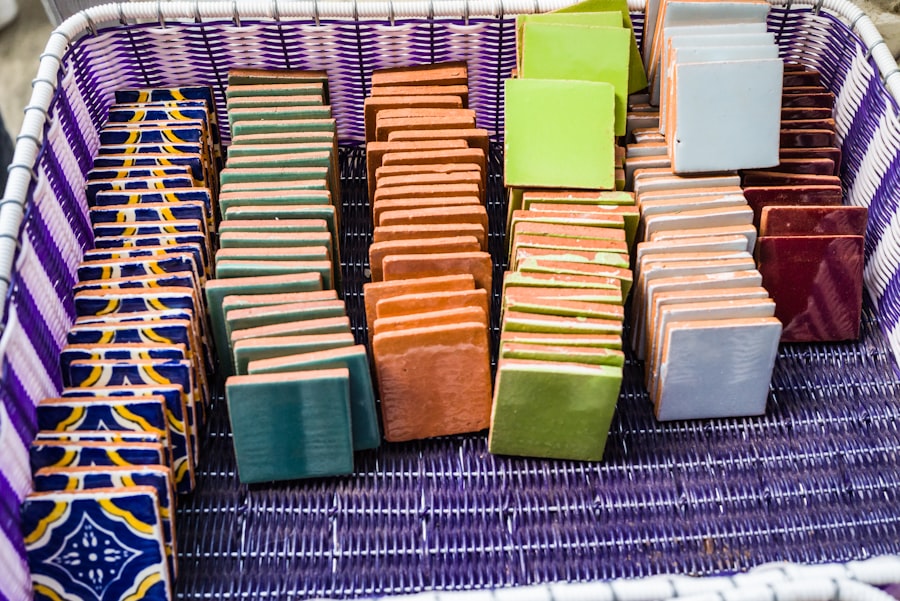
Tile design offers an opportunity for creativity in backsplash installation. Beyond standard square or rectangular tiles, there are numerous shapes and patterns that can be employed to create a unique look. For example, hexagonal tiles can add a contemporary flair, while subway tiles arranged in herringbone or chevron patterns can introduce a classic yet modern twist. The arrangement of tiles can significantly affect the perception of space; vertical layouts can make ceilings appear higher, while horizontal designs can create a sense of width.
In addition to shape, texture plays a vital role in tile design. Textured tiles can add depth and interest to a backsplash, making it visually engaging. Incorporating different finishes—such as matte, glossy, or textured—can further enhance the design. Mixing various tile types or colours within a single backsplash can also create a striking effect, allowing for personal expression while maintaining harmony with the overall kitchen design.
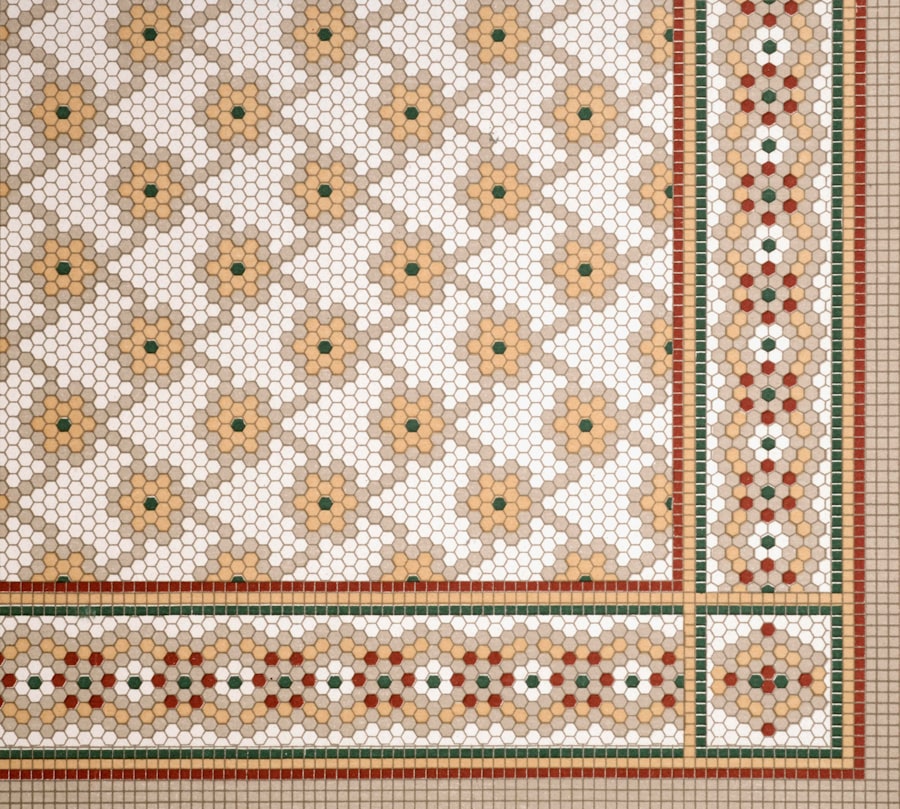
Colour and pattern are essential elements in creating an impactful backsplash. A bold colour can serve as a statement piece in an otherwise neutral kitchen, drawing attention and adding vibrancy to the space. Conversely, subtle hues can create a calming atmosphere that complements other design elements without overwhelming them. When selecting colours, it is important to consider the existing palette of the kitchen, ensuring that the backsplash harmonises with cabinetry, countertops, and appliances.
Patterns can also play a significant role in enhancing the visual appeal of a backsplash. Geometric designs or intricate mosaics can introduce complexity and character to the kitchen environment. However, it is crucial to strike a balance; overly busy patterns may clash with other elements in the room. A well-thought-out approach to colour and pattern can transform a simple backsplash into an eye-catching feature that enhances the overall kitchen design.
Incorporating stylish backsplashes can significantly enhance your kitchen design, adding both functionality and aesthetic appeal. For those interested in further elevating their home interiors, exploring the benefits of custom joinery can provide valuable insights into creating a cohesive and personalised space. You can read more about this in the article on the benefits of custom joinery, which highlights how bespoke solutions can complement your kitchen’s overall style.
In smaller kitchens, every design choice counts, and backsplashes can be particularly effective in maximising space. A well-designed backsplash can create an illusion of depth or height, making the area feel more expansive. For instance, using light-coloured tiles or reflective materials like glass can help brighten up a compact kitchen while making it appear larger than it is. Vertical tile arrangements can also draw the eye upwards, contributing to a sense of spaciousness.
Additionally, incorporating shelving or decorative elements into the backsplash design can provide both functionality and style. Open shelving above the countertop can serve as a display area for attractive dishware or plants while maintaining easy access to frequently used items. This approach not only utilises vertical space effectively but also adds personality to the kitchen without compromising on practicality.
If you’re looking to elevate your kitchen design with chic elements, consider exploring the article on kitchen cabinets, which complements stylish backsplashes beautifully. The right cabinetry can enhance the overall aesthetic, creating a harmonious balance between functionality and style. By integrating these design elements, you can transform your kitchen into a space that is not only practical but also visually stunning.
Different kitchen styles call for tailored backsplash designs that complement their unique characteristics. In traditional kitchens, classic materials such as ceramic tiles with intricate patterns or natural stone can enhance the timeless appeal of the space. For modern kitchens, sleek glass or metal backsplashes may be more appropriate, providing a clean and minimalist look that aligns with contemporary aesthetics.
Rustic kitchens benefit from materials like reclaimed wood or textured stone that evoke warmth and charm. These options can create an inviting atmosphere while maintaining functionality.
For eclectic styles, mixing various materials and patterns can result in a vibrant and personalised space that reflects individual taste.
Understanding how different backsplash designs interact with various kitchen styles is essential for achieving a cohesive look that resonates with the overall theme.
While backsplashes are designed to be durable and functional, proper maintenance is essential to keep them looking their best over time. The cleaning requirements will vary depending on the material chosen; for instance, glass backsplashes may require regular wiping down with glass cleaner to avoid streaks, while natural stone may need special cleaners to prevent damage from acidic substances.
Regular maintenance practices include wiping down surfaces after cooking to prevent stains from setting in and using appropriate cleaning products that do not harm the material’s finish. It is also advisable to reseal natural stone backsplashes periodically to protect against moisture and staining. By adhering to these maintenance guidelines, homeowners can ensure that their stylish backsplashes remain attractive and functional for years.
In conclusion, backsplashes play a pivotal role in kitchen design by combining functionality with aesthetic appeal. The right material, colour, pattern, and design can transform an ordinary kitchen into an extraordinary space that reflects personal style while serving practical purposes. From maximising small spaces to complementing various kitchen styles, backsplashes offer endless possibilities for creativity.
Investing time in selecting an appropriate backsplash not only enhances the visual impact of the kitchen but also contributes to its overall functionality. With proper maintenance and care, a stylish backsplash can remain a striking feature of your kitchen for many years to come. Ultimately, whether you prefer bold designs or subtle elegance, there is a backsplash solution that will enhance your kitchen’s design while meeting your practical needs.
Stylish kitchen backsplashes are often made from materials such as ceramic or porcelain tiles, glass, natural stone like marble or granite, stainless steel, and even reclaimed wood. Each material offers a unique aesthetic and varying levels of durability and maintenance.
A backsplash serves both functional and decorative purposes. It protects walls from splashes and stains while adding colour, texture, and visual interest to the kitchen. A well-chosen backsplash can complement cabinetry, countertops, and appliances, creating a cohesive and stylish look.
Yes, practical factors include ease of cleaning, resistance to heat and moisture, and durability. For example, glossy tiles are easy to wipe down, while natural stone may require sealing. It is important to select a material that suits the kitchen’s usage and maintenance preferences.
Absolutely. Backsplashes can be customised in terms of colour, pattern, size, and layout to match various kitchen styles, from modern and minimalist to traditional and rustic. Custom designs, such as mosaic patterns or personalised tiles, can add a unique touch.
While some DIY enthusiasts may install backsplashes themselves, professional installation is often recommended to ensure proper alignment, secure adhesion, and a polished finish. Professionals can also handle complex designs and materials that require specialised tools or techniques.
Don’t Take Our Word For It
Aspec has recieved fantastic 5/5 Star Rating from its clients!
Professional from start to finish!
Wow! Omar was fantastic right from the very beginning! With 6 weeks to go until baby number 2s arrival, Omar delivered on his word to create a phenomenal outdoor kitchen for our alfresco area! It is exactly the vision we had in mind! We are so impressed with the workmanship and quality as well as the effort to get the work completed in such a tight timeframe. Very open and honest about pricing upfront also! Would highly recommend Omar and his team. The level of professionalism, honesty, workmanship and quality was spot on and always has time to discuss and go through any questions or concerns. Thank you A Spec Joinery for doing a fantastic job and in the short time we had to do it by! Particularly fitting us in a busy December!
Bianca M Vucetic
Professional from start to finish!
Great attentions to detail very informative throughout highly reccomend!
Mark, Double Bay
Professional from start to finish!
Omar installed a new kitchen for us. The process was easy and Omar kept in contact with us at all stages. The kitchen was installed in only a couple of days and looks fantastic. We’re very happy with the result.
Mat Pal
Professional from start to finish!
Omar was excellent to deal with. He and his team built and installed a large built-in wardrobe and cupboard, giving us good advice on the design. He was very professional in surveying the complex space for the units – it’s an older house with uneven floor and ceiling – and in preparing the design. His team constructed the units off-site within the time he indicated. Installation was complex and went very smoothly. The whole project was on time and on budget and the product delivered was of the highest quality. We would certainly use him again and recommend him to our friends.
Phillip Hart
Professional from start to finish!
Omar was fantastic to deal with and produced outstanding quality work for our new storage cupbaords and floating shelves. The final product was exactly what we wanted and made with care and attention. We highly recommend him for joinery and cabinetry works. Many thanks, Vince
Vincent Banton
Professional from start to finish!
Omar and his team are awesome. Professional, efficient and really went the extra mile creating beautiful joinery for my studio. Will definitely engage their services again and refer to anyone.
Carla Sconce
Professional from start to finish!
Dealt with Omar from A Spec on our office fit out, all work was done ahead of time and costs were maintained the whole way through. Would happily use A Spec again or recommend to anyone without hesitation.
Emanuel Karantonis
Professional from start to finish!
My experience with Omar and his team has been amazing and trouble-free.
Omar’s attention to detail and quick response time gave me comfort and confidence that the end product would be great.
Being in the construction industry, I couldn’t fault their workmanship and timing. Everything delivered on time and on budget.
Would definitely use Aspec Joinery again.
Ben Yee
Professional from start to finish!
Omar and the team at A Spec Joinery built our kitchen and bookshelves in 2021. The work is really high quality. It’s now 2024 and everything still looks great and functions just like the day they were built. I would highly recommend A Spec, particularly for the after build service. Nothing is too much trouble for Omar.
Alistair McLean
Professional from start to finish!
Omar and his team have worked wonders on all our joinery for our renovation, they constantly went above and beyond during all aspects of the build from planning to manufacturing and installation.
They have done an absolutely beautiful job and it is my pleasure to recommend A-Spec joinery to everyone.
Their professional attitude was exemplary and it was always lovely having Omar and the team in our house, they made an extremely stressful renovation into a positive experience.
A-Spec Joinery made our dreams come true and there are no words that can express how appreciative we are and so happy that we chose them.
If you want the best go with A-Spec Joinery.
Vincent & Anna
Vincent Jones
Professional from start to finish!
Paul Casey
Professional from start to finish!
Matt B
Professional from start to finish!
Our experience with A Spec Joinery was outstanding. We were happy with every phase of our project from initial concept to drawings to finished products. Omar and his team’s attention to detail was fantastic. Highly recommend!!!
Sharon Antonir
Professional from start to finish!
High quality work, on time on budget very professional would engage their services again 100%. 2yrs on asked Omar for additional work and once again very professional, on time and very helpful.
Maurice Natoli