Establishing a budget is the cornerstone of any successful home renovation project, particularly when it comes to a kitchen remodel. A well-defined budget not only helps in managing expenses but also sets realistic expectations for the scope of the project. Begin by assessing your financial situation and determining how much you can comfortably allocate to the renovation without straining your finances.
It’s essential to consider all potential costs, including materials, labor, permits, and unexpected expenses that may arise during the renovation process. A good rule of thumb is to set aside an additional 10-20% of your total budget for unforeseen circumstances, as these can often derail even the most meticulously planned projects. Once you have a clear understanding of your financial limits, prioritize your needs and wants.
This involves distinguishing between essential upgrades—such as replacing outdated appliances or fixing plumbing issues—and aesthetic enhancements like new countertops or decorative backsplashes. By categorizing your desires, you can allocate funds more effectively and make informed decisions about where to splurge and where to save. Additionally, researching average costs for various elements of a kitchen remodel can provide valuable insights into what is feasible within your budget.
This groundwork will not only guide your spending but also empower you to make choices that align with your financial goals while still achieving a beautiful and functional kitchen.
Finding the right design inspiration is crucial for creating a kitchen that reflects your personal style while also being functional and inviting. Start by exploring various sources such as home improvement magazines, online platforms like Pinterest and Instagram, and even visiting local showrooms or open houses. These resources can provide a wealth of ideas, showcasing different styles ranging from modern minimalism to rustic charm.
As you gather inspiration, pay attention to color schemes, layouts, and unique features that resonate with you. Creating a mood board can be an effective way to visualize your ideas and narrow down your preferences, allowing you to see how different elements might work together in your space. In addition to visual inspiration, consider the practical aspects of your kitchen design.
Think about how you use your kitchen on a daily basis and what features would enhance your cooking and entertaining experience. For instance, if you frequently host gatherings, an open-concept layout with an island for additional seating might be ideal. Alternatively, if you prefer a more traditional cooking space, incorporating classic cabinetry and a farmhouse sink could be more appealing.
Balancing aesthetic desires with functional needs will help ensure that your kitchen not only looks great but also serves as a practical hub for your home.
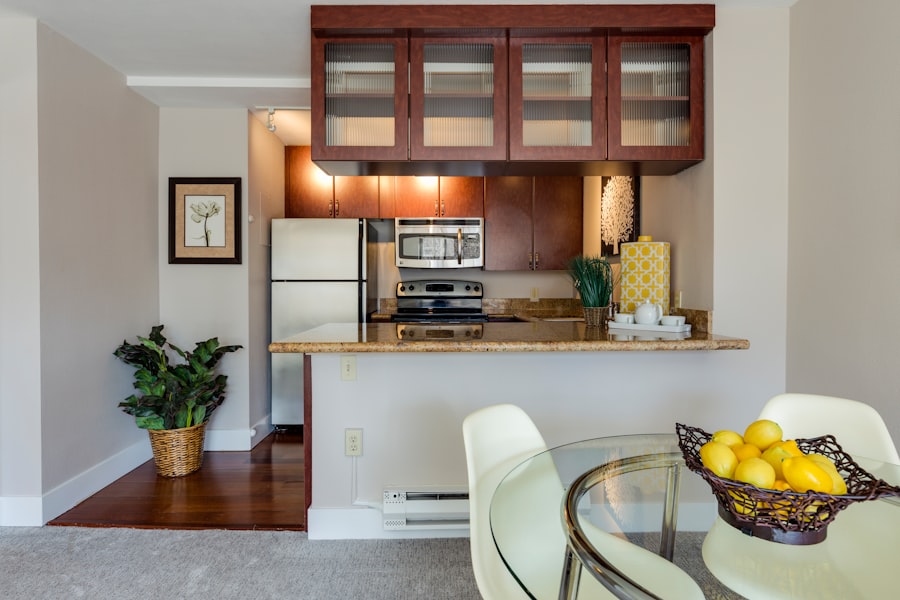
Selecting the right materials is a pivotal step in any kitchen renovation, as it directly impacts both the aesthetics and functionality of the space. When choosing materials for countertops, cabinets, flooring, and backsplashes, consider factors such as durability, maintenance requirements, and overall style. For instance, granite or quartz countertops are popular choices due to their resilience and variety of colors and patterns.
On the other hand, if you’re looking for something more budget-friendly yet stylish, laminate or butcher block surfaces may be worth considering. Each material has its own set of advantages and disadvantages, so it’s essential to weigh these factors against your lifestyle and design goals. In addition to aesthetics and durability, think about how the materials will work together in terms of texture and color.
A cohesive look can be achieved by selecting complementary materials that enhance each other’s beauty. For example, pairing sleek stainless steel appliances with warm wood cabinetry can create a striking contrast that adds depth to the design. Furthermore, consider the environmental impact of your material choices; opting for sustainable or reclaimed materials can not only reduce your carbon footprint but also add a unique story to your kitchen.
Ultimately, the right materials will contribute significantly to the overall feel of your kitchen while ensuring it remains functional for years to come.
| Storage Solution | Benefits |
|---|---|
| Shelving Units | Maximizes vertical space and provides easy access to items |
| Storage Bins | Keeps items organized and easily accessible |
| Closet Organizers | Maximizes closet space and keeps clothing and accessories tidy |
| Drawer Dividers | Organizes small items and maximizes drawer space |
In any kitchen remodel, maximizing storage and organization is essential for creating a functional space that meets your needs. A well-organized kitchen not only enhances efficiency but also reduces clutter, making cooking and entertaining more enjoyable. Start by evaluating your current storage situation: identify what items you use most frequently and where they are currently stored.
This assessment will help you determine what types of storage solutions will work best for your new kitchen layout. Consider incorporating features such as pull-out shelves, lazy Susans, or deep drawers that can accommodate pots and pans more effectively than traditional cabinets. Additionally, think about vertical storage options that can help utilize wall space efficiently.
Installing open shelving can provide easy access to frequently used items while also allowing you to display decorative pieces or cookbooks. Another innovative solution is to incorporate cabinetry that extends up to the ceiling; this not only maximizes storage but also creates an illusion of height in smaller kitchens. By thoughtfully planning your storage solutions, you can create a kitchen that is not only visually appealing but also highly functional, making it easier to maintain order amidst the hustle and bustle of daily life.
Upgrading appliances is often one of the most impactful changes you can make during a kitchen remodel. Modern appliances not only enhance the overall aesthetic of the space but also improve functionality and energy efficiency. When selecting new appliances, consider both their performance features and how they fit into your design vision.
For instance, stainless steel appliances are popular for their sleek appearance and durability, while colorful retro-style models can add a fun pop of personality to a more traditional kitchen design. Additionally, think about how each appliance will integrate with your existing layout; for example, if you’re planning an open-concept design, choosing appliances with a cohesive finish can create a seamless look. Beyond aesthetics, energy efficiency should be a key consideration when upgrading appliances.
Look for models that have high Energy Star ratings or other certifications indicating lower energy consumption. Not only will this help reduce your utility bills over time, but it also contributes to a more sustainable home environment. Furthermore, consider smart appliances that offer advanced features such as remote control via smartphone apps or integration with home automation systems.
These innovations can enhance convenience in your daily cooking routines while also adding value to your home in the long run.

Lighting plays a crucial role in setting the mood and functionality of any kitchen space. A well-lit kitchen not only enhances visibility for cooking tasks but also creates an inviting atmosphere for family gatherings and entertaining guests. When planning your lighting scheme, consider layering different types of lighting: ambient lighting provides overall illumination; task lighting focuses on specific work areas like countertops or islands; and accent lighting highlights architectural features or decorative elements.
Pendant lights over an island or under-cabinet lighting are excellent ways to achieve this layered effect while adding visual interest. In addition to functional lighting, don’t overlook the importance of fixtures in contributing to the overall design aesthetic of your kitchen. Selecting stylish fixtures such as faucets, cabinet hardware, and light fixtures can elevate the look of your space significantly.
For example, opting for a vintage-inspired faucet can add character to a modern kitchen while sleek chrome finishes may complement contemporary designs beautifully. When choosing fixtures, ensure they align with your overall design theme while also being practical for everyday use. Thoughtful lighting and fixture choices will not only enhance the beauty of your kitchen but also improve its functionality.
Deciding whether to hire a professional or tackle a kitchen remodel as a DIY project is a significant consideration that can impact both the outcome and timeline of your renovation. Hiring professionals such as contractors or designers can bring expertise and experience to the table, ensuring that every aspect of the remodel is executed flawlessly. They can help navigate complex tasks like plumbing or electrical work that may be beyond the skill set of an average homeowner.
Additionally, professionals often have access to resources and materials that may not be readily available to DIYers, which can enhance the quality of the final product. On the other hand, taking on a DIY approach can be rewarding both financially and personally if you have the necessary skills and time commitment. Many homeowners find satisfaction in creating their dream kitchens through their own hard work and creativity.
However, it’s essential to realistically assess your abilities before diving into a DIY project; some tasks may require specialized knowledge or tools that could lead to costly mistakes if not handled properly. Ultimately, whether you choose to hire professionals or go the DIY route will depend on your budget, timeline, and comfort level with various renovation tasks.
Incorporating personal touches into your kitchen remodel is what transforms a generic space into one that truly feels like home. These unique elements reflect your personality and style while making the kitchen more inviting for family and friends alike. Consider adding custom cabinetry with unique finishes or hardware that resonates with you personally; this could include anything from antique knobs to modern pulls that showcase your taste.
Additionally, displaying cherished items such as family heirlooms or artwork can infuse warmth into the space while telling a story about who you are. Another way to personalize your kitchen is through thoughtful decor choices that enhance its overall ambiance. This could involve selecting vibrant dishware displayed on open shelves or incorporating plants for a touch of greenery that breathes life into the room.
You might also consider creating a dedicated coffee station or baking nook that caters specifically to your culinary passions—these small details can make everyday activities feel special while enhancing functionality at the same time. By thoughtfully integrating personal touches into your kitchen design, you create a space that not only serves its practical purpose but also embodies your unique lifestyle and preferences.
If you’re considering a kitchen renovation and looking for ways to do so without overspending, you might find the article “Budget Kitchen Renovation in Sydney: Transforming Your Kitchen Without Breaking the Bank” particularly useful. It offers practical advice and creative solutions for renovating your kitchen on a budget. You can read more about cost-effective strategies and tips to enhance your kitchen’s functionality and aesthetic appeal by visiting this link.
Don’t Take Our Word For It
Aspec has recieved fantastic 5/5 Star Rating from its clients!
Professional from start to finish!
Wow! Omar was fantastic right from the very beginning! With 6 weeks to go until baby number 2s arrival, Omar delivered on his word to create a phenomenal outdoor kitchen for our alfresco area! It is exactly the vision we had in mind! We are so impressed with the workmanship and quality as well as the effort to get the work completed in such a tight timeframe. Very open and honest about pricing upfront also! Would highly recommend Omar and his team. The level of professionalism, honesty, workmanship and quality was spot on and always has time to discuss and go through any questions or concerns. Thank you A Spec Joinery for doing a fantastic job and in the short time we had to do it by! Particularly fitting us in a busy December!
Bianca M Vucetic
Professional from start to finish!
Great attentions to detail very informative throughout highly reccomend!
Mark, Double Bay
Professional from start to finish!
Omar installed a new kitchen for us. The process was easy and Omar kept in contact with us at all stages. The kitchen was installed in only a couple of days and looks fantastic. We’re very happy with the result.
Mat Pal
Professional from start to finish!
Omar was excellent to deal with. He and his team built and installed a large built-in wardrobe and cupboard, giving us good advice on the design. He was very professional in surveying the complex space for the units – it’s an older house with uneven floor and ceiling – and in preparing the design. His team constructed the units off-site within the time he indicated. Installation was complex and went very smoothly. The whole project was on time and on budget and the product delivered was of the highest quality. We would certainly use him again and recommend him to our friends.
Phillip Hart
Professional from start to finish!
Omar was fantastic to deal with and produced outstanding quality work for our new storage cupbaords and floating shelves. The final product was exactly what we wanted and made with care and attention. We highly recommend him for joinery and cabinetry works. Many thanks, Vince
Vincent Banton
Professional from start to finish!
Omar and his team are awesome. Professional, efficient and really went the extra mile creating beautiful joinery for my studio. Will definitely engage their services again and refer to anyone.
Carla Sconce
Professional from start to finish!
Dealt with Omar from A Spec on our office fit out, all work was done ahead of time and costs were maintained the whole way through. Would happily use A Spec again or recommend to anyone without hesitation.
Emanuel Karantonis
Professional from start to finish!
My experience with Omar and his team has been amazing and trouble-free.
Omar’s attention to detail and quick response time gave me comfort and confidence that the end product would be great.
Being in the construction industry, I couldn’t fault their workmanship and timing. Everything delivered on time and on budget.
Would definitely use Aspec Joinery again.
Ben Yee
Professional from start to finish!
Omar and the team at A Spec Joinery built our kitchen and bookshelves in 2021. The work is really high quality. It’s now 2024 and everything still looks great and functions just like the day they were built. I would highly recommend A Spec, particularly for the after build service. Nothing is too much trouble for Omar.
Alistair McLean
Professional from start to finish!
Omar and his team have worked wonders on all our joinery for our renovation, they constantly went above and beyond during all aspects of the build from planning to manufacturing and installation.
They have done an absolutely beautiful job and it is my pleasure to recommend A-Spec joinery to everyone.
Their professional attitude was exemplary and it was always lovely having Omar and the team in our house, they made an extremely stressful renovation into a positive experience.
A-Spec Joinery made our dreams come true and there are no words that can express how appreciative we are and so happy that we chose them.
If you want the best go with A-Spec Joinery.
Vincent & Anna
Vincent Jones
Professional from start to finish!
Paul Casey
Professional from start to finish!
Matt B
Professional from start to finish!
Our experience with A Spec Joinery was outstanding. We were happy with every phase of our project from initial concept to drawings to finished products. Omar and his team’s attention to detail was fantastic. Highly recommend!!!
Sharon Antonir
Professional from start to finish!
High quality work, on time on budget very professional would engage their services again 100%. 2yrs on asked Omar for additional work and once again very professional, on time and very helpful.
Maurice Natoli