Timeless craftsmanship is an enduring practice that transcends generations, embodying a deep respect for materials, techniques, and the artistry involved in creating functional yet beautiful objects. This form of craftsmanship is characterised by meticulous attention to detail, a commitment to quality, and a profound understanding of the materials used. Craftsmen and artisans often spend years honing their skills, learning from masters in their field, and developing a unique style that reflects both tradition and personal expression. The result is a body of work that not only serves a purpose but also tells a story, connecting the creator with the end user through shared appreciation for the art.
The significance of timeless craftsmanship extends beyond mere aesthetics; it represents a philosophy that values durability and sustainability over mass production and disposability. In an age where fast fashion and quick consumerism dominate, the principles of craftsmanship remind us of the importance of investing in well-made items that can withstand the test of time. This approach fosters a deeper connection between the maker and the consumer, as each piece carries with it the history of its creation and the skill of its maker.
As such, timeless craftsmanship is not just about creating objects; it is about preserving cultural heritage and fostering a sense of identity within communities.
In exploring the harmonious blend of traditional techniques and contemporary aesthetics, one can gain further insights by reading the article on exceptional workspace transformations. This piece delves into how skilled craftsmanship can elevate modern design in commercial fitouts, showcasing the importance of quality and attention to detail. For more information, visit this article.
Modern design has undergone significant transformations over the past century, influenced by technological advancements, cultural shifts, and changing consumer preferences. Initially rooted in the principles of simplicity and functionality, modern design emerged as a response to the ornate styles of previous eras. The Bauhaus movement, for instance, championed the idea that form should follow function, leading to designs that prioritised usability while maintaining aesthetic appeal. This shift marked a departure from traditional craftsmanship towards a more industrial approach, where mass production became feasible and accessible.
As modern design evolved, it began to incorporate elements from various cultural backgrounds and historical styles, resulting in a rich tapestry of influences. The post-war period saw a surge in experimentation with materials and forms, as designers sought to break free from conventional constraints. This era also witnessed the rise of iconic designers who pushed boundaries and redefined what was possible in design. However, as modern design continued to evolve, it faced criticism for its sometimes impersonal nature, leading to a renewed interest in handcrafted items that embody individuality and character.
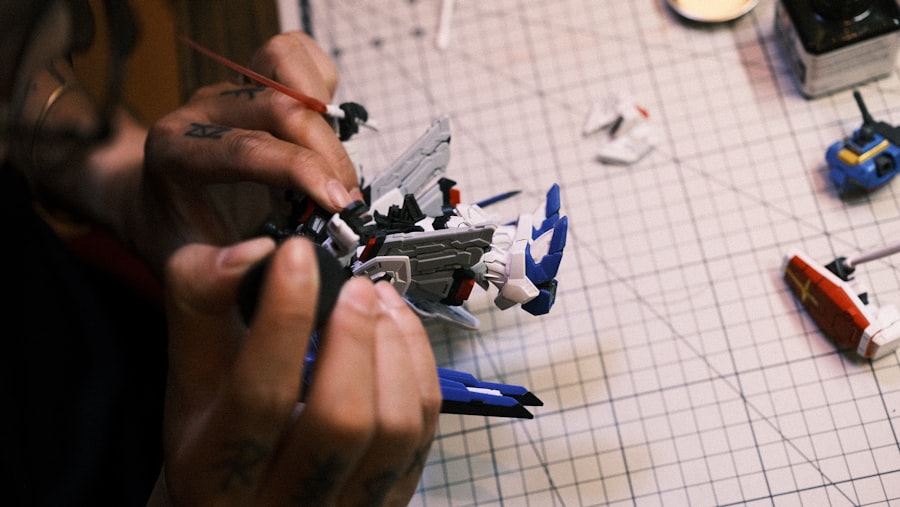
The blending of tradition with innovation has become a hallmark of contemporary design practices. Designers today are increasingly recognising the value of traditional techniques while simultaneously embracing new technologies and materials. This fusion allows for the creation of products that honour historical craftsmanship while also meeting the demands of modern consumers. For instance, artisans may utilise traditional woodworking methods alongside advanced machinery to produce pieces that are both aesthetically pleasing and functionally superior.
This synthesis of old and new is evident in various design fields, from furniture to fashion. Designers often draw inspiration from historical motifs or techniques, reinterpreting them through a modern lens. This approach not only preserves valuable skills but also encourages creativity and experimentation. By marrying traditional craftsmanship with innovative practices, designers can create unique pieces that resonate with consumers seeking authenticity in an increasingly homogenised market.
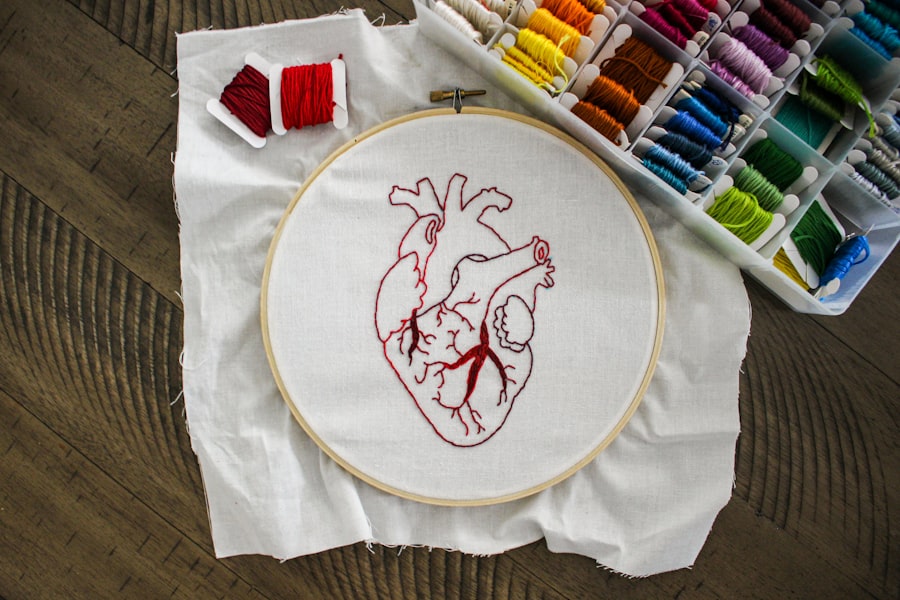
Timeless craftsmanship has had a profound influence on modern design, serving as a source of inspiration for many contemporary creators. The resurgence of interest in artisanal products reflects a growing appreciation for the skill and dedication involved in handcrafted items. As consumers become more discerning about their purchases, they often seek out products that embody quality and authenticity—qualities that are inherent in timeless craftsmanship. This shift has prompted designers to incorporate traditional techniques into their work, resulting in pieces that are not only functional but also rich in narrative.
Moreover, the influence of timeless craftsmanship can be seen in the emphasis on sustainability within modern design practices. As awareness of environmental issues grows, many designers are turning to traditional methods that prioritise longevity and resourcefulness. By utilising locally sourced materials and time-honoured techniques, they create products that minimise waste and reduce their carbon footprint. This alignment with craftsmanship not only enhances the aesthetic value of modern designs but also reinforces a commitment to ethical production practices.
In the exploration of how timeless craftsmanship meets modern design, one can gain further insights from an article that delves into custom joinery solutions for unique home spaces. This piece highlights the intricate balance between traditional techniques and contemporary aesthetics, showcasing how bespoke elements can enhance the overall character of a home. For a deeper understanding of this harmonious blend, you can read more about it in the article on custom joinery solutions The ability to navigate this intersection effectively requires a deep understanding of both historical context and current trends, enabling designers to create work that resonates across generations. In an increasingly digital age, preserving traditional techniques poses both challenges and opportunities for artisans and designers alike. The rise of automation and mass production has led to concerns about the diminishing role of handcrafted items in everyday life. However, there is also a growing movement aimed at reviving these techniques through education and community engagement. Workshops, apprenticeships, and online platforms have emerged as vital resources for those seeking to learn traditional crafts. Furthermore, many contemporary designers are actively advocating for the preservation of these techniques by incorporating them into their work. By showcasing the beauty and functionality of handcrafted items, they help raise awareness about the importance of maintaining these skills within society. This commitment to preservation not only enriches the design landscape but also fosters a greater appreciation for the artistry involved in creating unique pieces. Embracing the timeless appeal of craftsmanship within modern design is essential for creating products that resonate with consumers on multiple levels. As individuals increasingly seek meaningful connections with the items they purchase, craftsmanship offers an avenue for authenticity and individuality. The tactile nature of handcrafted goods invites consumers to engage with them more deeply than mass-produced alternatives, fostering a sense of ownership and appreciation. Moreover, this embrace extends beyond aesthetics; it encompasses values such as sustainability, ethical production, and cultural heritage. By prioritising craftsmanship in their designs, creators can contribute to a more conscious consumer culture that values quality over quantity. In doing so, they not only honour traditional practices but also pave the way for future generations to appreciate the art of making—ensuring that timeless craftsmanship continues to thrive alongside modern innovation. Timeless craftsmanship refers to the creation of products using traditional skills and techniques that have been perfected over generations. It emphasises quality, durability, and attention to detail, ensuring that items remain functional and aesthetically pleasing over time. Modern design incorporates contemporary aesthetics, technology, and materials, which can enhance the functionality and appeal of traditionally crafted items. By blending the old with the new, designers create pieces that respect heritage while meeting current lifestyle needs. This combination is often found in furniture, jewellery, fashion, and home décor. For example, handcrafted wooden furniture may be designed with sleek, minimalist lines, or classic jewellery techniques may be used to create modern, wearable pieces. The fusion ensures that products are not only beautiful and well-made but also relevant and practical for today’s users. It promotes sustainability by valuing longevity and quality over mass production and disposability. Such products are commonly available through specialised boutiques, artisan workshops, and brands that focus on heritage techniques combined with contemporary design principles. They may also be found in galleries, design fairs, and online platforms dedicated to handcrafted and designer goods. Preserving Traditional Techniques in a Modern World
Embracing the Timeless Appeal of Craftsmanship in Modern Design
FAQs
What is meant by ‘timeless craftsmanship’ in design?
How does modern design complement traditional craftsmanship?
What types of products typically feature a combination of timeless craftsmanship and modern design?
Why is the fusion of timeless craftsmanship and modern design important?
Where can one find products that embody timeless craftsmanship and modern design?
Don’t Take Our Word For It
Aspec has recieved fantastic 5/5 Star Rating from its clients!
Professional from start to finish!
Wow! Omar was fantastic right from the very beginning! With 6 weeks to go until baby number 2s arrival, Omar delivered on his word to create a phenomenal outdoor kitchen for our alfresco area! It is exactly the vision we had in mind! We are so impressed with the workmanship and quality as well as the effort to get the work completed in such a tight timeframe. Very open and honest about pricing upfront also! Would highly recommend Omar and his team. The level of professionalism, honesty, workmanship and quality was spot on and always has time to discuss and go through any questions or concerns. Thank you A Spec Joinery for doing a fantastic job and in the short time we had to do it by! Particularly fitting us in a busy December!
Bianca M Vucetic
Professional from start to finish!
Great attentions to detail very informative throughout highly reccomend!
Mark, Double Bay
Professional from start to finish!
Omar installed a new kitchen for us. The process was easy and Omar kept in contact with us at all stages. The kitchen was installed in only a couple of days and looks fantastic. We’re very happy with the result.
Mat Pal
Professional from start to finish!
Omar was excellent to deal with. He and his team built and installed a large built-in wardrobe and cupboard, giving us good advice on the design. He was very professional in surveying the complex space for the units – it’s an older house with uneven floor and ceiling – and in preparing the design. His team constructed the units off-site within the time he indicated. Installation was complex and went very smoothly. The whole project was on time and on budget and the product delivered was of the highest quality. We would certainly use him again and recommend him to our friends.
Phillip Hart
Professional from start to finish!
Omar was fantastic to deal with and produced outstanding quality work for our new storage cupbaords and floating shelves. The final product was exactly what we wanted and made with care and attention. We highly recommend him for joinery and cabinetry works. Many thanks, Vince
Vincent Banton
Professional from start to finish!
Omar and his team are awesome. Professional, efficient and really went the extra mile creating beautiful joinery for my studio. Will definitely engage their services again and refer to anyone.
Carla Sconce
Professional from start to finish!
Dealt with Omar from A Spec on our office fit out, all work was done ahead of time and costs were maintained the whole way through. Would happily use A Spec again or recommend to anyone without hesitation.
Emanuel Karantonis
Professional from start to finish!
My experience with Omar and his team has been amazing and trouble-free.
Omar’s attention to detail and quick response time gave me comfort and confidence that the end product would be great.
Being in the construction industry, I couldn’t fault their workmanship and timing. Everything delivered on time and on budget.
Would definitely use Aspec Joinery again.
Ben Yee
Professional from start to finish!
Omar and the team at A Spec Joinery built our kitchen and bookshelves in 2021. The work is really high quality. It’s now 2024 and everything still looks great and functions just like the day they were built. I would highly recommend A Spec, particularly for the after build service. Nothing is too much trouble for Omar.
Alistair McLean
Professional from start to finish!
Omar and his team have worked wonders on all our joinery for our renovation, they constantly went above and beyond during all aspects of the build from planning to manufacturing and installation.
They have done an absolutely beautiful job and it is my pleasure to recommend A-Spec joinery to everyone.
Their professional attitude was exemplary and it was always lovely having Omar and the team in our house, they made an extremely stressful renovation into a positive experience.
A-Spec Joinery made our dreams come true and there are no words that can express how appreciative we are and so happy that we chose them.
If you want the best go with A-Spec Joinery.
Vincent & Anna
Vincent Jones
Professional from start to finish!
Paul Casey
Professional from start to finish!
Matt B
Professional from start to finish!
Our experience with A Spec Joinery was outstanding. We were happy with every phase of our project from initial concept to drawings to finished products. Omar and his team’s attention to detail was fantastic. Highly recommend!!!
Sharon Antonir
Professional from start to finish!
High quality work, on time on budget very professional would engage their services again 100%. 2yrs on asked Omar for additional work and once again very professional, on time and very helpful.
Maurice Natoli