Wardrobe design plays a crucial role in the overall aesthetic and functionality of a living space. A well-designed wardrobe not only serves as a storage solution but also enhances the visual appeal of a room. It is often one of the first elements people notice when entering a bedroom or dressing area, making it essential for it to reflect the homeowner’s taste and style.
A thoughtfully designed wardrobe can create a sense of harmony within the space, contributing to a cohesive interior design scheme. Furthermore, it can significantly impact daily routines, making the process of getting dressed more efficient and enjoyable. In addition to aesthetics, the importance of wardrobe design extends to practicality.
A well-organised wardrobe can streamline the process of selecting outfits, reducing the time spent searching through clothes and accessories. This is particularly crucial in today’s fast-paced world, where efficiency is key. A wardrobe that is tailored to meet individual needs can accommodate various clothing types, from formal wear to casual attire, ensuring that everything has its designated place.
This not only promotes tidiness but also helps in maintaining the condition of garments, as they are stored properly and are less likely to become creased or damaged.
When embarking on a wardrobe design project, it is essential to strike a balance between style and function. Style refers to the visual elements of the wardrobe, including its shape, colour, and materials, while function pertains to how well it meets the user’s storage needs. A wardrobe that is visually appealing but lacks functionality can lead to frustration and disorganisation.
Conversely, a highly functional wardrobe that lacks style may detract from the overall aesthetic of the room. Therefore, understanding how these two aspects interact is crucial for creating a successful wardrobe design. To achieve this balance, one must consider personal preferences and lifestyle requirements.
For instance, someone with an extensive collection of shoes may require a wardrobe with dedicated shoe storage solutions, such as pull-out shelves or clear display boxes. On the other hand, an individual who frequently wears formal attire might benefit from a wardrobe that includes ample hanging space and compartments for accessories like ties and cufflinks. By assessing one’s wardrobe needs and preferences, it becomes possible to create a design that is both stylish and functional, ultimately enhancing the user’s experience.
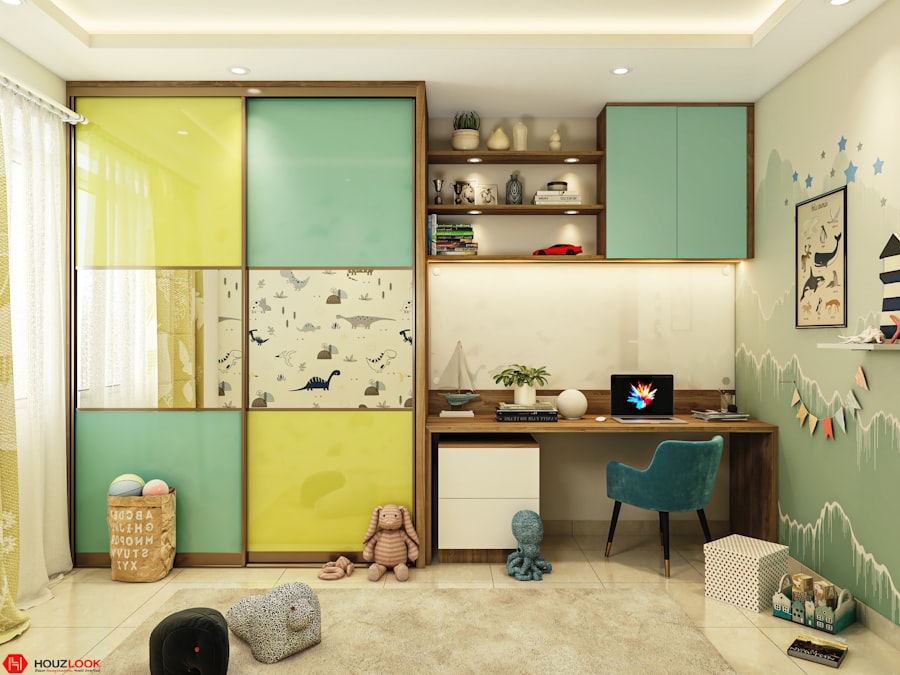
Maximising space is a fundamental aspect of effective wardrobe design, particularly in smaller rooms where every inch counts. Innovative storage solutions can transform even the most compact areas into functional spaces. For example, incorporating vertical storage options such as tall cabinets or shelving units can draw the eye upwards, creating an illusion of height while providing ample storage.
Additionally, using multi-functional furniture, such as ottomans with hidden compartments or beds with built-in drawers, can further optimise space utilisation. Organisation is equally important in ensuring that a wardrobe functions effectively. Implementing a systematic approach to storing clothing and accessories can make a significant difference in how easily items can be accessed.
Dividing the wardrobe into sections based on clothing type—such as casual wear, work attire, and evening outfits—can simplify the selection process. Furthermore, using uniform hangers and storage boxes can create a visually pleasing and orderly appearance. Labeling boxes or sections can also aid in quickly locating specific items, thereby enhancing the overall efficiency of the wardrobe.
Incorporating personal style into wardrobe design is essential for creating a space that feels uniquely yours. This process begins with identifying your aesthetic preferences—whether they lean towards minimalist, bohemian, classic, or contemporary styles. Once you have established your style identity, you can select colours, materials, and finishes that resonate with your vision.
For instance, if you favour a rustic look, opting for reclaimed wood finishes and earthy tones can create a warm and inviting atmosphere. Moreover, personal style can be expressed through decorative elements within the wardrobe itself. Adding features such as decorative mirrors, stylish lighting fixtures, or even artwork can elevate the overall design while reflecting your personality.
Accessories like decorative boxes or unique hangers can also serve as functional yet stylish additions to your wardrobe. By thoughtfully integrating these elements into your design, you create a space that not only meets practical needs but also serves as an expression of who you are.
The choice of materials and finishes is a critical component of wardrobe design that significantly influences both durability and aesthetics. When selecting materials, it is essential to consider factors such as longevity, maintenance requirements, and how they complement other elements in the room. For instance, solid wood offers timeless elegance and durability but may require more maintenance than engineered wood or laminate options.
On the other hand, metal finishes can provide a modern touch while being easy to clean and maintain. Finishes also play a vital role in defining the character of the wardrobe. High-gloss finishes can create a sleek and contemporary look, while matte finishes tend to evoke warmth and subtlety.
Textured finishes such as brushed metal or distressed wood can add depth and interest to the design. Additionally, incorporating contrasting materials—such as glass doors paired with wooden frames—can create visual intrigue while allowing for easy visibility of stored items. Ultimately, selecting the right materials and finishes will enhance both the functionality and aesthetic appeal of your wardrobe.
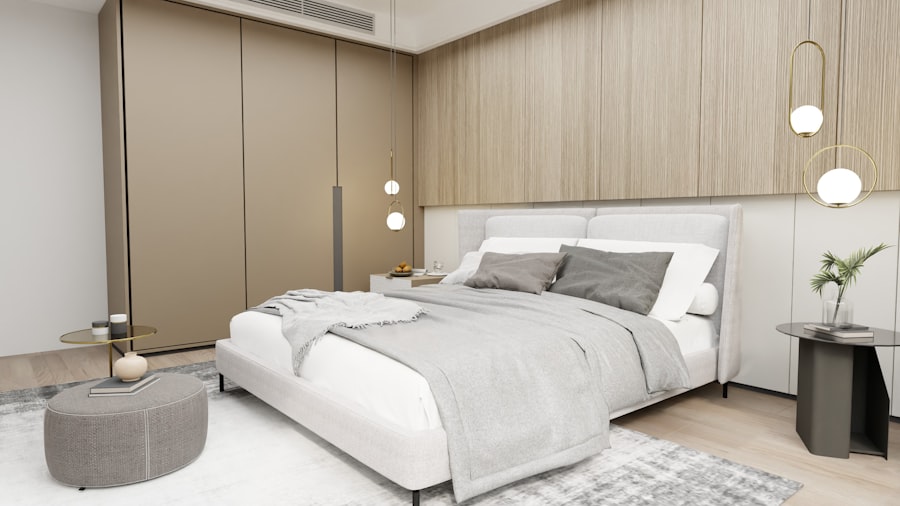
Customisation is key when it comes to designing a wardrobe that fits your lifestyle perfectly. Every individual has unique needs based on their clothing collection, daily routines, and personal preferences. For example, someone who travels frequently may require additional compartments for packing essentials or a dedicated space for luggage storage within their wardrobe.
In contrast, an individual who enjoys fashion may benefit from adjustable shelving that accommodates seasonal changes in clothing collections. Furthermore, customisation allows for flexibility in design elements such as lighting and accessibility features. Integrated lighting solutions can illuminate dark corners of the wardrobe or highlight specific items for easy selection.
Adjustable shelving heights can accommodate varying garment lengths or allow for changes in storage needs over time. By tailoring these aspects to suit your lifestyle, you create a wardrobe that not only meets current demands but also adapts to future changes.
Wardrobe design varies significantly depending on the room in which it is located and its intended purpose. In bedrooms, wardrobes often serve as primary storage for clothing and accessories; therefore, they must be spacious and well-organised. However, in other areas such as hallways or entryways, wardrobes may function as coat closets or shoe storage solutions.
In these cases, designs should prioritise accessibility and ease of use while maintaining an inviting appearance.
Low-hanging rods and open shelving can encourage children to participate in organising their own clothes while ensuring that everything is within reach.
In contrast, guest rooms may require wardrobes that are versatile enough to accommodate various guest needs without overwhelming the space. By considering the specific requirements of each room and its intended purpose, one can create wardrobes that enhance both functionality and aesthetics throughout the home.
Engaging with a professional wardrobe designer can elevate your wardrobe project from concept to reality with expertise and creativity. These professionals bring valuable insights into current trends, innovative storage solutions, and design principles that may not be immediately apparent to homeowners. They can assist in translating your vision into practical designs that maximise both style and functionality while ensuring that all aspects are tailored to your specific needs.
A professional designer will typically begin by conducting an in-depth consultation to understand your lifestyle requirements and aesthetic preferences. They will then create detailed plans that incorporate custom features such as built-in shelving units or specialised compartments for accessories. Additionally, they often have access to high-quality materials and finishes that may not be readily available to consumers.
By collaborating with a designer throughout the process—from initial sketches to final installation—you ensure that your wardrobe not only meets your expectations but also enhances your living space in ways you may not have considered before.
This piece delves into how functionality can harmoniously coexist with style, much like in wardrobe design. For further insights, you can read the article here: How to Select the Perfect Bathroom Vanity for Your Space.
Wardrobe design refers to the process of planning and creating storage solutions for clothing and accessories. It involves combining aesthetic appeal with practical functionality to organise and display garments efficiently.
Combining style and function ensures that a wardrobe is not only visually pleasing but also practical to use. A well-designed wardrobe maximises space, keeps items accessible, and complements the overall interior décor.
Common materials include wood, MDF (medium-density fibreboard), glass, metal, and laminates. The choice depends on desired style, durability, and budget.
To maximise space, use adjustable shelves, hanging organisers, drawers, and incorporate vertical storage. Utilising door-mounted racks and multi-functional compartments can also help.
Popular styles include built-in wardrobes, freestanding wardrobes, walk-in wardrobes, and fitted wardrobes. Each style offers different benefits depending on room size and personal preference.
Consider factors such as available space, storage requirements, personal style, and budget. It is also helpful to assess the types of clothing and accessories you own to determine the best organisational features.
Yes, a thoughtfully designed wardrobe can significantly improve organisation by providing designated spaces for different items, reducing clutter, and making it easier to find and access clothing.
While not always necessary, professional designers can offer expert advice, custom solutions, and ensure efficient use of space, especially for complex or large projects.
Good lighting enhances visibility inside the wardrobe, making it easier to select clothes and accessories. LED lights are commonly used for their energy efficiency and brightness.
Regular cleaning, checking for loose fittings, and occasional polishing or repainting (depending on material) help maintain the wardrobe’s appearance and functionality over time.
Don’t Take Our Word For It
Aspec has recieved fantastic 5/5 Star Rating from its clients!
Professional from start to finish!
Wow! Omar was fantastic right from the very beginning! With 6 weeks to go until baby number 2s arrival, Omar delivered on his word to create a phenomenal outdoor kitchen for our alfresco area! It is exactly the vision we had in mind! We are so impressed with the workmanship and quality as well as the effort to get the work completed in such a tight timeframe. Very open and honest about pricing upfront also! Would highly recommend Omar and his team. The level of professionalism, honesty, workmanship and quality was spot on and always has time to discuss and go through any questions or concerns. Thank you A Spec Joinery for doing a fantastic job and in the short time we had to do it by! Particularly fitting us in a busy December!
Bianca M Vucetic
Professional from start to finish!
Great attentions to detail very informative throughout highly reccomend!
Mark, Double Bay
Professional from start to finish!
Omar installed a new kitchen for us. The process was easy and Omar kept in contact with us at all stages. The kitchen was installed in only a couple of days and looks fantastic. We’re very happy with the result.
Mat Pal
Professional from start to finish!
Omar was excellent to deal with. He and his team built and installed a large built-in wardrobe and cupboard, giving us good advice on the design. He was very professional in surveying the complex space for the units – it’s an older house with uneven floor and ceiling – and in preparing the design. His team constructed the units off-site within the time he indicated. Installation was complex and went very smoothly. The whole project was on time and on budget and the product delivered was of the highest quality. We would certainly use him again and recommend him to our friends.
Phillip Hart
Professional from start to finish!
Omar was fantastic to deal with and produced outstanding quality work for our new storage cupbaords and floating shelves. The final product was exactly what we wanted and made with care and attention. We highly recommend him for joinery and cabinetry works. Many thanks, Vince
Vincent Banton
Professional from start to finish!
Omar and his team are awesome. Professional, efficient and really went the extra mile creating beautiful joinery for my studio. Will definitely engage their services again and refer to anyone.
Carla Sconce
Professional from start to finish!
Dealt with Omar from A Spec on our office fit out, all work was done ahead of time and costs were maintained the whole way through. Would happily use A Spec again or recommend to anyone without hesitation.
Emanuel Karantonis
Professional from start to finish!
My experience with Omar and his team has been amazing and trouble-free.
Omar’s attention to detail and quick response time gave me comfort and confidence that the end product would be great.
Being in the construction industry, I couldn’t fault their workmanship and timing. Everything delivered on time and on budget.
Would definitely use Aspec Joinery again.
Ben Yee
Professional from start to finish!
Omar and the team at A Spec Joinery built our kitchen and bookshelves in 2021. The work is really high quality. It’s now 2024 and everything still looks great and functions just like the day they were built. I would highly recommend A Spec, particularly for the after build service. Nothing is too much trouble for Omar.
Alistair McLean
Professional from start to finish!
Omar and his team have worked wonders on all our joinery for our renovation, they constantly went above and beyond during all aspects of the build from planning to manufacturing and installation.
They have done an absolutely beautiful job and it is my pleasure to recommend A-Spec joinery to everyone.
Their professional attitude was exemplary and it was always lovely having Omar and the team in our house, they made an extremely stressful renovation into a positive experience.
A-Spec Joinery made our dreams come true and there are no words that can express how appreciative we are and so happy that we chose them.
If you want the best go with A-Spec Joinery.
Vincent & Anna
Vincent Jones
Professional from start to finish!
Paul Casey
Professional from start to finish!
Matt B
Professional from start to finish!
Our experience with A Spec Joinery was outstanding. We were happy with every phase of our project from initial concept to drawings to finished products. Omar and his team’s attention to detail was fantastic. Highly recommend!!!
Sharon Antonir
Professional from start to finish!
High quality work, on time on budget very professional would engage their services again 100%. 2yrs on asked Omar for additional work and once again very professional, on time and very helpful.
Maurice Natoli