In recent years, the concept of sustainability has permeated various aspects of our lives, and kitchen design is no exception. The kitchen, often regarded as the heart of the home, is a space where families gather, meals are prepared, and memories are created.
Sustainable kitchen design seeks to address these issues by integrating eco-friendly practices and materials into the kitchen space. This approach not only minimises the ecological footprint but also enhances the overall aesthetic and functionality of the kitchen. Sustainable kitchen designs focus on creating spaces that are not only beautiful and functional but also environmentally responsible.
This involves careful consideration of every element, from the choice of materials to the appliances used. By prioritising sustainability, homeowners can create kitchens that reflect their values while also contributing positively to the environment. The shift towards sustainable kitchen design is not merely a trend; it represents a fundamental change in how we think about our living spaces and their impact on the planet.
The use of eco-friendly materials in kitchen design offers a multitude of benefits that extend beyond mere aesthetics. One of the most significant advantages is the reduction of harmful chemicals and toxins that are often present in conventional building materials. Many traditional materials, such as certain types of laminate and synthetic finishes, can emit volatile organic compounds (VOCs) that contribute to indoor air pollution.
By opting for eco-friendly alternatives, homeowners can create a healthier living environment for themselves and their families. Moreover, eco-friendly materials often boast superior durability and longevity compared to their conventional counterparts. For instance, reclaimed wood, which is sourced from old buildings or furniture, not only reduces waste but also provides a unique character to the kitchen.
Similarly, bamboo is a rapidly renewable resource that is both strong and lightweight, making it an excellent choice for cabinetry and flooring. By investing in sustainable materials, homeowners can reduce the need for frequent replacements, ultimately saving money in the long run while also minimising their environmental impact.
When it comes to selecting countertops for a sustainable kitchen, there are several eco-friendly options that combine functionality with environmental responsibility. One popular choice is recycled glass countertops, which are made from post-consumer glass products. These countertops not only offer a stunning visual appeal with their unique patterns and colours but also divert waste from landfills.
The manufacturing process for recycled glass countertops typically requires less energy than that of traditional stone or synthetic materials, further enhancing their eco-friendliness. Another excellent option is concrete countertops made from sustainable materials. Concrete can be mixed with recycled aggregates or even industrial by-products like fly ash to reduce its environmental impact.
They are incredibly durable and resistant to heat and scratches, making them an ideal choice for a busy kitchen environment. Furthermore, concrete can be sealed with low-VOC sealants to ensure that indoor air quality remains uncompromised.
The flooring in a kitchen plays a crucial role in both its functionality and aesthetic appeal. Sustainable flooring options are abundant and can significantly contribute to the overall eco-friendliness of the space. One popular choice is cork flooring, which is harvested from the bark of cork oak trees without harming the tree itself.
This renewable resource is naturally resistant to mould and mildew, making it an excellent option for kitchens where spills are common. Cork flooring also provides excellent insulation properties, helping to maintain a comfortable temperature in the kitchen. Another sustainable flooring option is bamboo, which has gained popularity due to its rapid growth rate and strength.
Bamboo flooring is not only aesthetically pleasing but also highly durable, making it suitable for high-traffic areas like kitchens. Additionally, many manufacturers now offer bamboo products that are certified by organisations such as the Forest Stewardship Council (FSC), ensuring that they are sourced responsibly. Both cork and bamboo flooring options provide an eco-friendly alternative to traditional hardwood or laminate floors while adding warmth and character to the kitchen space.
Incorporating energy-efficient appliances into a sustainable kitchen design is essential for reducing energy consumption and lowering utility bills. Modern appliances are designed with advanced technology that minimises energy use while maintaining high performance levels. For instance, Energy Star-rated refrigerators consume significantly less energy than standard models, often using up to 50% less electricity.
This not only benefits the environment by reducing greenhouse gas emissions but also translates into substantial savings for homeowners over time. In addition to refrigerators, energy-efficient dishwashers and ovens are also available on the market. Many contemporary dishwashers feature sensors that adjust water usage based on load size, ensuring that no excess water is wasted during operation.
Similarly, induction cooktops are becoming increasingly popular due to their efficiency; they heat pots and pans directly rather than heating the surface itself, resulting in faster cooking times and less wasted energy. By investing in these energy-efficient appliances, homeowners can significantly reduce their carbon footprint while enjoying modern conveniences.
Cabinetry plays a pivotal role in kitchen design, both in terms of functionality and aesthetics. When selecting cabinetry for a sustainable kitchen, it is crucial to consider materials that are both eco-friendly and durable. One option is to choose cabinets made from reclaimed wood or certified sustainable timber.
These materials not only reduce deforestation but also add character and warmth to the kitchen space. Additionally, many manufacturers now offer cabinets made from low-VOC finishes and adhesives, ensuring that indoor air quality remains uncompromised. Another innovative approach to cabinetry is modular storage solutions that maximise space efficiency while minimising waste.
These systems often utilise recycled materials and can be customised to fit specific kitchen layouts. For example, pull-out shelves and drawer dividers can help organise utensils and ingredients effectively while reducing clutter. By incorporating eco-friendly cabinetry and smart storage solutions into kitchen design, homeowners can create functional spaces that align with their sustainability goals.
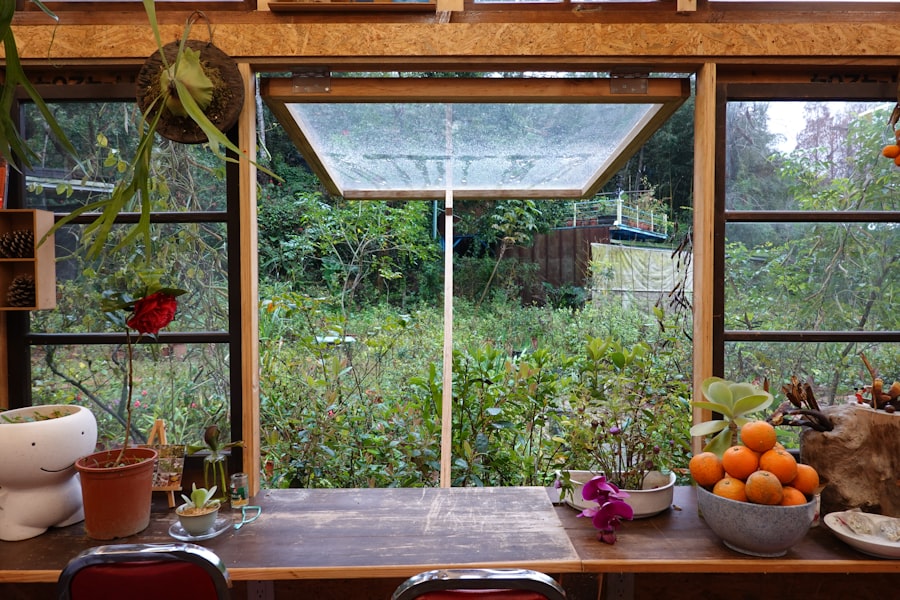
Natural light and ventilation are essential components of sustainable kitchen design that contribute to both energy efficiency and occupant well-being. Maximising natural light reduces the need for artificial lighting during daylight hours, thereby conserving energy. Large windows or skylights can be strategically placed to allow sunlight to flood the kitchen space while providing beautiful views of the outdoors.
Additionally, using light-coloured materials for walls and cabinetry can help reflect natural light throughout the room. Ventilation is equally important in maintaining indoor air quality and comfort levels within the kitchen. Proper ventilation systems help remove cooking odours, moisture, and pollutants from the air, creating a healthier environment for occupants.
Incorporating operable windows or installing energy-efficient range hoods can enhance airflow while reducing reliance on mechanical systems. By prioritising natural light and ventilation in kitchen design, homeowners can create inviting spaces that promote health and sustainability.
Creating a stylish yet sustainable kitchen requires thoughtful planning and consideration of various elements. One effective strategy is to embrace a minimalist design approach that prioritises functionality over excess ornamentation. This not only reduces material consumption but also creates a clean and timeless aesthetic that can adapt to changing trends over time.
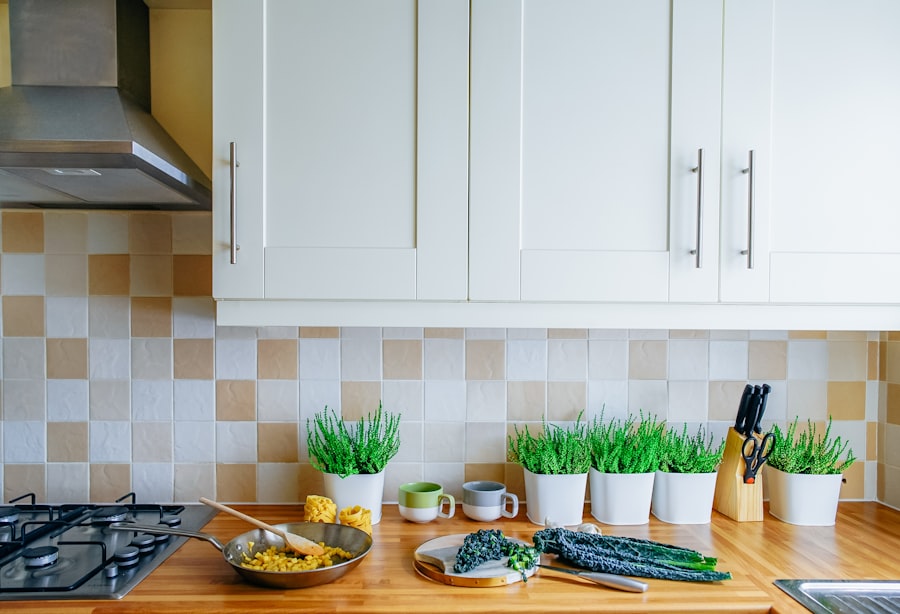
Choosing a neutral colour palette with natural textures can further enhance this minimalist approach while providing a warm and inviting atmosphere. Incorporating plants into the kitchen design can also contribute to both style and sustainability. Indoor herbs or small potted plants not only add visual interest but also improve air quality by filtering toxins from the environment.
Furthermore, growing your own herbs can reduce reliance on store-bought products packaged in plastic containers, aligning with eco-friendly principles. By combining thoughtful design choices with sustainable practices, homeowners can create kitchens that are both beautiful and environmentally responsible, reflecting their commitment to sustainability without sacrificing style or comfort.
In the realm of sustainable kitchen designs, incorporating eco-friendly materials is paramount for creating a space that is both stylish and environmentally conscious. A related article that delves into innovative storage solutions is Under Stairs Cabinet Ideas: Turning Wasted Space into Useful Storage. This piece explores how to maximise every inch of your home, which is a crucial aspect of sustainable design. By efficiently utilising space, you can reduce the need for additional materials and minimise waste, aligning perfectly with the principles of eco-friendly living.
Sustainable kitchen designs are those that incorporate eco-friendly materials, energy-efficient appliances, and water-saving fixtures to reduce the environmental impact of the kitchen.
Eco-friendly materials for sustainable kitchen designs include bamboo, reclaimed wood, recycled glass, recycled metal, and low-VOC (volatile organic compound) paints and finishes.
Energy-efficient appliances consume less energy, reducing the kitchen’s carbon footprint. They can include energy-efficient refrigerators, dishwashers, ovens, and stoves.
Water-saving fixtures in sustainable kitchen designs include low-flow faucets, aerators, and water-efficient dishwashers, which help conserve water and reduce water wastage.
Sustainable kitchen designs can contribute to a healthier indoor environment by using low-VOC paints and finishes, which reduce indoor air pollution, and by incorporating natural materials that are non-toxic and sustainable.
Incorporating sustainable kitchen designs can reduce energy and water consumption, lower utility bills, minimize environmental impact, and create a healthier indoor environment for the occupants.
Don’t Take Our Word For It
Aspec has recieved fantastic 5/5 Star Rating from its clients!
Professional from start to finish!
Wow! Omar was fantastic right from the very beginning! With 6 weeks to go until baby number 2s arrival, Omar delivered on his word to create a phenomenal outdoor kitchen for our alfresco area! It is exactly the vision we had in mind! We are so impressed with the workmanship and quality as well as the effort to get the work completed in such a tight timeframe. Very open and honest about pricing upfront also! Would highly recommend Omar and his team. The level of professionalism, honesty, workmanship and quality was spot on and always has time to discuss and go through any questions or concerns. Thank you A Spec Joinery for doing a fantastic job and in the short time we had to do it by! Particularly fitting us in a busy December!
Bianca M Vucetic
Professional from start to finish!
Great attentions to detail very informative throughout highly reccomend!
Mark, Double Bay
Professional from start to finish!
Omar installed a new kitchen for us. The process was easy and Omar kept in contact with us at all stages. The kitchen was installed in only a couple of days and looks fantastic. We’re very happy with the result.
Mat Pal
Professional from start to finish!
Omar was excellent to deal with. He and his team built and installed a large built-in wardrobe and cupboard, giving us good advice on the design. He was very professional in surveying the complex space for the units – it’s an older house with uneven floor and ceiling – and in preparing the design. His team constructed the units off-site within the time he indicated. Installation was complex and went very smoothly. The whole project was on time and on budget and the product delivered was of the highest quality. We would certainly use him again and recommend him to our friends.
Phillip Hart
Professional from start to finish!
Omar was fantastic to deal with and produced outstanding quality work for our new storage cupbaords and floating shelves. The final product was exactly what we wanted and made with care and attention. We highly recommend him for joinery and cabinetry works. Many thanks, Vince
Vincent Banton
Professional from start to finish!
Omar and his team are awesome. Professional, efficient and really went the extra mile creating beautiful joinery for my studio. Will definitely engage their services again and refer to anyone.
Carla Sconce
Professional from start to finish!
Dealt with Omar from A Spec on our office fit out, all work was done ahead of time and costs were maintained the whole way through. Would happily use A Spec again or recommend to anyone without hesitation.
Emanuel Karantonis
Professional from start to finish!
My experience with Omar and his team has been amazing and trouble-free.
Omar’s attention to detail and quick response time gave me comfort and confidence that the end product would be great.
Being in the construction industry, I couldn’t fault their workmanship and timing. Everything delivered on time and on budget.
Would definitely use Aspec Joinery again.
Ben Yee
Professional from start to finish!
Omar and the team at A Spec Joinery built our kitchen and bookshelves in 2021. The work is really high quality. It’s now 2024 and everything still looks great and functions just like the day they were built. I would highly recommend A Spec, particularly for the after build service. Nothing is too much trouble for Omar.
Alistair McLean
Professional from start to finish!
Omar and his team have worked wonders on all our joinery for our renovation, they constantly went above and beyond during all aspects of the build from planning to manufacturing and installation.
They have done an absolutely beautiful job and it is my pleasure to recommend A-Spec joinery to everyone.
Their professional attitude was exemplary and it was always lovely having Omar and the team in our house, they made an extremely stressful renovation into a positive experience.
A-Spec Joinery made our dreams come true and there are no words that can express how appreciative we are and so happy that we chose them.
If you want the best go with A-Spec Joinery.
Vincent & Anna
Vincent Jones
Professional from start to finish!
Paul Casey
Professional from start to finish!
Matt B
Professional from start to finish!
Our experience with A Spec Joinery was outstanding. We were happy with every phase of our project from initial concept to drawings to finished products. Omar and his team’s attention to detail was fantastic. Highly recommend!!!
Sharon Antonir
Professional from start to finish!
High quality work, on time on budget very professional would engage their services again 100%. 2yrs on asked Omar for additional work and once again very professional, on time and very helpful.
Maurice Natoli