In small bedrooms, the challenge of maximising storage space is often paramount. The limited square footage can make it difficult to find a balance between functionality and aesthetics. One effective strategy is to utilise vertical space. This can be achieved by installing shelves above the bed or using tall bookcases that reach up to the ceiling. Such solutions not only provide additional storage but also draw the eye upwards, creating an illusion of height in the room. Additionally, under-bed storage is a practical option; utilising boxes or drawers that slide easily beneath the bed can help keep seasonal clothing or extra bedding out of sight while still being accessible.
Another approach to maximising storage is to incorporate multi-functional furniture. Beds with built-in drawers or ottomans that open up for storage can significantly reduce clutter. Furthermore, wall-mounted hooks or pegboards can serve as both decorative elements and functional storage for items like bags, hats, or accessories. By carefully selecting furniture that serves dual purposes, one can create a more organised and spacious environment without sacrificing style. It is essential to consider the layout of the room and how each piece of furniture interacts with the overall design to ensure that the space remains inviting and practical.
For those looking to enhance their living spaces with stylish and practical wardrobe solutions, it may also be beneficial to explore how commercial environments can be transformed through effective design. A related article discusses the importance of utilising a leading fitout company to elevate your commercial space, showcasing innovative ideas that can inspire similar transformations in residential settings. You can read more about this topic in the article here: Elevate Your Commercial Space with a Leading Fitout Company.
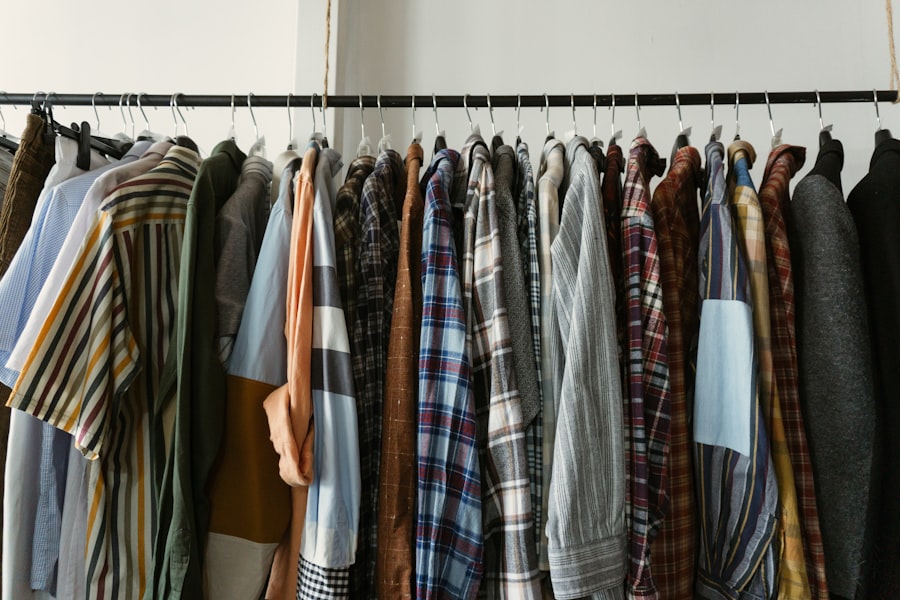
Open wardrobes present unique opportunities for creativity in clothing organisation. Unlike traditional closed wardrobes, open systems allow for visibility and accessibility, which can be both a blessing and a challenge. One effective method is to categorise clothing by type or colour, making it easier to locate specific items quickly. Using matching hangers can also create a cohesive look, while clear storage bins can help keep smaller items organised and visible. This approach not only enhances functionality but also transforms the wardrobe into a visually appealing display.
In addition to categorisation, incorporating decorative elements can elevate the aesthetic of an open wardrobe. Adding fabric bins or baskets can provide a stylish way to store accessories or shoes while maintaining a tidy appearance. Furthermore, incorporating a few decorative pieces, such as framed photos or plants, can personalise the space and make it feel more inviting. By blending organisation with personal style, open wardrobes can become a focal point in the bedroom rather than merely a utilitarian space.
Shoe storage can often become a point of contention in many households, particularly when space is limited. However, there are numerous stylish solutions that cater to both functionality and design. One popular option is the use of shoe racks that can be placed in entryways or closets. These racks come in various styles, from minimalist designs to more ornate options, allowing homeowners to choose one that complements their decor. Additionally, over-the-door shoe organisers can maximise vertical space while keeping shoes easily accessible.
For those looking to make a statement, consider using decorative boxes or baskets to store shoes. These containers can be placed on shelves or under benches, providing an attractive way to conceal footwear while maintaining an organised appearance. Another innovative solution is to repurpose furniture; for instance, an old ladder can be transformed into a unique shoe display by placing shoes on each rung. By thinking creatively about shoe storage, one can maintain an orderly home while showcasing personal style.
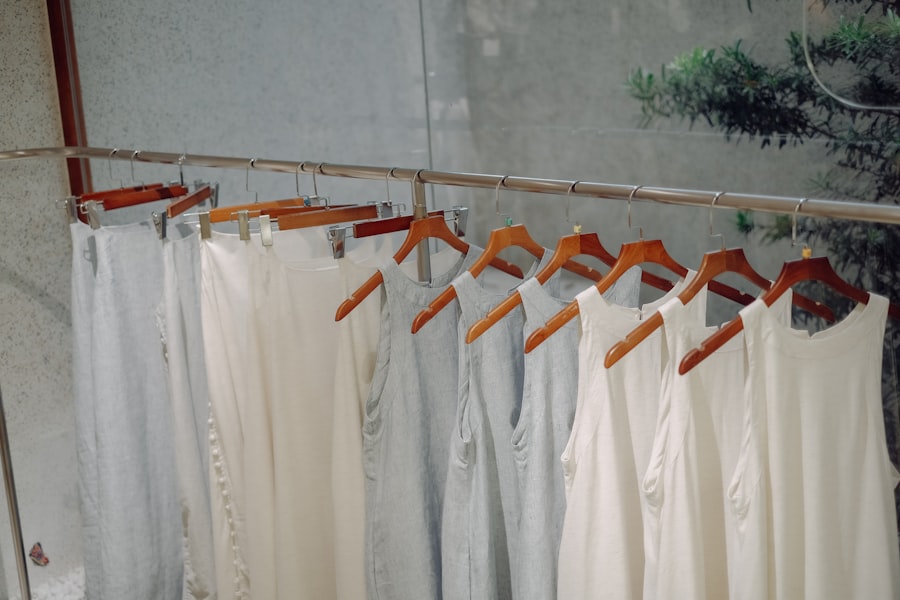
Building a capsule wardrobe involves curating a collection of essential clothing items that can be mixed and matched to create various outfits.
The concept promotes simplicity and sustainability by encouraging individuals to invest in quality pieces rather than quantity.
To begin, it is crucial to assess one’s lifestyle and identify key pieces that are versatile and suitable for different occasions. This may include classic items such as a tailored blazer, well-fitting jeans, and neutral tops that can be dressed up or down.
Once the foundational pieces are established, it is important to consider colour palettes and patterns that complement one another. A cohesive colour scheme allows for greater flexibility in outfit combinations while ensuring that each piece works harmoniously with others. Additionally, incorporating seasonal items can enhance the capsule wardrobe’s versatility; however, it is essential to rotate these pieces thoughtfully to maintain relevance throughout the year. By focusing on quality over quantity and selecting items that reflect personal style, individuals can create a functional and stylish capsule wardrobe.
For those looking to enhance their living spaces, a recent article on transforming small kitchens with stylish renovations offers valuable insights that complement the ideas presented in Stylish and Practical Wardrobe Solutions for Every Home.
By exploring innovative designs and clever storage solutions, homeowners can create a harmonious balance between functionality and aesthetics.
You can read more about these transformative ideas in the article on small kitchen renovations.
Handbags and accessories often require thoughtful storage solutions to prevent clutter and damage. One effective method is to use dedicated shelving or hooks specifically designed for handbags. Wall-mounted hooks can display bags in an organised manner while adding a decorative touch to the room. For those with limited wall space, consider using tiered shelving units that allow for easy access while keeping bags visible.
In addition to shelving solutions, utilising dust bags or clear containers can protect handbags from dust and scratches while maintaining visibility. For smaller accessories such as scarves or jewellery, drawer organisers or decorative trays can keep items neatly arranged and easily accessible. By implementing these clever storage solutions, one can ensure that handbags and accessories remain in excellent condition while contributing to an organised living space.
Customising closet systems allows individuals to tailor their storage solutions according to personal preferences and needs. The first step in this process is assessing the available space and determining what items require storage. This may include clothing, shoes, accessories, or even seasonal items. Once the requirements are established, individuals can explore various closet system options ranging from modular shelving units to built-in cabinetry.
Incorporating personal style into closet design is equally important. Choosing finishes, colours, and hardware that reflect individual taste can transform a functional space into an extension of one’s home decor. Additionally, integrating lighting solutions such as LED strips or spotlights can enhance visibility while adding an element of sophistication. By customising closet systems thoughtfully, individuals can create an organised environment that aligns with their lifestyle and aesthetic preferences.
Organising children’s wardrobes presents unique challenges due to the ever-changing nature of children’s clothing needs and preferences. One effective strategy is to involve children in the organisation process; teaching them how to sort their clothes by size or season fosters responsibility and independence. Using labelled bins or drawers can also help children understand where their items belong, making it easier for them to maintain order.
Another practical tip is to implement a rotation system for clothing as children grow. Regularly assessing what fits and what does not ensures that wardrobes remain functional and clutter-free. Additionally, incorporating fun elements such as colourful hangers or themed storage bins can make the organisation process more engaging for children. By creating an organised wardrobe that accommodates growth and encourages participation, parents can instil valuable habits in their children.
Sustainability has become an increasingly important consideration in wardrobe management. Eco-friendly wardrobe solutions focus on reducing waste and promoting responsible consumption practices. One approach is to invest in high-quality clothing made from sustainable materials that are designed to last longer than fast fashion alternatives. This not only reduces environmental impact but also encourages mindful purchasing habits.
Another sustainable practice involves recycling or upcycling old clothing items rather than discarding them. Many organisations accept donations of gently used clothing, while others offer services for repurposing items into new garments or accessories. Additionally, implementing a clothing swap with friends or family can provide fresh additions to one’s wardrobe without contributing to waste. By embracing sustainable practices in wardrobe management, individuals can contribute positively to environmental conservation while maintaining personal style.
Stylish and practical wardrobe solutions typically combine aesthetic appeal with functionality. They often include adjustable shelving, efficient use of space, durable materials, and designs that complement the room’s décor. Features like built-in lighting, sliding doors, and modular components enhance both style and practicality.
To maximise storage in a small wardrobe, use vertical space with tall shelving units, install hooks or hanging organisers for accessories, and opt for multi-functional furniture such as wardrobes with drawers or pull-out racks. Using slimline hangers and organising items by category also helps to keep the space tidy and efficient.
Common materials for durable and stylish wardrobes include solid wood, MDF with veneer finishes, and metal frames. Solid wood offers longevity and a classic look, while MDF with veneers can provide a modern finish at a lower cost. Metal elements add strength and a contemporary edge to the design.
Built-in wardrobes are often more practical as they can be customised to fit the exact dimensions of a room, maximising storage space and creating a seamless look. However, freestanding wardrobes offer flexibility and can be moved or replaced more easily, which may suit renters or those who frequently redecorate.
Regularly declutter and organise the contents to prevent overcrowding. Clean surfaces with appropriate products to avoid damage, and check hardware such as hinges and handles for any needed repairs. Using moisture absorbers can help prevent mould and keep clothes fresh, ensuring the wardrobe remains both stylish and practical.
Don’t Take Our Word For It
Aspec has recieved fantastic 5/5 Star Rating from its clients!
Professional from start to finish!
Wow! Omar was fantastic right from the very beginning! With 6 weeks to go until baby number 2s arrival, Omar delivered on his word to create a phenomenal outdoor kitchen for our alfresco area! It is exactly the vision we had in mind! We are so impressed with the workmanship and quality as well as the effort to get the work completed in such a tight timeframe. Very open and honest about pricing upfront also! Would highly recommend Omar and his team. The level of professionalism, honesty, workmanship and quality was spot on and always has time to discuss and go through any questions or concerns. Thank you A Spec Joinery for doing a fantastic job and in the short time we had to do it by! Particularly fitting us in a busy December!
Bianca M Vucetic
Professional from start to finish!
Great attentions to detail very informative throughout highly reccomend!
Mark, Double Bay
Professional from start to finish!
Omar installed a new kitchen for us. The process was easy and Omar kept in contact with us at all stages. The kitchen was installed in only a couple of days and looks fantastic. We’re very happy with the result.
Mat Pal
Professional from start to finish!
Omar was excellent to deal with. He and his team built and installed a large built-in wardrobe and cupboard, giving us good advice on the design. He was very professional in surveying the complex space for the units – it’s an older house with uneven floor and ceiling – and in preparing the design. His team constructed the units off-site within the time he indicated. Installation was complex and went very smoothly. The whole project was on time and on budget and the product delivered was of the highest quality. We would certainly use him again and recommend him to our friends.
Phillip Hart
Professional from start to finish!
Omar was fantastic to deal with and produced outstanding quality work for our new storage cupbaords and floating shelves. The final product was exactly what we wanted and made with care and attention. We highly recommend him for joinery and cabinetry works. Many thanks, Vince
Vincent Banton
Professional from start to finish!
Omar and his team are awesome. Professional, efficient and really went the extra mile creating beautiful joinery for my studio. Will definitely engage their services again and refer to anyone.
Carla Sconce
Professional from start to finish!
Dealt with Omar from A Spec on our office fit out, all work was done ahead of time and costs were maintained the whole way through. Would happily use A Spec again or recommend to anyone without hesitation.
Emanuel Karantonis
Professional from start to finish!
My experience with Omar and his team has been amazing and trouble-free.
Omar’s attention to detail and quick response time gave me comfort and confidence that the end product would be great.
Being in the construction industry, I couldn’t fault their workmanship and timing. Everything delivered on time and on budget.
Would definitely use Aspec Joinery again.
Ben Yee
Professional from start to finish!
Omar and the team at A Spec Joinery built our kitchen and bookshelves in 2021. The work is really high quality. It’s now 2024 and everything still looks great and functions just like the day they were built. I would highly recommend A Spec, particularly for the after build service. Nothing is too much trouble for Omar.
Alistair McLean
Professional from start to finish!
Omar and his team have worked wonders on all our joinery for our renovation, they constantly went above and beyond during all aspects of the build from planning to manufacturing and installation.
They have done an absolutely beautiful job and it is my pleasure to recommend A-Spec joinery to everyone.
Their professional attitude was exemplary and it was always lovely having Omar and the team in our house, they made an extremely stressful renovation into a positive experience.
A-Spec Joinery made our dreams come true and there are no words that can express how appreciative we are and so happy that we chose them.
If you want the best go with A-Spec Joinery.
Vincent & Anna
Vincent Jones
Professional from start to finish!
Paul Casey
Professional from start to finish!
Matt B
Professional from start to finish!
Our experience with A Spec Joinery was outstanding. We were happy with every phase of our project from initial concept to drawings to finished products. Omar and his team’s attention to detail was fantastic. Highly recommend!!!
Sharon Antonir
Professional from start to finish!
High quality work, on time on budget very professional would engage their services again 100%. 2yrs on asked Omar for additional work and once again very professional, on time and very helpful.
Maurice Natoli