In the quest for a more organised living environment, maximising storage space is paramount. The challenge often lies in the limited square footage of modern homes, particularly in urban settings where every inch counts.
For instance, utilising under-bed storage can significantly increase available space. Bed frames with built-in drawers or containers that slide beneath the bed can house seasonal clothing, shoes, or even extra bedding, effectively turning an often-overlooked area into a functional storage unit. Moreover, vertical storage solutions can be employed to make the most of wall space.
Wall-mounted shelves, hooks, and pegboards can transform bare walls into organised displays for books, kitchen utensils, or decorative items. This not only frees up floor space but also adds an aesthetic element to the room. By carefully selecting what to display and what to store away, one can create a harmonious balance between functionality and style.
A prime example is the sofa bed, which seamlessly transitions from a comfortable seating area during the day to a cosy sleeping space at night. This dual functionality is particularly beneficial for those who frequently host guests or live in compact apartments where space is at a premium.
Another innovative piece of multi-functional furniture is the ottoman that doubles as storage. These stylish yet practical items can be used as footrests or additional seating while providing a hidden compartment for blankets, magazines, or toys.
By incorporating such furniture into a home, individuals can create a more flexible living environment that adapts to their needs. The beauty of multi-functional furniture lies in its ability to combine practicality with aesthetic appeal, allowing homeowners to maintain a chic and organised space without feeling cramped.
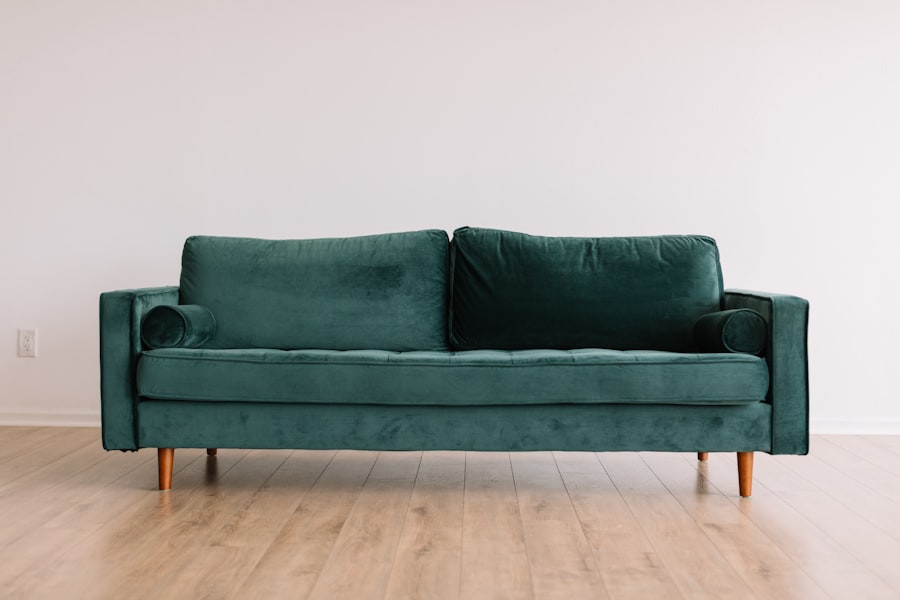
Built-in shelving is an excellent solution for those looking to optimise their storage while enhancing the overall design of their home. Unlike freestanding shelves, built-in options can be customised to fit specific spaces and needs, making them ideal for awkward corners or niches that would otherwise go unused. For example, a built-in bookshelf can be designed to span an entire wall, providing ample space for books and decorative items while also serving as a focal point in the room.
Additionally, built-in shelving can be integrated with other elements of the home, such as seating or lighting. A window seat with built-in shelves on either side not only creates a cosy reading nook but also maximises storage potential. This approach allows homeowners to utilise vertical space effectively while maintaining a cohesive design throughout their living areas.
By investing in built-in shelving, individuals can create a tailored solution that meets their specific storage needs while enhancing the overall aesthetic of their home.
In many homes, vertical space is often underutilised, leading to cluttered surfaces and disorganised environments. By shifting focus upwards, homeowners can unlock a wealth of potential storage options that not only declutter but also enhance the visual appeal of their spaces. One effective method is to install tall cabinets or shelving units that reach the ceiling.
This approach allows for the storage of less frequently used items at higher levels while keeping everyday essentials within easy reach. Another innovative way to utilise vertical space is through the installation of wall-mounted racks or hooks. In kitchens, for instance, hanging pots and pans from a ceiling-mounted rack not only saves cabinet space but also adds an element of rustic charm.
Similarly, in entryways, wall hooks can provide a stylish solution for coats and bags while keeping floors clear. By thinking vertically and incorporating these strategies into their homes, individuals can create a more organised and visually appealing environment that maximises every inch of available space.
Fold-down tables and desks are ingenious solutions for those who require flexibility in their living spaces without compromising on functionality. These versatile pieces can be easily stowed away when not in use, making them ideal for small apartments or multi-purpose rooms. For example, a fold-down dining table can be mounted on a wall and extended when entertaining guests, then folded back up to free up floor space when not needed.
This adaptability allows homeowners to maintain an open and airy atmosphere while still accommodating social gatherings. In addition to dining tables, fold-down desks have become increasingly popular among remote workers and students alike. A wall-mounted desk can provide a dedicated workspace that can be tucked away when not in use, preventing the home from feeling cluttered with office supplies and paperwork.
This type of furniture not only maximises space but also encourages productivity by creating a designated area for work or study. By incorporating fold-down tables and desks into their homes, individuals can enjoy the benefits of functionality without sacrificing valuable living space.
Sliding doors and room dividers offer an elegant solution for creating distinct areas within open-plan living spaces while maintaining an airy feel. Unlike traditional doors that require clearance to swing open, sliding doors glide along tracks, allowing for seamless transitions between rooms without encroaching on valuable floor space. This feature is particularly advantageous in smaller homes where every inch matters; sliding doors can separate living areas from bedrooms or home offices without overwhelming the layout.
Room dividers serve a similar purpose by providing flexibility in how spaces are utilised. For instance, a decorative screen can be used to separate a dining area from a living room while adding visual interest to the decor. Alternatively, bookshelves can act as functional dividers that provide both storage and separation between spaces.
By incorporating sliding doors and room dividers into their designs, homeowners can create versatile environments that adapt to their needs while maintaining an open and inviting atmosphere.
Hidden storage solutions are an ingenious way to keep homes organised while preserving aesthetics. These clever designs allow homeowners to conceal clutter without sacrificing style or functionality. One popular example is furniture with built-in storage compartments; beds with drawers underneath or coffee tables with lift-tops provide ample space for stowing away items like blankets or board games while remaining visually appealing.
Another effective hidden storage solution is the use of false walls or concealed cabinets. For instance, a false wall can be designed to blend seamlessly with existing decor while housing shelves or cabinets behind it. This approach not only maximises storage potential but also creates an element of surprise within the home.
By integrating hidden storage solutions into their designs, individuals can maintain a clean and organised environment without compromising on style or comfort.
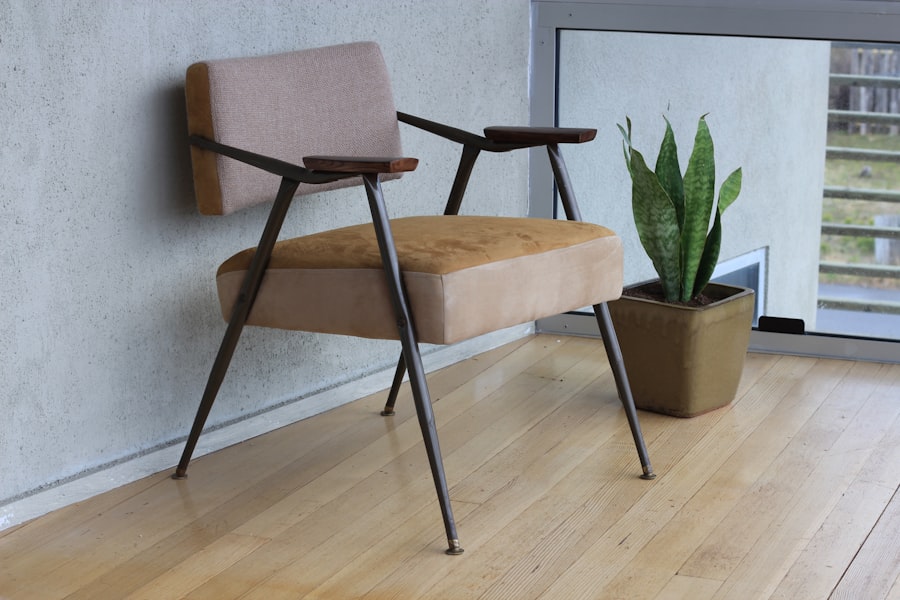
The trend towards compact and customised furniture has gained momentum as more people seek tailored solutions for their unique living situations. Compact furniture pieces are designed specifically for smaller spaces without sacrificing comfort or style. For example, chairs with slim profiles or nesting tables that tuck away when not in use allow homeowners to maximise their available square footage while still enjoying functional furnishings.
Customised furniture takes this concept a step further by allowing individuals to design pieces that fit their specific needs and preferences. Whether it’s a bespoke sofa that fits perfectly into an alcove or a custom-built wardrobe that utilises every inch of available space, tailored solutions ensure that homeowners make the most of their environments. By investing in compact and customised furniture, individuals can create spaces that reflect their personal style while optimising functionality in even the smallest of homes.
If you are looking for more smart joinery ideas for small living areas, you may want to check out this article on display cabinets. Display cabinets can be a great way to maximise storage space while also adding a stylish touch to your home. Additionally, you may find this article on maximising space with stylish built-in robes helpful for creating more storage solutions in your small living area. And if you are considering a kitchen renovation, be sure to read this article on how to choose the right kitchen cabinets to ensure you make the most of your space.
Some smart joinery ideas for small living areas include built-in storage solutions, multi-functional furniture, and space-saving designs such as wall-mounted shelves and fold-down tables.
Built-in storage solutions can help maximise space in small living areas by utilising otherwise unused areas such as under stairs, alcoves, and wall cavities. This can help reduce clutter and create a more organised living space.
Examples of multi-functional furniture for small living areas include sofa beds, ottomans with storage, and coffee tables with lift-up tops. These pieces of furniture can serve dual purposes, such as providing seating and storage, or transforming into a bed when needed.
Wall-mounted shelves and fold-down tables can help save space in small living areas by providing storage and work surfaces that can be easily folded away when not in use. This can help create a more versatile living space that can adapt to different needs.
When implementing smart joinery ideas in small living areas, it’s important to consider the overall design and functionality of the space, as well as the specific needs and preferences of the occupants. It’s also important to maximise natural light and create a sense of openness to avoid the space feeling cramped.
Don’t Take Our Word For It
Aspec has recieved fantastic 5/5 Star Rating from its clients!
Professional from start to finish!
Wow! Omar was fantastic right from the very beginning! With 6 weeks to go until baby number 2s arrival, Omar delivered on his word to create a phenomenal outdoor kitchen for our alfresco area! It is exactly the vision we had in mind! We are so impressed with the workmanship and quality as well as the effort to get the work completed in such a tight timeframe. Very open and honest about pricing upfront also! Would highly recommend Omar and his team. The level of professionalism, honesty, workmanship and quality was spot on and always has time to discuss and go through any questions or concerns. Thank you A Spec Joinery for doing a fantastic job and in the short time we had to do it by! Particularly fitting us in a busy December!
Bianca M Vucetic
Professional from start to finish!
Great attentions to detail very informative throughout highly reccomend!
Mark, Double Bay
Professional from start to finish!
Omar installed a new kitchen for us. The process was easy and Omar kept in contact with us at all stages. The kitchen was installed in only a couple of days and looks fantastic. We’re very happy with the result.
Mat Pal
Professional from start to finish!
Omar was excellent to deal with. He and his team built and installed a large built-in wardrobe and cupboard, giving us good advice on the design. He was very professional in surveying the complex space for the units – it’s an older house with uneven floor and ceiling – and in preparing the design. His team constructed the units off-site within the time he indicated. Installation was complex and went very smoothly. The whole project was on time and on budget and the product delivered was of the highest quality. We would certainly use him again and recommend him to our friends.
Phillip Hart
Professional from start to finish!
Omar was fantastic to deal with and produced outstanding quality work for our new storage cupbaords and floating shelves. The final product was exactly what we wanted and made with care and attention. We highly recommend him for joinery and cabinetry works. Many thanks, Vince
Vincent Banton
Professional from start to finish!
Omar and his team are awesome. Professional, efficient and really went the extra mile creating beautiful joinery for my studio. Will definitely engage their services again and refer to anyone.
Carla Sconce
Professional from start to finish!
Dealt with Omar from A Spec on our office fit out, all work was done ahead of time and costs were maintained the whole way through. Would happily use A Spec again or recommend to anyone without hesitation.
Emanuel Karantonis
Professional from start to finish!
My experience with Omar and his team has been amazing and trouble-free.
Omar’s attention to detail and quick response time gave me comfort and confidence that the end product would be great.
Being in the construction industry, I couldn’t fault their workmanship and timing. Everything delivered on time and on budget.
Would definitely use Aspec Joinery again.
Ben Yee
Professional from start to finish!
Omar and the team at A Spec Joinery built our kitchen and bookshelves in 2021. The work is really high quality. It’s now 2024 and everything still looks great and functions just like the day they were built. I would highly recommend A Spec, particularly for the after build service. Nothing is too much trouble for Omar.
Alistair McLean
Professional from start to finish!
Omar and his team have worked wonders on all our joinery for our renovation, they constantly went above and beyond during all aspects of the build from planning to manufacturing and installation.
They have done an absolutely beautiful job and it is my pleasure to recommend A-Spec joinery to everyone.
Their professional attitude was exemplary and it was always lovely having Omar and the team in our house, they made an extremely stressful renovation into a positive experience.
A-Spec Joinery made our dreams come true and there are no words that can express how appreciative we are and so happy that we chose them.
If you want the best go with A-Spec Joinery.
Vincent & Anna
Vincent Jones
Professional from start to finish!
Paul Casey
Professional from start to finish!
Matt B
Professional from start to finish!
Our experience with A Spec Joinery was outstanding. We were happy with every phase of our project from initial concept to drawings to finished products. Omar and his team’s attention to detail was fantastic. Highly recommend!!!
Sharon Antonir
Professional from start to finish!
High quality work, on time on budget very professional would engage their services again 100%. 2yrs on asked Omar for additional work and once again very professional, on time and very helpful.
Maurice Natoli