Built-in wardrobe systems have become increasingly popular in contemporary interior design, offering a seamless blend of functionality and aesthetics. These bespoke solutions are tailored to fit the unique dimensions of a room, providing an efficient use of space that freestanding furniture often cannot match. Unlike traditional wardrobes, which can be bulky and may not utilise every inch of available space, built-in wardrobes are designed to integrate with the architecture of a home.
This integration not only enhances the overall look of a room but also maximises storage potential, making them an ideal choice for both small and large spaces. The appeal of built-in wardrobe systems lies in their versatility. They can be customised to suit individual needs, preferences, and styles, allowing homeowners to create a storage solution that reflects their personal taste while meeting practical requirements.
From sleek modern designs to more traditional styles, built-in wardrobes can be crafted to complement any interior decor. Furthermore, the ability to incorporate various features such as shelving, drawers, and hanging spaces means that these systems can be tailored to accommodate a wide range of items, from clothing and shoes to accessories and linens.
When embarking on the journey of designing a custom wardrobe, the first step is to assess the available space and determine the specific needs of the user.
It is essential to envision how the wardrobe will function in daily life; for instance, will it primarily store clothing, or will it also house shoes, bags, and other accessories?
Understanding these requirements will guide the design process and ensure that the final product is both practical and aesthetically pleasing. Once the functional requirements are established, the next phase involves selecting a design style that aligns with the overall decor of the room. This could range from minimalist designs with clean lines and neutral colours to more ornate styles featuring intricate detailing and rich finishes.
Additionally, it is crucial to consider the internal layout of the wardrobe. Customisation options may include adjustable shelving, pull-out drawers, and dedicated sections for hanging clothes. By thoughtfully planning these elements, homeowners can create a wardrobe that not only meets their storage needs but also enhances the visual appeal of their living space.
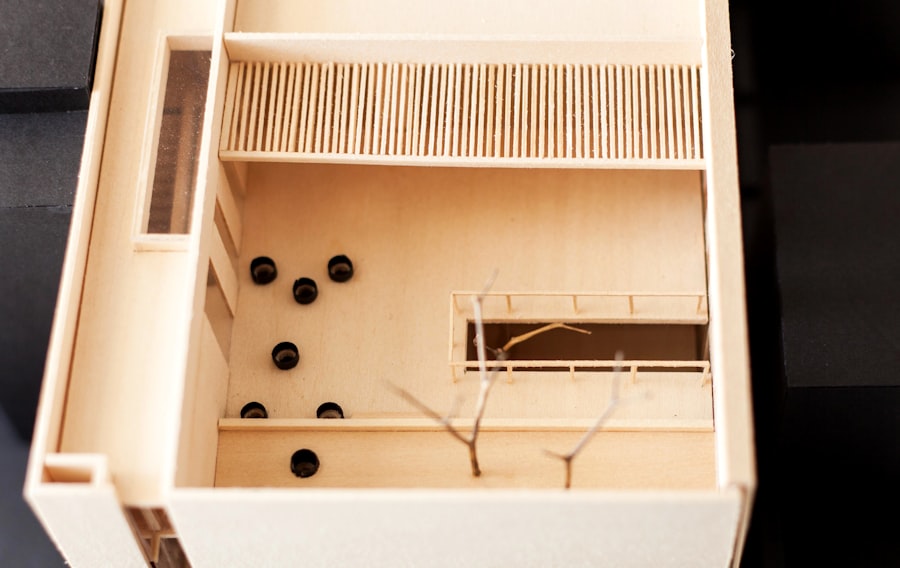
The choice of materials plays a pivotal role in the overall quality and durability of a built-in wardrobe system. Common materials include wood, laminate, and metal, each offering distinct advantages and aesthetic qualities. Solid wood is often favoured for its timeless appeal and robustness; it can be stained or painted to match any decor style.
However, it is essential to consider that solid wood can be more expensive than other materials and may require more maintenance over time. Laminate is another popular option due to its affordability and versatility. Available in a wide range of colours and finishes, laminate can mimic the appearance of wood while being more resistant to scratches and moisture.
This makes it an excellent choice for areas prone to humidity, such as bedrooms with en-suite bathrooms. Metal components can also be incorporated into wardrobe designs, particularly for hardware such as handles and hinges. These elements not only add a modern touch but also enhance durability and functionality.
One of the most significant advantages of built-in wardrobe systems is their ability to maximise storage space effectively. Unlike traditional wardrobes that may leave awkward gaps or underutilised areas, built-in solutions can be designed to fit snugly against walls and into corners, making use of every available inch. This is particularly beneficial in smaller rooms where space is at a premium.
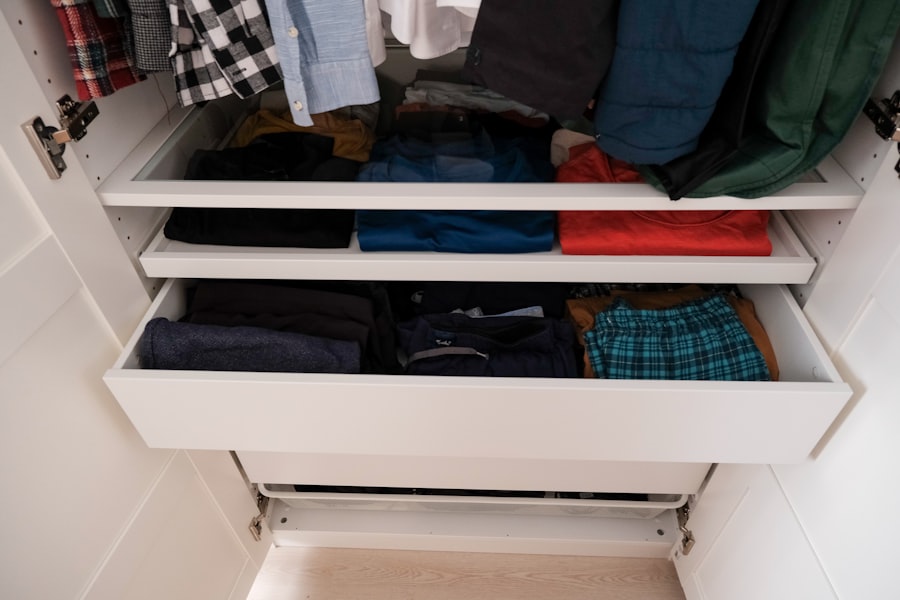
By extending the wardrobe from floor to ceiling, homeowners can take advantage of vertical space that would otherwise go unused. In addition to optimising physical space, built-in wardrobes can also incorporate clever storage solutions that enhance organisation. For instance, pull-out shoe racks can be installed at the bottom of the wardrobe, allowing easy access while keeping footwear neatly arranged.
Similarly, incorporating pull-out baskets or bins can help manage smaller items such as scarves or belts. Adjustable shelving allows users to modify the height of shelves based on their needs, accommodating everything from bulky winter coats to delicate blouses. By integrating these features into the design, built-in wardrobes can transform cluttered spaces into organised havens.
An efficiently organised wardrobe not only saves time but also enhances the overall user experience. To achieve this level of organisation, it is essential to categorise items based on their type and frequency of use. For example, everyday clothing should be easily accessible at eye level, while seasonal items can be stored on higher shelves or in less accessible areas.
This strategic placement ensures that users can quickly find what they need without rummaging through piles of clothing. Incorporating dividers within drawers can further enhance organisation by preventing items from becoming jumbled together. For instance, using dividers for accessories such as ties or jewellery can keep these items neatly separated and easy to locate.
Additionally, colour coding clothing within sections can provide a visually appealing way to organise garments while making it easier to coordinate outfits. By implementing these organisational strategies within a built-in wardrobe system, homeowners can create a functional space that promotes efficiency in daily routines.
Lighting plays a crucial role in enhancing both the functionality and aesthetic appeal of built-in wardrobes. Proper illumination allows users to see their clothing clearly, making it easier to select outfits without straining their eyes or searching through dark corners. LED strip lights are an excellent option for built-in wardrobes; they can be installed along shelves or inside hanging sections to provide bright, even lighting without taking up valuable space.
In addition to lighting, accessories such as mirrors and hooks can significantly enhance the usability of a wardrobe system. A full-length mirror integrated into the wardrobe doors allows users to check their outfits without needing additional floor space for a standalone mirror. Hooks on the inside of doors or on side panels provide convenient storage for bags or accessories that might otherwise clutter surfaces.
These thoughtful additions not only improve functionality but also contribute to a more polished overall look.
Maintaining a built-in wardrobe system is essential for ensuring its longevity and continued functionality. Regular cleaning is necessary to prevent dust accumulation and keep surfaces looking pristine. For wooden wardrobes, using a soft cloth along with appropriate wood cleaners can help preserve the finish while avoiding damage from harsh chemicals.
Laminate surfaces typically require less maintenance; however, they should still be wiped down regularly with a damp cloth to remove any stains or spills. In addition to cleaning, periodic checks on hardware such as hinges and drawer slides are advisable to ensure smooth operation. Over time, these components may require lubrication or tightening to maintain their functionality.
If any parts show signs of wear or damage, addressing these issues promptly can prevent more significant problems down the line. By investing time in maintenance, homeowners can enjoy their built-in wardrobes for many years without compromising on quality or appearance.
The journey towards creating a custom-built wardrobe system offers numerous benefits that extend beyond mere aesthetics. From maximising storage space to enhancing organisation and efficiency, these bespoke solutions cater specifically to individual needs while seamlessly integrating into existing interiors.
Ultimately, investing in a built-in wardrobe system is not just about creating additional storage; it is about enhancing daily life through thoughtful design and organisation. With proper planning and attention to detail, homeowners can transform their spaces into functional yet stylish environments that cater to their unique lifestyles. The satisfaction derived from a well-designed wardrobe system is immeasurable; it simplifies daily routines while adding value and elegance to any home.
To further enhance your understanding of how to optimise your living space, you may find the article on kitchen renovations particularly insightful. It discusses various factors that influence renovation costs and offers budgeting tips that can be beneficial when planning for built-in wardrobe systems. You can read more about it in the article Understanding Kitchen Renovation Price Factors, Estimates, and Budgeting Tips.
A built-in wardrobe system is a customised storage solution that is integrated into the structure of a room. Unlike freestanding wardrobes, these systems are designed to fit seamlessly within a designated space, maximising storage capacity and utilising every available inch efficiently.
Built-in wardrobes maximise space by being tailored to the specific dimensions of a room, often extending from floor to ceiling and wall to wall. They can include a variety of organisational features such as shelves, drawers, hanging rails, and compartments, allowing for optimal use of vertical and horizontal space.
Yes, built-in wardrobe systems are particularly beneficial for small rooms as they can be customised to fit awkward or limited spaces, reducing clutter and making the room appear larger by eliminating the need for additional furniture.
Absolutely. Built-in wardrobes can be fully customised in terms of size, layout, materials, finishes, and internal fittings to suit individual storage needs and aesthetic preferences.
Common materials include wood, MDF (medium-density fibreboard), laminate, and glass. The choice of material often depends on budget, desired style, and durability requirements.
Professional installation is recommended to ensure precise measurements, secure fitting, and a high-quality finish. Incorrect installation can lead to issues such as misalignment or reduced durability.
Costs vary widely depending on size, materials, complexity of design, and installation fees. It is advisable to obtain multiple quotes and consider long-term value when budgeting.
Yes, well-designed built-in wardrobes can enhance the appeal and functionality of a home, potentially increasing its market value by providing attractive and efficient storage solutions.
Built-in wardrobes are generally easy to maintain. Regular cleaning and occasional checks for any wear or damage will keep them in good condition. The choice of materials can also affect maintenance requirements.
While built-in wardrobes are designed to be permanent fixtures, they can be modified or removed if necessary. However, this may involve additional costs and potential repairs to the surrounding walls or flooring.
Don’t Take Our Word For It
Aspec has recieved fantastic 5/5 Star Rating from its clients!
Professional from start to finish!
Wow! Omar was fantastic right from the very beginning! With 6 weeks to go until baby number 2s arrival, Omar delivered on his word to create a phenomenal outdoor kitchen for our alfresco area! It is exactly the vision we had in mind! We are so impressed with the workmanship and quality as well as the effort to get the work completed in such a tight timeframe. Very open and honest about pricing upfront also! Would highly recommend Omar and his team. The level of professionalism, honesty, workmanship and quality was spot on and always has time to discuss and go through any questions or concerns. Thank you A Spec Joinery for doing a fantastic job and in the short time we had to do it by! Particularly fitting us in a busy December!
Bianca M Vucetic
Professional from start to finish!
Great attentions to detail very informative throughout highly reccomend!
Mark, Double Bay
Professional from start to finish!
Omar installed a new kitchen for us. The process was easy and Omar kept in contact with us at all stages. The kitchen was installed in only a couple of days and looks fantastic. We’re very happy with the result.
Mat Pal
Professional from start to finish!
Omar was excellent to deal with. He and his team built and installed a large built-in wardrobe and cupboard, giving us good advice on the design. He was very professional in surveying the complex space for the units – it’s an older house with uneven floor and ceiling – and in preparing the design. His team constructed the units off-site within the time he indicated. Installation was complex and went very smoothly. The whole project was on time and on budget and the product delivered was of the highest quality. We would certainly use him again and recommend him to our friends.
Phillip Hart
Professional from start to finish!
Omar was fantastic to deal with and produced outstanding quality work for our new storage cupbaords and floating shelves. The final product was exactly what we wanted and made with care and attention. We highly recommend him for joinery and cabinetry works. Many thanks, Vince
Vincent Banton
Professional from start to finish!
Omar and his team are awesome. Professional, efficient and really went the extra mile creating beautiful joinery for my studio. Will definitely engage their services again and refer to anyone.
Carla Sconce
Professional from start to finish!
Dealt with Omar from A Spec on our office fit out, all work was done ahead of time and costs were maintained the whole way through. Would happily use A Spec again or recommend to anyone without hesitation.
Emanuel Karantonis
Professional from start to finish!
My experience with Omar and his team has been amazing and trouble-free.
Omar’s attention to detail and quick response time gave me comfort and confidence that the end product would be great.
Being in the construction industry, I couldn’t fault their workmanship and timing. Everything delivered on time and on budget.
Would definitely use Aspec Joinery again.
Ben Yee
Professional from start to finish!
Omar and the team at A Spec Joinery built our kitchen and bookshelves in 2021. The work is really high quality. It’s now 2024 and everything still looks great and functions just like the day they were built. I would highly recommend A Spec, particularly for the after build service. Nothing is too much trouble for Omar.
Alistair McLean
Professional from start to finish!
Omar and his team have worked wonders on all our joinery for our renovation, they constantly went above and beyond during all aspects of the build from planning to manufacturing and installation.
They have done an absolutely beautiful job and it is my pleasure to recommend A-Spec joinery to everyone.
Their professional attitude was exemplary and it was always lovely having Omar and the team in our house, they made an extremely stressful renovation into a positive experience.
A-Spec Joinery made our dreams come true and there are no words that can express how appreciative we are and so happy that we chose them.
If you want the best go with A-Spec Joinery.
Vincent & Anna
Vincent Jones
Professional from start to finish!
Paul Casey
Professional from start to finish!
Matt B
Professional from start to finish!
Our experience with A Spec Joinery was outstanding. We were happy with every phase of our project from initial concept to drawings to finished products. Omar and his team’s attention to detail was fantastic. Highly recommend!!!
Sharon Antonir
Professional from start to finish!
High quality work, on time on budget very professional would engage their services again 100%. 2yrs on asked Omar for additional work and once again very professional, on time and very helpful.
Maurice Natoli