The layout of a kitchen is paramount in determining its functionality and efficiency. A well-planned kitchen layout not only enhances the cooking experience but also maximises the available space, making it easier to navigate and work within. The classic work triangle concept, which positions the sink, stove, and refrigerator in a triangular formation, remains a cornerstone of effective kitchen design.
This arrangement minimises unnecessary movement, allowing for a seamless workflow. For instance, when preparing a meal, having these three essential components within easy reach can significantly reduce the time spent moving between them, thus streamlining the cooking process. In smaller kitchens, where space is at a premium, innovative layouts such as galley or L-shaped designs can be particularly advantageous.
A galley kitchen, characterised by two parallel countertops, optimises narrow spaces by providing ample workspace while maintaining accessibility. This design encourages efficient movement and can be enhanced with open shelving or wall-mounted storage to further utilise vertical space. Alternatively, an L-shaped kitchen can create a more open feel, allowing for additional seating or dining areas.
By carefully considering the layout and flow of the kitchen, homeowners can create a space that not only meets their culinary needs but also feels inviting and functional.
A cluttered kitchen can quickly become overwhelming, making it difficult to find essential tools and ingredients when needed. Therefore, implementing functional storage solutions is crucial for maintaining an organised and efficient cooking environment. One effective strategy is to incorporate multi-functional furniture, such as islands with built-in storage or benches that double as cabinets.
These pieces not only provide additional workspace but also offer hidden compartments for stowing away pots, pans, and other kitchen essentials. In addition to furniture solutions, utilising vertical space through wall-mounted shelves or pegboards can significantly enhance storage capabilities. By elevating items off the countertops and placing them within easy reach, homeowners can create a more spacious and organised kitchen.
Drawer dividers and pull-out racks can also be employed to keep utensils and spices neatly arranged, ensuring that everything has its designated place. This level of organisation not only improves efficiency but also contributes to a more aesthetically pleasing environment, where every item is easily accessible and visually appealing.
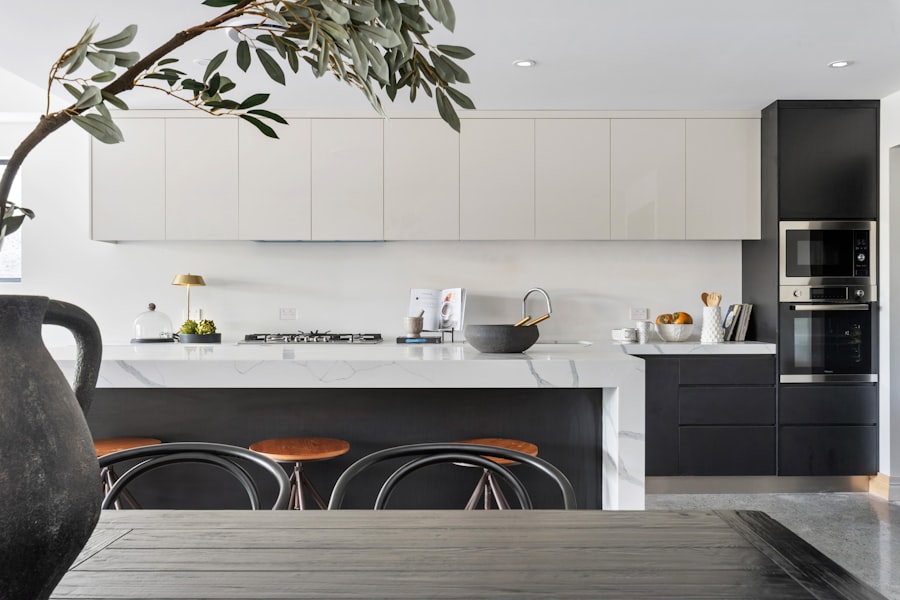
The integration of smart appliances into the kitchen has revolutionised the way we cook and manage our culinary tasks. These innovative devices offer a range of features designed to simplify cooking processes and enhance overall efficiency. For example, smart ovens equipped with Wi-Fi connectivity allow users to preheat their appliances remotely or monitor cooking progress via smartphone apps.
This level of control means that meals can be prepared with precision, even when one is not physically present in the kitchen. Moreover, smart refrigerators equipped with touch screens can help streamline grocery management by tracking inventory and suggesting recipes based on available ingredients. This not only reduces food waste but also encourages more creative meal planning.
Additionally, appliances such as smart dishwashers can be programmed to run during off-peak energy hours, contributing to energy savings while ensuring that dishes are cleaned efficiently. By embracing smart appliance integration, homeowners can transform their kitchens into hubs of modern convenience that cater to their busy lifestyles.
Countertops serve as the focal point of any kitchen, combining functionality with aesthetic appeal. The choice of material is critical in determining both the durability and style of the space. Popular options include granite, quartz, and butcher block, each offering unique benefits tailored to different cooking styles and preferences.
Granite countertops are renowned for their durability and resistance to heat and scratches, making them ideal for avid cooks who require a robust surface for food preparation. On the other hand, quartz countertops provide a non-porous surface that is easy to clean and maintain, making them an excellent choice for busy households. Their wide range of colours and patterns allows homeowners to select a design that complements their overall kitchen aesthetic.
Butcher block countertops offer a warm, rustic charm while providing a functional surface for chopping and food preparation. However, they do require regular maintenance to prevent damage from moisture and stains. Ultimately, selecting the right countertop material involves balancing practicality with personal style preferences to create a cohesive and functional kitchen environment.
Effective lighting and ventilation are essential components of a well-designed kitchen that contribute significantly to both functionality and comfort. A well-lit kitchen not only enhances visibility during food preparation but also creates an inviting atmosphere for family gatherings or entertaining guests. Layered lighting solutions that combine ambient, task, and accent lighting can achieve this effect.
Ventilation is equally important in maintaining air quality within the kitchen. Cooking generates heat, smoke, and odours that can linger if not properly managed.
Installing a high-quality range hood can effectively remove these pollutants from the air while also adding a stylish element to the kitchen design. Additionally, incorporating windows or skylights can enhance natural light while providing fresh air circulation. By prioritising both lighting and ventilation in kitchen design, homeowners can create a bright, comfortable environment that enhances the overall cooking experience.
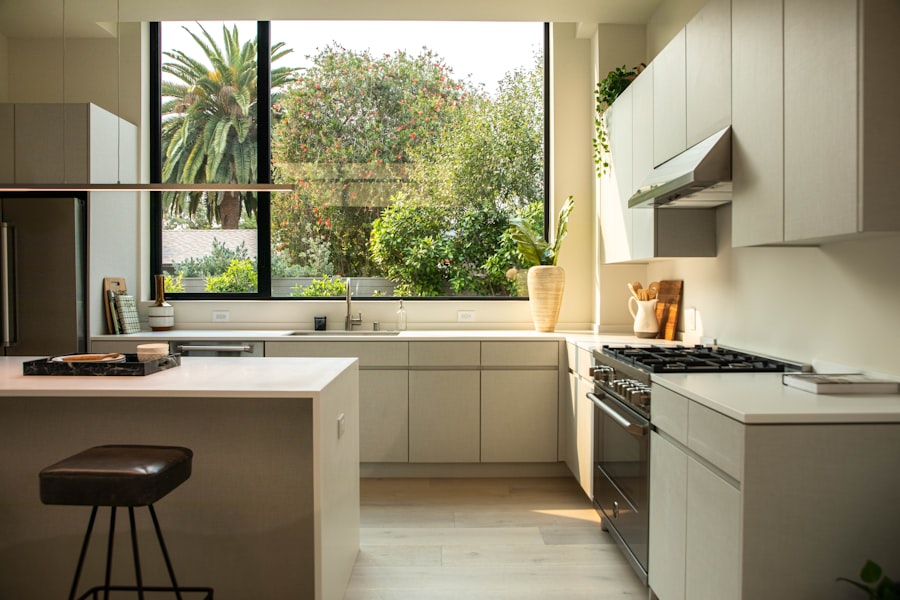
The modern kitchen is increasingly becoming a hub of technological innovation, with smart gadgets designed to enhance convenience and efficiency in everyday cooking tasks. From smart scales that provide precise measurements to connected thermometers that monitor cooking temperatures remotely, these devices are transforming how we approach meal preparation. For example, smart slow cookers allow users to adjust cooking times and temperatures via smartphone apps, enabling greater flexibility in meal planning.
Moreover, voice-activated assistants have found their way into kitchens, providing hands-free access to recipes, timers, and grocery lists. This integration of technology not only simplifies cooking processes but also allows for multitasking without compromising safety or efficiency. Additionally, smart coffee makers can be programmed to brew at specific times or controlled remotely, ensuring that a fresh cup of coffee is always ready when needed.
By incorporating these technological advancements into their kitchens, homeowners can enjoy a more streamlined cooking experience that aligns with their modern lifestyles.
As environmental concerns continue to rise, many homeowners are seeking sustainable solutions in their kitchen designs that minimise waste and energy consumption. One effective approach is to select energy-efficient appliances that carry certifications such as Energy Star. These appliances are designed to use less energy without sacrificing performance, contributing to lower utility bills while reducing environmental impact.
In addition to energy-efficient appliances, incorporating sustainable materials into kitchen design can further enhance eco-friendliness. For instance, bamboo cabinetry or recycled glass countertops offer attractive alternatives that are both durable and environmentally responsible. Furthermore, implementing composting systems within the kitchen encourages waste reduction by allowing organic materials to be repurposed rather than sent to landfills.
By prioritising sustainability in kitchen design choices, homeowners can create spaces that reflect their commitment to environmental stewardship while enjoying functional and stylish interiors.
A kitchen should reflect the personality and style of its inhabitants while serving as a functional space for culinary creativity. Personalised touches can transform an ordinary kitchen into a unique haven that resonates with its owners’ tastes and preferences. One way to achieve this is through decorative elements such as artwork or family photographs displayed on walls or shelves.
These personal mementoes not only add character but also create a warm atmosphere that invites family gatherings. Additionally, custom cabinetry or unique hardware can infuse individuality into the design while enhancing functionality. Choosing colours that resonate with personal style—be it bold hues or soft pastels—can significantly impact the overall feel of the space.
By thoughtfully integrating personalised touches into kitchen design, homeowners can create spaces that are not only functional but also rich in character and charm.
To truly maximise your kitchen’s potential with smart design, it’s essential to consider how other areas of your home can complement this space. For instance, the article on
Support
Operating Hours
Open 5 Days
Monday – Friday : 7:30am – 5:00pm