Smart joinery has become an essential component in the design of contemporary workspaces. It refers to the use of innovative techniques and materials in the construction of furniture and fixtures that not only serve functional purposes but also enhance the overall aesthetic of a space. In today’s fast-paced work environment, where flexibility and adaptability are key, smart joinery solutions can significantly improve how we interact with our surroundings.
The role of smart joinery extends beyond mere aesthetics; it also addresses practical needs such as storage, organisation, and collaboration. As businesses evolve, so do their requirements for workspace functionality. Smart joinery can help create environments that foster creativity and productivity, making it a vital consideration for any modern office design.
To further explore the benefits of optimising your workspace, consider reading the article on customised commercial fit-out solutions for your business. This resource delves into how tailored designs can enhance functionality and aesthetics, complementing the principles of smart joinery to maximise workspace efficiency. You can find the article here: customised commercial fit-out solutions for your business.
Integrating smart joinery solutions into a workspace offers numerous advantages. One of the most significant benefits is the optimisation of space. With clever design, smart joinery can maximise every inch of an office, providing ample storage without compromising on style.
This is particularly important in urban settings where office space can be limited and expensive.
Another key benefit is the enhancement of employee well-being. A well-designed workspace can lead to increased job satisfaction and productivity. Smart joinery can create areas that promote collaboration, quiet zones for focused work, and comfortable break areas. By considering the needs of employees in the design process, businesses can create a more engaging and supportive work environment.
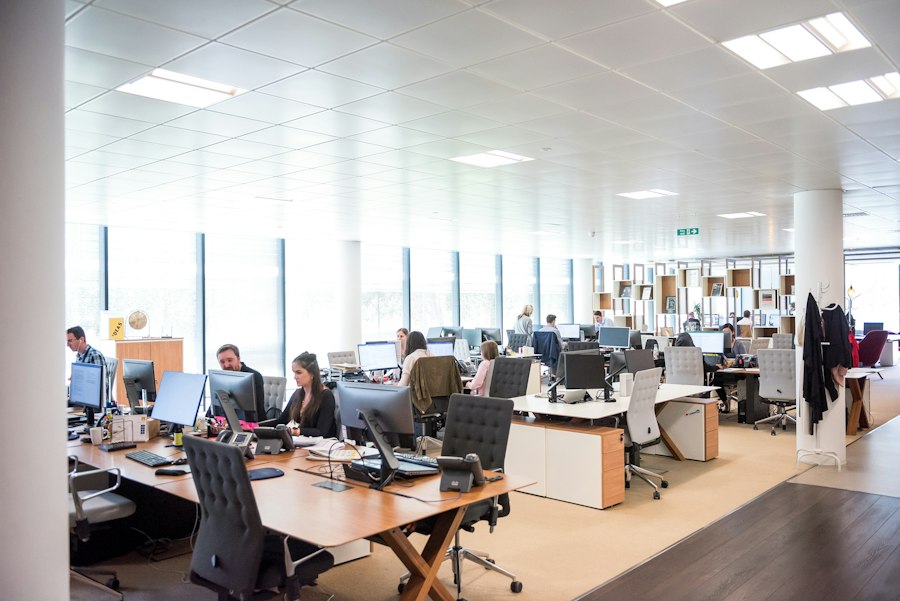
Selecting the right materials is crucial when it comes to smart joinery. The choice of materials not only affects the durability of the installations but also their visual appeal. Common materials include wood, metal, and composite options, each offering unique benefits. For instance, wood provides warmth and a classic aesthetic, while metal can lend a modern edge to a workspace.
Sustainability is also an important factor in material selection. Many businesses are now prioritising eco-friendly options that reduce their environmental impact. Reclaimed wood or sustainably sourced materials can be both stylish and responsible choices. Ultimately, the right materials should align with the overall design vision while ensuring longevity and functionality.
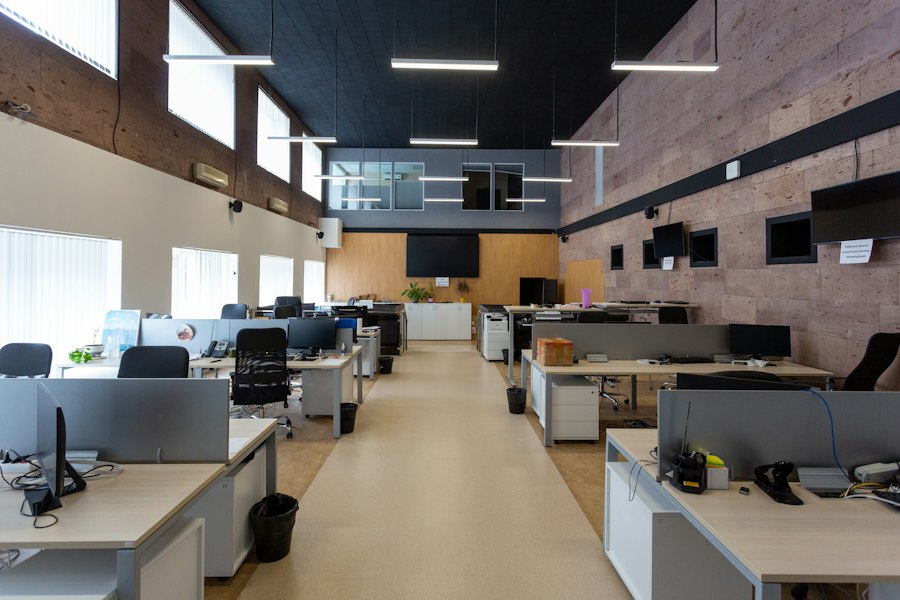
Customised storage solutions are a hallmark of smart joinery, allowing businesses to tailor their workspace to specific needs. Off-the-shelf furniture often fails to meet unique requirements, leading to clutter and inefficiency. By investing in bespoke joinery, companies can create storage that fits seamlessly into their environment.
These customised options can include everything from built-in shelving units to under-desk drawers that keep essential items within reach.
The ability to design storage solutions that cater to individual workflows can significantly enhance organisation and productivity.
Moreover, a well-organised workspace contributes to a more professional appearance, which can positively impact client perceptions.
To enhance your understanding of how smart joinery can transform your living spaces, you might find it beneficial to explore a related article on modern entertainment units designed for tech-savvy homes. This piece delves into innovative designs that not only maximise functionality but also complement contemporary aesthetics. By integrating such elements into your workspace, you can create an environment that promotes efficiency and style. For more insights, check out this modern entertainment unit article.
Space-saving designs are essential for both small and large work areas. In smaller offices, every square foot counts, and smart joinery can help create multifunctional spaces that serve various purposes without feeling cramped. For example, foldable desks or modular furniture can be easily reconfigured to accommodate different tasks or team sizes.
In larger workspaces, smart joinery can help delineate areas without the need for permanent walls. This flexibility allows for dynamic layouts that can adapt as teams grow or change focus. By incorporating space-saving designs, businesses can ensure their work environment remains functional and inviting, regardless of size.
The integration of technology into smart joinery is becoming increasingly important in modern workspaces. Features such as built-in charging stations, cable management systems, and even smart desks that adjust height automatically are becoming standard in many office designs. These technological enhancements not only improve functionality but also contribute to a more streamlined aesthetic.
Moreover, incorporating technology into joinery solutions can facilitate better collaboration among team members. For instance, meeting rooms equipped with integrated screens and sound systems allow for seamless presentations and discussions. By considering technological needs during the design phase, businesses can create spaces that support both current and future requirements.
To ensure that smart joinery installations remain functional and attractive over time, regular maintenance is essential. Simple practices such as cleaning surfaces with appropriate products can prevent wear and tear. For wooden surfaces, using oils or waxes can help maintain their finish and protect against scratches.
Additionally, it’s important to periodically check for any loose fittings or structural issues. Addressing these problems early on can prevent more significant damage down the line. By establishing a maintenance routine, businesses can prolong the life of their joinery installations and ensure they continue to meet the demands of a busy workspace.
Examining real-world examples of successful workspace transformations can provide valuable insights into the impact of smart joinery. One notable case involved a tech startup that transformed its cramped office into an open-plan space with custom-built joinery solutions. By incorporating modular desks and integrated storage units, they maximised their limited space while fostering collaboration among team members.
Another example is a creative agency that utilised smart joinery to create distinct zones within their office. By designing bespoke meeting areas with built-in seating and acoustic panels, they improved both functionality and comfort. These transformations not only enhanced employee satisfaction but also contributed to a more professional image when hosting clients.
In conclusion, smart joinery plays a pivotal role in shaping modern workspaces by enhancing functionality, aesthetics, and employee well-being. By understanding its benefits, choosing the right materials, and incorporating technology thoughtfully, businesses can create environments that support productivity and collaboration. With proper maintenance and inspiration from successful case studies, organisations can ensure their investments in smart joinery yield long-lasting results.
Smart joinery refers to the use of innovative and efficient techniques to connect different pieces of furniture or structures together, maximizing space and functionality.
Smart joinery can help maximize workspace efficiency by allowing for the creation of multifunctional furniture pieces, optimizing storage solutions, and making the most of available space in a workspace.
Examples of smart joinery techniques include using hidden compartments for storage, incorporating foldable or collapsible elements, and utilizing modular designs that can be easily reconfigured.
Smart joinery can be adapted to suit a variety of workspaces, from small home offices to large corporate environments. The key is to tailor the joinery techniques to the specific needs and constraints of the space.
To incorporate smart joinery into your workspace design, consider working with a professional furniture designer or carpenter who specializes in innovative joinery techniques. They can help you create custom solutions that are tailored to your workspace requirements.
Don’t Take Our Word For It
Aspec has recieved fantastic 5/5 Star Rating from its clients!
Professional from start to finish!
Wow! Omar was fantastic right from the very beginning! With 6 weeks to go until baby number 2s arrival, Omar delivered on his word to create a phenomenal outdoor kitchen for our alfresco area! It is exactly the vision we had in mind! We are so impressed with the workmanship and quality as well as the effort to get the work completed in such a tight timeframe. Very open and honest about pricing upfront also! Would highly recommend Omar and his team. The level of professionalism, honesty, workmanship and quality was spot on and always has time to discuss and go through any questions or concerns. Thank you A Spec Joinery for doing a fantastic job and in the short time we had to do it by! Particularly fitting us in a busy December!
Bianca M Vucetic
Professional from start to finish!
Great attentions to detail very informative throughout highly reccomend!
Mark, Double Bay
Professional from start to finish!
Omar installed a new kitchen for us. The process was easy and Omar kept in contact with us at all stages. The kitchen was installed in only a couple of days and looks fantastic. We’re very happy with the result.
Mat Pal
Professional from start to finish!
Omar was excellent to deal with. He and his team built and installed a large built-in wardrobe and cupboard, giving us good advice on the design. He was very professional in surveying the complex space for the units – it’s an older house with uneven floor and ceiling – and in preparing the design. His team constructed the units off-site within the time he indicated. Installation was complex and went very smoothly. The whole project was on time and on budget and the product delivered was of the highest quality. We would certainly use him again and recommend him to our friends.
Phillip Hart
Professional from start to finish!
Omar was fantastic to deal with and produced outstanding quality work for our new storage cupbaords and floating shelves. The final product was exactly what we wanted and made with care and attention. We highly recommend him for joinery and cabinetry works. Many thanks, Vince
Vincent Banton
Professional from start to finish!
Omar and his team are awesome. Professional, efficient and really went the extra mile creating beautiful joinery for my studio. Will definitely engage their services again and refer to anyone.
Carla Sconce
Professional from start to finish!
Dealt with Omar from A Spec on our office fit out, all work was done ahead of time and costs were maintained the whole way through. Would happily use A Spec again or recommend to anyone without hesitation.
Emanuel Karantonis
Professional from start to finish!
My experience with Omar and his team has been amazing and trouble-free.
Omar’s attention to detail and quick response time gave me comfort and confidence that the end product would be great.
Being in the construction industry, I couldn’t fault their workmanship and timing. Everything delivered on time and on budget.
Would definitely use Aspec Joinery again.
Ben Yee
Professional from start to finish!
Omar and the team at A Spec Joinery built our kitchen and bookshelves in 2021. The work is really high quality. It’s now 2024 and everything still looks great and functions just like the day they were built. I would highly recommend A Spec, particularly for the after build service. Nothing is too much trouble for Omar.
Alistair McLean
Professional from start to finish!
Omar and his team have worked wonders on all our joinery for our renovation, they constantly went above and beyond during all aspects of the build from planning to manufacturing and installation.
They have done an absolutely beautiful job and it is my pleasure to recommend A-Spec joinery to everyone.
Their professional attitude was exemplary and it was always lovely having Omar and the team in our house, they made an extremely stressful renovation into a positive experience.
A-Spec Joinery made our dreams come true and there are no words that can express how appreciative we are and so happy that we chose them.
If you want the best go with A-Spec Joinery.
Vincent & Anna
Vincent Jones
Professional from start to finish!
Paul Casey
Professional from start to finish!
Matt B
Professional from start to finish!
Our experience with A Spec Joinery was outstanding. We were happy with every phase of our project from initial concept to drawings to finished products. Omar and his team’s attention to detail was fantastic. Highly recommend!!!
Sharon Antonir
Professional from start to finish!
High quality work, on time on budget very professional would engage their services again 100%. 2yrs on asked Omar for additional work and once again very professional, on time and very helpful.
Maurice Natoli