Joinery serves a crucial function in determining both the practicality and visual appeal of a kitchen. The discipline involves joining wood and other materials to construct elements including cabinets, shelving units, and worktops. The importance of joinery within kitchen design is considerable, as it directly affects both the space’s usability and aesthetic coherence.
Furthermore, joinery extends beyond simple material assembly; it involves creating a unified environment that expresses the homeowner’s preferences whilst addressing their practical requirements. The accuracy and skill inherent in joinery work ensures each element integrates smoothly within the kitchen layout, enabling optimal space utilisation.
For example, custom-built cabinetry produced through expert joinery can maximise storage capacity whilst preserving a tidy appearance. Such attention to detail proves essential in kitchens, where aesthetic appeal and functionality must work together effectively.
Selecting appropriate materials for joinery solutions is crucial to achieving durability and aesthetic appeal. Wood remains a popular choice due to its versatility and natural beauty. Hardwoods such as oak, maple, and cherry are often favoured for their strength and resistance to wear, making them ideal for high-traffic areas like kitchens.
Each type of wood brings its unique character; for example, oak offers a classic look with its prominent grain patterns, while maple provides a smoother finish that can be easily stained or painted. In addition to traditional wood options, modern kitchens increasingly incorporate materials like plywood, MDF (medium-density fibreboard), and even metal for joinery solutions. Plywood is particularly valued for its strength and stability, making it suitable for cabinet construction.
MDF, on the other hand, is often used for painted surfaces due to its smooth finish and cost-effectiveness. When considering materials, it is essential to balance aesthetics with practicality; for instance, while a beautiful wooden countertop may be visually appealing, it requires regular maintenance to prevent damage from moisture and heat.
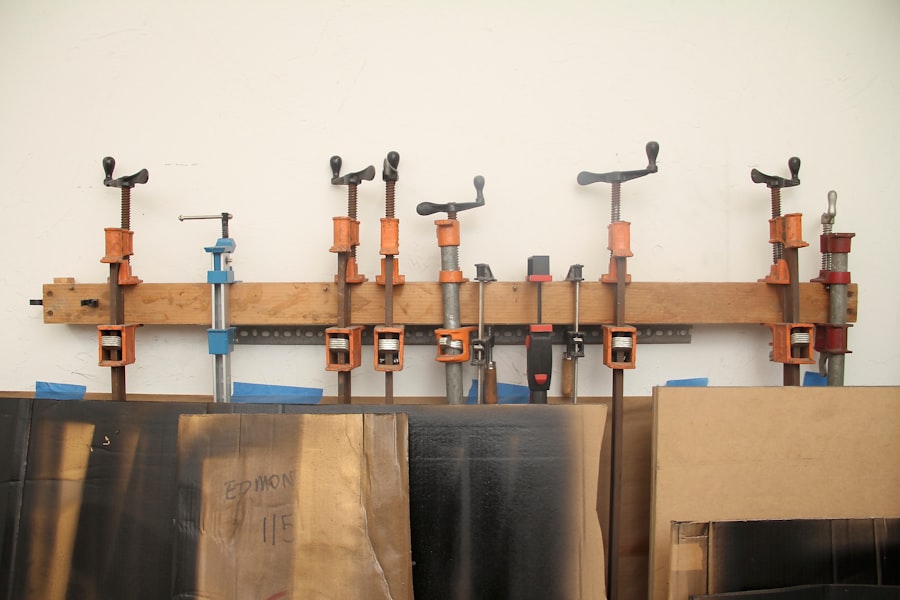
Clever joinery solutions can significantly enhance storage capabilities in a kitchen, addressing one of the most common challenges faced by homeowners. Custom cabinetry designed with specific storage needs in mind can make a world of difference. For example, incorporating pull-out shelves or deep drawers allows for easy access to pots and pans that might otherwise be buried at the back of a standard cabinet.
Additionally, vertical storage solutions such as tall cabinets or open shelving can utilise otherwise wasted space, providing ample room for kitchen essentials. Another innovative approach to maximising storage is the use of corner cabinets with lazy Susans or pull-out mechanisms. These designs eliminate the frustration of reaching into dark corners where items tend to get lost.
Furthermore, integrating specialised storage solutions like spice racks or wine racks into cabinetry can keep frequently used items within easy reach while maintaining an organised appearance. By employing these clever joinery techniques, homeowners can create a kitchen that not only looks good but also functions efficiently.
Incorporating functional joinery solutions for appliances is essential in creating a streamlined kitchen environment. Built-in appliances such as ovens, microwaves, and dishwashers can be seamlessly integrated into cabinetry through thoughtful joinery design.
For instance, a built-in oven can be positioned at eye level within a custom cabinet, making it more accessible while freeing up counter space. Moreover, appliance garages are an increasingly popular joinery solution that allows homeowners to conceal small appliances like toasters and coffee makers when not in use. These cleverly designed compartments keep countertops clutter-free while ensuring that essential tools are readily available when needed.
Additionally, incorporating pull-out shelves or drawers specifically designed for appliances can further enhance functionality by providing easy access without compromising on style.
The aesthetic appeal of a kitchen is significantly influenced by the quality and design of its joinery solutions. Custom cabinetry can be tailored to reflect personal style preferences, whether one leans towards a contemporary minimalist look or a more traditional farmhouse aesthetic. The choice of finishes, colours, and hardware plays a crucial role in achieving the desired visual impact.
For instance, sleek handleless cabinetry can create a modern feel, while ornate handles and mouldings can evoke a sense of classic elegance. In addition to cabinetry, joinery solutions can extend to other elements such as open shelving and decorative features like crown moulding or wainscoting. Open shelves not only provide functional storage but also serve as an opportunity to display decorative items or curated collections, adding personality to the space.
Furthermore, incorporating contrasting materials—such as pairing wooden cabinetry with metal accents—can create visual interest and depth within the kitchen design.
Every kitchen is unique in its layout and dimensions, which necessitates customised joinery solutions tailored to individual spaces. A one-size-fits-all approach often leads to inefficiencies and wasted space; therefore, bespoke joinery is essential for maximising functionality. For example, L-shaped kitchens may benefit from corner units that utilise every inch of available space, while galley kitchens can incorporate tall cabinets that draw the eye upwards, creating an illusion of height.
Customisation also allows homeowners to address specific needs based on their cooking habits and lifestyle. For instance, avid bakers may require additional countertop space and storage for baking tools, while families may prioritise durable surfaces that withstand daily wear and tear. By working closely with a skilled joiner, homeowners can develop solutions that not only fit their kitchen layout but also enhance their overall cooking experience.
Proper maintenance and care are vital for preserving the integrity and appearance of joinery in the kitchen. Wood surfaces require regular cleaning and conditioning to prevent damage from moisture and heat exposure. It is advisable to use gentle cleaning agents specifically designed for wood rather than harsh chemicals that could strip finishes or cause discolouration.
Additionally, applying a protective sealant or oil periodically can help maintain the wood’s natural beauty while providing an extra layer of protection against spills and stains. For painted or laminated surfaces, routine cleaning with a damp cloth is usually sufficient; however, it is essential to avoid abrasive materials that could scratch the finish. Regular inspections for signs of wear or damage are also crucial; addressing issues such as loose hinges or chipped edges promptly can prevent more significant problems down the line.
By investing time in maintenance, homeowners can ensure that their joinery remains functional and visually appealing for years to come.
When embarking on a kitchen project that involves joinery solutions, hiring a professional joiner is often the best course of action. A skilled joiner brings expertise in design, craftsmanship, and material selection that can elevate the quality of the final product. They possess an understanding of structural integrity and aesthetics that ensures every piece fits perfectly within the overall design scheme.
Moreover, professional joiners are adept at navigating potential challenges that may arise during installation, ensuring a smooth process from start to finish. Choosing the right professional involves considering their portfolio and previous work experience. It is beneficial to seek recommendations or read reviews from past clients to gauge their reliability and quality of work.
A good joiner will also engage in thorough discussions with clients to understand their needs and preferences fully before proposing tailored solutions. By collaborating with an experienced professional, homeowners can achieve a kitchen that not only meets their functional requirements but also reflects their personal style beautifully.
For those looking to enhance their kitchen with bespoke designs, the article on Custom Cabinets offers valuable insights into creating a functional and stylish space. By incorporating tailored cabinetry solutions, you can maximise storage while ensuring that your kitchen reflects your personal style. This resource complements the discussion on Joinery Solutions for a Functional and Stylish Kitchen, providing further inspiration for your home renovation project.
Joinery in kitchen design refers to the custom construction and fitting of wooden components such as cabinets, shelves, doors, and drawers. It involves skilled craftsmanship to create functional and aesthetically pleasing kitchen furniture that fits perfectly within the space.
Joinery enhances kitchen functionality by maximising storage space, creating customised layouts, and incorporating specialised features like pull-out drawers, corner units, and integrated appliances. Tailored joinery solutions ensure efficient use of space and ease of access to kitchen essentials.
Common materials for kitchen joinery include solid wood, plywood, MDF (medium-density fibreboard), and laminate. The choice depends on budget, desired finish, durability, and style preferences. Solid wood offers a traditional look, while MDF and laminates provide cost-effective and versatile options.
Yes, joinery solutions are highly customisable and can be designed to fit kitchens of all sizes and shapes. Skilled joiners measure the space precisely and create bespoke units that optimise every inch, whether in compact city flats or spacious country homes.
Properly crafted joinery kitchen units are durable and can last many years. The longevity depends on the quality of materials used, craftsmanship, and maintenance. Solid wood joinery, in particular, is known for its strength and ability to be repaired or refinished over time.
Joinery allows for a wide range of styles, from traditional and rustic to modern and minimalist. Custom designs can incorporate decorative mouldings, panelled doors, unique handles, and bespoke finishes, enabling homeowners to create a kitchen that reflects their personal taste and complements the overall home décor.
Yes, professional installation is recommended to ensure that joinery units are fitted accurately and securely. Expert joiners have the skills and tools to handle precise measurements, alignments, and adjustments, resulting in a seamless and functional kitchen setup.
Maintenance depends on the material but generally includes regular cleaning with mild detergents, avoiding excessive moisture, and occasional polishing or refinishing for wooden surfaces. Proper care helps preserve the appearance and functionality of joinery units over time.
Yes, many joinery providers offer eco-friendly options such as sustainably sourced timber, low-VOC finishes, and recycled materials. Choosing environmentally responsible materials supports sustainability without compromising on quality or style.
Joinery solutions typically have a higher upfront cost than ready-made units due to custom design and craftsmanship. However, they offer better fit, durability, and personalised features, which can provide greater long-term value and satisfaction.
Don’t Take Our Word For It
Aspec has recieved fantastic 5/5 Star Rating from its clients!
Professional from start to finish!
Wow! Omar was fantastic right from the very beginning! With 6 weeks to go until baby number 2s arrival, Omar delivered on his word to create a phenomenal outdoor kitchen for our alfresco area! It is exactly the vision we had in mind! We are so impressed with the workmanship and quality as well as the effort to get the work completed in such a tight timeframe. Very open and honest about pricing upfront also! Would highly recommend Omar and his team. The level of professionalism, honesty, workmanship and quality was spot on and always has time to discuss and go through any questions or concerns. Thank you A Spec Joinery for doing a fantastic job and in the short time we had to do it by! Particularly fitting us in a busy December!
Bianca M Vucetic
Professional from start to finish!
Great attentions to detail very informative throughout highly reccomend!
Mark, Double Bay
Professional from start to finish!
Omar installed a new kitchen for us. The process was easy and Omar kept in contact with us at all stages. The kitchen was installed in only a couple of days and looks fantastic. We’re very happy with the result.
Mat Pal
Professional from start to finish!
Omar was excellent to deal with. He and his team built and installed a large built-in wardrobe and cupboard, giving us good advice on the design. He was very professional in surveying the complex space for the units – it’s an older house with uneven floor and ceiling – and in preparing the design. His team constructed the units off-site within the time he indicated. Installation was complex and went very smoothly. The whole project was on time and on budget and the product delivered was of the highest quality. We would certainly use him again and recommend him to our friends.
Phillip Hart
Professional from start to finish!
Omar was fantastic to deal with and produced outstanding quality work for our new storage cupbaords and floating shelves. The final product was exactly what we wanted and made with care and attention. We highly recommend him for joinery and cabinetry works. Many thanks, Vince
Vincent Banton
Professional from start to finish!
Omar and his team are awesome. Professional, efficient and really went the extra mile creating beautiful joinery for my studio. Will definitely engage their services again and refer to anyone.
Carla Sconce
Professional from start to finish!
Dealt with Omar from A Spec on our office fit out, all work was done ahead of time and costs were maintained the whole way through. Would happily use A Spec again or recommend to anyone without hesitation.
Emanuel Karantonis
Professional from start to finish!
My experience with Omar and his team has been amazing and trouble-free.
Omar’s attention to detail and quick response time gave me comfort and confidence that the end product would be great.
Being in the construction industry, I couldn’t fault their workmanship and timing. Everything delivered on time and on budget.
Would definitely use Aspec Joinery again.
Ben Yee
Professional from start to finish!
Omar and the team at A Spec Joinery built our kitchen and bookshelves in 2021. The work is really high quality. It’s now 2024 and everything still looks great and functions just like the day they were built. I would highly recommend A Spec, particularly for the after build service. Nothing is too much trouble for Omar.
Alistair McLean
Professional from start to finish!
Omar and his team have worked wonders on all our joinery for our renovation, they constantly went above and beyond during all aspects of the build from planning to manufacturing and installation.
They have done an absolutely beautiful job and it is my pleasure to recommend A-Spec joinery to everyone.
Their professional attitude was exemplary and it was always lovely having Omar and the team in our house, they made an extremely stressful renovation into a positive experience.
A-Spec Joinery made our dreams come true and there are no words that can express how appreciative we are and so happy that we chose them.
If you want the best go with A-Spec Joinery.
Vincent & Anna
Vincent Jones
Professional from start to finish!
Paul Casey
Professional from start to finish!
Matt B
Professional from start to finish!
Our experience with A Spec Joinery was outstanding. We were happy with every phase of our project from initial concept to drawings to finished products. Omar and his team’s attention to detail was fantastic. Highly recommend!!!
Sharon Antonir
Professional from start to finish!
High quality work, on time on budget very professional would engage their services again 100%. 2yrs on asked Omar for additional work and once again very professional, on time and very helpful.
Maurice Natoli