When it comes to interior design, the joinery you choose can significantly influence the overall aesthetic of your space. Whether you lean towards a modern, minimalist look or prefer a more traditional, rustic feel, selecting the right joinery is essential.
For contemporary designs, sleek lines and high-gloss finishes often work best, while classic styles may benefit from ornate mouldings and rich wood tones.
It’s important to consider how the joinery complements your existing decor and furniture, creating a cohesive look throughout your home.
Additionally, think about functionality alongside style. For instance, if you have a busy family life, durable materials that can withstand wear and tear are crucial. On the other hand, if you’re aiming for a luxurious feel, investing in high-quality timber or bespoke cabinetry can elevate your space. Ultimately, the right joinery should reflect your personal taste while also serving practical purposes.
If you’re looking to enhance your interior design with stunning joinery ideas, you may find inspiration in the article on kitchen design that highlights bespoke solutions for creating a timeless aesthetic. This piece discusses how custom joinery can elevate your kitchen space, making it both functional and stylish. For more insights, you can read the full article here: Kitchen Company Sydney: Built to Last with Timeless Style Finishes.
Joinery can be seamlessly integrated into various rooms, enhancing both functionality and aesthetics. In the kitchen, for example, custom cabinetry can provide ample storage while also showcasing your style. Open shelving can create an airy feel and display your favourite dishes or cookbooks, while closed cabinets can keep clutter at bay. The choice of materials and finishes here can set the tone for the entire space, whether you opt for sleek modern designs or warm, rustic wood.
In living areas, joinery can serve as a focal point or blend into the background. Built-in bookshelves or entertainment units can provide both storage and display options, allowing you to showcase personal items or family photos. In bedrooms, bespoke wardrobes can maximise storage while maintaining a clean look. The versatility of joinery means it can adapt to any room’s needs, making it an invaluable element in your home design.
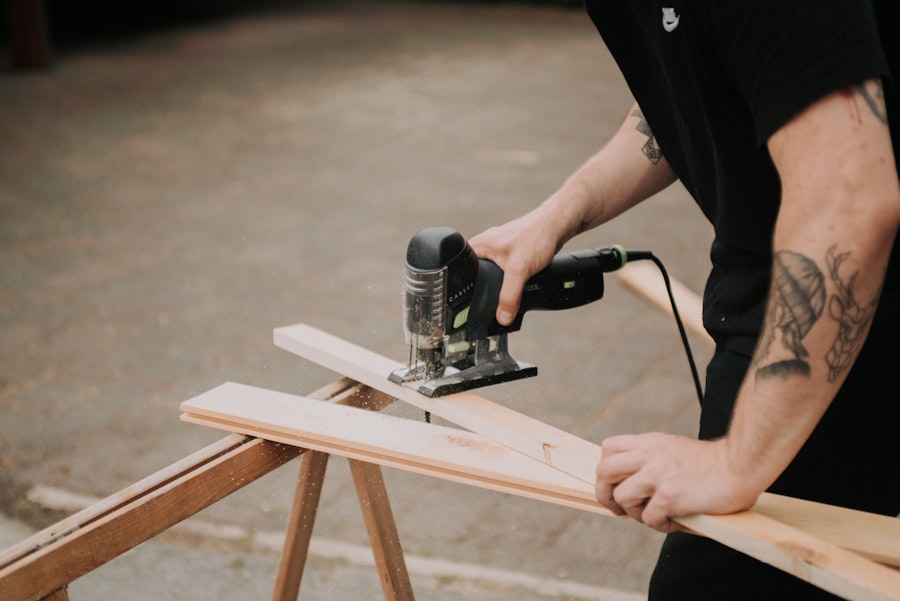
One of the most significant advantages of joinery is its ability to maximise space effectively. In smaller homes or apartments, clever joinery solutions can make a world of difference. For instance, incorporating multi-functional furniture such as a bed with built-in drawers or a coffee table that doubles as storage can help keep your space organised without sacrificing style.
Another effective strategy is to utilise vertical space.
Floor-to-ceiling cabinetry not only draws the eye upward, creating an illusion of height but also provides additional storage without taking up valuable floor space.
Custom joinery can be tailored to fit awkward nooks or corners, ensuring that every inch of your home is used efficiently. This approach not only enhances functionality but also contributes to a more streamlined and spacious feel.

When dealing with limited square footage, every design choice counts. Joinery offers numerous creative solutions for small spaces that can help you make the most of what you have. One popular idea is to incorporate built-in seating with storage underneath. This not only provides a cosy nook for relaxation but also cleverly hides away items that would otherwise clutter your living area.
Another effective approach is to use mirrored finishes or light-coloured woods in your joinery. These materials can reflect light and create a sense of openness in smaller rooms. Additionally, consider using sliding doors for wardrobes or cabinets; they take up less space than traditional hinged doors and can be designed to blend seamlessly with your decor. By thinking outside the box with your joinery choices, you can create a functional and stylish environment even in the tightest of spaces.
If you’re exploring innovative ways to enhance your interior design, you might find inspiration in the article on custom joinery, which delves into various techniques and styles that can beautifully complement your space. This resource offers insights into how tailored joinery can transform your home, making it not only more functional but also aesthetically pleasing. For further details, you can read more about it here.
Custom joinery is an excellent way to infuse character into your home. Unlike off-the-shelf solutions, bespoke joinery allows you to tailor every detail to your specific tastes and needs. This could mean choosing unique wood grains, finishes, or hardware that reflect your personality and style preferences. For instance, a handcrafted bookshelf with intricate detailing can serve as both a functional piece and a work of art.
Moreover, custom joinery can help highlight architectural features in your home. If you have an unusual alcove or an interesting architectural detail, bespoke cabinetry can be designed to accentuate these elements rather than hide them away. This not only adds character but also creates a sense of harmony within your space, making it feel more intentional and thoughtfully designed.
Joinery has the potential to become a striking focal point in any room when designed thoughtfully. A well-crafted piece of joinery can draw the eye and anchor the space around it. For example, a large statement bookshelf filled with books and decorative items can serve as an impressive backdrop in a living room or study. Similarly, a beautifully designed kitchen island with integrated seating can become the heart of your home.
To make joinery stand out as a focal point, consider contrasting it with other elements in the room. If your walls are painted in soft neutrals, a dark wood cabinet can create visual interest and depth. Alternatively, if you have bold wallpaper or vibrant decor, opting for understated joinery can provide balance without overwhelming the space. The key is to ensure that your joinery complements rather than competes with other design elements.
The finishes and materials you choose for your joinery play a crucial role in defining its overall look and feel. Wood remains a popular choice due to its warmth and versatility; however, there are many options available that can suit various styles. For instance, if you’re aiming for a modern aesthetic, consider using materials like plywood or MDF with a high-gloss finish for a sleek appearance.
On the other hand, if you’re leaning towards a more traditional style, rich hardwoods such as oak or walnut can add depth and character to your joinery. Additionally, don’t overlook the impact of hardware; handles and knobs in brass or matte black can enhance the overall design and add an extra layer of detail. Ultimately, selecting the right materials and finishes will help ensure that your joinery not only looks great but also stands the test of time.
Collaborating with a joinery professional can be incredibly beneficial when planning your interior design project. These experts bring valuable insights and experience that can help you navigate the complexities of custom joinery. When seeking out a professional, it’s essential to communicate your vision clearly; sharing inspiration images or mood boards can help convey your ideas effectively.
Additionally, be open to their suggestions and expertise. A skilled joiner may offer innovative solutions that you hadn’t considered or recommend materials that align better with your design goals. It’s also wise to discuss budgets upfront; understanding costs associated with different materials and designs will help you make informed decisions without overspending.
Finally, don’t forget to ask about timelines and installation processes. Knowing what to expect will help ensure that your project runs smoothly from start to finish. By working closely with a joinery professional, you’ll be well on your way to creating beautiful spaces that reflect your personal style while meeting practical needs.
Joinery in interior design refers to the construction and installation of wooden elements such as doors, windows, cabinets, and other built-in furniture. It involves the use of woodworking techniques to create customised and functional pieces that complement the overall design of a space.
Some popular joinery ideas for interior design include custom-built shelving units, window seats, built-in wardrobes, and bespoke kitchen cabinets. These elements are designed to maximise space, provide storage solutions, and enhance the aesthetic appeal of a room.
Joinery can enhance interior design by adding a sense of craftsmanship and bespoke detailing to a space. Custom-built joinery pieces can be tailored to fit specific dimensions and design requirements, creating a seamless and cohesive look that complements the overall interior design scheme.
Common materials used in joinery for interior design include hardwoods such as oak, walnut, and maple, as well as engineered wood products like MDF and plywood. These materials are chosen for their durability, versatility, and ability to be customised to suit different design styles.
Bespoke joinery is a popular choice for interior design because it allows for customisation and personalisation of the space. Custom-built joinery pieces can be tailored to fit specific design requirements, maximise space, and create a unique and individualised look that reflects the homeowner’s style and preferences.
Don’t Take Our Word For It
Aspec has recieved fantastic 5/5 Star Rating from its clients!
Professional from start to finish!
Wow! Omar was fantastic right from the very beginning! With 6 weeks to go until baby number 2s arrival, Omar delivered on his word to create a phenomenal outdoor kitchen for our alfresco area! It is exactly the vision we had in mind! We are so impressed with the workmanship and quality as well as the effort to get the work completed in such a tight timeframe. Very open and honest about pricing upfront also! Would highly recommend Omar and his team. The level of professionalism, honesty, workmanship and quality was spot on and always has time to discuss and go through any questions or concerns. Thank you A Spec Joinery for doing a fantastic job and in the short time we had to do it by! Particularly fitting us in a busy December!
Bianca M Vucetic
Professional from start to finish!
Great attentions to detail very informative throughout highly reccomend!
Mark, Double Bay
Professional from start to finish!
Omar installed a new kitchen for us. The process was easy and Omar kept in contact with us at all stages. The kitchen was installed in only a couple of days and looks fantastic. We’re very happy with the result.
Mat Pal
Professional from start to finish!
Omar was excellent to deal with. He and his team built and installed a large built-in wardrobe and cupboard, giving us good advice on the design. He was very professional in surveying the complex space for the units – it’s an older house with uneven floor and ceiling – and in preparing the design. His team constructed the units off-site within the time he indicated. Installation was complex and went very smoothly. The whole project was on time and on budget and the product delivered was of the highest quality. We would certainly use him again and recommend him to our friends.
Phillip Hart
Professional from start to finish!
Omar was fantastic to deal with and produced outstanding quality work for our new storage cupbaords and floating shelves. The final product was exactly what we wanted and made with care and attention. We highly recommend him for joinery and cabinetry works. Many thanks, Vince
Vincent Banton
Professional from start to finish!
Omar and his team are awesome. Professional, efficient and really went the extra mile creating beautiful joinery for my studio. Will definitely engage their services again and refer to anyone.
Carla Sconce
Professional from start to finish!
Dealt with Omar from A Spec on our office fit out, all work was done ahead of time and costs were maintained the whole way through. Would happily use A Spec again or recommend to anyone without hesitation.
Emanuel Karantonis
Professional from start to finish!
My experience with Omar and his team has been amazing and trouble-free.
Omar’s attention to detail and quick response time gave me comfort and confidence that the end product would be great.
Being in the construction industry, I couldn’t fault their workmanship and timing. Everything delivered on time and on budget.
Would definitely use Aspec Joinery again.
Ben Yee
Professional from start to finish!
Omar and the team at A Spec Joinery built our kitchen and bookshelves in 2021. The work is really high quality. It’s now 2024 and everything still looks great and functions just like the day they were built. I would highly recommend A Spec, particularly for the after build service. Nothing is too much trouble for Omar.
Alistair McLean
Professional from start to finish!
Omar and his team have worked wonders on all our joinery for our renovation, they constantly went above and beyond during all aspects of the build from planning to manufacturing and installation.
They have done an absolutely beautiful job and it is my pleasure to recommend A-Spec joinery to everyone.
Their professional attitude was exemplary and it was always lovely having Omar and the team in our house, they made an extremely stressful renovation into a positive experience.
A-Spec Joinery made our dreams come true and there are no words that can express how appreciative we are and so happy that we chose them.
If you want the best go with A-Spec Joinery.
Vincent & Anna
Vincent Jones
Professional from start to finish!
Paul Casey
Professional from start to finish!
Matt B
Professional from start to finish!
Our experience with A Spec Joinery was outstanding. We were happy with every phase of our project from initial concept to drawings to finished products. Omar and his team’s attention to detail was fantastic. Highly recommend!!!
Sharon Antonir
Professional from start to finish!
High quality work, on time on budget very professional would engage their services again 100%. 2yrs on asked Omar for additional work and once again very professional, on time and very helpful.
Maurice Natoli