In the rapidly evolving landscape of marketing and communication, innovative display solutions have emerged as pivotal tools for brands seeking to capture consumer attention and convey their messages effectively. The traditional static displays are being replaced by dynamic, engaging formats that not only attract the eye but also enhance the overall customer experience. This shift is driven by advancements in technology, changing consumer behaviours, and the need for brands to differentiate themselves in a crowded marketplace.
As businesses strive to create memorable interactions, the importance of innovative display solutions cannot be overstated. The evolution of display solutions reflects broader trends in consumer engagement, where interactivity and immersion are paramount. Brands are increasingly recognising that a well-designed display can serve as a powerful storytelling medium, allowing them to communicate their values and narratives in compelling ways.
From retail environments to trade shows and exhibitions, the integration of innovative display solutions is transforming how brands connect with their audiences, making it essential for marketers and designers to stay abreast of the latest developments in this field.
Interactive and digital displays have revolutionised the way brands engage with consumers, offering a level of interactivity that was previously unimaginable. These displays utilise touchscreens, motion sensors, and augmented reality to create immersive experiences that invite users to participate actively rather than passively consume information. For instance, retail stores are increasingly incorporating interactive kiosks that allow customers to browse products, check prices, and even customise items before making a purchase.
This not only enhances the shopping experience but also provides valuable data on consumer preferences and behaviours. Moreover, digital displays can be easily updated and tailored to specific audiences or events, making them a versatile choice for brands looking to maintain relevance in a fast-paced environment. For example, during seasonal promotions or special events, retailers can quickly change their messaging or visuals to align with current trends or themes.
This adaptability not only saves time and resources but also ensures that the display remains fresh and engaging for returning customers. The integration of social media feeds into digital displays further enhances interactivity, allowing brands to showcase user-generated content and foster a sense of community among their audience.
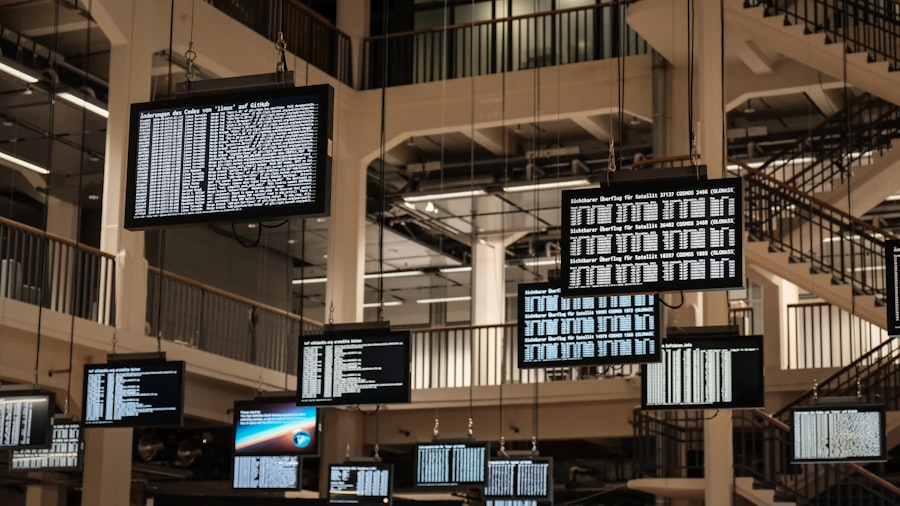
The strategic use of lighting and colour in display solutions plays a crucial role in shaping consumer perceptions and influencing purchasing decisions. Lighting can dramatically alter the mood of a space, drawing attention to specific products or areas within a store. For instance, warm lighting can create an inviting atmosphere that encourages customers to linger, while bright, cool lighting can evoke a sense of modernity and innovation.
Retailers often employ spotlights or backlighting to highlight key products, creating focal points that guide the customer’s journey through the space. Colour psychology is another essential aspect of display design that can significantly impact consumer behaviour. Different colours evoke various emotions and associations; for example, blue is often linked with trust and reliability, while red can stimulate excitement and urgency.
Brands can leverage these associations by carefully selecting colour palettes that align with their identity and messaging. A well-coordinated colour scheme not only enhances aesthetic appeal but also reinforces brand recognition. For instance, a luxury brand may opt for a sophisticated palette of blacks and golds to convey elegance, while a children’s toy store might use bright primary colours to evoke playfulness and joy.
Modular and flexible display systems are gaining traction as brands seek adaptable solutions that can evolve with their needs. These systems allow for easy reconfiguration and scalability, making them ideal for businesses that frequently change their displays or participate in various events. For example, a company attending multiple trade shows may invest in modular display units that can be assembled in different configurations depending on the space available.
This flexibility not only maximises the use of resources but also ensures that the brand can maintain a consistent presence across diverse environments. Additionally, modular systems often incorporate lightweight materials and simple assembly mechanisms, making them user-friendly for staff who may not have extensive training in display setup. This ease of use is particularly beneficial for pop-up shops or temporary installations where time is of the essence.
Brands can create unique experiences tailored to specific locations or audiences without incurring significant costs associated with custom-built displays. The ability to adapt displays quickly also allows brands to respond to market trends or consumer feedback more effectively, ensuring they remain relevant in an ever-changing landscape.
As environmental concerns continue to rise, sustainable and eco-friendly display solutions are becoming increasingly important for brands looking to align with consumer values. The use of recyclable materials, energy-efficient lighting, and sustainable production processes are just a few ways companies are reducing their environmental impact while still delivering effective displays. For instance, some brands are opting for displays made from reclaimed wood or recycled plastics, which not only minimise waste but also resonate with eco-conscious consumers.
This not only reduces operational costs but also contributes to a brand’s overall sustainability goals. By showcasing their commitment to environmental responsibility through their display solutions, brands can enhance their reputation and build stronger connections with consumers who prioritise sustainability in their purchasing decisions.
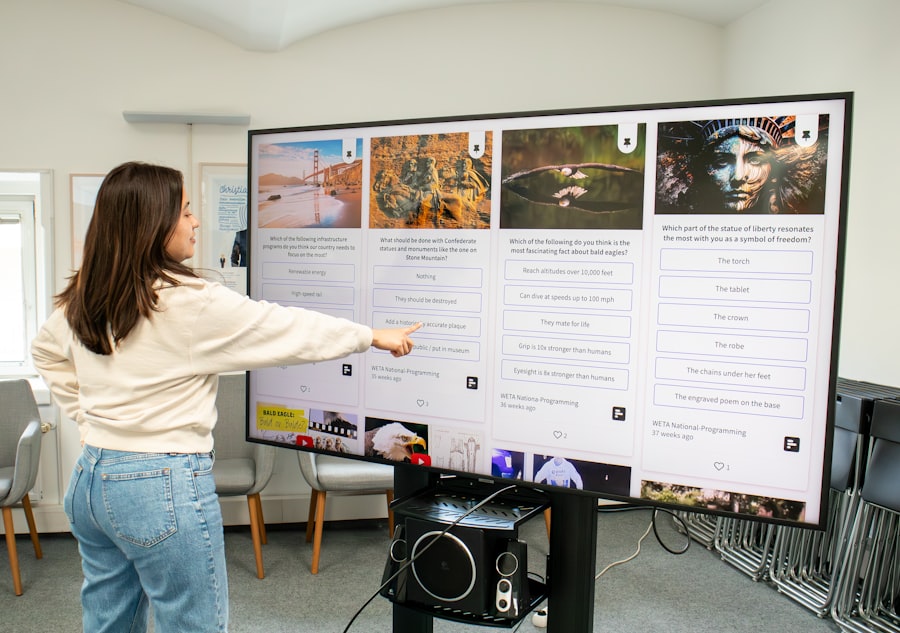
The rise of multi-sensory and experiential displays marks a significant shift in how brands engage with consumers. These displays go beyond visual appeal by incorporating elements that stimulate other senses, such as sound, touch, and even smell. For example, a fragrance brand might create an immersive experience by combining visual displays with scent diffusers that allow customers to experience the product in a more holistic way.
This approach not only captures attention but also creates lasting memories associated with the brand. Experiential displays often encourage active participation from consumers, transforming passive observation into engaging interaction. Brands may set up interactive installations where customers can try products firsthand or participate in activities related to the brand’s message.
For instance, a sports apparel company might create an interactive display that allows customers to test out gear in a simulated environment, providing an authentic experience that resonates more deeply than traditional advertising methods. By appealing to multiple senses, brands can create memorable experiences that foster emotional connections with their audience.
In an age where consumers increasingly seek personalised experiences, customised display options have become essential for brands aiming to stand out.
For instance, some retailers are now using data analytics to inform their display strategies, allowing them to showcase products based on previous purchases or browsing behaviour.
This level of personalisation creates a more relevant shopping experience that resonates with consumers on an individual level. Customised displays can also extend beyond product selection; they may include personalised messaging or visuals that speak directly to specific demographics or customer segments. For example, a cosmetics brand might create targeted displays featuring products suited for different skin tones or types, ensuring that every customer feels represented and catered to.
By investing in customised display solutions, brands can demonstrate their commitment to understanding and meeting the unique needs of their audience.
The integration of technology and data analytics into display solutions is transforming how brands approach consumer engagement. By leveraging data collected from various sources—such as online behaviour, social media interactions, and in-store traffic patterns—brands can gain valuable insights into consumer preferences and trends. This information allows them to optimise their display strategies for maximum impact.
For instance, retailers can analyse foot traffic data to determine which areas of their store attract the most attention and adjust their displays accordingly. Furthermore, technology such as artificial intelligence (AI) is enabling brands to create more targeted and effective displays by predicting consumer behaviour based on historical data. AI algorithms can analyse patterns in purchasing behaviour to suggest optimal product placements or promotional strategies that resonate with specific audiences.
This data-driven approach not only enhances the effectiveness of display solutions but also allows brands to allocate resources more efficiently, ensuring they achieve the best possible return on investment. In conclusion, innovative display solutions are reshaping the landscape of consumer engagement across various industries. By embracing interactivity, creativity in lighting and colour usage, modular systems, sustainability practices, multi-sensory experiences, customisation options, and advanced technology integration, brands can create compelling displays that resonate with their audiences on multiple levels.
As the market continues to evolve, staying ahead of these trends will be crucial for businesses looking to thrive in an increasingly competitive environment.
If you are looking for innovative display solutions for retail spaces, you may want to consider customised fit-out solutions offered by
Support
Operating Hours
Open 5 Days
Monday – Friday : 7:30am – 5:00pm