Joinery, a fundamental aspect of woodworking, encompasses the techniques and methods used to connect pieces of wood together. This craft has been an integral part of human history, evolving from rudimentary methods employed by ancient artisans to sophisticated techniques embraced by contemporary designers. The beauty of joinery lies not only in its functional purpose but also in its aesthetic appeal, allowing craftsmen to create intricate designs that enhance the overall character of a piece.
As we delve into the world of joinery designs, we will explore traditional techniques that have stood the test of time, modern innovations that push the boundaries of creativity, and the diverse applications of joinery in furniture, architecture, and artistic expression. The significance of joinery extends beyond mere construction; it embodies a philosophy of craftsmanship that values precision, skill, and artistry. Each joint tells a story, reflecting the materials used, the tools employed, and the vision of the maker.
In an age where mass production often overshadows artisanal skills, there is a growing appreciation for the unique qualities that handcrafted joinery brings to both functional and decorative objects. This article aims to illuminate the various facets of joinery designs, celebrating its rich heritage while also recognising its potential for innovation and creativity in contemporary contexts.
Traditional joinery techniques have been honed over centuries, with each culture contributing its unique methods and styles. Among the most revered techniques is the mortise and tenon joint, which has been used since ancient times. This joint involves a rectangular hole (the mortise) cut into one piece of wood, into which a corresponding projection (the tenon) from another piece fits snugly.
The strength and durability of this joint make it ideal for constructing frames, tables, and chairs. Craftsmen often enhance the aesthetic appeal of mortise and tenon joints by incorporating decorative elements such as pegs or wedges, which not only secure the joint but also add visual interest. Another traditional technique is dovetail joinery, renowned for its strength and resistance to pulling apart.
Dovetails are characterised by their interlocking shapes, resembling a series of trapezoids that fit together seamlessly. This method is particularly favoured in drawer construction and cabinetry, where both functionality and aesthetics are paramount. The precision required to create dovetail joints showcases the skill of the craftsman; even slight deviations can compromise the integrity of the joint.
The beauty of dovetail joinery lies in its ability to combine form and function, resulting in pieces that are not only robust but also visually striking.
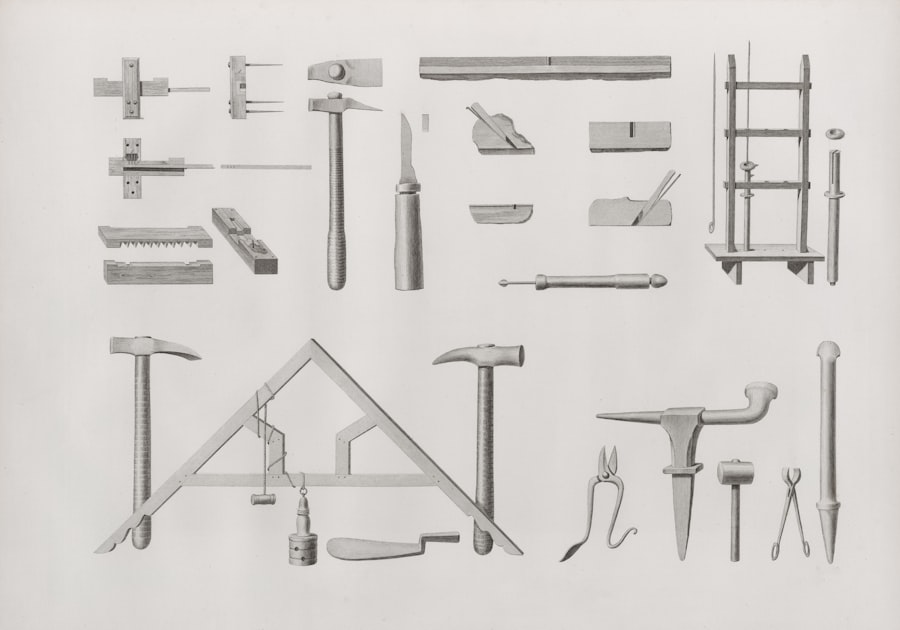
As technology advances, so too does the field of joinery. Modern innovations have introduced new materials and tools that expand the possibilities for designers and craftsmen alike. One notable development is the use of computer-aided design (CAD) software, which allows for precise planning and visualisation of joinery projects before any physical work begins.
While mechanical joints such as mortise and tenon or dovetails remain popular, modern adhesives can provide an alternative that offers both strength and flexibility.
These adhesives can bond different materials together, allowing for innovative combinations that were previously challenging to achieve with traditional methods. For instance, combining wood with metal or glass can create striking contrasts in texture and appearance, leading to unique design outcomes that reflect contemporary aesthetics.
Joinery is not confined to conventional furniture or structural applications; it has found its way into a myriad of creative projects that challenge traditional boundaries. Artists and designers are increasingly exploring joinery as a medium for artistic expression, using wood as a canvas to convey their ideas. Sculptural installations often incorporate intricate joinery techniques to create visually captivating pieces that invite viewers to engage with the material in new ways.
One compelling example is the work of contemporary woodworkers who create large-scale installations using modular joinery systems. These systems allow for flexibility in design, enabling artists to assemble and disassemble their works easily. By employing traditional joinery methods within a modern context, these artists pay homage to the craft while simultaneously pushing its limits.
The interplay between craftsmanship and artistic vision results in pieces that are not only functional but also provoke thought and inspire dialogue about the nature of art and design.
In the realm of furniture design, joinery plays a pivotal role in both functionality and aesthetics. The choice of joinery technique can significantly influence the overall character of a piece. For instance, a dining table constructed with exposed dovetail joints may evoke a sense of rustic charm, while sleek mitre joints can impart a modern elegance.
Designers often consider how joinery can enhance the user experience; for example, incorporating soft-close mechanisms in drawers requires careful planning of joints to ensure smooth operation. Moreover, sustainable practices are becoming increasingly important in furniture design, leading to innovative approaches in joinery. Many contemporary designers are opting for reclaimed wood or sustainably sourced materials, which necessitate creative joinery solutions to accommodate varying grain patterns and structural integrity.
By embracing these challenges, designers not only create beautiful pieces but also contribute to environmental stewardship within the industry. The fusion of traditional craftsmanship with modern sustainability principles results in furniture that is both timeless and relevant.
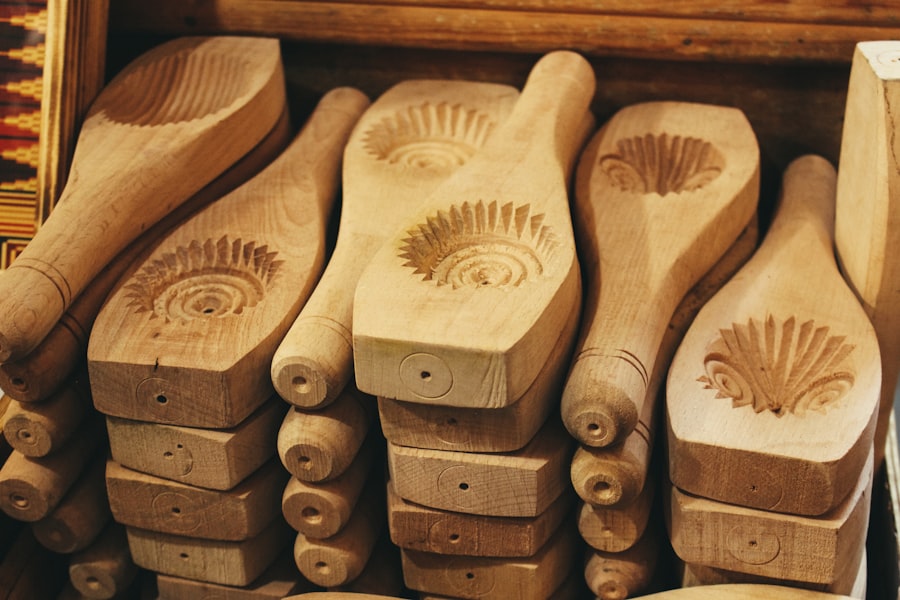
Joinery extends its influence beyond furniture into the realm of architecture, where it plays a crucial role in constructing buildings that are both functional and aesthetically pleasing. Architectural joinery encompasses a wide range of applications, from structural elements such as beams and trusses to decorative features like mouldings and paneling. The choice of joinery technique can significantly impact a building’s overall design language; for instance, exposed timber framing can evoke a sense of warmth and connection to nature.
In contemporary architecture, there is a growing trend towards open-plan spaces that require innovative joinery solutions to define areas without compromising flow or light. Designers are increasingly using sliding doors or folding partitions constructed with intricate joinery techniques to create flexible spaces that can adapt to various needs. These elements not only serve practical purposes but also contribute to the overall aesthetic coherence of a space, showcasing the beauty of craftsmanship in architectural design.
The intersection of joinery and artistic expression has given rise to a vibrant community of artists who utilise wood as their primary medium. These creators often experiment with unconventional forms and techniques, pushing the boundaries of what joinery can achieve. Sculptors may employ traditional methods such as lamination or steam bending to create organic shapes that challenge perceptions of wood as a rigid material.
One notable example is the work of artists who create intricate wooden mosaics using various joinery techniques to assemble small pieces into larger compositions. This approach not only highlights the beauty of individual wood grains but also showcases the skill involved in aligning each piece perfectly within the overall design. Such works invite viewers to appreciate the craftsmanship behind each joint while also engaging with the broader narrative conveyed through the artwork.
Joinery designs represent a harmonious blend of functionality and artistry that transcends time and trends. As we have explored throughout this article, traditional techniques continue to hold relevance in contemporary practice while modern innovations expand the possibilities for creativity within this craft. From furniture to architecture and artistic expression, joinery serves as a vital link between materials and ideas, allowing craftsmen and artists alike to convey their visions through wood.
In an era where mass production often dominates our surroundings, embracing the beauty of joinery invites us to appreciate the skill and dedication inherent in handcrafted work. Each joint tells a story—of tradition, innovation, and artistic exploration—reminding us that behind every piece lies not just a functional object but a testament to human creativity and craftsmanship. As we move forward into an increasingly digital world, let us not forget the value of these timeless techniques that connect us to our past while inspiring future generations of makers.
If you’re captivated by the innovative joinery designs featured in “Get Inspired: Joinery Designs that Wow,” you might also find inspiration in transforming other areas of your home. A related article worth exploring is Transform Your Small Kitchen with Stylish Renovations in Sydney. This piece delves into creative solutions for maximising space and style in compact kitchens, offering practical tips and design ideas that complement the stunning joinery concepts discussed in the original article. Whether you’re looking to revamp your kitchen or simply gather ideas for future projects, this article provides valuable insights into achieving a harmonious and functional living space.
Joinery design refers to the craft of creating wooden joints and connections in woodworking. It involves the use of various techniques and skills to create strong and visually appealing connections between wooden pieces.
Some common types of joinery designs include dovetail joints, mortise and tenon joints, finger joints, and box joints. Each type of joinery design has its own unique characteristics and applications.
Joinery designs provide several benefits in woodworking, including increased strength and stability of the finished piece, as well as a visually appealing and professional-looking finish. Additionally, joinery designs allow for the use of less hardware, resulting in a cleaner and more seamless final product.
You can get inspired by joinery designs by exploring various woodworking projects, attending woodworking workshops or classes, and studying the work of experienced joiners and woodworkers. Additionally, researching different joinery techniques and experimenting with different designs can help spark inspiration for your own woodworking projects.
Examples of joinery designs that wow include intricate and visually striking dovetail joints, seamless and precise mortise and tenon joints, and creative and unique finger joints and box joints. These designs often showcase the skill and craftsmanship of the woodworker and can elevate the overall aesthetic of the finished piece.
Don’t Take Our Word For It
Aspec has recieved fantastic 5/5 Star Rating from its clients!
Professional from start to finish!
Wow! Omar was fantastic right from the very beginning! With 6 weeks to go until baby number 2s arrival, Omar delivered on his word to create a phenomenal outdoor kitchen for our alfresco area! It is exactly the vision we had in mind! We are so impressed with the workmanship and quality as well as the effort to get the work completed in such a tight timeframe. Very open and honest about pricing upfront also! Would highly recommend Omar and his team. The level of professionalism, honesty, workmanship and quality was spot on and always has time to discuss and go through any questions or concerns. Thank you A Spec Joinery for doing a fantastic job and in the short time we had to do it by! Particularly fitting us in a busy December!
Bianca M Vucetic
Professional from start to finish!
Great attentions to detail very informative throughout highly reccomend!
Mark, Double Bay
Professional from start to finish!
Omar installed a new kitchen for us. The process was easy and Omar kept in contact with us at all stages. The kitchen was installed in only a couple of days and looks fantastic. We’re very happy with the result.
Mat Pal
Professional from start to finish!
Omar was excellent to deal with. He and his team built and installed a large built-in wardrobe and cupboard, giving us good advice on the design. He was very professional in surveying the complex space for the units – it’s an older house with uneven floor and ceiling – and in preparing the design. His team constructed the units off-site within the time he indicated. Installation was complex and went very smoothly. The whole project was on time and on budget and the product delivered was of the highest quality. We would certainly use him again and recommend him to our friends.
Phillip Hart
Professional from start to finish!
Omar was fantastic to deal with and produced outstanding quality work for our new storage cupbaords and floating shelves. The final product was exactly what we wanted and made with care and attention. We highly recommend him for joinery and cabinetry works. Many thanks, Vince
Vincent Banton
Professional from start to finish!
Omar and his team are awesome. Professional, efficient and really went the extra mile creating beautiful joinery for my studio. Will definitely engage their services again and refer to anyone.
Carla Sconce
Professional from start to finish!
Dealt with Omar from A Spec on our office fit out, all work was done ahead of time and costs were maintained the whole way through. Would happily use A Spec again or recommend to anyone without hesitation.
Emanuel Karantonis
Professional from start to finish!
My experience with Omar and his team has been amazing and trouble-free.
Omar’s attention to detail and quick response time gave me comfort and confidence that the end product would be great.
Being in the construction industry, I couldn’t fault their workmanship and timing. Everything delivered on time and on budget.
Would definitely use Aspec Joinery again.
Ben Yee
Professional from start to finish!
Omar and the team at A Spec Joinery built our kitchen and bookshelves in 2021. The work is really high quality. It’s now 2024 and everything still looks great and functions just like the day they were built. I would highly recommend A Spec, particularly for the after build service. Nothing is too much trouble for Omar.
Alistair McLean
Professional from start to finish!
Omar and his team have worked wonders on all our joinery for our renovation, they constantly went above and beyond during all aspects of the build from planning to manufacturing and installation.
They have done an absolutely beautiful job and it is my pleasure to recommend A-Spec joinery to everyone.
Their professional attitude was exemplary and it was always lovely having Omar and the team in our house, they made an extremely stressful renovation into a positive experience.
A-Spec Joinery made our dreams come true and there are no words that can express how appreciative we are and so happy that we chose them.
If you want the best go with A-Spec Joinery.
Vincent & Anna
Vincent Jones
Professional from start to finish!
Paul Casey
Professional from start to finish!
Matt B
Professional from start to finish!
Our experience with A Spec Joinery was outstanding. We were happy with every phase of our project from initial concept to drawings to finished products. Omar and his team’s attention to detail was fantastic. Highly recommend!!!
Sharon Antonir
Professional from start to finish!
High quality work, on time on budget very professional would engage their services again 100%. 2yrs on asked Omar for additional work and once again very professional, on time and very helpful.
Maurice Natoli