In the realm of interior design, the concept of a functional wardrobe transcends mere aesthetics; it embodies the principles of practicality and efficiency. A well-designed wardrobe serves as a sanctuary for clothing and accessories, providing not only storage but also a seamless experience in daily dressing routines. The modern wardrobe must cater to diverse needs, accommodating everything from seasonal garments to everyday essentials, while also reflecting the personal style of its owner.
As lifestyles evolve, so too do the demands placed on wardrobe designs, necessitating innovative solutions that blend form and function. Functional wardrobe designs are characterised by their ability to maximise space and enhance usability. This is particularly important in urban environments where living spaces are often limited.
A thoughtfully designed wardrobe can transform a cramped area into an organised haven, allowing individuals to easily locate and access their belongings. The integration of various storage solutions, such as shelves, drawers, and hanging spaces, plays a crucial role in achieving this goal. Furthermore, the choice of materials and finishes can significantly impact the overall aesthetic, ensuring that the wardrobe not only serves its purpose but also complements the surrounding decor.
One effective strategy is to utilise vertical space, which is often underutilised in traditional wardrobe designs. By incorporating tall shelving units or stacking storage boxes, one can take advantage of the height of the wardrobe, creating additional room for items that are not frequently used. For instance, seasonal clothing can be stored in bins placed on higher shelves, while everyday wear remains easily accessible at eye level.
Another approach to maximising storage is through the use of modular systems that can be customised to fit specific dimensions and requirements. These systems often include adjustable shelves and removable dividers, allowing users to tailor their storage solutions according to their wardrobe contents.
For example, a modular wardrobe might feature a combination of hanging rods for dresses and blouses, alongside dedicated compartments for shoes and accessories. This flexibility not only optimises space but also encourages a more organised approach to clothing management.
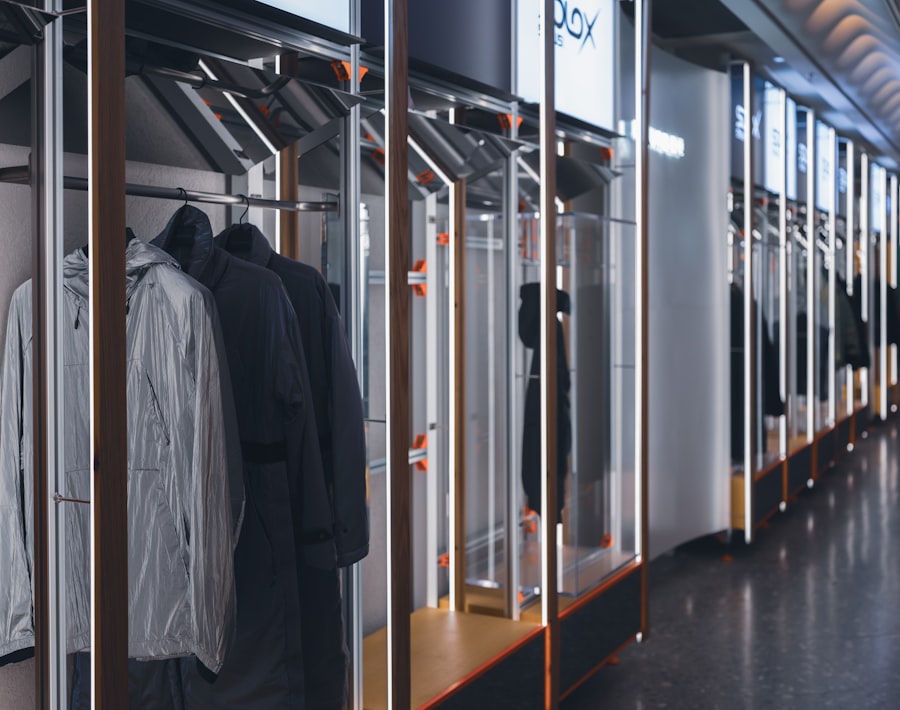
An organised wardrobe is essential for ensuring that clothing and accessories are easily accessible when needed. One effective method for achieving this is through categorisation. By grouping similar items together—such as separating work attire from casual wear or organising accessories by type—individuals can streamline their dressing process.
For instance, placing all trousers in one section and all tops in another allows for quick selection without rummaging through a disordered collection. In addition to categorisation, employing clear storage solutions can further enhance accessibility. Transparent boxes or labelled bins enable users to quickly identify the contents without having to open each container.
For accessories like belts, scarves, and jewellery, dedicated organisers can be invaluable. A wall-mounted pegboard or a tiered jewellery stand not only keeps these items visible but also prevents tangling and damage.
The integration of multi-functional furniture within wardrobe designs represents a forward-thinking approach to maximising utility in limited spaces. For instance, a bench with built-in storage can serve as both a seating area for putting on shoes and a discreet place to store bags or seasonal items. This dual-purpose furniture not only optimises space but also enhances the overall functionality of the wardrobe area.
Another example of multi-functional design is the use of foldable or extendable components within wardrobes. A pull-out ironing board or a fold-down mirror can be seamlessly incorporated into the wardrobe structure, providing essential functions without requiring additional floor space. Such innovations are particularly beneficial in smaller homes where every square inch counts.
By embracing multi-functional furniture, homeowners can create wardrobes that are not only stylish but also equipped to handle the demands of modern living.
Designing a wardrobe for children presents unique challenges that require a balance between style and practicality. Children’s wardrobes must accommodate rapidly changing tastes and sizes while remaining functional for both parents and children alike. One effective strategy is to incorporate adjustable shelving and hanging rods that can grow with the child.
This adaptability ensures that the wardrobe remains relevant as children transition from toddlers to teenagers. In addition to flexibility, incorporating playful elements into children’s wardrobes can make the space more inviting. Bright colours, fun patterns, or themed decor can transform an ordinary wardrobe into an exciting personal space for children.
Furthermore, including lower hanging rods allows children to reach their clothes independently, fostering a sense of responsibility and ownership over their belongings. By creating a stylish yet practical wardrobe tailored to children’s needs, parents can encourage organisation while also celebrating their child’s individuality.
The advent of technology has revolutionised many aspects of daily life, and wardrobe design is no exception. Smart wardrobe solutions are increasingly popular, offering features that enhance organisation and accessibility through innovative technology. For instance, smart mirrors equipped with touch screens can provide outfit suggestions based on weather conditions or personal style preferences.
This integration of technology not only simplifies the dressing process but also adds an element of fun to daily routines. Moreover, apps designed for wardrobe management allow users to digitise their clothing inventory, making it easier to plan outfits and track what items are worn most frequently. These applications often include features such as virtual styling consultations or reminders for seasonal clothing swaps.
By harnessing technology in wardrobe design, individuals can create a more efficient and enjoyable experience when selecting outfits, ultimately leading to better organisation and reduced clutter.
Every family has unique needs when it comes to wardrobe design, making customisation an essential aspect of creating functional spaces. Factors such as the number of family members, lifestyle habits, and personal preferences all play a role in determining the ideal wardrobe configuration. For instance, families with young children may require lower hanging spaces for easy access while also needing additional storage for toys or sports equipment.
Customisation can extend beyond mere layout; it can also encompass finishes and materials that reflect the family’s style. A family that values sustainability may opt for eco-friendly materials such as reclaimed wood or bamboo finishes, while those with a penchant for modern aesthetics might choose sleek metal accents or high-gloss surfaces. By tailoring wardrobe designs to suit specific family needs and preferences, homeowners can create spaces that are not only functional but also deeply personal.
For busy families juggling multiple schedules and responsibilities, maintaining an organised wardrobe can often feel like an overwhelming task. However, implementing simple strategies can significantly ease this burden. One effective approach is to establish a regular decluttering routine—perhaps once every season—where family members assess their clothing and accessories to determine what is still needed or loved.
Additionally, creating designated zones within the wardrobe for different family members can streamline organisation efforts. Each person could have their own section with clearly defined boundaries, making it easier to keep track of individual belongings.
Incorporating hooks or baskets for frequently used items like bags or shoes can further enhance organisation by providing specific places for these essentials. By adopting these maintenance tips, busy families can cultivate an organised wardrobe environment that supports their dynamic lifestyles while reducing stress associated with cluttered spaces.
When it comes to creating functional wardrobe designs for busy families, it is essential to consider the importance of quality joinery work. Finding the best kitchen joinery near you can make a significant difference in the overall functionality and aesthetics of your home. ASPEC Joinery offers comprehensive guidance on how to choose the right joinery services for your needs. In addition, transforming your store with a trusted store fit-out contractor can help maximise space and improve efficiency. ASPEC Joinery also provides insights on affordable kitchen renovation costs, allowing families to transform their kitchens without breaking the bank. For more information on how joinery work can enhance your home, visit ASPEC Joinery’s website.
Functional wardrobe designs are storage solutions that are designed to maximise space and efficiency, making it easier for busy families to organise and access their clothing and accessories.
Functional wardrobe designs can help busy families save time and reduce stress by providing efficient storage solutions for their clothing and accessories. These designs can also help families keep their wardrobes organised and clutter-free.
Some features of functional wardrobe designs include adjustable shelving, hanging rods, drawers, and compartments for shoes, accessories, and other items. These designs may also include built-in lighting, mirrors, and other convenient features.
Functional wardrobe designs can help busy families save time by making it easier to find and access clothing and accessories. With everything neatly organised and easily visible, families can quickly select their outfits and get ready for the day.
Yes, there are various types of functional wardrobe designs available, including walk-in wardrobes, built-in wardrobes, sliding door wardrobes, and customisable modular systems. Families can choose the design that best suits their space and storage needs.
Yes, many companies offer customisable options for functional wardrobe designs, allowing families to tailor the storage solutions to their specific needs and preferences. This can include choosing the layout, materials, and accessories for the wardrobe.
Don’t Take Our Word For It
Aspec has recieved fantastic 5/5 Star Rating from its clients!
Professional from start to finish!
Wow! Omar was fantastic right from the very beginning! With 6 weeks to go until baby number 2s arrival, Omar delivered on his word to create a phenomenal outdoor kitchen for our alfresco area! It is exactly the vision we had in mind! We are so impressed with the workmanship and quality as well as the effort to get the work completed in such a tight timeframe. Very open and honest about pricing upfront also! Would highly recommend Omar and his team. The level of professionalism, honesty, workmanship and quality was spot on and always has time to discuss and go through any questions or concerns. Thank you A Spec Joinery for doing a fantastic job and in the short time we had to do it by! Particularly fitting us in a busy December!
Bianca M Vucetic
Professional from start to finish!
Great attentions to detail very informative throughout highly reccomend!
Mark, Double Bay
Professional from start to finish!
Omar installed a new kitchen for us. The process was easy and Omar kept in contact with us at all stages. The kitchen was installed in only a couple of days and looks fantastic. We’re very happy with the result.
Mat Pal
Professional from start to finish!
Omar was excellent to deal with. He and his team built and installed a large built-in wardrobe and cupboard, giving us good advice on the design. He was very professional in surveying the complex space for the units – it’s an older house with uneven floor and ceiling – and in preparing the design. His team constructed the units off-site within the time he indicated. Installation was complex and went very smoothly. The whole project was on time and on budget and the product delivered was of the highest quality. We would certainly use him again and recommend him to our friends.
Phillip Hart
Professional from start to finish!
Omar was fantastic to deal with and produced outstanding quality work for our new storage cupbaords and floating shelves. The final product was exactly what we wanted and made with care and attention. We highly recommend him for joinery and cabinetry works. Many thanks, Vince
Vincent Banton
Professional from start to finish!
Omar and his team are awesome. Professional, efficient and really went the extra mile creating beautiful joinery for my studio. Will definitely engage their services again and refer to anyone.
Carla Sconce
Professional from start to finish!
Dealt with Omar from A Spec on our office fit out, all work was done ahead of time and costs were maintained the whole way through. Would happily use A Spec again or recommend to anyone without hesitation.
Emanuel Karantonis
Professional from start to finish!
My experience with Omar and his team has been amazing and trouble-free.
Omar’s attention to detail and quick response time gave me comfort and confidence that the end product would be great.
Being in the construction industry, I couldn’t fault their workmanship and timing. Everything delivered on time and on budget.
Would definitely use Aspec Joinery again.
Ben Yee
Professional from start to finish!
Omar and the team at A Spec Joinery built our kitchen and bookshelves in 2021. The work is really high quality. It’s now 2024 and everything still looks great and functions just like the day they were built. I would highly recommend A Spec, particularly for the after build service. Nothing is too much trouble for Omar.
Alistair McLean
Professional from start to finish!
Omar and his team have worked wonders on all our joinery for our renovation, they constantly went above and beyond during all aspects of the build from planning to manufacturing and installation.
They have done an absolutely beautiful job and it is my pleasure to recommend A-Spec joinery to everyone.
Their professional attitude was exemplary and it was always lovely having Omar and the team in our house, they made an extremely stressful renovation into a positive experience.
A-Spec Joinery made our dreams come true and there are no words that can express how appreciative we are and so happy that we chose them.
If you want the best go with A-Spec Joinery.
Vincent & Anna
Vincent Jones
Professional from start to finish!
Paul Casey
Professional from start to finish!
Matt B
Professional from start to finish!
Our experience with A Spec Joinery was outstanding. We were happy with every phase of our project from initial concept to drawings to finished products. Omar and his team’s attention to detail was fantastic. Highly recommend!!!
Sharon Antonir
Professional from start to finish!
High quality work, on time on budget very professional would engage their services again 100%. 2yrs on asked Omar for additional work and once again very professional, on time and very helpful.
Maurice Natoli