Kitchen joinery is a fundamental aspect of kitchen design, encompassing the construction and installation of cabinets, shelves, and other built-in furniture. It plays a crucial role in both the functionality and aesthetics of the kitchen space. As the kitchen often serves as the heart of the home, effective joinery can enhance its usability while also contributing to the overall style of the area. The craftsmanship involved in kitchen joinery can vary significantly, from bespoke designs tailored to individual needs to more standardised options that offer practicality at a lower cost.
The importance of kitchen joinery extends beyond mere appearance; it is integral to creating a well-organised and efficient cooking environment.
A well-designed kitchen can streamline meal preparation and storage, making daily tasks more manageable.
As such, understanding the principles of kitchen joinery is essential for homeowners and designers alike, as it allows for the creation of spaces that are not only visually appealing but also highly functional.
If you’re looking to enhance your kitchen’s aesthetic while keeping functionality in mind, you might find the article “Affordable Kitchen Renovation Cost: Transform Your Kitchen Without Breaking the Bank” particularly useful.
This piece offers valuable insights into budget-friendly renovation options that complement the stylish and practical aspects of kitchen joinery.
To explore these ideas further, you can read the article here: Affordable Kitchen Renovation Cost.
Selecting appropriate materials for kitchen joinery is a critical decision that impacts both durability and aesthetics. Common materials include solid wood, plywood, MDF (medium-density fibreboard), and various laminates. Solid wood is often favoured for its natural beauty and strength, providing a timeless appeal that can enhance any kitchen design. However, it can be susceptible to warping and requires regular maintenance to preserve its appearance. Plywood offers a more stable alternative, combining strength with resistance to moisture, making it suitable for kitchen environments.
MDF is another popular choice due to its smooth surface, which is ideal for painting or veneering. It is less expensive than solid wood and can be shaped into intricate designs, making it a versatile option for modern kitchens. Laminates, on the other hand, provide a wide range of colours and finishes at a lower cost, though they may not offer the same level of durability as wood or plywood. Ultimately, the choice of material should reflect both the desired aesthetic and the practical requirements of the kitchen space.
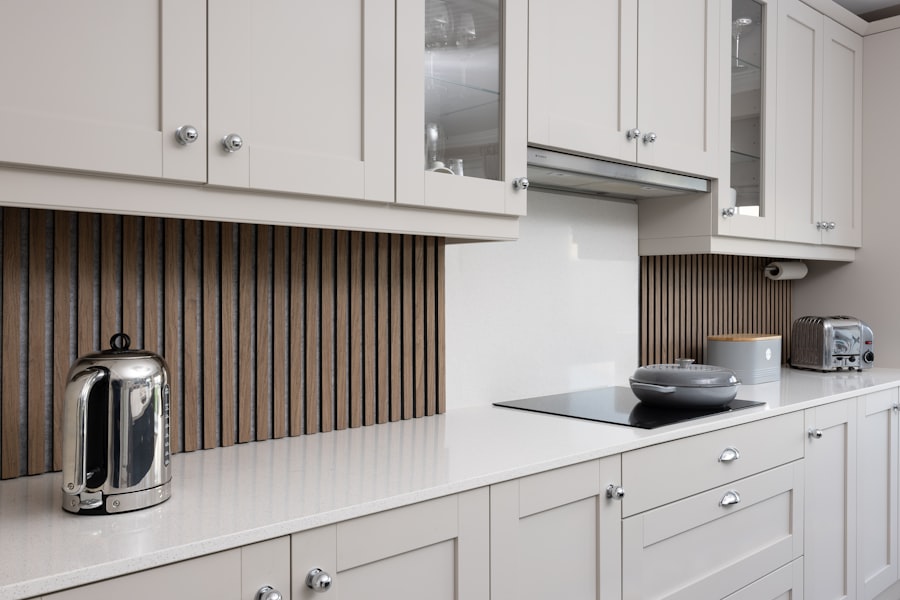
Effective storage solutions are essential in any kitchen, and clever joinery can significantly enhance this aspect. Custom cabinetry can be designed to fit into awkward spaces, such as corners or under stairs, ensuring that every inch of available space is utilised efficiently. Pull-out shelves, lazy Susans, and deep drawers can make accessing items easier while keeping the kitchen organised. These features not only improve functionality but also contribute to a cleaner and more streamlined appearance.
In addition to traditional cabinetry, incorporating open shelving can create an airy feel while providing easy access to frequently used items. This approach allows for personalisation through the display of decorative dishes or cookbooks, adding character to the kitchen. Furthermore, integrating vertical storage solutions, such as wall-mounted racks or pegboards, can free up counter space while keeping essential tools within reach. By employing these clever joinery solutions, homeowners can create a kitchen that is both practical and visually appealing.
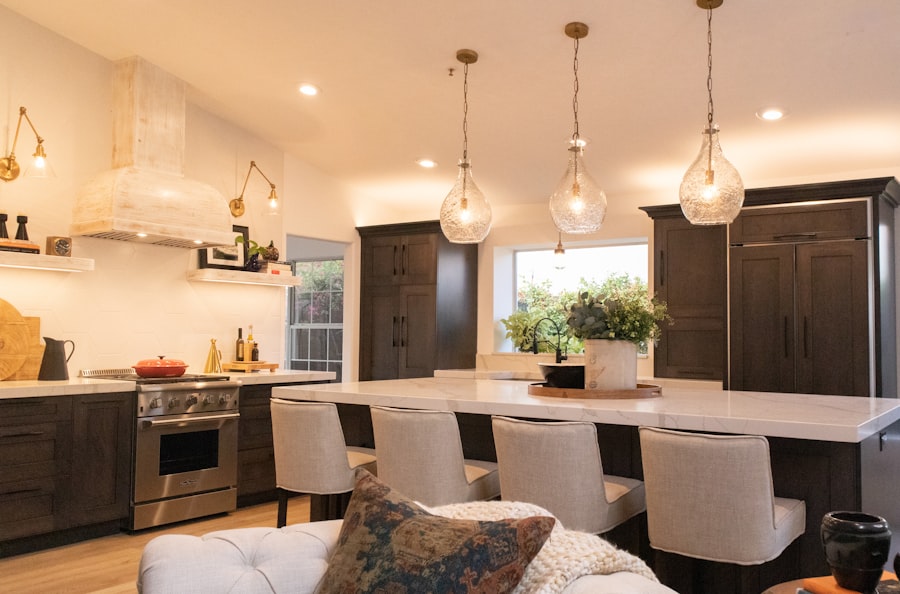
Functional features are vital in modern kitchen joinery, as they enhance usability and convenience. One popular addition is integrated appliances, which can be seamlessly incorporated into cabinetry to create a cohesive look. This not only saves space but also contributes to a minimalist aesthetic that many homeowners desire. Additionally, features such as built-in wine racks or spice drawers can add a touch of luxury while improving organisation.
Another functional aspect to consider is lighting within joinery. Under-cabinet lighting can illuminate work surfaces effectively, making food preparation safer and more enjoyable. Furthermore, incorporating soft-close mechanisms on drawers and doors enhances user experience by providing a quiet and smooth operation. These thoughtful details reflect a commitment to quality craftsmanship and attention to user needs, ultimately elevating the overall kitchen experience.
If you’re looking to enhance your kitchen’s aesthetic while maintaining functionality, you might find inspiration in the article about joinery solutions that seamlessly blend style with practicality. This resource delves into various design options that can elevate your kitchen space, ensuring that every element serves a purpose without compromising on elegance. Whether you’re considering a complete renovation or just a few updates, the insights provided can help you make informed choices that reflect your personal style.
The design of kitchen joinery has evolved significantly over recent years, with contemporary styles focusing on clean lines and minimalism. Modern kitchens often feature flat-panel cabinetry with sleek finishes that create an uncluttered look. The use of bold colours or contrasting materials can add visual interest without overwhelming the space. For instance, pairing dark cabinetry with light countertops can create a striking balance that enhances the overall design.
In addition to colour choices, hardware selection plays a crucial role in modern kitchen joinery. Simple handles or push-to-open mechanisms can maintain the streamlined appearance while providing functionality. Open shelving has also gained popularity in modern designs, allowing for both storage and display opportunities that contribute to a personalised touch. By embracing these stylish elements, homeowners can create kitchens that are not only functional but also reflect current design trends.
In exploring the balance between functionality and style in kitchen design, it’s worth considering how customised solutions can enhance both aesthetics and practicality. For instance, the article on
Support
Operating Hours
Open 5 Days
Monday – Friday : 7:30am – 5:00pm