Kitchen renovations have become a significant focus for homeowners looking to enhance both the functionality and aesthetic appeal of one of the most important spaces in their homes. The kitchen serves as a central hub for family gatherings, meal preparation, and social interactions, making it essential that the design reflects both practicality and personal style. As trends evolve, so too do the approaches to kitchen renovations, with an increasing emphasis on sustainability, technology, and innovative design solutions.
In recent years, the kitchen renovation market has witnessed a surge in interest, driven by a combination of factors including the rise of home improvement television shows, social media inspiration, and a growing awareness of environmental issues. Homeowners are now more inclined to invest in their kitchens, recognising that a well-designed space can significantly increase property value while also improving daily living experiences. This article will explore various aspects of kitchen renovations, highlighting contemporary trends and features that are shaping modern kitchens.
If you’re considering a kitchen renovation, it’s essential to stay informed about the latest trends that can elevate your space. One insightful article that delves into custom joinery solutions for unique home spaces can be found here: Explore Custom Joinery Solutions. This resource offers valuable ideas on how bespoke cabinetry and tailored designs can transform your kitchen, ensuring it not only meets your functional needs but also reflects your personal style.
The shift towards sustainability in kitchen renovations is evident in the growing popularity of eco-friendly materials. Homeowners are increasingly opting for products that not only reduce environmental impact but also promote healthier living spaces. Materials such as bamboo, reclaimed wood, and recycled metal are becoming staples in modern kitchen designs. These options not only offer durability but also add unique character to the space, often telling a story of their origin.
In addition to the choice of materials, energy-efficient appliances play a crucial role in sustainable kitchen renovations. Many homeowners are now prioritising appliances that have high energy ratings, which can lead to significant savings on utility bills over time. Furthermore, incorporating water-saving fixtures and systems can contribute to a more sustainable kitchen environment. By making informed choices about materials and appliances, homeowners can create a kitchen that is both stylish and environmentally responsible.
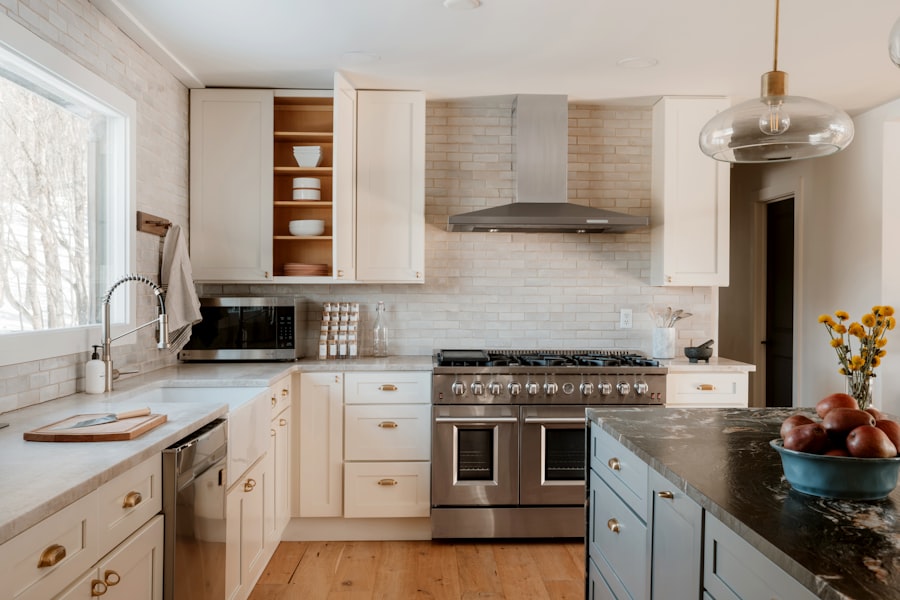
The integration of smart technology into kitchen renovations has transformed how homeowners interact with their cooking spaces. Smart appliances, such as refrigerators that can monitor food inventory or ovens that can be controlled remotely via smartphone apps, are becoming increasingly common. These innovations not only enhance convenience but also improve energy efficiency by allowing users to monitor and manage their energy consumption more effectively.
Moreover, smart home systems can be integrated into the kitchen to control lighting, temperature, and security features. Voice-activated assistants can help with meal preparation by providing recipes or setting timers, making cooking more accessible for individuals of all skill levels. As technology continues to advance, the possibilities for smart kitchens will expand further, offering even more ways to streamline tasks and enhance the overall cooking experience.
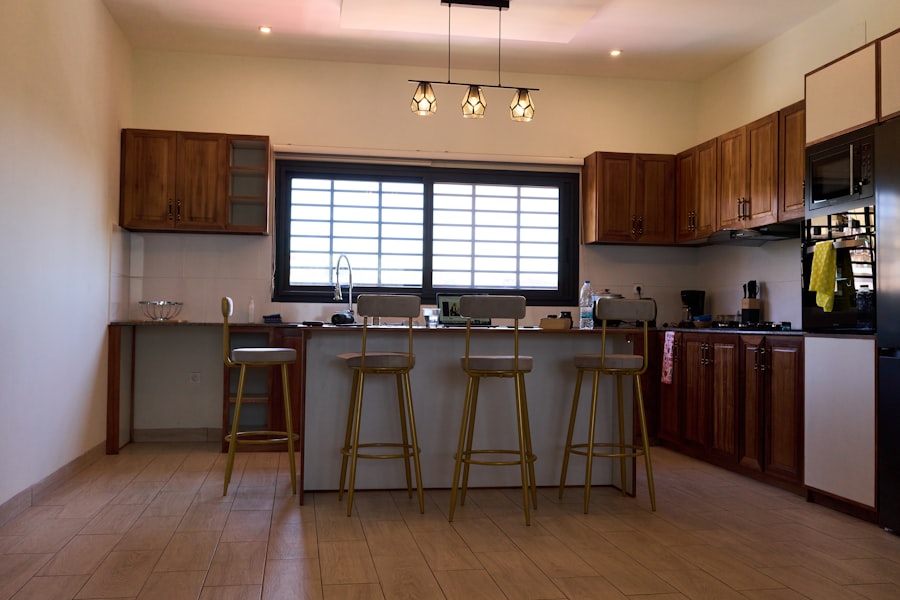
Open shelving has emerged as a popular trend in kitchen renovations, reflecting a shift towards minimalist design principles. This approach not only creates an illusion of more space but also encourages homeowners to curate their kitchenware thoughtfully. By displaying attractive dishes, glassware, and cookbooks, open shelving can add a personal touch to the kitchen while maintaining an uncluttered appearance.
Minimalist design extends beyond shelving; it encompasses a broader philosophy that prioritises simplicity and functionality. Clean lines, neutral colour palettes, and a lack of excessive ornamentation characterise this style. The focus is on creating a serene environment that allows for easy movement and efficient workflow. As more homeowners embrace this aesthetic, the traditional closed cabinetry is being replaced with open designs that promote both practicality and visual appeal.
For those considering a kitchen makeover, it’s essential to stay informed about the latest trends in kitchen renovations. A related article that provides valuable insights is available here, where you can explore how to choose the right display cabinet for your living room or gallery. This resource not only highlights contemporary design ideas but also offers practical tips that can be applied to kitchen spaces, ensuring your renovation reflects both style and functionality.
Lighting plays a crucial role in kitchen design, influencing both functionality and atmosphere. Statement lighting fixtures have become a focal point in many modern kitchens, serving as both practical sources of illumination and artistic elements that enhance the overall design. Pendant lights over islands or dining areas can create visual interest while providing targeted lighting for specific tasks.
In addition to pendant lights, other fixtures such as chandeliers or wall sconces can add elegance and character to the space. The choice of materials and styles for these fixtures can vary widely, allowing homeowners to express their personal taste. Whether opting for industrial-style metal fixtures or more traditional glass designs, statement lighting can significantly impact the kitchen’s ambiance and functionality.
If you’re considering a kitchen renovation, you might find it beneficial to explore the latest trends that can transform your space into a functional and stylish area.
A related article on bathroom renovations offers insights into how modern design principles can be applied across different rooms in your home.
You can read more about it here, where you’ll discover innovative ideas that could inspire your kitchen project as well.
The kitchen island has evolved from a simple workspace into a multi-functional feature that serves various purposes. Modern islands often incorporate additional storage solutions, seating areas, and even cooking appliances, making them central to the kitchen’s layout. This versatility allows homeowners to maximise their space while creating an area that is conducive to both cooking and socialising.
Worktops are also being designed with functionality in mind. Materials such as quartz or granite not only provide durability but can also be engineered to include integrated features like cutting boards or charging stations for electronic devices. By focusing on multi-functional designs, homeowners can create kitchens that cater to their specific needs while maintaining an organised and efficient environment.
In recent years, there has been a noticeable shift towards bold colour choices in kitchen renovations. Homeowners are moving away from traditional whites and neutrals in favour of vibrant hues that reflect their personality and style. Deep blues, rich greens, and even striking reds are being used to create focal points within the kitchen space. These bold colours can be applied to cabinetry, backsplashes, or accent walls, adding depth and character to the overall design.
Texture also plays a significant role in modern kitchen aesthetics. Combining different materials—such as matte finishes with glossy surfaces or rough textures with smooth ones—can create visual interest and enhance the tactile experience of the space. The interplay between colour and texture allows homeowners to craft unique environments that resonate with their individual tastes while remaining functional.
Personalisation has become a key aspect of kitchen renovations as homeowners seek to create spaces that reflect their lifestyles and preferences. Customised features such as bespoke cabinetry or tailored storage solutions allow for greater flexibility in design while ensuring that every element serves a purpose. This level of personalisation not only enhances functionality but also contributes to a sense of ownership over the space.
Additionally, incorporating personal touches—such as family heirlooms or artwork—can make the kitchen feel more inviting and unique. Homeowners are increasingly looking for ways to infuse their personalities into their kitchens through custom designs that cater specifically to their needs. This trend towards personalisation ensures that each renovated kitchen is not only practical but also a true reflection of its inhabitants.
In conclusion, kitchen renovations encompass a wide range of trends and innovations that cater to modern homeowners’ desires for functionality, sustainability, and personal expression. From eco-friendly materials to smart technology integration, each aspect contributes to creating spaces that are not only visually appealing but also practical for everyday use. As trends continue to evolve, the possibilities for designing contemporary kitchens remain vast, allowing homeowners to craft environments that truly meet their needs while reflecting their individual styles.
Current popular trends in kitchen renovations include open-plan layouts, the use of sustainable and eco-friendly materials, smart kitchen appliances, minimalist designs with clean lines, and incorporating natural light through larger windows or skylights.
To make a kitchen renovation more energy-efficient, consider installing energy-saving appliances, LED lighting, water-efficient faucets, and improved insulation. Additionally, using sustainable materials and incorporating smart technology to control lighting and heating can further enhance energy efficiency.
Smart appliances offer convenience, improved energy efficiency, and enhanced functionality. They can be controlled remotely via smartphones, provide real-time updates, and often include features that help reduce energy consumption, making the kitchen more modern and user-friendly.
The cost of a kitchen renovation varies widely depending on the size of the kitchen, materials used, and the extent of the work. On average, a mid-range kitchen renovation in the UK can cost between £8,000 and £15,000, but high-end renovations can exceed £30,000. It is advisable to obtain multiple quotes and plan for unexpected expenses.
Sustainable materials for kitchen renovations include reclaimed wood, bamboo, recycled glass countertops, low-VOC paints, and natural stone. These materials reduce environmental impact and often offer durability and aesthetic appeal. Choosing locally sourced materials can also contribute to sustainability.
Don’t Take Our Word For It
Aspec has recieved fantastic 5/5 Star Rating from its clients!
Professional from start to finish!
Wow! Omar was fantastic right from the very beginning! With 6 weeks to go until baby number 2s arrival, Omar delivered on his word to create a phenomenal outdoor kitchen for our alfresco area! It is exactly the vision we had in mind! We are so impressed with the workmanship and quality as well as the effort to get the work completed in such a tight timeframe. Very open and honest about pricing upfront also! Would highly recommend Omar and his team. The level of professionalism, honesty, workmanship and quality was spot on and always has time to discuss and go through any questions or concerns. Thank you A Spec Joinery for doing a fantastic job and in the short time we had to do it by! Particularly fitting us in a busy December!
Bianca M Vucetic
Professional from start to finish!
Great attentions to detail very informative throughout highly reccomend!
Mark, Double Bay
Professional from start to finish!
Omar installed a new kitchen for us. The process was easy and Omar kept in contact with us at all stages. The kitchen was installed in only a couple of days and looks fantastic. We’re very happy with the result.
Mat Pal
Professional from start to finish!
Omar was excellent to deal with. He and his team built and installed a large built-in wardrobe and cupboard, giving us good advice on the design. He was very professional in surveying the complex space for the units – it’s an older house with uneven floor and ceiling – and in preparing the design. His team constructed the units off-site within the time he indicated. Installation was complex and went very smoothly. The whole project was on time and on budget and the product delivered was of the highest quality. We would certainly use him again and recommend him to our friends.
Phillip Hart
Professional from start to finish!
Omar was fantastic to deal with and produced outstanding quality work for our new storage cupbaords and floating shelves. The final product was exactly what we wanted and made with care and attention. We highly recommend him for joinery and cabinetry works. Many thanks, Vince
Vincent Banton
Professional from start to finish!
Omar and his team are awesome. Professional, efficient and really went the extra mile creating beautiful joinery for my studio. Will definitely engage their services again and refer to anyone.
Carla Sconce
Professional from start to finish!
Dealt with Omar from A Spec on our office fit out, all work was done ahead of time and costs were maintained the whole way through. Would happily use A Spec again or recommend to anyone without hesitation.
Emanuel Karantonis
Professional from start to finish!
My experience with Omar and his team has been amazing and trouble-free.
Omar’s attention to detail and quick response time gave me comfort and confidence that the end product would be great.
Being in the construction industry, I couldn’t fault their workmanship and timing. Everything delivered on time and on budget.
Would definitely use Aspec Joinery again.
Ben Yee
Professional from start to finish!
Omar and the team at A Spec Joinery built our kitchen and bookshelves in 2021. The work is really high quality. It’s now 2024 and everything still looks great and functions just like the day they were built. I would highly recommend A Spec, particularly for the after build service. Nothing is too much trouble for Omar.
Alistair McLean
Professional from start to finish!
Omar and his team have worked wonders on all our joinery for our renovation, they constantly went above and beyond during all aspects of the build from planning to manufacturing and installation.
They have done an absolutely beautiful job and it is my pleasure to recommend A-Spec joinery to everyone.
Their professional attitude was exemplary and it was always lovely having Omar and the team in our house, they made an extremely stressful renovation into a positive experience.
A-Spec Joinery made our dreams come true and there are no words that can express how appreciative we are and so happy that we chose them.
If you want the best go with A-Spec Joinery.
Vincent & Anna
Vincent Jones
Professional from start to finish!
Paul Casey
Professional from start to finish!
Matt B
Professional from start to finish!
Our experience with A Spec Joinery was outstanding. We were happy with every phase of our project from initial concept to drawings to finished products. Omar and his team’s attention to detail was fantastic. Highly recommend!!!
Sharon Antonir
Professional from start to finish!
High quality work, on time on budget very professional would engage their services again 100%. 2yrs on asked Omar for additional work and once again very professional, on time and very helpful.
Maurice Natoli