The planning and layout of a kitchen are fundamental to its overall functionality and aesthetic appeal. A well-thought-out kitchen design begins with understanding the space available and how it will be used. This involves considering the kitchen’s shape, whether it is a galley, L-shaped, U-shaped, or an open-plan design.
Each layout has its advantages and can significantly influence the workflow within the kitchen. For instance, an L-shaped kitchen can provide ample counter space while allowing for easy movement between the cooking, cleaning, and storage areas. In contrast, a galley kitchen is often more compact, making it ideal for smaller homes or apartments where space is at a premium.
When planning the layout, it is essential to consider the kitchen work triangle, which consists of the stove, sink, and refrigerator. This concept is crucial for creating an efficient workspace that minimises unnecessary movement. Ideally, the three points of the triangle should be positioned in such a way that they are easily accessible to one another, allowing for a seamless cooking experience.
Additionally, incorporating zones for different activities—such as food preparation, cooking, and cleaning—can enhance the kitchen’s functionality. By carefully mapping out these zones and ensuring that they are logically arranged, homeowners can create a kitchen that not only looks good but also works efficiently.
Selecting the right materials for a kitchen is a critical aspect of both its durability and aesthetic appeal. The choice of materials can significantly influence the overall look and feel of the space, as well as its longevity under daily use. For countertops, options such as granite, quartz, and marble are popular due to their durability and resistance to heat and stains.
Granite offers a natural beauty with unique patterns, while quartz provides a non-porous surface that is easy to maintain. Marble, although more susceptible to scratching and staining, adds an element of luxury that many homeowners desire. Cabinetry materials also play a vital role in the kitchen’s design.
Solid wood cabinets are often favoured for their strength and timeless appeal, but they can be more expensive than alternatives like plywood or MDF (medium-density fibreboard). Plywood offers a good balance between cost and durability, while MDF can be an excellent choice for painted finishes due to its smooth surface. Additionally, the choice of flooring material should not be overlooked; options such as ceramic tiles, hardwood, or vinyl can all contribute to the kitchen’s overall aesthetic while providing practical benefits like ease of cleaning and resistance to moisture.
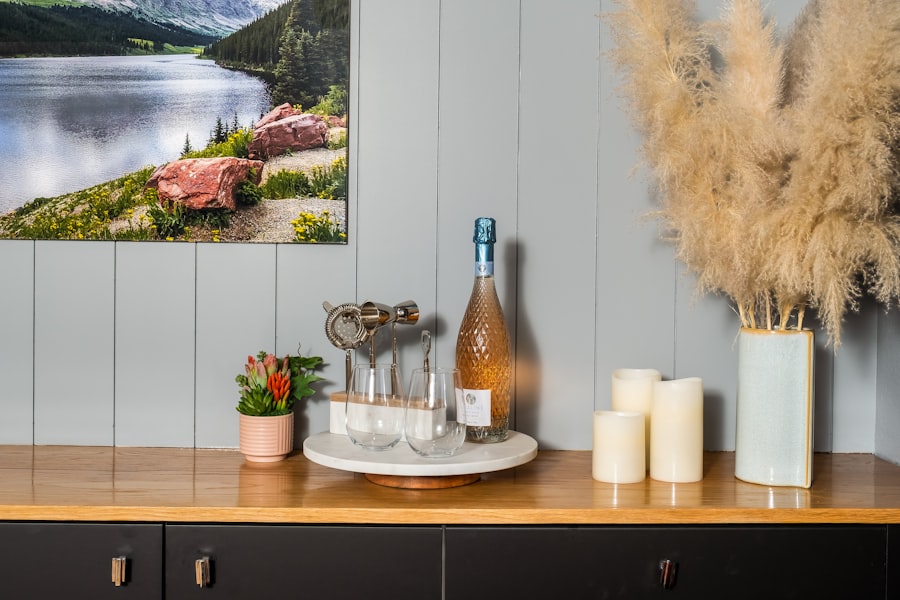
In any kitchen design, maximising storage space is paramount to maintaining an organised and functional environment. With the multitude of utensils, appliances, and ingredients that kitchens typically house, effective storage solutions can make all the difference in keeping clutter at bay. One popular method is to utilise vertical space by installing tall cabinets that reach up to the ceiling.
This not only provides additional storage but also draws the eye upward, creating an illusion of height in smaller kitchens. Incorporating pull-out shelves or lazy Susans within cabinets can also enhance accessibility and make it easier to reach items stored at the back. Drawer dividers are another effective solution for keeping utensils organised and easily accessible.
Furthermore, open shelving has gained popularity in recent years as a way to display attractive dishware or cookbooks while providing easy access to frequently used items. By thoughtfully considering storage options and integrating them into the kitchen design, homeowners can create a space that is both functional and visually appealing.
The selection of appliances is a crucial component of any kitchen design, as they not only impact functionality but also contribute to the overall aesthetic. When choosing appliances, it is essential to consider both performance and style. For instance, stainless steel appliances are often favoured for their modern look and durability; they can seamlessly blend with various design styles from contemporary to traditional.
However, coloured appliances are making a comeback, offering a bold statement that can add personality to the kitchen. Energy efficiency is another important factor when selecting appliances. Many modern appliances come with energy-saving features that not only reduce electricity consumption but also lower utility bills over time.
For example, induction cooktops are known for their quick heating capabilities and energy efficiency compared to traditional gas or electric stoves. Additionally, smart appliances equipped with Wi-Fi connectivity allow homeowners to control their devices remotely, providing convenience and enhancing the cooking experience. By carefully selecting appliances that align with both functional needs and personal style preferences, homeowners can create a kitchen that is both efficient and visually appealing.
Effective lighting and ventilation are essential elements in any kitchen design, contributing significantly to both functionality and comfort. A well-lit kitchen enhances visibility during food preparation and cooking while creating an inviting atmosphere for family gatherings or entertaining guests. Layered lighting is often recommended for kitchens; this includes ambient lighting from ceiling fixtures, task lighting under cabinets for work surfaces, and accent lighting to highlight specific design features or decorative elements.
Ventilation is equally important in maintaining a comfortable cooking environment. Proper ventilation helps remove smoke, steam, and cooking odours from the kitchen air, ensuring that it remains fresh and pleasant. Range hoods are commonly installed above cooktops to effectively capture airborne particles; they come in various styles—from sleek wall-mounted designs to more traditional under-cabinet models—allowing homeowners to choose one that complements their kitchen’s aesthetic.
Additionally, incorporating windows or skylights can provide natural light during the day while also allowing for cross-ventilation when needed.
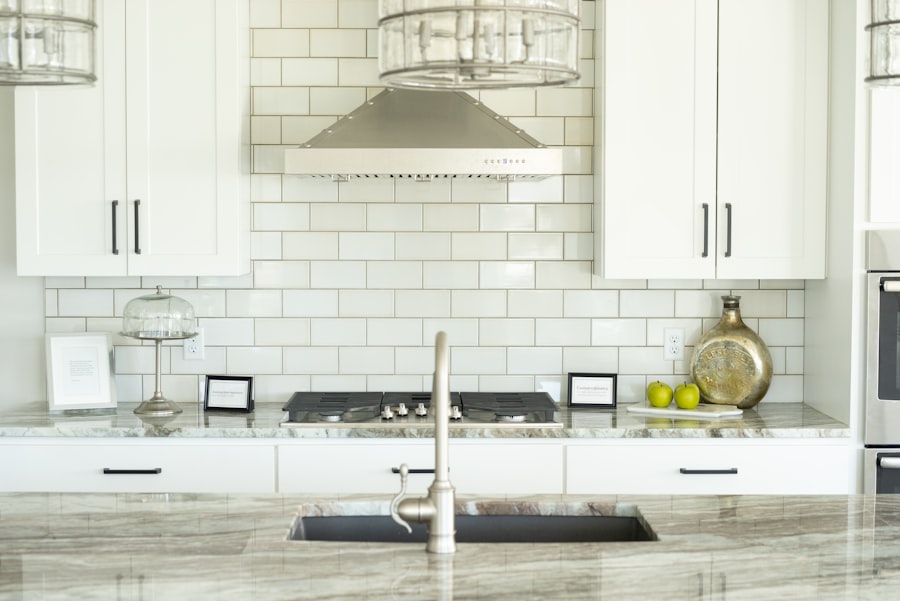
Incorporating stylish design elements into a kitchen can elevate its overall aesthetic and create a space that reflects personal taste. One way to achieve this is through the use of colour schemes; selecting a cohesive palette can unify various elements within the kitchen. For example, pairing soft pastel hues with white cabinetry can create a light and airy feel, while bold colours like navy blue or forest green can add depth and sophistication.
Textural contrasts also play a significant role in enhancing visual interest within the kitchen. Combining materials such as wood with metal accents or glossy tiles can create a dynamic look that draws the eye. Decorative backsplashes have become increasingly popular as a way to add personality; options range from classic subway tiles to intricate mosaic patterns that serve as focal points in the space.
Furthermore, incorporating unique hardware on cabinets—such as vintage knobs or sleek handles—can provide an additional layer of style without requiring extensive renovations.
The concept of the work triangle is integral to designing an efficient kitchen layout. This principle revolves around positioning the three main work areas—the stove, sink, and refrigerator—in a triangular formation that allows for easy movement between them. The ideal distance between each point should be between 4 to 9 feet; this ensures that cooks can move freely without feeling cramped or hindered by obstacles.
In addition to enhancing workflow, creating a functional work triangle also involves considering traffic patterns within the kitchen.
For instance, placing islands strategically can provide additional prep space while also serving as a gathering point for family members or guests.
By prioritising functionality in this way, homeowners can create kitchens that not only look beautiful but also support efficient cooking practices.
Personal touches are what truly transform a kitchen from a mere functional space into a warm and inviting home environment. These elements reflect individual style and preferences while making the kitchen feel uniquely yours. One effective way to incorporate personal touches is through artwork or decorative items; displaying framed photographs or local artwork on walls can add character and warmth to the space.
Another avenue for personalisation lies in choosing unique dishware or cookware that resonates with your style—whether it be vintage finds from flea markets or contemporary pieces from designer brands. Additionally, incorporating plants or herbs not only adds colour but also brings life into the kitchen; they can serve both decorative purposes and practical uses in cooking. By thoughtfully integrating these personal elements into the design, homeowners can create kitchens that are not only functional but also reflect their personality and lifestyle choices.
When embarking on the journey to design your perfect kitchen, it’s essential to consider not only the aesthetic appeal but also the functionality of your space. A related article that can provide valuable insights is this guide on kitchen cabinets. It delves into the various styles and materials available, helping you make informed decisions that align with your design vision and practical needs. By exploring these expert tips, you can ensure that your kitchen is both beautiful and efficient, tailored to your lifestyle and preferences.
Some key factors to consider when designing a kitchen include the layout, functionality, storage space, lighting, and the overall aesthetic of the space.
Some popular kitchen design trends at the moment include open shelving, statement lighting, mixed materials, and smart appliances.
To maximise storage space in your kitchen, consider incorporating pull-out pantry shelves, vertical storage solutions, and utilising the space above cabinets for additional storage.
To create a functional kitchen layout, consider the work triangle (the relationship between the sink, stove, and refrigerator), ensuring there is enough counter space, and incorporating adequate storage for kitchen tools and utensils.
A combination of task lighting, ambient lighting, and accent lighting works best in a kitchen. This can be achieved through the use of pendant lights, under-cabinet lighting, and recessed lighting.
To create a cohesive design in your kitchen, consider using a consistent colour palette, incorporating matching hardware and fixtures, and ensuring that the materials and finishes complement each other.
Don’t Take Our Word For It
Aspec has recieved fantastic 5/5 Star Rating from its clients!
Professional from start to finish!
Wow! Omar was fantastic right from the very beginning! With 6 weeks to go until baby number 2s arrival, Omar delivered on his word to create a phenomenal outdoor kitchen for our alfresco area! It is exactly the vision we had in mind! We are so impressed with the workmanship and quality as well as the effort to get the work completed in such a tight timeframe. Very open and honest about pricing upfront also! Would highly recommend Omar and his team. The level of professionalism, honesty, workmanship and quality was spot on and always has time to discuss and go through any questions or concerns. Thank you A Spec Joinery for doing a fantastic job and in the short time we had to do it by! Particularly fitting us in a busy December!
Bianca M Vucetic
Professional from start to finish!
Great attentions to detail very informative throughout highly reccomend!
Mark, Double Bay
Professional from start to finish!
Omar installed a new kitchen for us. The process was easy and Omar kept in contact with us at all stages. The kitchen was installed in only a couple of days and looks fantastic. We’re very happy with the result.
Mat Pal
Professional from start to finish!
Omar was excellent to deal with. He and his team built and installed a large built-in wardrobe and cupboard, giving us good advice on the design. He was very professional in surveying the complex space for the units – it’s an older house with uneven floor and ceiling – and in preparing the design. His team constructed the units off-site within the time he indicated. Installation was complex and went very smoothly. The whole project was on time and on budget and the product delivered was of the highest quality. We would certainly use him again and recommend him to our friends.
Phillip Hart
Professional from start to finish!
Omar was fantastic to deal with and produced outstanding quality work for our new storage cupbaords and floating shelves. The final product was exactly what we wanted and made with care and attention. We highly recommend him for joinery and cabinetry works. Many thanks, Vince
Vincent Banton
Professional from start to finish!
Omar and his team are awesome. Professional, efficient and really went the extra mile creating beautiful joinery for my studio. Will definitely engage their services again and refer to anyone.
Carla Sconce
Professional from start to finish!
Dealt with Omar from A Spec on our office fit out, all work was done ahead of time and costs were maintained the whole way through. Would happily use A Spec again or recommend to anyone without hesitation.
Emanuel Karantonis
Professional from start to finish!
My experience with Omar and his team has been amazing and trouble-free.
Omar’s attention to detail and quick response time gave me comfort and confidence that the end product would be great.
Being in the construction industry, I couldn’t fault their workmanship and timing. Everything delivered on time and on budget.
Would definitely use Aspec Joinery again.
Ben Yee
Professional from start to finish!
Omar and the team at A Spec Joinery built our kitchen and bookshelves in 2021. The work is really high quality. It’s now 2024 and everything still looks great and functions just like the day they were built. I would highly recommend A Spec, particularly for the after build service. Nothing is too much trouble for Omar.
Alistair McLean
Professional from start to finish!
Omar and his team have worked wonders on all our joinery for our renovation, they constantly went above and beyond during all aspects of the build from planning to manufacturing and installation.
They have done an absolutely beautiful job and it is my pleasure to recommend A-Spec joinery to everyone.
Their professional attitude was exemplary and it was always lovely having Omar and the team in our house, they made an extremely stressful renovation into a positive experience.
A-Spec Joinery made our dreams come true and there are no words that can express how appreciative we are and so happy that we chose them.
If you want the best go with A-Spec Joinery.
Vincent & Anna
Vincent Jones
Professional from start to finish!
Paul Casey
Professional from start to finish!
Matt B
Professional from start to finish!
Our experience with A Spec Joinery was outstanding. We were happy with every phase of our project from initial concept to drawings to finished products. Omar and his team’s attention to detail was fantastic. Highly recommend!!!
Sharon Antonir
Professional from start to finish!
High quality work, on time on budget very professional would engage their services again 100%. 2yrs on asked Omar for additional work and once again very professional, on time and very helpful.
Maurice Natoli