When it comes to designing a serene environment, the colour palette you choose plays a pivotal role. Soft, muted tones such as pale blues, gentle greens, and warm neutrals can evoke a sense of tranquillity. These colours not only create a soothing atmosphere but also help to reduce stress and anxiety. For instance, a light blue can remind one of the sky or sea, promoting feelings of calmness and peace. Similarly, soft greens can bring the essence of nature indoors, fostering a connection to the outdoors that is often missing in urban settings.
In contrast, bold and vibrant colours can be energising but may not be conducive to relaxation. It’s wise to limit their use in spaces meant for unwinding. Instead, consider using these brighter hues as accents—perhaps in artwork or decorative cushions—while keeping the main colour scheme subdued. This balance allows for a lively touch without overwhelming the senses. Remember, the goal is to create a space that feels like a retreat, where you can escape from the hustle and bustle of daily life.
In the pursuit of creating spaces that promote relaxation and rejuvenation, it is essential to consider the role of effective design in enhancing the overall atmosphere. A related article discusses the importance of partnering with a leading retail fit-out contractor to achieve exceptional store transformations, which can also be applied to residential spaces. By understanding how professional design can influence customer experience and comfort, one can draw parallels to creating personal sanctuaries at home. For more insights, you can read the article here: au/partner-with-a-leading-retail-fit-out-contractor-for-exceptional-store-transformations/’>Partner with a Leading Retail Fit-Out Contractor for Exceptional Store Transformations.
Bringing nature indoors is another effective way to cultivate a calming environment. Natural elements such as wood, stone, and plants can significantly enhance the overall aesthetic and atmosphere of your space. For example, wooden furniture or flooring adds warmth and texture, creating a more inviting feel. Stone accents, whether in the form of a fireplace or decorative features, can ground the space and provide a sense of stability.
Plants are particularly beneficial for both aesthetics and air quality. They not only add a splash of colour but also help purify the air, making your home healthier. Consider incorporating a variety of plants, from small succulents on shelves to larger potted plants in corners. If you’re not confident in your gardening skills, opt for low-maintenance varieties like snake plants or pothos. The presence of greenery can significantly uplift your mood and create a more serene atmosphere.

The furnishings you choose can greatly influence how comfortable and inviting your space feels. Opting for soft, plush materials can make a significant difference in creating a relaxing environment. Think about incorporating items like oversized sofas with soft cushions or armchairs that invite you to sink in and unwind. Fabrics such as cotton, linen, or velvet can add an element of luxury while still being practical.
Layering different textures can also enhance comfort. A soft throw blanket draped over a chair or a plush rug underfoot can make the space feel cozier. Additionally, consider the arrangement of your furniture; creating intimate seating areas encourages conversation and relaxation. The key is to ensure that every piece serves a purpose while contributing to an overall sense of comfort and ease.
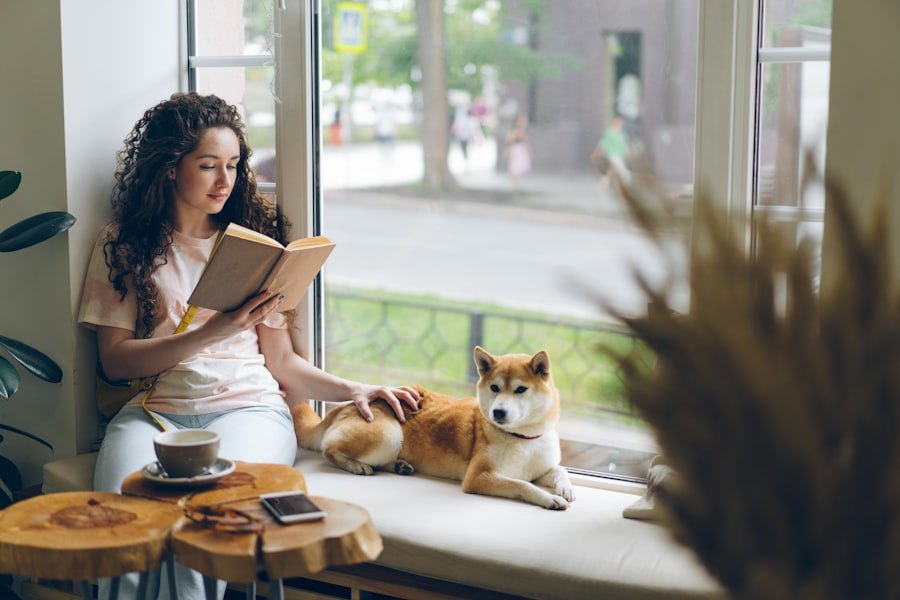
Natural light has an incredible impact on our mood and well-being. When designing your space, it’s essential to maximise the amount of natural light that enters. Large windows or glass doors can create an open feel and allow sunlight to flood in, brightening up even the smallest of rooms. If privacy is a concern, consider sheer curtains that let light in while still providing some coverage.
In addition to light, views play an important role in how we perceive our environment. If you’re fortunate enough to have a beautiful garden or scenic landscape outside your window, make it a focal point. Arrange your furniture to face these views, creating a connection between your indoor space and the natural world outside. This not only enhances the aesthetic appeal but also promotes a sense of peace and relaxation.
In the pursuit of creating environments that promote relaxation and rejuvenation, it is essential to consider the overall design and functionality of a space. A related article discusses how comprehensive commercial fit-out services can transform business spaces into tranquil havens that foster well-being and productivity. By incorporating elements that prioritise comfort and aesthetics, businesses can enhance the experience for both employees and clients. For further insights, you can explore the article on aspecjoinery.
com.au/comprehensive-commercial-fit-out-services-for-transforming-business-spaces/’>transforming business spaces.
In today’s world, many of us are looking for spaces that serve multiple purposes. Designing areas that can transition from relaxation zones to activity spaces is both practical and beneficial for mental well-being. For instance, a living room can be designed with comfortable seating for unwinding while also accommodating a workspace or hobby area.
Consider using furniture that can easily adapt to different needs—like a coffee table that doubles as a desk or ottomans that provide extra seating when needed. This flexibility allows you to create an environment that supports both relaxation and productivity without feeling cluttered or chaotic. By thoughtfully designing multi-functional spaces, you can ensure that your home meets all your needs while still feeling like a sanctuary.
Mindful design principles focus on creating spaces that promote well-being and mindfulness. This involves being intentional about how each element in your home contributes to your overall sense of peace and comfort. Start by decluttering your space; too many items can lead to feelings of overwhelm. Instead, curate your belongings to include only those that bring you joy or serve a purpose.
Incorporating elements that encourage mindfulness can also enhance your environment. For example, consider adding a meditation corner with cushions and calming decor where you can take time for yourself. You might also want to include artwork or photographs that inspire positive feelings or memories. By being mindful about what you include in your space, you create an environment that nurtures your mental health and encourages relaxation.
Aromatherapy is another powerful tool for creating a calming atmosphere in your home. Scents have a profound effect on our emotions and can significantly influence our mood. Consider using essential oils through diffusers or candles to fill your space with calming fragrances like lavender or chamomile. These scents are known for their relaxing properties and can help reduce stress levels.
Soundscapes also play an important role in setting the mood within your home. Soft background music or nature sounds can create an inviting atmosphere that promotes relaxation. You might consider investing in a sound machine that offers various options like ocean waves or gentle rain sounds. Alternatively, simply curating a playlist of soothing music can transform your space into a peaceful retreat where you can unwind after a long day.
Finally, personalisation is key when it comes to designing your calming retreat space. Everyone has different preferences for what makes them feel relaxed and at ease, so it’s important to tailor your environment to suit your individual needs. Think about what activities help you unwind—whether it’s reading, meditating, or enjoying a cup of tea—and design areas specifically for those activities.
Incorporate personal touches that reflect your personality and interests; this could be through artwork, photographs, or even books that inspire you. Creating a space that feels uniquely yours will enhance your sense of belonging and comfort within your home. Ultimately, the goal is to design an environment where you feel safe and relaxed—a true sanctuary from the outside world.
By thoughtfully considering each aspect of your home—from colour palettes to furnishings—you can create an inviting space that promotes relaxation and well-being. Whether it’s through natural elements or mindful design principles, every choice contributes to crafting an environment where you can truly unwind and recharge.
When designing spaces for relaxation and rejuvenation, it is important to consider elements such as natural light, comfortable seating, calming colour schemes, and the use of natural materials. These elements can help create a peaceful and tranquil environment.
Natural light can be incorporated into relaxation spaces by using large windows, skylights, and light-coloured curtains or blinds to allow maximum sunlight to enter the space. Additionally, using reflective surfaces and strategically placing mirrors can help to distribute natural light throughout the room.
Comfortable seating and furniture are essential in creating a relaxing environment as they provide a place for individuals to unwind and rest. Choosing ergonomic and supportive furniture, such as plush sofas and armchairs, can help promote relaxation and comfort.
Calming colour schemes, such as soft blues, greens, and neutral tones, can contribute to the overall atmosphere of relaxation spaces by creating a sense of tranquillity and serenity. These colours are known to have a soothing effect on the mind and body.
The use of natural materials, such as wood, stone, and bamboo, is important in the design of relaxation spaces as they can evoke a sense of connection to nature and promote a feeling of calmness. Natural materials also have a timeless and organic quality that can enhance the overall aesthetic of the space.
Don’t Take Our Word For It
Aspec has recieved fantastic 5/5 Star Rating from its clients!
Professional from start to finish!
Wow! Omar was fantastic right from the very beginning! With 6 weeks to go until baby number 2s arrival, Omar delivered on his word to create a phenomenal outdoor kitchen for our alfresco area! It is exactly the vision we had in mind! We are so impressed with the workmanship and quality as well as the effort to get the work completed in such a tight timeframe. Very open and honest about pricing upfront also! Would highly recommend Omar and his team. The level of professionalism, honesty, workmanship and quality was spot on and always has time to discuss and go through any questions or concerns. Thank you A Spec Joinery for doing a fantastic job and in the short time we had to do it by! Particularly fitting us in a busy December!
Bianca M Vucetic
Professional from start to finish!
Great attentions to detail very informative throughout highly reccomend!
Mark, Double Bay
Professional from start to finish!
Omar installed a new kitchen for us. The process was easy and Omar kept in contact with us at all stages. The kitchen was installed in only a couple of days and looks fantastic. We’re very happy with the result.
Mat Pal
Professional from start to finish!
Omar was excellent to deal with. He and his team built and installed a large built-in wardrobe and cupboard, giving us good advice on the design. He was very professional in surveying the complex space for the units – it’s an older house with uneven floor and ceiling – and in preparing the design. His team constructed the units off-site within the time he indicated. Installation was complex and went very smoothly. The whole project was on time and on budget and the product delivered was of the highest quality. We would certainly use him again and recommend him to our friends.
Phillip Hart
Professional from start to finish!
Omar was fantastic to deal with and produced outstanding quality work for our new storage cupbaords and floating shelves. The final product was exactly what we wanted and made with care and attention. We highly recommend him for joinery and cabinetry works. Many thanks, Vince
Vincent Banton
Professional from start to finish!
Omar and his team are awesome. Professional, efficient and really went the extra mile creating beautiful joinery for my studio. Will definitely engage their services again and refer to anyone.
Carla Sconce
Professional from start to finish!
Dealt with Omar from A Spec on our office fit out, all work was done ahead of time and costs were maintained the whole way through. Would happily use A Spec again or recommend to anyone without hesitation.
Emanuel Karantonis
Professional from start to finish!
My experience with Omar and his team has been amazing and trouble-free.
Omar’s attention to detail and quick response time gave me comfort and confidence that the end product would be great.
Being in the construction industry, I couldn’t fault their workmanship and timing. Everything delivered on time and on budget.
Would definitely use Aspec Joinery again.
Ben Yee
Professional from start to finish!
Omar and the team at A Spec Joinery built our kitchen and bookshelves in 2021. The work is really high quality. It’s now 2024 and everything still looks great and functions just like the day they were built. I would highly recommend A Spec, particularly for the after build service. Nothing is too much trouble for Omar.
Alistair McLean
Professional from start to finish!
Omar and his team have worked wonders on all our joinery for our renovation, they constantly went above and beyond during all aspects of the build from planning to manufacturing and installation.
They have done an absolutely beautiful job and it is my pleasure to recommend A-Spec joinery to everyone.
Their professional attitude was exemplary and it was always lovely having Omar and the team in our house, they made an extremely stressful renovation into a positive experience.
A-Spec Joinery made our dreams come true and there are no words that can express how appreciative we are and so happy that we chose them.
If you want the best go with A-Spec Joinery.
Vincent & Anna
Vincent Jones
Professional from start to finish!
Paul Casey
Professional from start to finish!
Matt B
Professional from start to finish!
Our experience with A Spec Joinery was outstanding. We were happy with every phase of our project from initial concept to drawings to finished products. Omar and his team’s attention to detail was fantastic. Highly recommend!!!
Sharon Antonir
Professional from start to finish!
High quality work, on time on budget very professional would engage their services again 100%. 2yrs on asked Omar for additional work and once again very professional, on time and very helpful.
Maurice Natoli