Collaborative design spaces have emerged as vital environments in which creativity and innovation can flourish. These spaces facilitate teamwork and communication among individuals from diverse backgrounds, allowing for the exchange of ideas and perspectives. In an increasingly interconnected world, the ability to collaborate effectively is essential for problem-solving and driving progress in various fields, including architecture, product design, and technology. By fostering a culture of collaboration, organisations can harness the collective intelligence of their teams, leading to more effective solutions and enhanced productivity.
Moreover, collaborative design spaces can significantly impact organisational culture. When employees work in environments that encourage interaction and cooperation, they are more likely to feel engaged and motivated. This sense of community can lead to improved job satisfaction and retention rates. As organisations recognise the importance of employee well-being and engagement, the design of collaborative spaces becomes a strategic priority. By investing in these environments, companies not only enhance their creative output but also cultivate a positive workplace atmosphere that attracts and retains talent.
In exploring the importance of design spaces that inspire team collaboration, it is worth considering how customised fit-out solutions can significantly enhance workplace environments. A related article discusses the transformative power of tailored office designs in fostering creativity and teamwork among employees. For further insights on this topic, you can read more about it in the article on customised fit-out solutions at Transform Your Office Space with Customized Fit-Out Solutions.
A successful collaborative design space incorporates several key elements that promote interaction and creativity. Firstly, the layout of the space is crucial. Open-plan designs often facilitate communication by removing physical barriers between team members. This layout encourages spontaneous discussions and brainstorming sessions, which can lead to innovative ideas. Additionally, the inclusion of various zones within the space—such as quiet areas for focused work, informal meeting spots, and larger collaborative areas—allows individuals to choose the environment that best suits their current task.
Another important element is the availability of resources and tools that support collaboration. This includes access to technology such as interactive whiteboards, projectors, and video conferencing equipment, which enable teams to share ideas and work together seamlessly, regardless of their physical location. Furthermore, providing materials for prototyping and experimentation can inspire creativity and encourage hands-on collaboration. By equipping design spaces with the necessary tools and resources, organisations can create an environment that actively supports teamwork and innovation.

The integration of technology into collaborative design spaces has transformed the way teams work together. Digital tools such as cloud-based platforms allow team members to share documents, designs, and feedback in real time, regardless of their geographical location. This level of connectivity is particularly beneficial for remote teams or organisations with multiple offices, as it ensures that all members can contribute to projects without being hindered by distance.
Moreover, emerging technologies such as virtual reality (VR) and augmented reality (AR) are beginning to play a significant role in collaborative design processes. These technologies enable teams to visualise concepts in three dimensions, facilitating a deeper understanding of design elements and potential challenges. By immersing team members in a virtual environment, they can explore ideas collaboratively and make informed decisions more efficiently. As technology continues to evolve, its role in enhancing collaboration within design spaces will likely expand further, offering new opportunities for innovation.
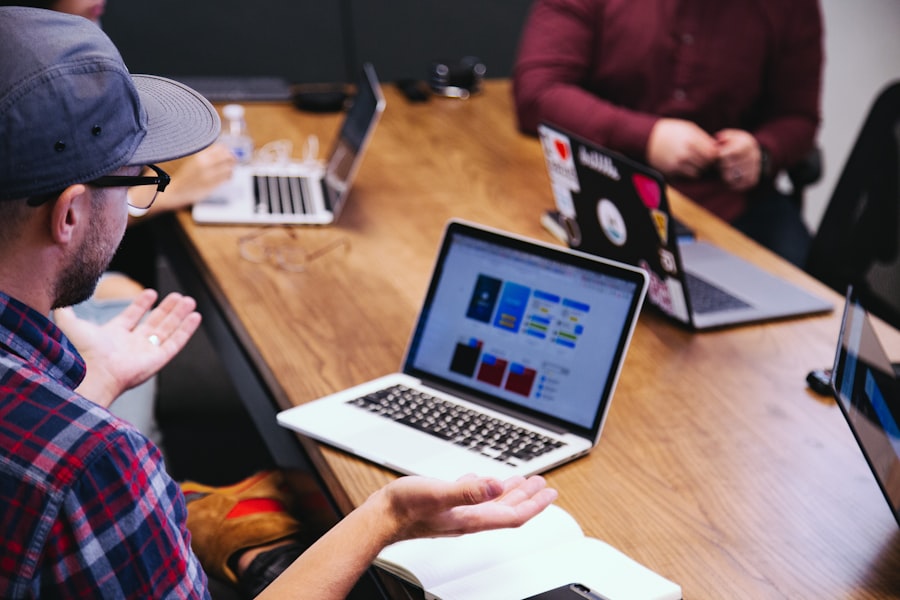
Flexibility is a critical characteristic of effective collaborative design spaces. As project requirements change or teams evolve, the ability to adapt the physical environment is essential. Modular furniture that can be easily reconfigured allows teams to create spaces that suit their specific needs at any given time. For instance, movable partitions can transform an open area into smaller meeting rooms or collaborative zones as required.
In addition to physical flexibility, it is also important to consider the adaptability of the space in terms of its functionality. A collaborative design space should be equipped to accommodate various activities, from brainstorming sessions to presentations or workshops. By designing spaces that can serve multiple purposes, organisations can maximise their use of available resources while ensuring that team members have access to environments conducive to their work.
Creating design spaces that inspire team collaboration is essential for fostering creativity and productivity in the workplace. A related article discusses the importance of incorporating elements that promote interaction and engagement among team members. By focusing on open layouts and flexible furniture arrangements, organisations can enhance communication and teamwork. For further insights on how to optimise your workspace, you can explore this informative piece that delves into effective design strategies.
To foster creativity and innovation within collaborative design spaces, it is essential to create an atmosphere that encourages experimentation and risk-taking. This can be achieved by incorporating elements that stimulate inspiration, such as art installations or interactive displays that provoke thought and discussion. Additionally, providing opportunities for informal interactions—such as social areas or breakout spaces—can help break down barriers between team members and encourage the free flow of ideas.
Furthermore, organisations should consider implementing practices that support creative thinking within their collaborative spaces. This may include regular brainstorming sessions or workshops designed to challenge conventional thinking and inspire new approaches to problem-solving. By actively promoting a culture of creativity within these environments, organisations can unlock the potential for innovative solutions that may not have emerged in more traditional settings.
Creating design spaces that inspire team collaboration is essential for fostering creativity and productivity in the workplace.
A recent article highlights how well-designed environments can significantly enhance teamwork and communication among employees.
For those interested in exploring how design can impact functionality, the insights shared in this related article on innovative bathroom vanities may provide valuable perspectives on integrating aesthetics with practicality in various spaces.
The physical environment plays a significant role in influencing mood and productivity levels. Research has shown that natural light can enhance focus and well-being while reducing stress levels among employees. Therefore, when designing collaborative spaces, it is crucial to maximise the use of natural light through large windows or skylights. This not only creates a more pleasant atmosphere but also helps to connect individuals with the outside world.
Incorporating greenery into collaborative design spaces further enhances the environment by improving air quality and promoting relaxation. Plants have been shown to reduce stress and increase overall satisfaction in workplace settings. By integrating biophilic design principles—such as living walls or indoor gardens—organisations can create spaces that are not only visually appealing but also beneficial for employees’ mental health. The combination of natural light and greenery contributes to a more inviting atmosphere that encourages collaboration and creativity.
Comfort is a fundamental aspect of any collaborative design space. When individuals feel comfortable in their environment, they are more likely to engage fully in collaborative activities. Ergonomic furniture is essential in this regard; chairs and desks should be designed to support healthy posture and reduce fatigue during long working hours. Additionally, providing a variety of seating options—such as lounge chairs or standing desks—allows individuals to choose what works best for them at any given moment.
Beyond physical comfort, it is also important to consider psychological well-being when designing collaborative spaces. Creating an inclusive environment where all team members feel valued and respected fosters a sense of belonging that is crucial for effective collaboration. This can be achieved through thoughtful design choices that reflect diversity and promote inclusivity, such as artwork from various cultures or spaces designed for quiet reflection. By prioritising comfort and well-being in collaborative design spaces, organisations can enhance employee satisfaction and productivity.
Several organisations have successfully implemented collaborative design spaces that exemplify best practices in fostering teamwork and innovation. One notable example is Google’s office designs, which feature open-plan layouts combined with various informal meeting areas and recreational facilities. These spaces encourage spontaneous interactions among employees while providing opportunities for relaxation and creativity.
Another case study is the co-working space WeWork, which has gained popularity for its flexible work environments tailored to meet the needs of diverse teams. WeWork locations often include communal areas designed for collaboration alongside private offices for focused work. This blend allows members to choose how they engage with their colleagues while benefiting from a vibrant community atmosphere.
These case studies illustrate how thoughtful design can create environments that support collaboration and innovation across different sectors. By learning from these examples, organisations can develop their own collaborative design spaces that align with their unique goals and culture, ultimately enhancing their capacity for creativity and problem-solving.
Design spaces that inspire team collaboration are thoughtfully arranged environments intended to encourage interaction, creativity, and teamwork among members of a group. These spaces often include flexible seating, open layouts, and technology that supports communication and idea sharing.
The design of collaborative spaces is important because it can significantly influence how effectively a team communicates and works together. Well-designed spaces promote engagement, reduce distractions, and foster a sense of community, which can lead to increased productivity and innovation.
Common features include movable furniture to allow for different group sizes, writable surfaces such as whiteboards or glass walls, ample natural light, access to technology like screens and video conferencing tools, and areas for both formal meetings and informal discussions.
Natural light has been shown to improve mood, energy levels, and focus, all of which contribute to better collaboration. Spaces with good natural lighting can help reduce eye strain and fatigue, making it easier for teams to stay engaged during discussions and brainstorming sessions.
Yes, technology plays a crucial role in enhancing collaboration by enabling seamless communication, sharing of ideas, and access to resources. Tools such as interactive displays, video conferencing equipment, and wireless connectivity support both in-person and remote team members, making collaboration more efficient and inclusive.
Don’t Take Our Word For It
Aspec has recieved fantastic 5/5 Star Rating from its clients!
Professional from start to finish!
Wow! Omar was fantastic right from the very beginning! With 6 weeks to go until baby number 2s arrival, Omar delivered on his word to create a phenomenal outdoor kitchen for our alfresco area! It is exactly the vision we had in mind! We are so impressed with the workmanship and quality as well as the effort to get the work completed in such a tight timeframe. Very open and honest about pricing upfront also! Would highly recommend Omar and his team. The level of professionalism, honesty, workmanship and quality was spot on and always has time to discuss and go through any questions or concerns. Thank you A Spec Joinery for doing a fantastic job and in the short time we had to do it by! Particularly fitting us in a busy December!
Bianca M Vucetic
Professional from start to finish!
Great attentions to detail very informative throughout highly reccomend!
Mark, Double Bay
Professional from start to finish!
Omar installed a new kitchen for us. The process was easy and Omar kept in contact with us at all stages. The kitchen was installed in only a couple of days and looks fantastic. We’re very happy with the result.
Mat Pal
Professional from start to finish!
Omar was excellent to deal with. He and his team built and installed a large built-in wardrobe and cupboard, giving us good advice on the design. He was very professional in surveying the complex space for the units – it’s an older house with uneven floor and ceiling – and in preparing the design. His team constructed the units off-site within the time he indicated. Installation was complex and went very smoothly. The whole project was on time and on budget and the product delivered was of the highest quality. We would certainly use him again and recommend him to our friends.
Phillip Hart
Professional from start to finish!
Omar was fantastic to deal with and produced outstanding quality work for our new storage cupbaords and floating shelves. The final product was exactly what we wanted and made with care and attention. We highly recommend him for joinery and cabinetry works. Many thanks, Vince
Vincent Banton
Professional from start to finish!
Omar and his team are awesome. Professional, efficient and really went the extra mile creating beautiful joinery for my studio. Will definitely engage their services again and refer to anyone.
Carla Sconce
Professional from start to finish!
Dealt with Omar from A Spec on our office fit out, all work was done ahead of time and costs were maintained the whole way through. Would happily use A Spec again or recommend to anyone without hesitation.
Emanuel Karantonis
Professional from start to finish!
My experience with Omar and his team has been amazing and trouble-free.
Omar’s attention to detail and quick response time gave me comfort and confidence that the end product would be great.
Being in the construction industry, I couldn’t fault their workmanship and timing. Everything delivered on time and on budget.
Would definitely use Aspec Joinery again.
Ben Yee
Professional from start to finish!
Omar and the team at A Spec Joinery built our kitchen and bookshelves in 2021. The work is really high quality. It’s now 2024 and everything still looks great and functions just like the day they were built. I would highly recommend A Spec, particularly for the after build service. Nothing is too much trouble for Omar.
Alistair McLean
Professional from start to finish!
Omar and his team have worked wonders on all our joinery for our renovation, they constantly went above and beyond during all aspects of the build from planning to manufacturing and installation.
They have done an absolutely beautiful job and it is my pleasure to recommend A-Spec joinery to everyone.
Their professional attitude was exemplary and it was always lovely having Omar and the team in our house, they made an extremely stressful renovation into a positive experience.
A-Spec Joinery made our dreams come true and there are no words that can express how appreciative we are and so happy that we chose them.
If you want the best go with A-Spec Joinery.
Vincent & Anna
Vincent Jones
Professional from start to finish!
Paul Casey
Professional from start to finish!
Matt B
Professional from start to finish!
Our experience with A Spec Joinery was outstanding. We were happy with every phase of our project from initial concept to drawings to finished products. Omar and his team’s attention to detail was fantastic. Highly recommend!!!
Sharon Antonir
Professional from start to finish!
High quality work, on time on budget very professional would engage their services again 100%. 2yrs on asked Omar for additional work and once again very professional, on time and very helpful.
Maurice Natoli