The design of medical spaces plays a pivotal role in shaping the experiences of patients, families, and healthcare professionals alike. A thoughtfully designed environment can significantly influence patient outcomes, satisfaction levels, and the efficiency of healthcare delivery. In hospitals, clinics, and other medical facilities, the physical space is not merely a backdrop for treatment; it actively contributes to the healing process.
Research has demonstrated that well-designed medical environments can reduce anxiety, promote relaxation, and enhance overall wellbeing. This is particularly crucial in settings where patients may already be experiencing high levels of stress due to illness or medical procedures. Furthermore, the importance of designing medical spaces extends beyond aesthetics; it encompasses functionality and accessibility as well.
A well-planned layout can facilitate smoother workflows for healthcare providers, enabling them to focus more on patient care rather than navigating cumbersome environments. For instance, the strategic placement of nursing stations, patient rooms, and treatment areas can minimise unnecessary movement and streamline communication amongst staff. This not only enhances operational efficiency but also fosters a sense of safety and comfort for patients, who are often vulnerable during their time in medical facilities.
Stress-reducing design elements are essential in creating environments that promote healing and comfort. One of the primary components is the incorporation of private spaces where patients can retreat from the hustle and bustle of a busy hospital or clinic. These areas can be designed as quiet rooms or meditation spaces, equipped with comfortable seating and calming decor.
The presence of such spaces allows patients to take a moment for themselves, reducing feelings of anxiety and promoting mental clarity. Another critical element is the use of sound design to create a tranquil atmosphere. The implementation of sound-absorbing materials can significantly diminish the noise levels that often plague medical facilities.
Additionally, the strategic use of soothing background music or nature sounds can further enhance the calming effect, providing patients with an auditory escape from their immediate surroundings.
The integration of natural elements into medical spaces has gained recognition for its profound impact on patient wellbeing. Biophilic design, which emphasises the connection between humans and nature, has been shown to reduce stress levels and improve mood. Incorporating features such as indoor plants, water features, and natural materials can create a more inviting atmosphere that promotes healing.
For instance, placing potted plants in waiting areas not only enhances aesthetic appeal but also improves air quality, contributing to a healthier environment. Large windows that allow natural light to flood into patient rooms and common areas are another effective way to incorporate nature into medical spaces. Studies have demonstrated that exposure to natural light can help regulate circadian rhythms, leading to better sleep patterns and overall health.
Furthermore, views of outdoor landscapes can provide a sense of connection to the outside world, which is particularly beneficial for patients who may feel isolated during their hospital stay. By bringing elements of nature indoors, healthcare facilities can create a more holistic healing environment.
Creating a calming atmosphere within medical spaces is essential for alleviating patient anxiety and fostering a sense of safety. One effective strategy is to utilise soft furnishings and textures that evoke comfort. The choice of furniture plays a significant role; for example, plush seating options in waiting areas can encourage relaxation while providing a welcoming environment for families accompanying patients.
Additionally, incorporating tactile elements such as soft blankets or cushions in patient rooms can enhance comfort levels during recovery. Soundscapes also contribute significantly to the overall atmosphere. The careful selection of ambient sounds can create a soothing backdrop that helps mask disruptive noises typical in medical settings.
For instance, gentle instrumental music or nature sounds can be played in waiting areas or treatment rooms to promote tranquillity. Furthermore, the use of water features, such as small fountains or aquariums, can provide both visual interest and calming auditory stimuli, further enhancing the overall experience for patients and visitors alike.
Colour and lighting are powerful tools in the design of medical spaces, influencing mood and behaviour in profound ways. Warm colours such as soft yellows and greens can evoke feelings of comfort and safety, while cooler tones like blues and purples may promote calmness and relaxation. The strategic use of colour can help create distinct zones within a facility; for example, brighter colours may be used in paediatric areas to create an engaging environment for children, while softer hues may be more appropriate for adult patient rooms.
Lighting also plays a crucial role in establishing a calming atmosphere. Natural light should be maximised wherever possible, as it has been shown to improve mood and reduce stress levels. In areas where natural light is limited, the use of adjustable artificial lighting can help mimic natural daylight patterns.
Dimmable lights allow for flexibility in creating different moods throughout the day; brighter lighting may be beneficial during busy hours while softer lighting can be employed during evenings or in patient rooms to promote relaxation.
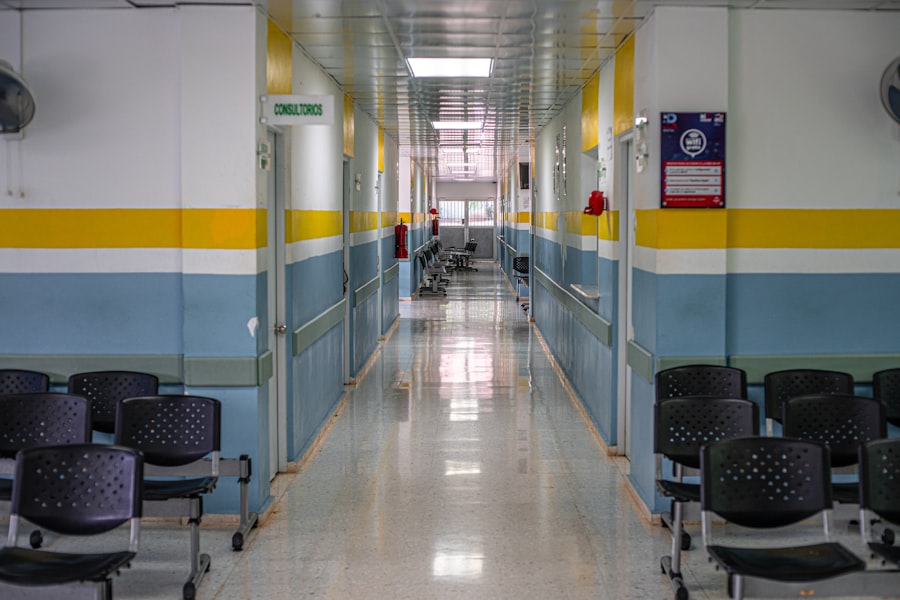
The layout and flow of medical spaces are fundamental aspects that directly impact both patient experience and staff efficiency. A well-considered layout should prioritise accessibility and ease of navigation for all users. Clear signage is essential in guiding patients through complex facilities; intuitive wayfinding systems can significantly reduce confusion and anxiety for those unfamiliar with the environment.
For instance, colour-coded pathways or thematic signage can help direct patients to various departments without overwhelming them. Moreover, the flow between different areas should be designed with both patient comfort and staff efficiency in mind. For example, placing waiting areas close to treatment rooms can minimise patient movement while ensuring that staff can easily monitor patients awaiting care.
Additionally, creating separate pathways for staff and patients can enhance privacy and reduce congestion in high-traffic areas. By carefully considering layout and flow, healthcare facilities can create environments that support both healing and operational effectiveness.
The integration of technology into medical spaces has transformed the way care is delivered and experienced by patients. Innovations such as telehealth services allow patients to consult with healthcare providers from the comfort of their homes, reducing the stress associated with travel and waiting times. In-person visits can also be enhanced through technology; for instance, interactive screens in waiting areas can provide educational content about procedures or health tips while keeping patients engaged.
Furthermore, smart room technology is becoming increasingly prevalent in hospitals and clinics. Features such as adjustable lighting controls, temperature regulation systems, and entertainment options allow patients to personalise their environment according to their preferences. This level of control can significantly enhance comfort during hospital stays, making patients feel more at home in what is often an unfamiliar setting.
Additionally, technology that facilitates communication between patients and healthcare providers—such as bedside tablets—can empower patients by keeping them informed about their care plans.
The impact of stress-reducing design on patient wellbeing cannot be overstated; it has far-reaching implications for both physical health outcomes and emotional resilience during treatment processes. Numerous studies have indicated that environments designed with patient comfort in mind lead to shorter recovery times, reduced pain perception, and lower levels of anxiety among patients. For instance, hospitals that have implemented biophilic design principles have reported significant improvements in patient satisfaction scores as well as decreased lengths of stay.
Moreover, stress-reducing design not only benefits patients but also positively influences healthcare staff by creating a more pleasant working environment. When staff members feel comfortable and supported within their surroundings, they are more likely to provide compassionate care—a crucial element in fostering positive patient experiences.
In the quest to create medical spaces that alleviate patient stress, it is essential to consider the overall environment and functionality of the area. A related article that explores the transformation of spaces is the one on comprehensive commercial fit-out services for transforming business spaces. This piece highlights how thoughtful design and layout can significantly impact the experience of individuals within various environments, including healthcare settings. By implementing similar principles, medical facilities can enhance patient comfort and reduce anxiety.
Key design elements include natural lighting, calming colour schemes, comfortable seating, noise reduction, clear signage, and the incorporation of natural elements such as plants or water features. These factors contribute to creating a soothing environment that can help alleviate patient anxiety.
Lighting plays a crucial role in influencing mood and stress. Natural light is preferred as it helps regulate circadian rhythms and promotes a sense of well-being. Where natural light is limited, warm, soft artificial lighting can reduce harshness and create a more relaxing atmosphere.
Colours can have psychological effects on patients. Soft, muted tones such as blues, greens, and earth colours are known to have calming effects, whereas bright or overly clinical colours may increase anxiety. The right colour palette helps create a welcoming and peaceful environment.
Noise reduction can be achieved through sound-absorbing materials, strategic layout planning to separate noisy areas from patient zones, and the use of white noise or calming background sounds. Minimising sudden or loud noises helps maintain a tranquil environment.
Comfortable and ergonomically designed furniture can help patients feel more at ease. Providing a variety of seating options, including chairs with armrests and supportive cushions, ensures comfort during waiting times and consultations.
Incorporating plants, natural materials like wood, and views of nature through windows or artwork can create a connection to the outdoors. These elements have been shown to reduce stress and improve overall patient satisfaction.
Yes, clear and intuitive wayfinding reduces confusion and frustration. Signage should be easy to read, consistent, and strategically placed to guide patients smoothly through the facility, thereby lowering stress levels.
Absolutely. A well-planned layout that minimises overcrowding, provides privacy, and ensures easy access to different areas can significantly reduce patient anxiety and improve the overall experience.
Paediatric spaces often benefit from bright, cheerful colours, playful elements, and child-friendly furniture. Creating a welcoming and non-threatening environment helps reduce stress for both children and their families.
Technology can streamline processes and reduce waiting times, which helps lower stress. However, it should be integrated thoughtfully to avoid creating a cold or impersonal atmosphere. User-friendly interfaces and discreet placement of equipment are important considerations.
Don’t Take Our Word For It
Aspec has recieved fantastic 5/5 Star Rating from its clients!
Professional from start to finish!
Wow! Omar was fantastic right from the very beginning! With 6 weeks to go until baby number 2s arrival, Omar delivered on his word to create a phenomenal outdoor kitchen for our alfresco area! It is exactly the vision we had in mind! We are so impressed with the workmanship and quality as well as the effort to get the work completed in such a tight timeframe. Very open and honest about pricing upfront also! Would highly recommend Omar and his team. The level of professionalism, honesty, workmanship and quality was spot on and always has time to discuss and go through any questions or concerns. Thank you A Spec Joinery for doing a fantastic job and in the short time we had to do it by! Particularly fitting us in a busy December!
Bianca M Vucetic
Professional from start to finish!
Great attentions to detail very informative throughout highly reccomend!
Mark, Double Bay
Professional from start to finish!
Omar installed a new kitchen for us. The process was easy and Omar kept in contact with us at all stages. The kitchen was installed in only a couple of days and looks fantastic. We’re very happy with the result.
Mat Pal
Professional from start to finish!
Omar was excellent to deal with. He and his team built and installed a large built-in wardrobe and cupboard, giving us good advice on the design. He was very professional in surveying the complex space for the units – it’s an older house with uneven floor and ceiling – and in preparing the design. His team constructed the units off-site within the time he indicated. Installation was complex and went very smoothly. The whole project was on time and on budget and the product delivered was of the highest quality. We would certainly use him again and recommend him to our friends.
Phillip Hart
Professional from start to finish!
Omar was fantastic to deal with and produced outstanding quality work for our new storage cupbaords and floating shelves. The final product was exactly what we wanted and made with care and attention. We highly recommend him for joinery and cabinetry works. Many thanks, Vince
Vincent Banton
Professional from start to finish!
Omar and his team are awesome. Professional, efficient and really went the extra mile creating beautiful joinery for my studio. Will definitely engage their services again and refer to anyone.
Carla Sconce
Professional from start to finish!
Dealt with Omar from A Spec on our office fit out, all work was done ahead of time and costs were maintained the whole way through. Would happily use A Spec again or recommend to anyone without hesitation.
Emanuel Karantonis
Professional from start to finish!
My experience with Omar and his team has been amazing and trouble-free.
Omar’s attention to detail and quick response time gave me comfort and confidence that the end product would be great.
Being in the construction industry, I couldn’t fault their workmanship and timing. Everything delivered on time and on budget.
Would definitely use Aspec Joinery again.
Ben Yee
Professional from start to finish!
Omar and the team at A Spec Joinery built our kitchen and bookshelves in 2021. The work is really high quality. It’s now 2024 and everything still looks great and functions just like the day they were built. I would highly recommend A Spec, particularly for the after build service. Nothing is too much trouble for Omar.
Alistair McLean
Professional from start to finish!
Omar and his team have worked wonders on all our joinery for our renovation, they constantly went above and beyond during all aspects of the build from planning to manufacturing and installation.
They have done an absolutely beautiful job and it is my pleasure to recommend A-Spec joinery to everyone.
Their professional attitude was exemplary and it was always lovely having Omar and the team in our house, they made an extremely stressful renovation into a positive experience.
A-Spec Joinery made our dreams come true and there are no words that can express how appreciative we are and so happy that we chose them.
If you want the best go with A-Spec Joinery.
Vincent & Anna
Vincent Jones
Professional from start to finish!
Paul Casey
Professional from start to finish!
Matt B
Professional from start to finish!
Our experience with A Spec Joinery was outstanding. We were happy with every phase of our project from initial concept to drawings to finished products. Omar and his team’s attention to detail was fantastic. Highly recommend!!!
Sharon Antonir
Professional from start to finish!
High quality work, on time on budget very professional would engage their services again 100%. 2yrs on asked Omar for additional work and once again very professional, on time and very helpful.
Maurice Natoli