In today’s fast-paced business environment, the concept of flexible workspaces has gained significant traction. These spaces are designed to adapt to the varying needs of employees and the organisation as a whole. The importance of flexibility in the workplace cannot be overstated; it allows companies to respond swiftly to changes in workforce dynamics, project requirements, and even external market conditions. By providing a variety of work settings, organisations can cater to different working styles, whether that’s collaborative team projects or focused individual tasks.
Moreover, flexible workspaces can enhance employee satisfaction and productivity. When employees have the freedom to choose where and how they work, they often feel more empowered and engaged. This sense of autonomy can lead to increased creativity and innovation, as individuals are more likely to thrive in environments that suit their personal preferences. As businesses continue to evolve, understanding the significance of flexible workspaces is crucial for fostering a culture that values adaptability and responsiveness.
In the quest to create adaptable environments that cater to the evolving needs of modern businesses, it is essential to consider how design can enhance functionality and aesthetics. A related article that delves into the importance of blending form and function in workspace design is available at Entertainment Unit Designs That Blend Function and Style. This piece highlights innovative design solutions that not only optimise space but also contribute to a more engaging and productive work atmosphere.
The integration of technology into workspace design is no longer optional; it’s essential. Modern workspaces must incorporate advanced technological solutions that facilitate seamless communication and collaboration. This includes everything from high-speed internet and video conferencing tools to smart lighting and climate control systems. By embracing technology, organisations can create environments that not only support productivity but also enhance the overall employee experience.
Additionally, technology can play a pivotal role in optimising workspace management. For instance, using data analytics can help organisations understand how their spaces are being utilised. This insight allows for informed decisions about layout changes or resource allocation, ensuring that every square foot is used effectively. As technology continues to advance, staying ahead of the curve in workspace design will be key to maintaining a competitive edge.
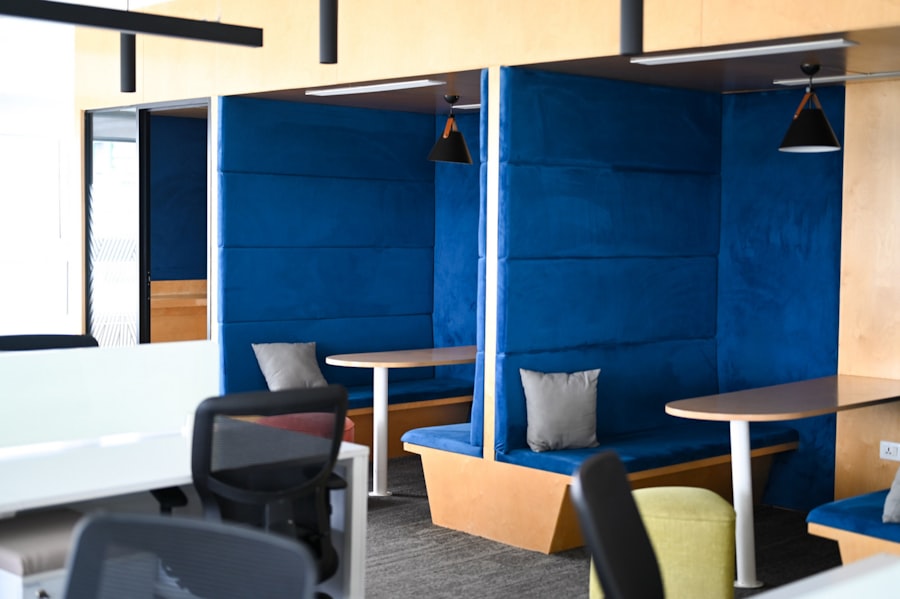
One of the hallmarks of modern workspace design is the creation of multi-functional areas. These spaces are designed to serve various purposes, accommodating different activities throughout the day. For example, a single area might be used for team meetings in the morning, transformed into a quiet zone for focused work in the afternoon, and then repurposed for social gatherings or brainstorming sessions later on. This versatility not only maximises space but also fosters a dynamic work environment.
To achieve this, it’s important to consider furniture and layout carefully. Modular furniture that can be easily rearranged or reconfigured is ideal for creating adaptable spaces. Additionally, incorporating movable partitions can help define areas without permanently altering the layout. By designing work areas that can shift according to need, organisations can create a more engaging and productive atmosphere for their employees.
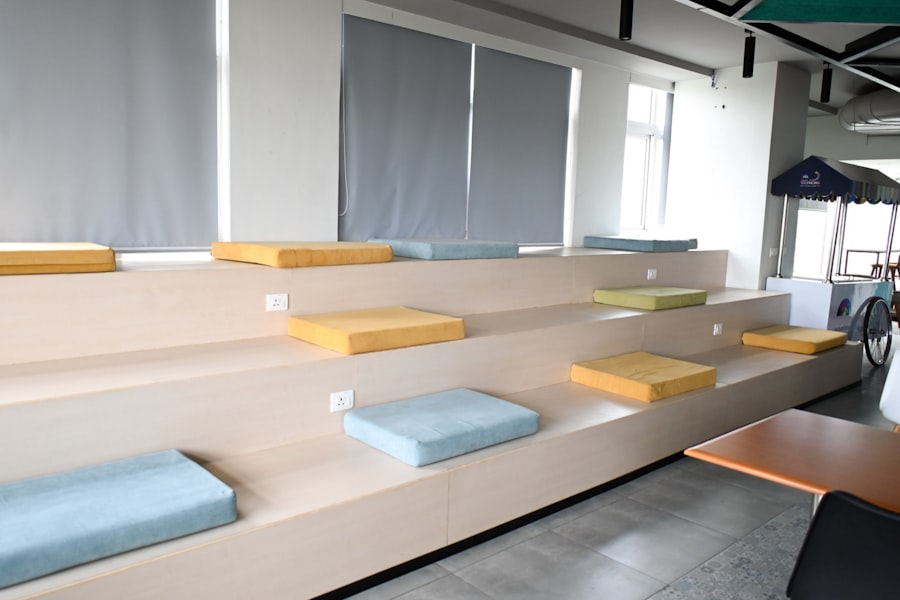
Employee wellbeing has become a central focus in workspace design, reflecting a growing recognition of its impact on productivity and job satisfaction. A well-designed workspace should promote physical health, mental wellbeing, and overall comfort. This can be achieved through various means, such as incorporating natural light, providing ergonomic furniture, and ensuring good air quality.
Moreover, creating spaces for relaxation and social interaction is equally important. Breakout areas with comfortable seating or quiet zones for mindfulness can help employees recharge during their workday. By prioritising wellbeing in workspace design, organisations not only demonstrate their commitment to their employees but also cultivate a more positive and productive work culture.
In the quest to create adaptable environments that cater to the diverse needs of employees, it is essential to consider the impact of design on productivity and well-being. A related article on kitchen renovations highlights how the heart of the office can also be transformed to support flexible workspaces. By integrating communal areas that encourage collaboration and creativity, businesses can foster a more dynamic atmosphere. For insights on enhancing communal spaces, you can read more about it in this informative piece on kitchen renovations.
The way we work is constantly evolving, influenced by factors such as technological advancements and shifting societal norms. As such, workspace design must be adaptable to these changing patterns and needs. For instance, the rise of remote work has led many organisations to rethink their office layouts and consider hybrid models that accommodate both in-office and remote employees.
Flexibility is key here; spaces should be designed with the understanding that they may need to change over time. This could mean creating areas that can easily transition from individual workstations to collaborative hubs or ensuring that technology is in place to support remote workers seamlessly. By being proactive in adapting to these changes, organisations can ensure their workspaces remain relevant and effective.
Creating adaptable environments is essential for contemporary businesses, and one insightful resource on this topic is an article that explores how custom cabinets can enhance living spaces. By understanding the principles of flexibility in design, companies can learn to optimise their workspaces for better functionality and employee satisfaction. For more information on transforming spaces, you can read about it here.
Maximising space utilisation is a critical aspect of effective workspace design. With real estate costs often being one of the largest expenses for businesses, it’s essential to make the most of every inch available. This involves not only thoughtful layout planning but also an understanding of how employees interact with their environment.
Utilising tools such as occupancy sensors can provide valuable insights into how spaces are used throughout the day. This data can inform decisions about which areas are underutilised and may need reconfiguration or repurposing. Additionally, incorporating flexible furniture solutions allows for quick adjustments based on current needs, ensuring that space remains efficient and functional.
Collaboration is at the heart of many successful organisations, making it vital for workspace design to encourage communication among employees. Open-plan layouts have been popular for fostering collaboration; however, it’s important to strike a balance between open spaces and areas that allow for privacy when needed.
Creating designated collaboration zones equipped with whiteboards, technology for presentations, and comfortable seating can facilitate teamwork while still providing options for quieter work when necessary. Additionally, incorporating informal meeting spots throughout the office can encourage spontaneous discussions and idea sharing among colleagues. By designing spaces that promote interaction while respecting individual working styles, organisations can enhance collaboration and drive innovation.
As we look ahead, future-proofing workspaces will be essential for long-term success. This involves not only anticipating changes in work patterns but also considering sustainability and environmental impact in design choices.
Incorporating eco-friendly materials and energy-efficient systems can contribute to a healthier planet while also appealing to employees who value corporate responsibility.
Furthermore, staying informed about emerging trends in workspace design will help organisations remain competitive. This could include keeping an eye on advancements in technology or shifts in employee expectations regarding workplace culture. By being proactive in future-proofing their workspaces, organisations can create environments that not only meet current needs but also adapt seamlessly to whatever lies ahead.
In conclusion, the evolution of workspace design reflects broader changes in how we work and interact with one another. By understanding the importance of flexibility, embracing technology, creating multi-functional areas, prioritising employee wellbeing, adapting to changing needs, maximising space efficiency, encouraging collaboration, and future-proofing designs, organisations can cultivate environments that support both their employees and their long-term success.
Flexible workspaces offer numerous benefits for modern businesses, including increased employee satisfaction, improved productivity, cost savings, and the ability to adapt to changing business needs.
Businesses can design flexible workspaces by incorporating modular furniture, movable partitions, and adaptable technology. They can also create different types of work areas, such as open collaboration spaces, private meeting rooms, and quiet zones.
Technology plays a crucial role in flexible workspaces by enabling remote work, providing flexible communication tools, and supporting mobile devices. Businesses can also use technology to track workspace usage and make data-driven decisions about space design.
Key considerations when designing flexible workspaces include understanding the needs of different types of workers, creating a balance between collaboration and privacy, and ensuring that the workspace can adapt to future changes in the business.
Businesses can measure the success of their flexible workspaces by tracking employee satisfaction, productivity levels, and space utilization. They can also gather feedback from employees and make adjustments based on their experiences.
Don’t Take Our Word For It
Aspec has recieved fantastic 5/5 Star Rating from its clients!
Professional from start to finish!
Wow! Omar was fantastic right from the very beginning! With 6 weeks to go until baby number 2s arrival, Omar delivered on his word to create a phenomenal outdoor kitchen for our alfresco area! It is exactly the vision we had in mind! We are so impressed with the workmanship and quality as well as the effort to get the work completed in such a tight timeframe. Very open and honest about pricing upfront also! Would highly recommend Omar and his team. The level of professionalism, honesty, workmanship and quality was spot on and always has time to discuss and go through any questions or concerns. Thank you A Spec Joinery for doing a fantastic job and in the short time we had to do it by! Particularly fitting us in a busy December!
Bianca M Vucetic
Professional from start to finish!
Great attentions to detail very informative throughout highly reccomend!
Mark, Double Bay
Professional from start to finish!
Omar installed a new kitchen for us. The process was easy and Omar kept in contact with us at all stages. The kitchen was installed in only a couple of days and looks fantastic. We’re very happy with the result.
Mat Pal
Professional from start to finish!
Omar was excellent to deal with. He and his team built and installed a large built-in wardrobe and cupboard, giving us good advice on the design. He was very professional in surveying the complex space for the units – it’s an older house with uneven floor and ceiling – and in preparing the design. His team constructed the units off-site within the time he indicated. Installation was complex and went very smoothly. The whole project was on time and on budget and the product delivered was of the highest quality. We would certainly use him again and recommend him to our friends.
Phillip Hart
Professional from start to finish!
Omar was fantastic to deal with and produced outstanding quality work for our new storage cupbaords and floating shelves. The final product was exactly what we wanted and made with care and attention. We highly recommend him for joinery and cabinetry works. Many thanks, Vince
Vincent Banton
Professional from start to finish!
Omar and his team are awesome. Professional, efficient and really went the extra mile creating beautiful joinery for my studio. Will definitely engage their services again and refer to anyone.
Carla Sconce
Professional from start to finish!
Dealt with Omar from A Spec on our office fit out, all work was done ahead of time and costs were maintained the whole way through. Would happily use A Spec again or recommend to anyone without hesitation.
Emanuel Karantonis
Professional from start to finish!
My experience with Omar and his team has been amazing and trouble-free.
Omar’s attention to detail and quick response time gave me comfort and confidence that the end product would be great.
Being in the construction industry, I couldn’t fault their workmanship and timing. Everything delivered on time and on budget.
Would definitely use Aspec Joinery again.
Ben Yee
Professional from start to finish!
Omar and the team at A Spec Joinery built our kitchen and bookshelves in 2021. The work is really high quality. It’s now 2024 and everything still looks great and functions just like the day they were built. I would highly recommend A Spec, particularly for the after build service. Nothing is too much trouble for Omar.
Alistair McLean
Professional from start to finish!
Omar and his team have worked wonders on all our joinery for our renovation, they constantly went above and beyond during all aspects of the build from planning to manufacturing and installation.
They have done an absolutely beautiful job and it is my pleasure to recommend A-Spec joinery to everyone.
Their professional attitude was exemplary and it was always lovely having Omar and the team in our house, they made an extremely stressful renovation into a positive experience.
A-Spec Joinery made our dreams come true and there are no words that can express how appreciative we are and so happy that we chose them.
If you want the best go with A-Spec Joinery.
Vincent & Anna
Vincent Jones
Professional from start to finish!
Paul Casey
Professional from start to finish!
Matt B
Professional from start to finish!
Our experience with A Spec Joinery was outstanding. We were happy with every phase of our project from initial concept to drawings to finished products. Omar and his team’s attention to detail was fantastic. Highly recommend!!!
Sharon Antonir
Professional from start to finish!
High quality work, on time on budget very professional would engage their services again 100%. 2yrs on asked Omar for additional work and once again very professional, on time and very helpful.
Maurice Natoli