Finding your personal style is a journey that often requires a bit of introspection. It’s not just about what looks good on you; it’s about what makes you feel good. Start by considering your preferences. Do you lean towards classic pieces, or are you more drawn to bold, contemporary designs? Think about the colours that resonate with you and the silhouettes that flatter your body shape. This self-awareness will serve as a foundation for curating a wardrobe that truly reflects who you are.
Another effective way to understand your style is to create a mood board. This can be a physical board or a digital collection of images that inspire you. Look for patterns in the outfits you admire—are they casual, formal, or somewhere in between?
Pay attention to the textures and fabrics that catch your eye.
By compiling these visuals, you’ll start to see a clearer picture of your style preferences, which can guide your future clothing choices.
When considering how to create a wardrobe that works for you, it’s essential to think about the overall aesthetic and functionality of your living space. A well-designed wardrobe can enhance your daily routine and complement your home’s interior. For further inspiration on how to revitalise your home, including the importance of cohesive design elements, you might find this article on kitchen remodelling particularly insightful: au/title-revitalize-your-home-with-an-inspiring-new-kitchen-remodel/’>Revitalize Your Home with an Inspiring New Kitchen Remodel
Your lifestyle plays a crucial role in determining what clothes you should have in your wardrobe. Consider your daily activities: Do you work in a corporate environment, or is your job more casual? Are you often out and about, or do you spend most of your time at home? Understanding how you spend your time will help you identify the types of clothing that will be most practical for you.
For instance, if you have a busy schedule filled with meetings and social events, investing in versatile pieces that can transition from day to night is essential. On the other hand, if your lifestyle is more laid-back, you might prioritise comfort and ease over formality. Take stock of your current wardrobe and assess which items align with your lifestyle and which ones don’t. This evaluation will help you make informed decisions when adding new pieces.
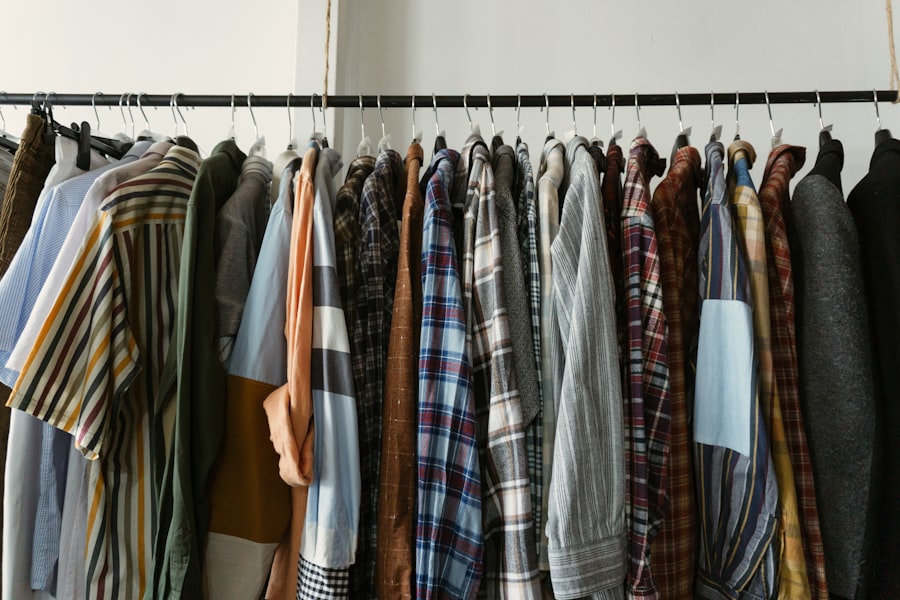
Once you have a grasp on your style and lifestyle, it’s time to build a solid foundation for your wardrobe. Start with the basics—these are the essential items that can be mixed and matched to create various outfits. Think of classic white shirts, well-fitted jeans, and versatile blazers. These foundational pieces should be timeless and adaptable, allowing you to layer and accessorise as needed.
Don’t forget about the importance of fit. Even the most stylish piece can fall flat if it doesn’t fit well. Consider visiting a tailor to ensure that your clothes are tailored to your body shape. A well-fitted garment can elevate your look significantly, making even simple outfits appear polished and put together. As you build this foundation, keep in mind that quality often trumps quantity; it’s better to have a few well-made basics than a closet full of items that don’t serve you.
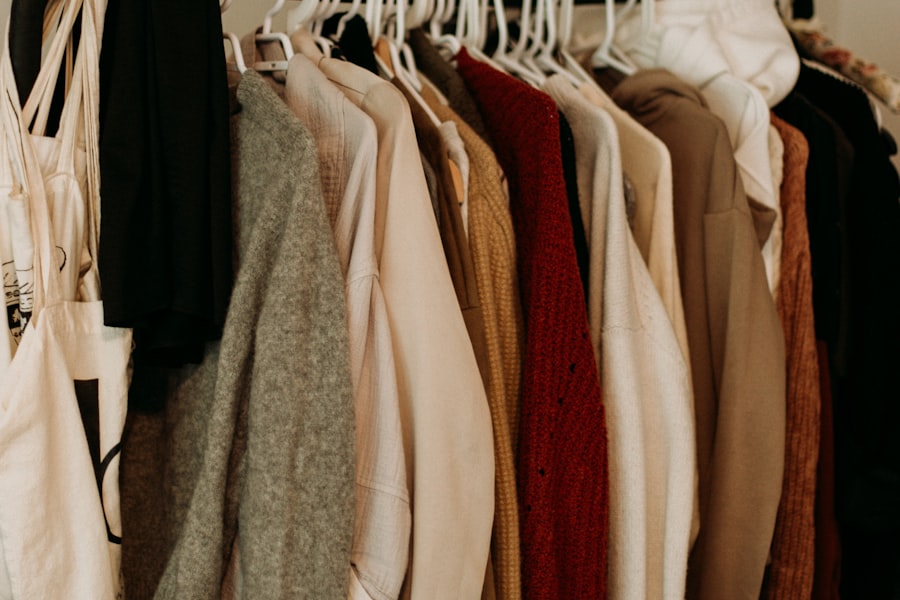
With a solid foundation in place, it’s time to get creative with mixing and matching your wardrobe pieces. This is where the fun begins! Experimenting with different combinations can lead to fresh looks that keep your style dynamic. Start by pairing unexpected items together—try a casual t-shirt with a tailored skirt or a formal blazer with distressed jeans. The key is to find balance; if one piece is bold or statement-making, consider keeping the rest of the outfit more subdued.
Accessories also play a significant role in this process. A simple outfit can be transformed with the right accessories—think statement necklaces, scarves, or hats. Don’t shy away from layering; combining different textures and lengths can add depth to your look. The more you play around with your wardrobe, the more confident you’ll become in creating outfits that reflect your unique style.
When considering how to create a wardrobe that works for you, it’s essential to think about the overall design and functionality of your space. A well-designed wardrobe can significantly enhance your daily routine, making it easier to organise your clothing and accessories. For those interested in elevating their entire living environment, you might find it beneficial to explore how a leading fitout company can transform your space. This article provides valuable insights into optimising your surroundings, which can complement your wardrobe planning perfectly. For more information, you can read about it here.
While it’s tempting to fill your wardrobe with trendy items at low prices, investing in quality pieces can save you money in the long run. High-quality garments tend to last longer and withstand the test of time better than their cheaper counterparts. When shopping, look for well-constructed items made from durable fabrics. Pay attention to details like stitching and finishing; these often indicate the overall quality of the piece.
Consider allocating a portion of your budget for investment pieces—these are items that may be pricier but will serve as staples in your wardrobe for years to come. A classic trench coat, a well-made pair of shoes, or a timeless handbag can elevate any outfit and provide versatility across seasons. Remember, it’s not about having an extensive wardrobe; it’s about having pieces that you love and that work well together.
When considering how to create a wardrobe that works for you, it can be beneficial to explore various aspects of personal style and functionality. A related article discusses the importance of utilising space effectively, which is particularly relevant when thinking about wardrobe design. You can read more about this in the article on transforming small kitchens, as the principles of stylish renovations can often be applied to wardrobe organisation as well. For further insights, check out the article here.
Staying current with fashion trends can be enjoyable, but it’s essential to incorporate them thoughtfully into your wardrobe. Trends come and go, so rather than overhauling your entire closet each season, consider adding a few trendy pieces that complement your existing style. This approach allows you to keep your look fresh without losing sight of what makes you feel comfortable.
When selecting trendy items, think about how they fit into your overall aesthetic. If you’re drawn to bold colours but typically wear neutrals, perhaps start with an accessory in a trendy hue rather than an entire outfit. This way, you can experiment without straying too far from your comfort zone. Additionally, consider how long-lasting the trend might be; some styles may only be relevant for a season or two, while others may have more staying power.
A well-organised wardrobe can make getting dressed each day much easier and more enjoyable. Start by decluttering—remove items that no longer fit or that you haven’t worn in over a year. This process not only frees up space but also helps you see what you truly have and what you might need.
Once you’ve decluttered, organise your remaining pieces in a way that makes sense for you. Some people prefer to sort by colour, while others might choose to group items by type (e.g., tops, bottoms, dresses). Whatever method you choose, ensure it’s practical for your daily routine. Regular maintenance is also key; take time to care for your clothes by following washing instructions and storing them properly to prolong their lifespan.
If you’re feeling overwhelmed or unsure about how to refine your style further, seeking professional advice can be incredibly beneficial. Personal stylists can offer tailored guidance based on your unique preferences and lifestyle needs. They can help you identify gaps in your wardrobe and suggest pieces that will enhance your overall look.
Additionally, consider attending workshops or style consultations where experts share tips on dressing for different body types or occasions. These resources can provide valuable insights that empower you to make informed choices about your wardrobe. Remember, investing in professional advice is not just about enhancing your style; it’s also about gaining confidence in how you present yourself to the world.
In conclusion, developing a personal style is an ongoing process that involves understanding yourself, assessing your lifestyle, and making thoughtful choices about what to wear. By building a solid foundation with quality pieces and being open to mixing and matching while incorporating trends wisely, you’ll create a wardrobe that not only looks good but feels right for you. Organising and maintaining this collection will ensure it remains functional and enjoyable over time, while professional advice can provide an extra layer of support as you navigate this journey.
Creating a wardrobe that works for you is important because it allows you to have a collection of clothing that suits your personal style, fits well, and is versatile enough to be worn for various occasions. This can save time and money, and help you feel confident and comfortable in your clothing choices.
To create a wardrobe that works for you, start by assessing your personal style, body shape, and lifestyle. Then, invest in quality basics, such as well-fitting jeans, a white shirt, and a versatile blazer. Consider your colour palette and choose pieces that can be mixed and matched easily. Finally, regularly edit and update your wardrobe to ensure it remains functional and reflects your current style.
Having a wardrobe that works for you can save time and reduce decision fatigue when getting dressed. It can also save money by preventing impulse purchases and ensuring that you get the most wear out of your clothing. Additionally, a well-curated wardrobe can help you feel more confident and put-together in your daily life.
To maintain a wardrobe that works for you, regularly assess your clothing to see if it still fits well, suits your style, and is in good condition. Consider donating or selling items that no longer serve you, and invest in pieces that fill any gaps in your wardrobe. Additionally, be mindful of your shopping habits and avoid purchasing items that don’t align with your personal style or needs.
To create a versatile wardrobe, focus on investing in timeless, classic pieces that can be dressed up or down. Choose neutral colours and simple patterns that can be easily mixed and matched. Consider the versatility of each item before purchasing, and aim to have a balance of casual and formal pieces that can be worn for various occasions. Finally, don’t be afraid to experiment with different combinations and styling techniques to maximise the potential of your wardrobe.
Don’t Take Our Word For It
Aspec has recieved fantastic 5/5 Star Rating from its clients!
Professional from start to finish!
Wow! Omar was fantastic right from the very beginning! With 6 weeks to go until baby number 2s arrival, Omar delivered on his word to create a phenomenal outdoor kitchen for our alfresco area! It is exactly the vision we had in mind! We are so impressed with the workmanship and quality as well as the effort to get the work completed in such a tight timeframe. Very open and honest about pricing upfront also! Would highly recommend Omar and his team. The level of professionalism, honesty, workmanship and quality was spot on and always has time to discuss and go through any questions or concerns. Thank you A Spec Joinery for doing a fantastic job and in the short time we had to do it by! Particularly fitting us in a busy December!
Bianca M Vucetic
Professional from start to finish!
Great attentions to detail very informative throughout highly reccomend!
Mark, Double Bay
Professional from start to finish!
Omar installed a new kitchen for us. The process was easy and Omar kept in contact with us at all stages. The kitchen was installed in only a couple of days and looks fantastic. We’re very happy with the result.
Mat Pal
Professional from start to finish!
Omar was excellent to deal with. He and his team built and installed a large built-in wardrobe and cupboard, giving us good advice on the design. He was very professional in surveying the complex space for the units – it’s an older house with uneven floor and ceiling – and in preparing the design. His team constructed the units off-site within the time he indicated. Installation was complex and went very smoothly. The whole project was on time and on budget and the product delivered was of the highest quality. We would certainly use him again and recommend him to our friends.
Phillip Hart
Professional from start to finish!
Omar was fantastic to deal with and produced outstanding quality work for our new storage cupbaords and floating shelves. The final product was exactly what we wanted and made with care and attention. We highly recommend him for joinery and cabinetry works. Many thanks, Vince
Vincent Banton
Professional from start to finish!
Omar and his team are awesome. Professional, efficient and really went the extra mile creating beautiful joinery for my studio. Will definitely engage their services again and refer to anyone.
Carla Sconce
Professional from start to finish!
Dealt with Omar from A Spec on our office fit out, all work was done ahead of time and costs were maintained the whole way through. Would happily use A Spec again or recommend to anyone without hesitation.
Emanuel Karantonis
Professional from start to finish!
My experience with Omar and his team has been amazing and trouble-free.
Omar’s attention to detail and quick response time gave me comfort and confidence that the end product would be great.
Being in the construction industry, I couldn’t fault their workmanship and timing. Everything delivered on time and on budget.
Would definitely use Aspec Joinery again.
Ben Yee
Professional from start to finish!
Omar and the team at A Spec Joinery built our kitchen and bookshelves in 2021. The work is really high quality. It’s now 2024 and everything still looks great and functions just like the day they were built. I would highly recommend A Spec, particularly for the after build service. Nothing is too much trouble for Omar.
Alistair McLean
Professional from start to finish!
Omar and his team have worked wonders on all our joinery for our renovation, they constantly went above and beyond during all aspects of the build from planning to manufacturing and installation.
They have done an absolutely beautiful job and it is my pleasure to recommend A-Spec joinery to everyone.
Their professional attitude was exemplary and it was always lovely having Omar and the team in our house, they made an extremely stressful renovation into a positive experience.
A-Spec Joinery made our dreams come true and there are no words that can express how appreciative we are and so happy that we chose them.
If you want the best go with A-Spec Joinery.
Vincent & Anna
Vincent Jones
Professional from start to finish!
Paul Casey
Professional from start to finish!
Matt B
Professional from start to finish!
Our experience with A Spec Joinery was outstanding. We were happy with every phase of our project from initial concept to drawings to finished products. Omar and his team’s attention to detail was fantastic. Highly recommend!!!
Sharon Antonir
Professional from start to finish!
High quality work, on time on budget very professional would engage their services again 100%. 2yrs on asked Omar for additional work and once again very professional, on time and very helpful.
Maurice Natoli