To curate a wardrobe that truly reflects who you are, it is essential to first understand your lifestyle and personal style. Your daily activities, work environment, and social engagements play a significant role in determining the types of clothing that will serve you best.
For instance, if you work in a corporate setting, your wardrobe will likely need to include formal attire, whereas a more casual job may allow for relaxed clothing options.
Additionally, consider your hobbies and interests; if you frequently engage in outdoor activities, your wardrobe should accommodate functional and comfortable pieces that support those pursuits.
Personal style is equally important in this process. It encompasses your aesthetic preferences, which can be influenced by various factors such as culture, art, and even historical fashion trends. To identify your personal style, take time to reflect on the outfits that make you feel confident and comfortable. You might find it helpful to create a mood board or collect images from fashion magazines and online platforms that resonate with you. This visual representation can serve as a guide when selecting pieces for your wardrobe, ensuring that your clothing choices align with your unique identity.
When considering how to create a wardrobe that fits your unique needs, it’s essential to think about functionality and style. A related article that may provide further insights is about selecting the right kitchen cabinets for renovation, which highlights the importance of tailored solutions in home design. You can read more about it here: How to Choose the Right Kitchen Cabinets for Renovation. This resource can inspire you to make informed choices that reflect your personal taste and practical requirements.
Once you have a clear understanding of your lifestyle and personal style, the next step is to assess your current wardrobe. This process involves a thorough evaluation of the clothing items you already own. Begin by removing all items from your wardrobe and laying them out in a visible space. This will allow you to see everything at once and make it easier to decide what to keep, donate, or discard. As you go through each piece, consider factors such as fit, condition, and how often you wear it. If an item no longer fits or has seen better days, it may be time to part ways.
Additionally, think about how well your current wardrobe aligns with your lifestyle needs. Are there gaps in your collection that prevent you from creating complete outfits? For example, if you have numerous tops but lack suitable bottoms, this imbalance can hinder your ability to dress appropriately for various occasions. By identifying these gaps, you can make informed decisions about what new pieces to acquire, ensuring that your wardrobe becomes more cohesive and functional.
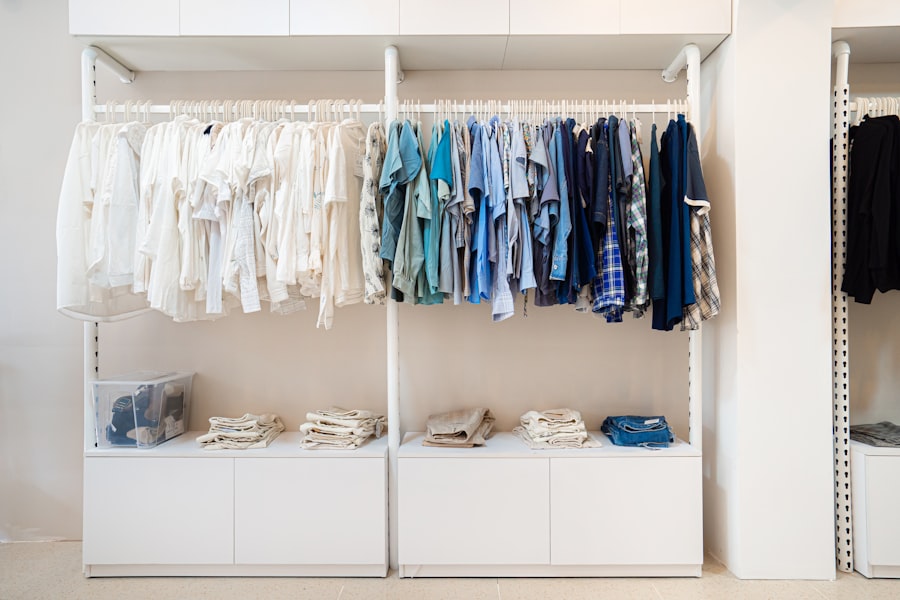
With a clearer picture of your current wardrobe, the next step is to identify key pieces and essentials that will form the foundation of your collection. Key pieces are versatile items that can be mixed and matched with various outfits, while essentials are the basic items that every wardrobe should include. Examples of key pieces might include a tailored blazer, a classic pair of jeans, or a little black dress. These items can be dressed up or down depending on the occasion and can serve as the backbone of your wardrobe.
Essentials typically encompass items such as basic t-shirts, quality trousers, and comfortable shoes. These foundational pieces are crucial for creating a variety of looks without overwhelming your wardrobe with unnecessary items. When selecting key pieces and essentials, focus on quality over quantity; investing in well-made items will ensure longevity and reduce the need for frequent replacements. By carefully curating these foundational elements, you will create a versatile wardrobe that allows for effortless outfit creation.
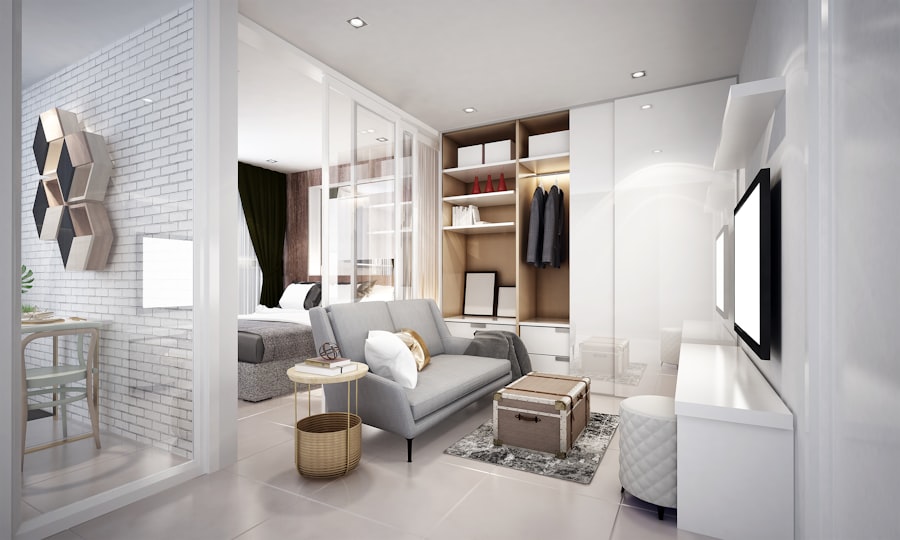
Building a versatile and functional wardrobe requires thoughtful planning and consideration of how each piece will work together. Start by selecting a colour palette that reflects your personal style while also allowing for easy mixing and matching. Neutral tones often serve as an excellent base, as they can be paired with bolder colours or patterns without clashing. Once you have established a colour scheme, focus on selecting pieces that complement one another in terms of both style and functionality.
In addition to colour coordination, consider the practicality of each item in relation to your daily life. For example, if you frequently commute or travel for work, opt for wrinkle-resistant fabrics and comfortable footwear that can withstand long hours of wear. Similarly, if you attend social events regularly, ensure you have a selection of dressy options that can be easily accessorised to suit different occasions. By prioritising versatility and functionality in your wardrobe choices, you will create a collection that not only looks good but also meets the demands of your lifestyle.
Don’t Take Our Word For It
Aspec has recieved fantastic 5/5 Star Rating from its clients!
Professional from start to finish!
Wow! Omar was fantastic right from the very beginning! With 6 weeks to go until baby number 2s arrival, Omar delivered on his word to create a phenomenal outdoor kitchen for our alfresco area! It is exactly the vision we had in mind! We are so impressed with the workmanship and quality as well as the effort to get the work completed in such a tight timeframe. Very open and honest about pricing upfront also! Would highly recommend Omar and his team. The level of professionalism, honesty, workmanship and quality was spot on and always has time to discuss and go through any questions or concerns. Thank you A Spec Joinery for doing a fantastic job and in the short time we had to do it by! Particularly fitting us in a busy December!
Bianca M Vucetic
Professional from start to finish!
Great attentions to detail very informative throughout highly reccomend!
Mark, Double Bay
Professional from start to finish!
Omar installed a new kitchen for us. The process was easy and Omar kept in contact with us at all stages. The kitchen was installed in only a couple of days and looks fantastic. We’re very happy with the result.
Mat Pal
Professional from start to finish!
Omar was excellent to deal with. He and his team built and installed a large built-in wardrobe and cupboard, giving us good advice on the design. He was very professional in surveying the complex space for the units – it’s an older house with uneven floor and ceiling – and in preparing the design. His team constructed the units off-site within the time he indicated. Installation was complex and went very smoothly. The whole project was on time and on budget and the product delivered was of the highest quality. We would certainly use him again and recommend him to our friends.
Phillip Hart
Professional from start to finish!
Omar was fantastic to deal with and produced outstanding quality work for our new storage cupbaords and floating shelves. The final product was exactly what we wanted and made with care and attention. We highly recommend him for joinery and cabinetry works. Many thanks, Vince
Vincent Banton
Professional from start to finish!
Omar and his team are awesome. Professional, efficient and really went the extra mile creating beautiful joinery for my studio. Will definitely engage their services again and refer to anyone.
Carla Sconce
Professional from start to finish!
Dealt with Omar from A Spec on our office fit out, all work was done ahead of time and costs were maintained the whole way through. Would happily use A Spec again or recommend to anyone without hesitation.
Emanuel Karantonis
Professional from start to finish!
My experience with Omar and his team has been amazing and trouble-free.
Omar’s attention to detail and quick response time gave me comfort and confidence that the end product would be great.
Being in the construction industry, I couldn’t fault their workmanship and timing. Everything delivered on time and on budget.
Would definitely use Aspec Joinery again.
Ben Yee
Professional from start to finish!
Omar and the team at A Spec Joinery built our kitchen and bookshelves in 2021. The work is really high quality. It’s now 2024 and everything still looks great and functions just like the day they were built. I would highly recommend A Spec, particularly for the after build service. Nothing is too much trouble for Omar.
Alistair McLean
Professional from start to finish!
Omar and his team have worked wonders on all our joinery for our renovation, they constantly went above and beyond during all aspects of the build from planning to manufacturing and installation.
They have done an absolutely beautiful job and it is my pleasure to recommend A-Spec joinery to everyone.
Their professional attitude was exemplary and it was always lovely having Omar and the team in our house, they made an extremely stressful renovation into a positive experience.
A-Spec Joinery made our dreams come true and there are no words that can express how appreciative we are and so happy that we chose them.
If you want the best go with A-Spec Joinery.
Vincent & Anna
Vincent Jones
Professional from start to finish!
Paul Casey
Professional from start to finish!
Matt B
Professional from start to finish!
Our experience with A Spec Joinery was outstanding. We were happy with every phase of our project from initial concept to drawings to finished products. Omar and his team’s attention to detail was fantastic. Highly recommend!!!
Sharon Antonir
Professional from start to finish!
High quality work, on time on budget very professional would engage their services again 100%. 2yrs on asked Omar for additional work and once again very professional, on time and very helpful.
Maurice Natoli