Joinery plays a pivotal role in the realm of indoor-outdoor design, serving as the bridge that connects these two distinct spaces. At its core, joinery refers to the techniques and methods used to join pieces of wood or other materials together, but in the context of design, it encompasses much more. It’s about creating a harmonious flow between indoor and outdoor areas, allowing for a seamless transition that enhances both functionality and aesthetics. This concept is particularly relevant in modern architecture, where the boundaries between inside and outside are increasingly blurred.
The essence of joinery in this design approach lies in its ability to create a cohesive environment. By thoughtfully integrating elements such as doors, windows, and built-in furniture, designers can craft spaces that feel unified rather than disjointed. This not only improves the visual appeal but also enhances the overall experience of the space. When done correctly, joinery can make outdoor areas feel like an extension of the home, inviting natural elements into daily living while maintaining comfort and style.
In exploring the concept of creating a seamless indoor-outdoor experience with joinery, it is also worthwhile to consider the role of storage solutions in enhancing this aesthetic. A related article on the importance of well-designed storage cabinets can be found at this link. By integrating stylish and functional storage options, homeowners can maintain a clutter-free environment that complements the fluidity between indoor and outdoor spaces, ultimately elevating the overall design of their living areas.
Selecting the appropriate materials is crucial for achieving a seamless integration between indoor and outdoor spaces. The choice of materials can significantly influence the overall aesthetic and functionality of the design. For instance, using similar finishes for both indoor flooring and outdoor decking can create a visual continuity that draws the eye across the threshold. Natural materials like wood and stone are often favoured for their organic appeal and ability to withstand outdoor conditions while still looking elegant indoors.
Moreover, durability is a key consideration when choosing materials for joinery. Outdoor elements are exposed to varying weather conditions, so it’s essential to select materials that can endure these challenges without compromising on style. Composite materials, treated woods, and weather-resistant metals are excellent options that offer longevity while maintaining a sophisticated look. By carefully selecting materials that complement each other, homeowners can ensure that their indoor-outdoor spaces feel connected and inviting.
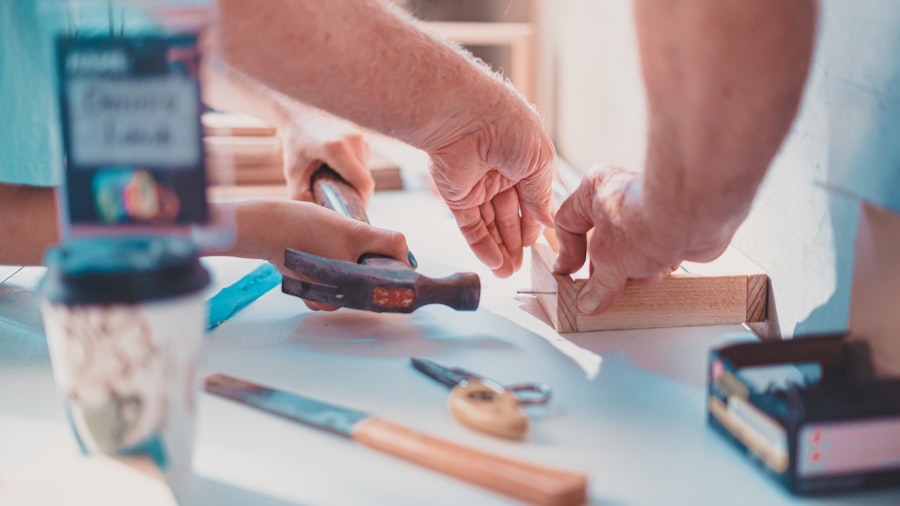
Incorporating various joinery techniques can significantly enhance the cohesiveness of indoor-outdoor designs. Traditional methods such as dovetail joints or mortise and tenon joints not only provide structural integrity but also add an element of craftsmanship that can elevate the overall aesthetic. These techniques can be applied to furniture pieces, cabinetry, or even structural elements like beams and columns, creating a sense of unity throughout the space.
Additionally, modern joinery techniques such as laminating or using engineered wood products can offer flexibility in design while still achieving a cohesive look.
These methods allow for creative shapes and forms that can adapt to both indoor and outdoor environments.
By blending traditional craftsmanship with contemporary techniques, designers can create unique features that enhance the character of the space while ensuring that all elements work together harmoniously.
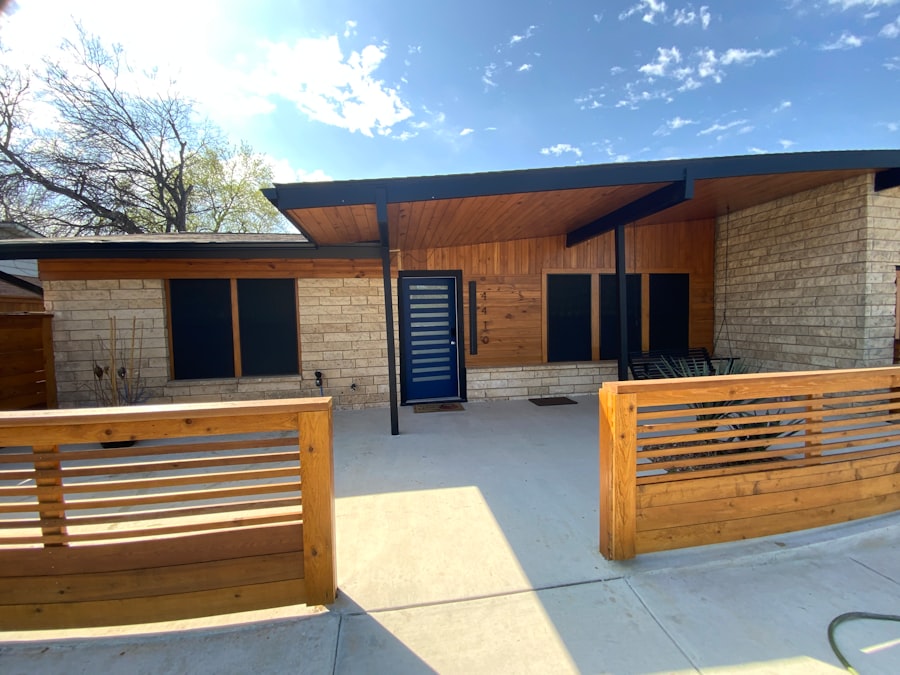
One of the most significant advantages of effective joinery in indoor-outdoor design is its ability to enhance natural light and ventilation. Well-placed windows, sliding doors, and bi-fold doors can create expansive openings that invite sunlight into the home while providing unobstructed views of the outdoors. This not only brightens up interior spaces but also fosters a connection with nature, which is increasingly sought after in modern living.
Ventilation is equally important in creating a comfortable environment.
Joinery can facilitate cross-ventilation by strategically positioning openings that allow fresh air to flow through both indoor and outdoor areas.
This is particularly beneficial in warmer climates where natural cooling can reduce reliance on air conditioning. By thoughtfully designing joinery elements to maximise light and airflow, homeowners can create spaces that feel airy and inviting.
In the pursuit of creating a seamless indoor-outdoor experience with joinery, one might find it beneficial to explore how furniture choices can enhance this aesthetic. For instance, selecting the right TV unit can significantly impact the overall design and functionality of your living space, ensuring that it complements both indoor and outdoor areas. You can read more about this in the article on choosing the right TV unit for your home entertainment system, which offers valuable insights into harmonising your interior design with your outdoor environment.
A smooth transition between indoor and outdoor spaces is essential for achieving a harmonious living environment. This can be accomplished through various design strategies that encourage movement between the two areas. For example, using consistent flooring materials across thresholds can visually link the spaces, making it feel like one continuous area rather than two separate entities.
In addition to flooring, incorporating features such as overhangs or pergolas can help define outdoor spaces while providing shelter from the elements. These structures not only enhance the aesthetic appeal but also create comfortable zones for relaxation or entertaining. By considering how different elements interact at the junction of indoor and outdoor areas, designers can create a seamless flow that encourages occupants to enjoy both environments fully.
In exploring the concept of creating a seamless indoor-outdoor experience with joinery, it is beneficial to consider how the right materials and design choices can enhance this integration. A related article on the importance of selecting appropriate joinery for outdoor spaces can provide further insights into this topic. For those interested in delving deeper, you can read more about it here. This resource highlights various techniques and styles that can help achieve a harmonious flow between your indoor and outdoor areas, ultimately transforming your living space.
To ensure that joinery remains functional and visually appealing over time, regular maintenance is essential. Different materials require specific care routines; for instance, wooden joinery may need periodic sealing or staining to protect against moisture and UV damage. On the other hand, metal components might require cleaning to prevent rust or corrosion. Understanding these requirements is crucial for preserving the integrity of both indoor and outdoor joinery.
Additionally, addressing minor repairs promptly can prevent more significant issues down the line. Regular inspections can help identify wear and tear before it becomes problematic. By investing time in maintenance, homeowners can extend the lifespan of their joinery elements, ensuring they continue to enhance the beauty and functionality of their spaces for years to come.
Customisation is a powerful tool in joinery design, allowing homeowners to tailor elements to suit their specific aesthetic preferences. Whether opting for sleek modern lines or rustic charm, custom joinery can reflect personal style while enhancing the overall character of the property. This could involve bespoke cabinetry that fits perfectly within a space or unique window designs that complement architectural features.
Moreover, custom joinery allows for greater functionality tailored to individual needs. For instance, built-in seating areas or storage solutions can be designed to maximise space efficiency while maintaining an attractive appearance. By collaborating with skilled craftsmen or designers, homeowners can create unique joinery solutions that not only meet their practical requirements but also elevate the visual appeal of their indoor-outdoor living areas.
The benefits of effective joinery in indoor-outdoor living extend beyond mere aesthetics; they encompass functionality, comfort, and lifestyle enhancement as well. By creating spaces that flow seamlessly from indoors to outdoors, homeowners can enjoy a more versatile living environment that caters to various activities—be it entertaining guests or enjoying quiet moments alone.
Furthermore, well-designed joinery can contribute to energy efficiency by optimising natural light and ventilation, reducing reliance on artificial lighting and climate control systems. This not only lowers energy bills but also promotes a healthier living environment by improving air quality and encouraging outdoor interaction. Ultimately, maximising the benefits of joinery in indoor-outdoor design leads to a more enjoyable and sustainable lifestyle.
In conclusion, understanding and implementing effective joinery techniques is essential for creating cohesive indoor-outdoor spaces that enhance both functionality and aesthetics. By carefully selecting materials, incorporating thoughtful design elements, and maintaining these features over time, homeowners can enjoy beautifully integrated environments that truly reflect their lifestyle preferences.
Joinery refers to the craft of connecting or joining different pieces of wood together to create a seamless and cohesive design. In the context of creating a seamless indoor-outdoor experience, joinery involves using techniques such as mortise and tenon joints, dovetail joints, and finger joints to seamlessly integrate indoor and outdoor spaces.
Joinery can be used to create a seamless transition between indoor and outdoor spaces by incorporating elements such as sliding or folding doors, large windows, and custom-built furniture that blurs the boundaries between the two areas. Additionally, using the same or complementary materials and finishes for both indoor and outdoor joinery can further enhance the seamless experience.
Using joinery to create a seamless indoor-outdoor experience offers several benefits, including improved natural light and ventilation, a sense of continuity and flow between indoor and outdoor spaces, and the ability to maximise the functionality and visual appeal of both areas. Additionally, well-crafted joinery can enhance the overall aesthetic and value of a property.
Popular joinery techniques for creating a seamless indoor-outdoor experience include using bi-fold or sliding doors, integrating built-in seating or storage solutions, and incorporating custom-designed timber screens or pergolas. These techniques can help to connect indoor and outdoor spaces while adding practical and aesthetic value to the overall design.
Joinery plays a crucial role in contributing to the overall design and aesthetics of a seamless indoor-outdoor experience by allowing for the creation of customised and integrated features such as window seats, built-in planters, and bespoke cabinetry. Additionally, the use of high-quality materials and craftsmanship in joinery can elevate the visual appeal of the entire space.
Don’t Take Our Word For It
Aspec has recieved fantastic 5/5 Star Rating from its clients!
Professional from start to finish!
Wow! Omar was fantastic right from the very beginning! With 6 weeks to go until baby number 2s arrival, Omar delivered on his word to create a phenomenal outdoor kitchen for our alfresco area! It is exactly the vision we had in mind! We are so impressed with the workmanship and quality as well as the effort to get the work completed in such a tight timeframe. Very open and honest about pricing upfront also! Would highly recommend Omar and his team. The level of professionalism, honesty, workmanship and quality was spot on and always has time to discuss and go through any questions or concerns. Thank you A Spec Joinery for doing a fantastic job and in the short time we had to do it by! Particularly fitting us in a busy December!
Bianca M Vucetic
Professional from start to finish!
Great attentions to detail very informative throughout highly reccomend!
Mark, Double Bay
Professional from start to finish!
Omar installed a new kitchen for us. The process was easy and Omar kept in contact with us at all stages. The kitchen was installed in only a couple of days and looks fantastic. We’re very happy with the result.
Mat Pal
Professional from start to finish!
Omar was excellent to deal with. He and his team built and installed a large built-in wardrobe and cupboard, giving us good advice on the design. He was very professional in surveying the complex space for the units – it’s an older house with uneven floor and ceiling – and in preparing the design. His team constructed the units off-site within the time he indicated. Installation was complex and went very smoothly. The whole project was on time and on budget and the product delivered was of the highest quality. We would certainly use him again and recommend him to our friends.
Phillip Hart
Professional from start to finish!
Omar was fantastic to deal with and produced outstanding quality work for our new storage cupbaords and floating shelves. The final product was exactly what we wanted and made with care and attention. We highly recommend him for joinery and cabinetry works. Many thanks, Vince
Vincent Banton
Professional from start to finish!
Omar and his team are awesome. Professional, efficient and really went the extra mile creating beautiful joinery for my studio. Will definitely engage their services again and refer to anyone.
Carla Sconce
Professional from start to finish!
Dealt with Omar from A Spec on our office fit out, all work was done ahead of time and costs were maintained the whole way through. Would happily use A Spec again or recommend to anyone without hesitation.
Emanuel Karantonis
Professional from start to finish!
My experience with Omar and his team has been amazing and trouble-free.
Omar’s attention to detail and quick response time gave me comfort and confidence that the end product would be great.
Being in the construction industry, I couldn’t fault their workmanship and timing. Everything delivered on time and on budget.
Would definitely use Aspec Joinery again.
Ben Yee
Professional from start to finish!
Omar and the team at A Spec Joinery built our kitchen and bookshelves in 2021. The work is really high quality. It’s now 2024 and everything still looks great and functions just like the day they were built. I would highly recommend A Spec, particularly for the after build service. Nothing is too much trouble for Omar.
Alistair McLean
Professional from start to finish!
Omar and his team have worked wonders on all our joinery for our renovation, they constantly went above and beyond during all aspects of the build from planning to manufacturing and installation.
They have done an absolutely beautiful job and it is my pleasure to recommend A-Spec joinery to everyone.
Their professional attitude was exemplary and it was always lovely having Omar and the team in our house, they made an extremely stressful renovation into a positive experience.
A-Spec Joinery made our dreams come true and there are no words that can express how appreciative we are and so happy that we chose them.
If you want the best go with A-Spec Joinery.
Vincent & Anna
Vincent Jones
Professional from start to finish!
Paul Casey
Professional from start to finish!
Matt B
Professional from start to finish!
Our experience with A Spec Joinery was outstanding. We were happy with every phase of our project from initial concept to drawings to finished products. Omar and his team’s attention to detail was fantastic. Highly recommend!!!
Sharon Antonir
Professional from start to finish!
High quality work, on time on budget very professional would engage their services again 100%. 2yrs on asked Omar for additional work and once again very professional, on time and very helpful.
Maurice Natoli