When it comes to creating a low-maintenance kitchen, the first step is to assess your specific needs. Consider how often you cook, the types of meals you prepare, and who uses the kitchen. If you’re someone who enjoys cooking elaborate meals, you might need a layout that accommodates multiple appliances and ample counter space. On the other hand, if you prefer quick meals or takeout, a simpler setup may suffice. Understanding your cooking habits will help you design a space that requires less upkeep.
Additionally, think about the lifestyle of everyone who uses the kitchen. Families with young children may need surfaces that can withstand spills and stains, while those living alone might prioritise aesthetics over durability. Take note of how much time you realistically have for cleaning and maintenance. This assessment will guide your choices in materials, layout, and appliances, ensuring that your kitchen remains functional without demanding excessive effort to keep it tidy.
When designing a kitchen that is easy to maintain, it’s beneficial to consider the principles of effective space utilisation, which can also be applied to retail environments. For insights on how to enhance functionality and aesthetic appeal in commercial spaces, you might find the article on elevating your retail space with expert shop fit-out services particularly useful. This resource offers valuable tips that can inspire both residential and commercial design, ensuring that cleanliness and organisation are prioritised in any setting.
Once you’ve assessed your kitchen needs, the next step is selecting materials that are both durable and easy to clean. For countertops, consider options like quartz or granite. These materials not only resist scratches and stains but also require minimal maintenance compared to wood or laminate surfaces. A quick wipe with a damp cloth is often all that’s needed to keep them looking pristine.
For flooring, tiles or vinyl can be excellent choices. They are resistant to spills and easy to mop up, making them ideal for busy kitchens. If you prefer a warmer feel underfoot, engineered wood can also be a good option, provided it’s treated for moisture resistance. When it comes to cabinetry, opt for finishes that repel dirt and grime. Glossy surfaces tend to be easier to clean than matte finishes, so keep that in mind when making your selections.
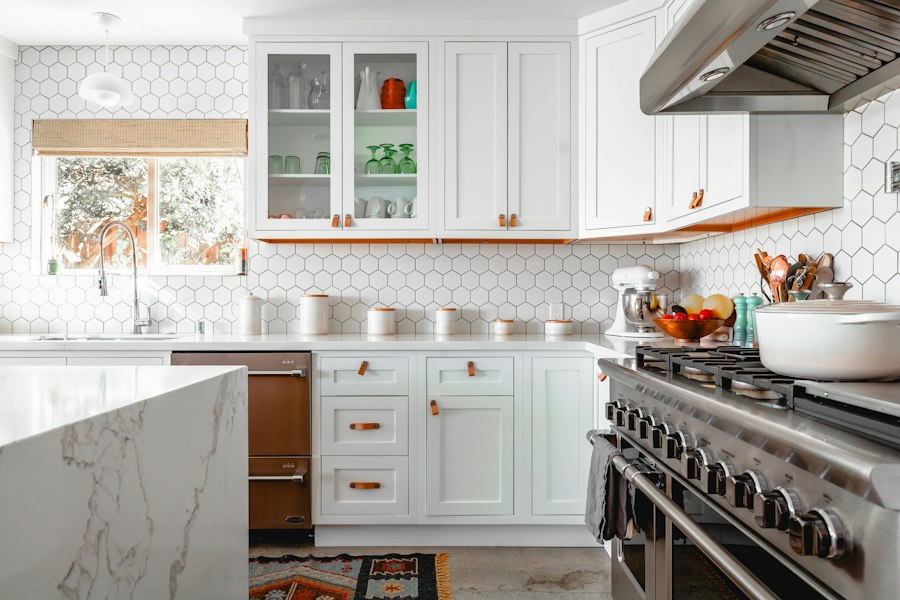
A well-thought-out kitchen layout can significantly reduce maintenance time and enhance efficiency. The classic work triangle—where the sink, stove, and refrigerator are positioned in a triangular formation—remains a tried-and-true method for optimising workflow. This arrangement allows for smooth movement between the key areas of food preparation, cooking, and cleaning.
In addition to the work triangle, consider incorporating an island or breakfast bar if space allows. This not only provides extra counter space but can also serve as a gathering spot for family and friends. Keep pathways clear and ensure that there’s enough room for multiple people to move around without bumping into each other. A streamlined layout reduces clutter and makes it easier to maintain cleanliness in your kitchen.
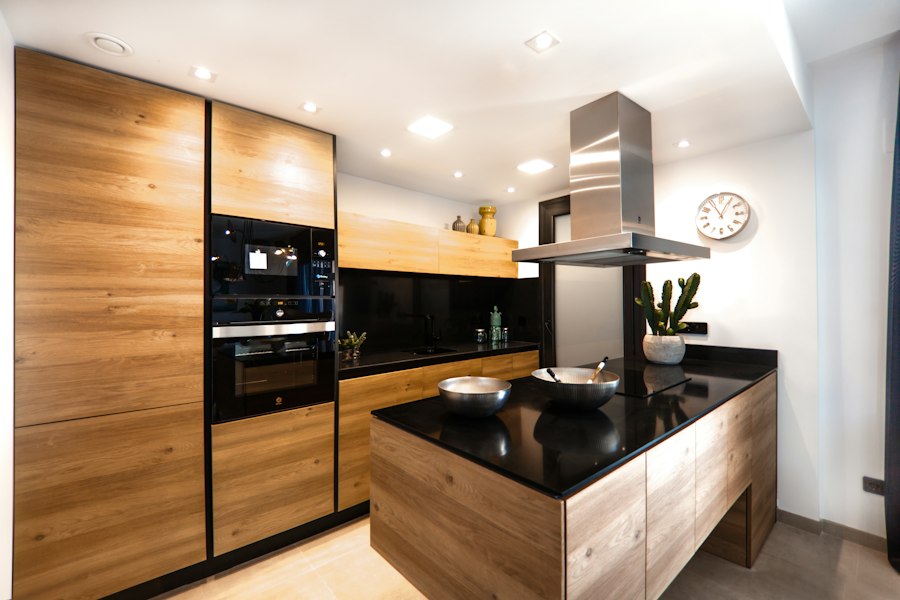
Effective storage solutions are essential for maintaining a low-maintenance kitchen. Clutter can quickly accumulate if there isn’t a designated place for everything. Start by evaluating your current storage options and identifying areas where you can improve. Consider installing pull-out shelves or lazy Susans in cabinets to maximise space and make items more accessible.
Vertical storage is another great way to keep your kitchen organised. Wall-mounted shelves or pegboards can hold pots, pans, and utensils within easy reach while freeing up counter space. Additionally, think about using drawer dividers to keep utensils sorted and easy to find. The more organised your kitchen is, the less time you’ll spend cleaning up after cooking or searching for misplaced items.
When designing a kitchen that’s easy to maintain, it can be beneficial to consider the principles of minimalism, which are also applicable in other areas of the home. For instance, an article discussing innovative modern TV unit designs for minimalist living rooms highlights how simplicity and functionality can enhance both aesthetics and practicality. Incorporating such design philosophies can lead to a cohesive and low-maintenance home environment. To explore these ideas further, you can read the article on modern TV unit designs.
When it comes to appliances, choosing models that require minimal upkeep can save you time and hassle in the long run. Look for appliances with self-cleaning features or those that are designed for easy maintenance. For instance, induction cooktops are not only energy-efficient but also easy to wipe down after use, unlike traditional gas stoves that may require more scrubbing.
Energy-efficient appliances can also contribute to a low-maintenance lifestyle by reducing wear and tear over time. When selecting a refrigerator, consider models with spill-proof shelves and easy-access drawers that simplify cleaning. Investing in high-quality appliances may have a higher upfront cost but can lead to significant savings in maintenance and energy bills down the line.
Good lighting and ventilation are often overlooked aspects of a low-maintenance kitchen but play a crucial role in overall functionality. Proper lighting not only enhances the aesthetic appeal of your space but also makes it easier to clean and maintain. Consider installing LED lights under cabinets to illuminate work surfaces without creating shadows.
Ventilation is equally important in keeping your kitchen fresh and reducing the buildup of grease and odours. A good range hood can help eliminate cooking smells while preventing grease from settling on surfaces. Look for models that are easy to clean and maintain; some even come with dishwasher-safe filters. By prioritising both lighting and ventilation, you’ll create a more pleasant cooking environment that requires less upkeep.
Establishing effective cleaning routines is key to maintaining a low-maintenance kitchen. Rather than waiting for messes to accumulate, try implementing daily habits that keep your space tidy. For example, wipe down countertops after each meal preparation and wash dishes immediately rather than letting them pile up in the sink.
Consider setting aside specific times each week for deeper cleaning tasks like mopping floors or wiping down appliances. Breaking these tasks into manageable chunks can make them feel less daunting. You might also find it helpful to involve family members in these routines; assigning specific chores can lighten the load and foster a sense of shared responsibility.
Finally, personalising your kitchen doesn’t have to mean adding clutter. Instead of filling every available surface with decorative items, choose a few meaningful pieces that reflect your style without overwhelming the space. A single statement piece of art or a well-placed plant can add character without contributing to mess.
Consider utilising multifunctional items as decor; for instance, attractive jars filled with cooking essentials like pasta or spices can serve as both storage and decoration. By being intentional about what you display, you can create a personalised kitchen that feels inviting while remaining low-maintenance.
In conclusion, creating a low-maintenance kitchen involves thoughtful planning and consideration of your specific needs. By choosing durable materials, streamlining your layout, installing practical storage solutions, selecting easy-to-maintain appliances, incorporating smart lighting and ventilation, establishing effective cleaning routines, and personalising your space thoughtfully, you can enjoy a functional kitchen that requires minimal effort to keep tidy. With these strategies in place, you’ll find that maintaining your kitchen becomes a breeze rather than a chore.
Don’t Take Our Word For It
Aspec has recieved fantastic 5/5 Star Rating from its clients!
Professional from start to finish!
Wow! Omar was fantastic right from the very beginning! With 6 weeks to go until baby number 2s arrival, Omar delivered on his word to create a phenomenal outdoor kitchen for our alfresco area! It is exactly the vision we had in mind! We are so impressed with the workmanship and quality as well as the effort to get the work completed in such a tight timeframe. Very open and honest about pricing upfront also! Would highly recommend Omar and his team. The level of professionalism, honesty, workmanship and quality was spot on and always has time to discuss and go through any questions or concerns. Thank you A Spec Joinery for doing a fantastic job and in the short time we had to do it by! Particularly fitting us in a busy December!
Bianca M Vucetic
Professional from start to finish!
Great attentions to detail very informative throughout highly reccomend!
Mark, Double Bay
Professional from start to finish!
Omar installed a new kitchen for us. The process was easy and Omar kept in contact with us at all stages. The kitchen was installed in only a couple of days and looks fantastic. We’re very happy with the result.
Mat Pal
Professional from start to finish!
Omar was excellent to deal with. He and his team built and installed a large built-in wardrobe and cupboard, giving us good advice on the design. He was very professional in surveying the complex space for the units – it’s an older house with uneven floor and ceiling – and in preparing the design. His team constructed the units off-site within the time he indicated. Installation was complex and went very smoothly. The whole project was on time and on budget and the product delivered was of the highest quality. We would certainly use him again and recommend him to our friends.
Phillip Hart
Professional from start to finish!
Omar was fantastic to deal with and produced outstanding quality work for our new storage cupbaords and floating shelves. The final product was exactly what we wanted and made with care and attention. We highly recommend him for joinery and cabinetry works. Many thanks, Vince
Vincent Banton
Professional from start to finish!
Omar and his team are awesome. Professional, efficient and really went the extra mile creating beautiful joinery for my studio. Will definitely engage their services again and refer to anyone.
Carla Sconce
Professional from start to finish!
Dealt with Omar from A Spec on our office fit out, all work was done ahead of time and costs were maintained the whole way through. Would happily use A Spec again or recommend to anyone without hesitation.
Emanuel Karantonis
Professional from start to finish!
My experience with Omar and his team has been amazing and trouble-free.
Omar’s attention to detail and quick response time gave me comfort and confidence that the end product would be great.
Being in the construction industry, I couldn’t fault their workmanship and timing. Everything delivered on time and on budget.
Would definitely use Aspec Joinery again.
Ben Yee
Professional from start to finish!
Omar and the team at A Spec Joinery built our kitchen and bookshelves in 2021. The work is really high quality. It’s now 2024 and everything still looks great and functions just like the day they were built. I would highly recommend A Spec, particularly for the after build service. Nothing is too much trouble for Omar.
Alistair McLean
Professional from start to finish!
Omar and his team have worked wonders on all our joinery for our renovation, they constantly went above and beyond during all aspects of the build from planning to manufacturing and installation.
They have done an absolutely beautiful job and it is my pleasure to recommend A-Spec joinery to everyone.
Their professional attitude was exemplary and it was always lovely having Omar and the team in our house, they made an extremely stressful renovation into a positive experience.
A-Spec Joinery made our dreams come true and there are no words that can express how appreciative we are and so happy that we chose them.
If you want the best go with A-Spec Joinery.
Vincent & Anna
Vincent Jones
Professional from start to finish!
Paul Casey
Professional from start to finish!
Matt B
Professional from start to finish!
Our experience with A Spec Joinery was outstanding. We were happy with every phase of our project from initial concept to drawings to finished products. Omar and his team’s attention to detail was fantastic. Highly recommend!!!
Sharon Antonir
Professional from start to finish!
High quality work, on time on budget very professional would engage their services again 100%. 2yrs on asked Omar for additional work and once again very professional, on time and very helpful.
Maurice Natoli