When it comes to designing your living space, the first step is to understand your personal style. This is not just about what looks good; it’s about what resonates with you on a deeper level. Take a moment to reflect on your preferences. Do you lean towards modern minimalism, or do you find comfort in rustic charm? Perhaps you’re drawn to eclectic designs that mix various influences. Identifying your style will help you create a cohesive look that feels authentic and inviting.
To get a clearer picture of your personal style, consider creating a mood board. This can be a physical board or a digital one using platforms like Pinterest. Gather images, colours, and textures that appeal to you. Over time, you’ll start to see patterns emerge that can guide your design choices. Remember, your home should be a reflection of who you are, so don’t hesitate to incorporate elements that tell your story.
When designing a kitchen that truly reflects your personal style, it’s essential to consider not only the aesthetics but also the functionality of the space. A related article that delves into the importance of creating a cohesive environment is found at Transform Your Store with a Trusted Store Fit-Out Contractor. This piece highlights how professional fit-out services can enhance the overall appeal and usability of any space, including kitchens, ensuring that they are both stylish and practical.
Once you have a grasp of your personal style, the next step is selecting a colour scheme that complements it. Colour has a profound impact on mood and perception, so it’s essential to choose wisely.
Start by considering the emotions you want to evoke in each room.
For instance, soft blues and greens can create a calming atmosphere, while vibrant reds and yellows can energise a space.
A good approach is to select a primary colour and then build around it with complementary shades. You might opt for neutral tones as a base and add pops of colour through accessories like cushions or artwork. Don’t forget about the importance of natural light; colours can look different depending on the time of day and the amount of sunlight a room receives. Testing paint samples on your walls before committing can save you from potential regrets later on.
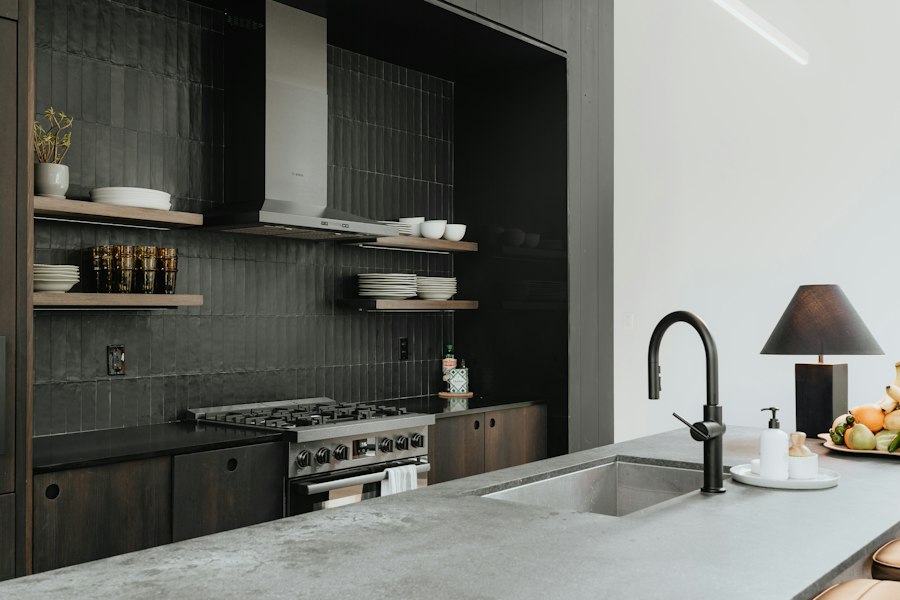
The materials and finishes you choose play a crucial role in the overall aesthetic and functionality of your space. Think about the textures that appeal to you—do you prefer the warmth of wood, the sleekness of metal, or the softness of textiles? Each material brings its own character and can significantly influence the feel of a room.
When selecting finishes, consider both durability and maintenance. For example, if you have pets or children, opting for stain-resistant fabrics or hard-wearing surfaces might be wise. Additionally, layering different materials can add depth and interest to your design. A combination of smooth surfaces with textured elements can create a balanced and inviting environment.
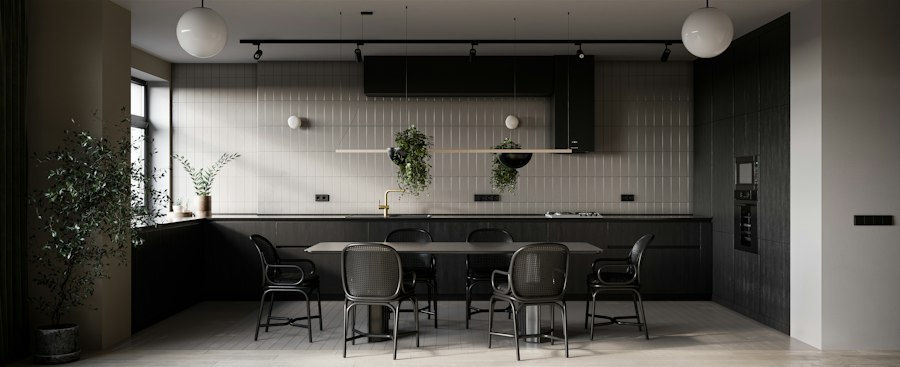
Personal touches are what truly make a house feel like home. These can be anything from family photographs to travel souvenirs or even artwork created by friends. Incorporating items that hold sentimental value not only adds character but also sparks conversation and connection.
Consider displaying these personal items in a way that feels intentional rather than cluttered. A well-curated gallery wall can showcase your favourite memories, while a dedicated shelf can highlight unique finds from your travels. The key is to strike a balance between personalisation and maintaining an organised space, ensuring that each item has its place without overwhelming the overall design.
When designing a kitchen that truly reflects your personal style, it’s essential to consider various factors that can influence the overall renovation process.
For those looking to delve deeper into the financial aspects of kitchen transformations, an insightful article on understanding kitchen renovation price factors can provide valuable guidance.
This resource can help you navigate budgeting tips and estimates, ensuring that your dream kitchen aligns with your financial plans. You can explore the article further here.
While aesthetics are important, functionality should never be overlooked. A beautifully designed space is only effective if it meets your everyday needs. Start by assessing how you use each room and what activities take place there. For instance, if you love cooking, investing in quality kitchen appliances and ample counter space will enhance your experience.
Storage solutions are another critical aspect of functionality. Consider built-in shelves, multi-purpose furniture, or clever storage options that keep clutter at bay while still being accessible. The goal is to create an environment that not only looks good but also works seamlessly for your lifestyle.
In today’s world, technology plays an integral role in our homes. Embracing smart home technology can enhance both convenience and efficiency. From smart lighting systems that adjust based on the time of day to thermostats that learn your preferences, these innovations can significantly improve your living experience.
However, it’s essential to integrate technology in a way that complements your design rather than detracts from it. Choose devices that blend seamlessly with your decor—think sleek designs and neutral colours. Additionally, consider how technology can enhance functionality; for example, smart speakers can provide music while also controlling other devices in your home.
A welcoming atmosphere is key to making your home feel inviting for both yourself and guests. Start by considering the layout of your space; open areas encourage social interaction while cosy nooks provide comfort. Arrange furniture in a way that promotes conversation and connection, ensuring there’s enough space for movement.
Lighting also plays a significant role in creating warmth. Layering different types of lighting—ambient, task, and accent—can help set the mood for various occasions. Soft lighting in the evening creates an intimate atmosphere, while brighter lights during the day can energise the space. Don’t forget about scents; candles or essential oil diffusers can add an extra layer of comfort and welcome.
While it’s entirely possible to design your space on your own, seeking professional advice can provide valuable insights and save you time and effort. Interior designers bring expertise in spatial planning, colour theory, and material selection that can elevate your design beyond what you might achieve alone.
If you’re unsure where to start, consider consulting with a designer for an initial assessment of your space. They can help clarify your vision and offer suggestions tailored to your style and needs. Even if you choose not to hire someone for the entire project, their guidance can be invaluable in making informed decisions along the way.
In conclusion, designing your home is an exciting journey that allows you to express yourself while creating a functional living space. By understanding your personal style, choosing the right colours and materials, incorporating personal touches, maximising functionality, embracing technology, creating a welcoming atmosphere, and seeking professional advice when needed, you’ll be well on your way to crafting a home that truly reflects who you are. Take your time with each step; after all, this is about creating a space where you feel comfortable and inspired every day.
When creating a kitchen that reflects your personal style, it’s important to consider elements such as colour scheme, materials, layout, and decorative accents. These elements can help to convey your unique personality and preferences within the space.
You can incorporate your personal style into the colour scheme of your kitchen by choosing colours that resonate with you and reflect your personality. Whether you prefer bold and vibrant hues or subtle and calming tones, the colour scheme can set the tone for the entire space.
The materials used in the kitchen, such as countertops, cabinets, flooring, and backsplashes, can significantly impact the overall aesthetic and feel of the space. Choosing materials that align with your personal style, whether it’s sleek and modern or rustic and natural, can help to create a kitchen that truly reflects your preferences.
Personalising the layout of your kitchen can involve customising the arrangement of cabinets, appliances, and workspaces to suit your specific needs and preferences. Whether you prefer an open-concept layout for entertaining or a more functional and efficient design for cooking, the layout can reflect your personal style.
Incorporating decorative accents such as artwork, lighting fixtures, textiles, and accessories can add a personal touch to the kitchen. These elements can showcase your individual style and interests, whether it’s through unique artwork, statement lighting, or curated collections displayed throughout the space.
Don’t Take Our Word For It
Aspec has recieved fantastic 5/5 Star Rating from its clients!
Professional from start to finish!
Wow! Omar was fantastic right from the very beginning! With 6 weeks to go until baby number 2s arrival, Omar delivered on his word to create a phenomenal outdoor kitchen for our alfresco area! It is exactly the vision we had in mind! We are so impressed with the workmanship and quality as well as the effort to get the work completed in such a tight timeframe. Very open and honest about pricing upfront also! Would highly recommend Omar and his team. The level of professionalism, honesty, workmanship and quality was spot on and always has time to discuss and go through any questions or concerns. Thank you A Spec Joinery for doing a fantastic job and in the short time we had to do it by! Particularly fitting us in a busy December!
Bianca M Vucetic
Professional from start to finish!
Great attentions to detail very informative throughout highly reccomend!
Mark, Double Bay
Professional from start to finish!
Omar installed a new kitchen for us. The process was easy and Omar kept in contact with us at all stages. The kitchen was installed in only a couple of days and looks fantastic. We’re very happy with the result.
Mat Pal
Professional from start to finish!
Omar was excellent to deal with. He and his team built and installed a large built-in wardrobe and cupboard, giving us good advice on the design. He was very professional in surveying the complex space for the units – it’s an older house with uneven floor and ceiling – and in preparing the design. His team constructed the units off-site within the time he indicated. Installation was complex and went very smoothly. The whole project was on time and on budget and the product delivered was of the highest quality. We would certainly use him again and recommend him to our friends.
Phillip Hart
Professional from start to finish!
Omar was fantastic to deal with and produced outstanding quality work for our new storage cupbaords and floating shelves. The final product was exactly what we wanted and made with care and attention. We highly recommend him for joinery and cabinetry works. Many thanks, Vince
Vincent Banton
Professional from start to finish!
Omar and his team are awesome. Professional, efficient and really went the extra mile creating beautiful joinery for my studio. Will definitely engage their services again and refer to anyone.
Carla Sconce
Professional from start to finish!
Dealt with Omar from A Spec on our office fit out, all work was done ahead of time and costs were maintained the whole way through. Would happily use A Spec again or recommend to anyone without hesitation.
Emanuel Karantonis
Professional from start to finish!
My experience with Omar and his team has been amazing and trouble-free.
Omar’s attention to detail and quick response time gave me comfort and confidence that the end product would be great.
Being in the construction industry, I couldn’t fault their workmanship and timing. Everything delivered on time and on budget.
Would definitely use Aspec Joinery again.
Ben Yee
Professional from start to finish!
Omar and the team at A Spec Joinery built our kitchen and bookshelves in 2021. The work is really high quality. It’s now 2024 and everything still looks great and functions just like the day they were built. I would highly recommend A Spec, particularly for the after build service. Nothing is too much trouble for Omar.
Alistair McLean
Professional from start to finish!
Omar and his team have worked wonders on all our joinery for our renovation, they constantly went above and beyond during all aspects of the build from planning to manufacturing and installation.
They have done an absolutely beautiful job and it is my pleasure to recommend A-Spec joinery to everyone.
Their professional attitude was exemplary and it was always lovely having Omar and the team in our house, they made an extremely stressful renovation into a positive experience.
A-Spec Joinery made our dreams come true and there are no words that can express how appreciative we are and so happy that we chose them.
If you want the best go with A-Spec Joinery.
Vincent & Anna
Vincent Jones
Professional from start to finish!
Paul Casey
Professional from start to finish!
Matt B
Professional from start to finish!
Our experience with A Spec Joinery was outstanding. We were happy with every phase of our project from initial concept to drawings to finished products. Omar and his team’s attention to detail was fantastic. Highly recommend!!!
Sharon Antonir
Professional from start to finish!
High quality work, on time on budget very professional would engage their services again 100%. 2yrs on asked Omar for additional work and once again very professional, on time and very helpful.
Maurice Natoli