When it comes to designing a kitchen, functionality should be at the forefront of your mind. A well-thought-out layout can make all the difference in how efficiently you cook and entertain. Start by considering the classic work triangle, which connects the sink, stove, and refrigerator. This triangle should ideally be unobstructed and allow for easy movement between these key areas. If space permits, aim for a layout that promotes flow, such as an L-shape or U-shape, which can help create distinct zones for cooking, prepping, and socialising.
Another important aspect of layout design is the consideration of traffic patterns. You want to ensure that there’s enough room for multiple people to move around without bumping into each other. If you have a larger kitchen, think about incorporating an island or a breakfast bar. This not only provides additional workspace but also serves as a gathering spot for family and friends. Remember, the goal is to create a space that feels open and inviting while still being practical for everyday use.
In the quest to design a kitchen that inspires culinary creativity, it is essential to consider not only the aesthetics but also the functionality of the space. A related article that delves into the importance of creating inspiring work environments can be found at Your Trusted Commercial Fitout Contractor for Exceptional Workspace Transformations. This piece highlights how thoughtful design can enhance productivity and creativity, making it a valuable read for anyone looking to elevate their kitchen or workspace.
Selecting the right appliances and tools is crucial for a functional kitchen. Start by assessing your cooking habits and preferences. If you’re an avid baker, for instance, investing in a high-quality oven and mixer will be essential. On the other hand, if you prefer quick meals, a reliable microwave and a good set of knives might be more beneficial. Look for appliances that offer versatility; for example, a multi-cooker can serve as a pressure cooker, slow cooker, and rice cooker all in one.
Don’t forget about energy efficiency when choosing appliances. Look for models with high energy ratings to save on utility bills in the long run. Additionally, consider the size of your appliances in relation to your kitchen space. Oversized fridges or ranges can overwhelm a small kitchen, while compact models may not meet the needs of a larger family. Take your time to research and compare options to find the perfect fit for your cooking style and kitchen layout.
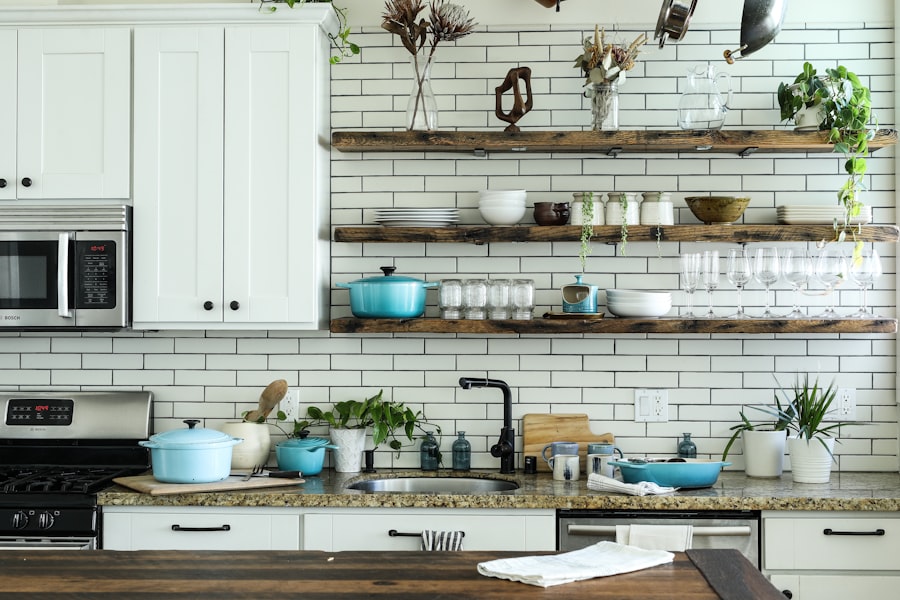
Storage is often one of the biggest challenges in kitchen design. To keep your kitchen organised and clutter-free, it’s essential to incorporate ample storage solutions. Start by evaluating what you need to store—pots, pans, utensils, and pantry items all require different types of storage. Consider installing cabinets that reach up to the ceiling to maximise vertical space. This not only provides more storage but also draws the eye upward, making the room feel larger.
In addition to traditional cabinets, think about incorporating open shelving or pull-out drawers.
Open shelves can display your favourite dishes or cookbooks while keeping them easily accessible.
Pull-out drawers are particularly useful for deep cabinets, allowing you to reach items at the back without having to dig through everything else. Don’t overlook the potential of corner cabinets; lazy Susans or pull-out racks can make these often-wasted spaces much more functional.
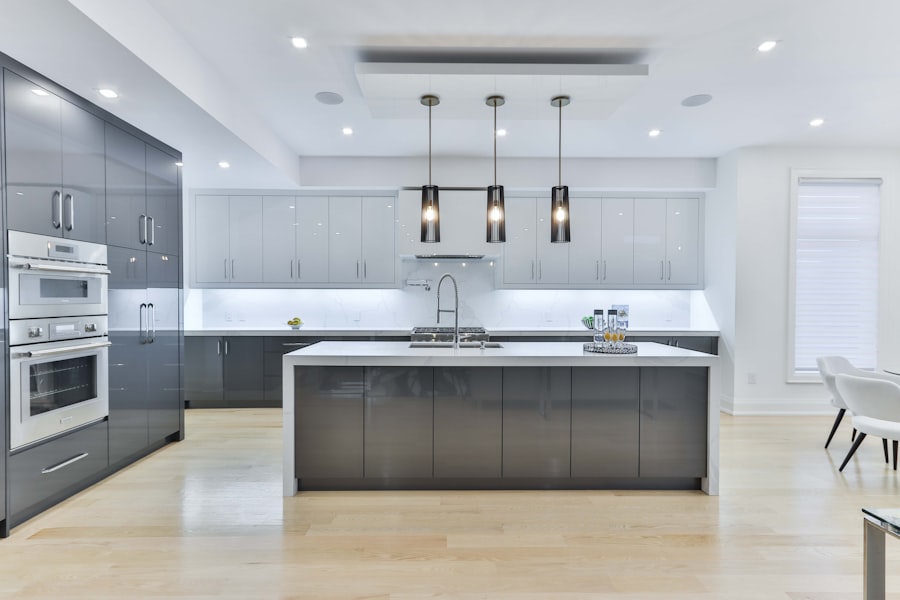
Lighting plays a significant role in creating an inviting kitchen atmosphere while also enhancing functionality. A well-lit kitchen makes cooking easier and safer, so it’s important to layer your lighting effectively. Start with ambient lighting, such as ceiling fixtures or recessed lights, to provide overall illumination. Then, add task lighting in areas where you’ll be chopping vegetables or reading recipes—under-cabinet lights are perfect for this purpose.
Accent lighting can also add character to your kitchen. Consider pendant lights over an island or decorative fixtures that highlight architectural features.
Dimmers are another great addition; they allow you to adjust the brightness based on the time of day or mood you want to create.
By combining different types of lighting, you can ensure that your kitchen is both functional and aesthetically pleasing.
When designing a kitchen that inspires culinary creativity, it’s essential to consider not only the layout and functionality but also the materials and finishes that can enhance the overall aesthetic. A related article on kitchen design can provide valuable insights into how to select the right elements for your space. For those looking to explore various options, you might find this informative resource particularly helpful in understanding how bespoke joinery can transform your kitchen into a true culinary haven.
Once you’ve established a functional layout and selected your appliances, it’s time to infuse your personality into the space. Adding personal touches can make your kitchen feel like home. Start by choosing a colour palette that reflects your style—whether it’s bold and vibrant or soft and muted. Paint can dramatically change the feel of a room, so don’t shy away from experimenting with different shades.
Decorative elements like artwork, plants, or unique dishware can also enhance the overall aesthetic. A few well-placed plants not only add colour but can also improve air quality. Consider displaying your favourite cookbooks on a shelf or using decorative jars for storing dry goods; these small details can make a big impact on the overall vibe of your kitchen.
A kitchen should be more than just a place to cook; it should be a comfortable gathering space for family and friends. To create an inviting atmosphere, consider incorporating seating options that encourage conversation and connection. A breakfast nook or bar stools at an island can provide casual dining spots where people can gather while you cook.
In addition to seating, think about how you can make the space feel warm and welcoming. Soft textiles like cushions or table runners can add comfort and style. You might also want to consider incorporating natural materials like wood or stone, which can create a more organic feel in your kitchen. The goal is to design a space where people feel relaxed and at home.
Sustainability is becoming increasingly important in home design, including kitchens. There are several ways to incorporate eco-friendly elements into your kitchen without sacrificing style or functionality. Start by choosing energy-efficient appliances that consume less power and water. Look for products with eco-labels that indicate they meet certain environmental standards.
You can also consider using sustainable materials for countertops and cabinetry. Bamboo, reclaimed wood, and recycled glass are all excellent options that are both stylish and environmentally friendly. Additionally, think about implementing composting solutions or recycling bins within easy reach to encourage sustainable practices in your household.
In today’s fast-paced world, technology can greatly enhance the functionality of your kitchen. Smart appliances are becoming increasingly popular; they offer features like remote control via smartphone apps or voice activation through virtual assistants. Imagine being able to preheat your oven while you’re still at work or receiving alerts when your food is ready.
Beyond appliances, consider integrating technology into your kitchen design with features like touchless faucets or smart lighting systems that adjust based on time of day or occupancy. These innovations not only add convenience but can also improve energy efficiency in your home. By embracing technology, you can create a modern kitchen that meets the demands of contemporary living while still being warm and inviting.
In conclusion, designing a functional kitchen involves careful consideration of layout, appliances, storage solutions, lighting, decor, comfort, sustainability, and technology. By taking the time to plan each aspect thoughtfully, you can create a space that not only meets your cooking needs but also serves as a welcoming hub for family and friends. Whether you’re starting from scratch or renovating an existing space, these principles will guide you toward achieving a kitchen that is both practical and personal.
Key elements of a kitchen that inspires culinary creativity include ample counter space for food preparation, good lighting for visibility, high-quality appliances, and storage solutions for easy access to ingredients and tools.
To maximise space in your kitchen, consider using vertical storage solutions such as shelves and hooks, investing in multi-functional kitchen tools and appliances, and keeping the countertops clutter-free to create a spacious and inviting environment for cooking and experimenting with new recipes.
Colour can play a significant role in creating a kitchen that inspires culinary creativity. Bright and vibrant colours can stimulate the senses and create an energetic atmosphere, while calming and neutral tones can promote a sense of tranquillity and focus during cooking and meal preparation.
To incorporate natural elements into your kitchen, consider adding indoor plants for a touch of greenery, using natural materials such as wood and stone for countertops and flooring, and allowing natural light to flow into the space to create a warm and inviting ambiance for culinary exploration.
To maintain a kitchen that inspires culinary creativity, it’s important to keep the space clean and organised, regularly declutter and re-evaluate the layout to ensure efficiency, and regularly update and refresh the decor to keep the environment stimulating and inspiring for cooking and experimenting with new recipes.
Don’t Take Our Word For It
Aspec has recieved fantastic 5/5 Star Rating from its clients!
Professional from start to finish!
Wow! Omar was fantastic right from the very beginning! With 6 weeks to go until baby number 2s arrival, Omar delivered on his word to create a phenomenal outdoor kitchen for our alfresco area! It is exactly the vision we had in mind! We are so impressed with the workmanship and quality as well as the effort to get the work completed in such a tight timeframe. Very open and honest about pricing upfront also! Would highly recommend Omar and his team. The level of professionalism, honesty, workmanship and quality was spot on and always has time to discuss and go through any questions or concerns. Thank you A Spec Joinery for doing a fantastic job and in the short time we had to do it by! Particularly fitting us in a busy December!
Bianca M Vucetic
Professional from start to finish!
Great attentions to detail very informative throughout highly reccomend!
Mark, Double Bay
Professional from start to finish!
Omar installed a new kitchen for us. The process was easy and Omar kept in contact with us at all stages. The kitchen was installed in only a couple of days and looks fantastic. We’re very happy with the result.
Mat Pal
Professional from start to finish!
Omar was excellent to deal with. He and his team built and installed a large built-in wardrobe and cupboard, giving us good advice on the design. He was very professional in surveying the complex space for the units – it’s an older house with uneven floor and ceiling – and in preparing the design. His team constructed the units off-site within the time he indicated. Installation was complex and went very smoothly. The whole project was on time and on budget and the product delivered was of the highest quality. We would certainly use him again and recommend him to our friends.
Phillip Hart
Professional from start to finish!
Omar was fantastic to deal with and produced outstanding quality work for our new storage cupbaords and floating shelves. The final product was exactly what we wanted and made with care and attention. We highly recommend him for joinery and cabinetry works. Many thanks, Vince
Vincent Banton
Professional from start to finish!
Omar and his team are awesome. Professional, efficient and really went the extra mile creating beautiful joinery for my studio. Will definitely engage their services again and refer to anyone.
Carla Sconce
Professional from start to finish!
Dealt with Omar from A Spec on our office fit out, all work was done ahead of time and costs were maintained the whole way through. Would happily use A Spec again or recommend to anyone without hesitation.
Emanuel Karantonis
Professional from start to finish!
My experience with Omar and his team has been amazing and trouble-free.
Omar’s attention to detail and quick response time gave me comfort and confidence that the end product would be great.
Being in the construction industry, I couldn’t fault their workmanship and timing. Everything delivered on time and on budget.
Would definitely use Aspec Joinery again.
Ben Yee
Professional from start to finish!
Omar and the team at A Spec Joinery built our kitchen and bookshelves in 2021. The work is really high quality. It’s now 2024 and everything still looks great and functions just like the day they were built. I would highly recommend A Spec, particularly for the after build service. Nothing is too much trouble for Omar.
Alistair McLean
Professional from start to finish!
Omar and his team have worked wonders on all our joinery for our renovation, they constantly went above and beyond during all aspects of the build from planning to manufacturing and installation.
They have done an absolutely beautiful job and it is my pleasure to recommend A-Spec joinery to everyone.
Their professional attitude was exemplary and it was always lovely having Omar and the team in our house, they made an extremely stressful renovation into a positive experience.
A-Spec Joinery made our dreams come true and there are no words that can express how appreciative we are and so happy that we chose them.
If you want the best go with A-Spec Joinery.
Vincent & Anna
Vincent Jones
Professional from start to finish!
Paul Casey
Professional from start to finish!
Matt B
Professional from start to finish!
Our experience with A Spec Joinery was outstanding. We were happy with every phase of our project from initial concept to drawings to finished products. Omar and his team’s attention to detail was fantastic. Highly recommend!!!
Sharon Antonir
Professional from start to finish!
High quality work, on time on budget very professional would engage their services again 100%. 2yrs on asked Omar for additional work and once again very professional, on time and very helpful.
Maurice Natoli