Warm joinery refers to the use of wood and other materials in construction and interior design that evoke a sense of comfort and homeliness. This approach is characterised by the selection of materials, colours, and finishes that create an inviting atmosphere. The concept of warm joinery has gained traction in recent years as more individuals seek to create spaces that promote relaxation and well-being. By integrating natural elements into design, warm joinery not only enhances the aesthetic appeal of a space but also contributes to a more sustainable environment.
The principles of warm joinery can be traced back to traditional craftsmanship, where artisans paid close attention to the materials they used and the way they were assembled. This method prioritises quality over quantity, focusing on the longevity and durability of the joinery. As modern design trends evolve, the essence of warm joinery remains relevant, offering a counterbalance to the often cold and sterile environments created by contemporary materials such as metal and glass. By embracing warm joinery, designers and homeowners alike can cultivate spaces that are not only functional but also emotionally resonant.
Creating a cozy atmosphere with warm joinery can significantly enhance the overall aesthetic of your living space. For those looking to complement their interior design with functional yet stylish furniture, exploring the right TV unit is essential. A related article that provides valuable insights on this topic is available at Choosing the Right TV Unit for Your Home Entertainment System. This resource offers guidance on selecting a TV unit that not only fits your entertainment needs but also harmonises with the warm joinery elements in your home, ensuring a cohesive and inviting environment.
Selecting appropriate materials is crucial in achieving a warm and inviting atmosphere. Wood is often the primary choice for warm joinery due to its natural beauty and versatility. Different types of wood, such as oak, walnut, and pine, each bring their unique characteristics to a space. Oak, for instance, is known for its strength and durability, while walnut offers a rich colour that can add depth to any room. Pine, on the other hand, is lighter in tone and can create a more airy feel. The choice of wood should align with the overall design vision and the desired emotional impact of the space.
In addition to wood, other materials can complement warm joinery effectively. Natural fibres such as wool, cotton, and linen can be incorporated through textiles like curtains, cushions, and rugs. These materials not only enhance comfort but also contribute to a layered aesthetic that invites touch and interaction. Stone and brick can also play a role in warm joinery; their earthy tones and textures can ground a space while providing visual interest. Ultimately, the combination of these materials should work harmoniously to create an environment that feels cohesive and welcoming.
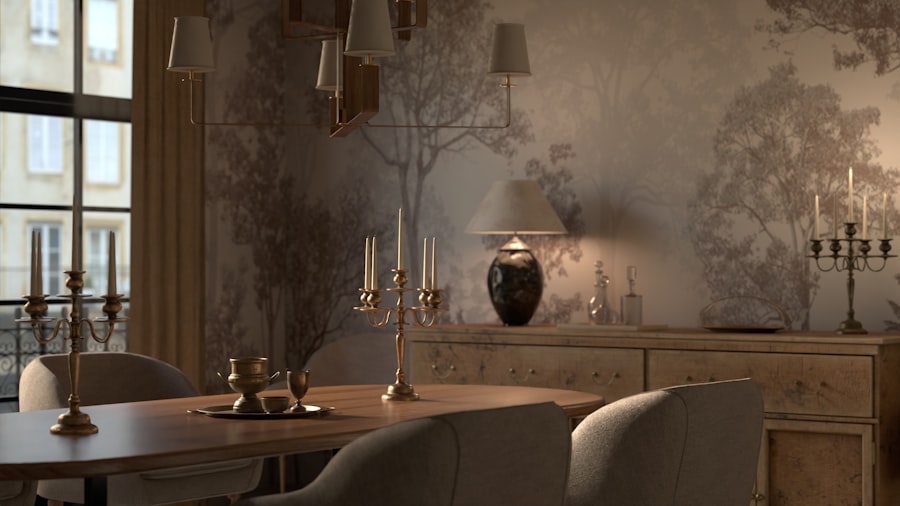
Warm joinery can be adapted to various spaces within a home or commercial environment, each requiring a tailored approach. In living areas, for example, wooden beams or panelled walls can create a focal point that draws people in. Built-in shelving made from warm-toned wood can provide both functionality and aesthetic appeal, allowing for personal items to be displayed in an inviting manner.
Additionally, incorporating wooden furniture pieces such as coffee tables or sideboards can enhance the warmth of the room while offering practical solutions for storage and organisation.
In kitchens, warm joinery can manifest through cabinetry and countertops made from natural wood. Open shelving can showcase dishware or decorative items, adding character to the space while maintaining an uncluttered look. The use of warm wood tones in kitchen islands can create a gathering spot for family and friends, fostering a sense of community. In bedrooms, wooden bed frames or headboards can serve as a comforting anchor in the room, while wooden accents in furniture or decor can contribute to a serene atmosphere conducive to rest.

The colour palette chosen for warm joinery plays a significant role in establishing the desired mood within a space. Warm hues such as soft browns, muted yellows, and gentle reds can evoke feelings of comfort and relaxation. These colours can be applied not only to wooden surfaces but also to walls and furnishings to create a cohesive look. When selecting colours, it is essential to consider how they interact with natural light throughout the day, as this can dramatically alter their appearance.
Finishes are equally important in enhancing the warmth of joinery. A matte or satin finish can provide a more organic feel compared to high-gloss options, which may appear colder or more industrial. Natural oils or waxes can be used to protect wooden surfaces while allowing the grain to show through, adding depth and character. Stains can also be applied to achieve specific tones that align with the overall design scheme. Ultimately, the combination of colour and finish should work together to create an inviting atmosphere that resonates with those who inhabit the space.
In the pursuit of creating a warm and inviting home, the role of joinery cannot be understated, as highlighted in our article on display cabinets. These beautifully crafted pieces not only serve a functional purpose but also enhance the overall aesthetic of a space, contributing to a cosy atmosphere. By incorporating warm joinery elements, one can transform a room into a sanctuary that reflects personal style while providing comfort and charm.
Lighting is a critical element in highlighting warm joinery and enhancing its inviting qualities. The right lighting can accentuate the textures and colours of wood while creating an overall ambience that feels cosy and welcoming.
Soft, warm-toned lighting options such as incandescent bulbs or LED lights with adjustable colour temperatures can help achieve this effect.
Dimmers are also beneficial as they allow for flexibility in adjusting brightness levels according to different activities or moods.
Incorporating various light sources can further enrich the atmosphere created by warm joinery. Ambient lighting from ceiling fixtures can provide general illumination, while task lighting from table lamps or under-cabinet lights can focus on specific areas such as workspaces or reading nooks. Accent lighting can be used to highlight architectural features or decorative elements within the space, drawing attention to the beauty of the joinery itself. By thoughtfully considering lighting options, one can enhance the warmth and character of a space defined by its joinery.
Texture plays an essential role in creating visual interest within spaces featuring warm joinery. The natural grain of wood adds an organic quality that invites touch and interaction. Incorporating different textures through various materials—such as soft textiles alongside rough-hewn wood—can create a dynamic contrast that enhances the overall aesthetic. For instance, pairing smooth wooden surfaces with plush cushions or woven rugs can evoke a sense of comfort while adding depth to the design.
In addition to textiles, other elements such as stone or metal accents can introduce further texture into a space dominated by warm joinery. A stone fireplace surrounded by wooden mantelpieces creates a striking focal point that combines warmth with rustic charm. Similarly, metal fixtures in brass or bronze can add an element of sophistication while complementing the natural tones of wood. By layering textures thoughtfully, one can create a rich sensory experience that enhances the inviting nature of warm joinery.
To preserve the inviting qualities of warm joinery over time, regular maintenance is essential. Wood surfaces should be cleaned periodically with appropriate products that do not damage their finish or integrity. Dusting with a soft cloth helps maintain their appearance while preventing build-up that could detract from their warmth. For surfaces that experience heavy use, such as kitchen countertops or dining tables, applying protective coatings may be necessary to prevent scratches or stains.
In addition to physical maintenance, it is important to consider how the space is used on a daily basis. Arranging furniture in a way that promotes conversation and connection can enhance the cosy atmosphere created by warm joinery. Incorporating personal touches—such as family photos or cherished items—can also contribute to an inviting environment that feels lived-in and welcoming. By being mindful of both upkeep and usage patterns, one can ensure that warm joinery continues to foster comfort and connection within any space.
In conclusion, warm joinery offers a versatile approach to interior design that prioritises comfort and emotional resonance. By carefully selecting materials, colours, finishes, lighting, and textures, one can create spaces that are not only aesthetically pleasing but also conducive to relaxation and connection. The principles of warm joinery draw from traditional craftsmanship while adapting to modern sensibilities, making it relevant across various contexts.
As individuals increasingly seek environments that promote well-being, embracing warm joinery becomes an effective strategy for achieving this goal. Whether in residential settings or commercial spaces, the integration of warm joinery fosters an atmosphere that invites people in and encourages them to linger. Ultimately, creating timeless and inviting spaces through warm joinery is about more than just aesthetics; it is about crafting environments where memories are made and connections are nurtured.
Warm joinery refers to the use of wooden fixtures and fittings that add a natural, cosy feel to interior spaces. It typically involves materials like oak, pine, or walnut, which have warm tones and textures that create a welcoming atmosphere.
Warm joinery contributes to a cosy atmosphere by introducing natural warmth and texture into a room. The wood’s colour and grain add visual interest and softness, making spaces feel more inviting and comfortable.
Rooms such as living rooms, bedrooms, kitchens, and dining areas benefit most from warm joinery. These are spaces where comfort and relaxation are priorities, and the natural warmth of wood enhances the overall ambience.
Yes, warm joinery can be effectively combined with soft furnishings, warm lighting, and natural textiles like wool or linen. This combination enhances the cosy feel and creates a harmonious, inviting interior.
Absolutely. Warm joinery can complement modern interiors by adding texture and warmth to sleek, minimalist designs. Using clean lines and natural wood finishes helps blend traditional warmth with contemporary style.
Don’t Take Our Word For It
Aspec has recieved fantastic 5/5 Star Rating from its clients!
Professional from start to finish!
Wow! Omar was fantastic right from the very beginning! With 6 weeks to go until baby number 2s arrival, Omar delivered on his word to create a phenomenal outdoor kitchen for our alfresco area! It is exactly the vision we had in mind! We are so impressed with the workmanship and quality as well as the effort to get the work completed in such a tight timeframe. Very open and honest about pricing upfront also! Would highly recommend Omar and his team. The level of professionalism, honesty, workmanship and quality was spot on and always has time to discuss and go through any questions or concerns. Thank you A Spec Joinery for doing a fantastic job and in the short time we had to do it by! Particularly fitting us in a busy December!
Bianca M Vucetic
Professional from start to finish!
Great attentions to detail very informative throughout highly reccomend!
Mark, Double Bay
Professional from start to finish!
Omar installed a new kitchen for us. The process was easy and Omar kept in contact with us at all stages. The kitchen was installed in only a couple of days and looks fantastic. We’re very happy with the result.
Mat Pal
Professional from start to finish!
Omar was excellent to deal with. He and his team built and installed a large built-in wardrobe and cupboard, giving us good advice on the design. He was very professional in surveying the complex space for the units – it’s an older house with uneven floor and ceiling – and in preparing the design. His team constructed the units off-site within the time he indicated. Installation was complex and went very smoothly. The whole project was on time and on budget and the product delivered was of the highest quality. We would certainly use him again and recommend him to our friends.
Phillip Hart
Professional from start to finish!
Omar was fantastic to deal with and produced outstanding quality work for our new storage cupbaords and floating shelves. The final product was exactly what we wanted and made with care and attention. We highly recommend him for joinery and cabinetry works. Many thanks, Vince
Vincent Banton
Professional from start to finish!
Omar and his team are awesome. Professional, efficient and really went the extra mile creating beautiful joinery for my studio. Will definitely engage their services again and refer to anyone.
Carla Sconce
Professional from start to finish!
Dealt with Omar from A Spec on our office fit out, all work was done ahead of time and costs were maintained the whole way through. Would happily use A Spec again or recommend to anyone without hesitation.
Emanuel Karantonis
Professional from start to finish!
My experience with Omar and his team has been amazing and trouble-free.
Omar’s attention to detail and quick response time gave me comfort and confidence that the end product would be great.
Being in the construction industry, I couldn’t fault their workmanship and timing. Everything delivered on time and on budget.
Would definitely use Aspec Joinery again.
Ben Yee
Professional from start to finish!
Omar and the team at A Spec Joinery built our kitchen and bookshelves in 2021. The work is really high quality. It’s now 2024 and everything still looks great and functions just like the day they were built. I would highly recommend A Spec, particularly for the after build service. Nothing is too much trouble for Omar.
Alistair McLean
Professional from start to finish!
Omar and his team have worked wonders on all our joinery for our renovation, they constantly went above and beyond during all aspects of the build from planning to manufacturing and installation.
They have done an absolutely beautiful job and it is my pleasure to recommend A-Spec joinery to everyone.
Their professional attitude was exemplary and it was always lovely having Omar and the team in our house, they made an extremely stressful renovation into a positive experience.
A-Spec Joinery made our dreams come true and there are no words that can express how appreciative we are and so happy that we chose them.
If you want the best go with A-Spec Joinery.
Vincent & Anna
Vincent Jones
Professional from start to finish!
Paul Casey
Professional from start to finish!
Matt B
Professional from start to finish!
Our experience with A Spec Joinery was outstanding. We were happy with every phase of our project from initial concept to drawings to finished products. Omar and his team’s attention to detail was fantastic. Highly recommend!!!
Sharon Antonir
Professional from start to finish!
High quality work, on time on budget very professional would engage their services again 100%. 2yrs on asked Omar for additional work and once again very professional, on time and very helpful.
Maurice Natoli