Decluttering is the first step towards creating a more organised and functional space. It’s about more than just tidying up; it’s a chance to reassess what you truly need and what can be let go. Start by going through each room methodically, focusing on one area at a time. This could be a drawer, a shelf, or an entire room. As you sift through your belongings, ask yourself whether each item serves a purpose or brings you joy. If it doesn’t, consider donating or recycling it. This process not only clears physical space but also helps to create a more peaceful mental environment.
Once you’ve decluttered, the next step is organising what remains. Group similar items together and designate specific places for them. Use boxes, baskets, or drawer dividers to keep everything in its place. Labelling can also be incredibly helpful, especially in shared spaces where others may not know where things belong. An organised space is easier to maintain and can significantly reduce stress, making it simpler to find what you need when you need it.
If you’re looking to enhance your wardrobe space further, you might find inspiration in the article about utilising under-stairs cabinets. This innovative storage solution can help you maximise every inch of your home while keeping your belongings neatly organised. To learn more about how to create functional and stylish storage in often-overlooked spaces, check out this informative piece on under-stairs cabinets.
Maximising storage space is essential, especially in smaller homes or apartments where every square inch counts. Start by evaluating your current storage solutions. Are there areas that are underutilised? For instance, the space under your bed can be a treasure trove for storing seasonal clothing or extra bedding. Consider investing in storage boxes that fit neatly under the bed or even using vacuum-sealed bags to save space.
Another effective strategy is to think vertically. Wall-mounted shelves can free up floor space while providing ample room for books, decorative items, or even kitchen supplies. In the kitchen, consider using pegboards or magnetic strips to hang utensils and tools, keeping them within easy reach while freeing up drawer space. The key is to be creative and think outside the box—literally!
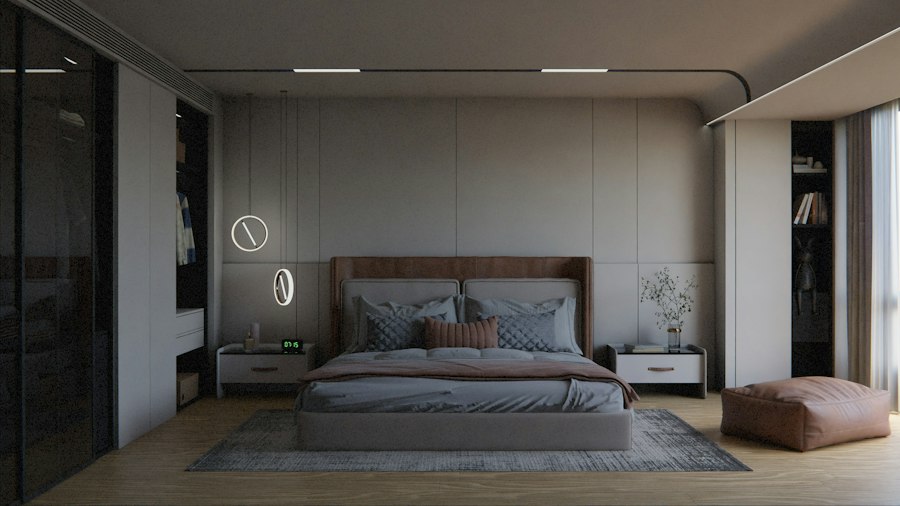
Selecting the right furniture and accessories can make a significant difference in both functionality and aesthetics. When choosing furniture, consider multi-functional pieces that serve more than one purpose. For example, a sofa bed can provide seating during the day and transform into a sleeping area at night, making it ideal for small spaces or guest rooms.
Accessories also play a crucial role in enhancing your space. Opt for items that complement your style while being practical.
For instance, decorative baskets can serve as both storage solutions and stylish decor elements.
When selecting furniture, pay attention to scale; oversized pieces can overwhelm a small room, while smaller items can create a more open feel. Ultimately, the right combination of furniture and accessories should reflect your personal style while meeting your everyday needs.
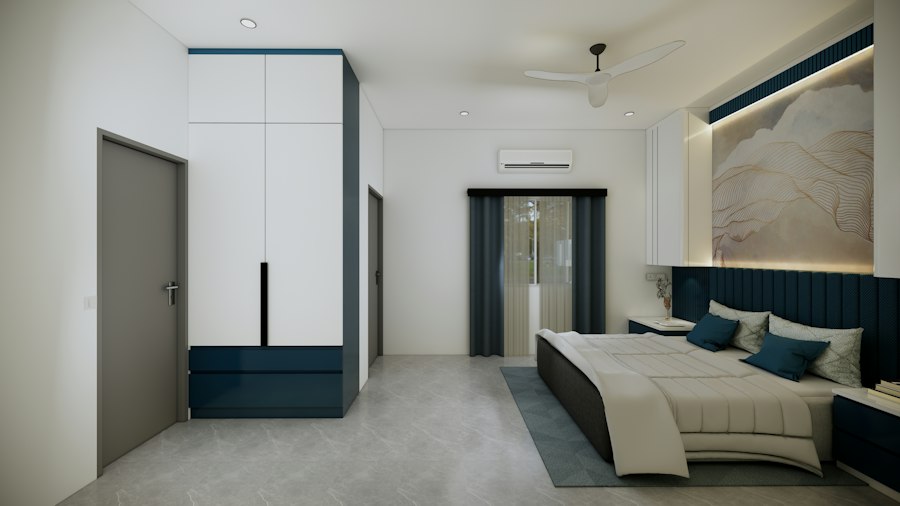
A cohesive colour scheme can transform a space, making it feel more harmonious and inviting. Start by choosing a base colour that resonates with you—this could be a neutral tone like grey or beige, or something bolder like navy or emerald green. Once you have your base, select two or three complementary colours to use as accents throughout the room.
Consider how colours interact with natural light in your space. Lighter shades can make a room feel larger and airier, while darker hues can create a cosy atmosphere. Don’t forget about textures; mixing different materials can add depth to your colour scheme.
For example, pairing soft fabrics with sleek metals can create an interesting contrast that elevates the overall look of your room.
If you’re looking to enhance your wardrobe space while maintaining a sense of comfort and organisation, you might find inspiration in a related article that offers valuable insights on maximising space with stylish built-in robes. This resource provides design tips and ideas that can seamlessly integrate into your wardrobe project, ensuring that functionality meets aesthetics. For more information, you can explore the article on maximising space with stylish built-in robes.
Utilising vertical space is an often-overlooked strategy that can significantly enhance both storage and visual appeal in your home. Think about how you can draw the eye upwards; this not only creates the illusion of higher ceilings but also maximises available space. Wall-mounted shelves are an excellent way to display books, plants, or decorative items without taking up valuable floor space.
In addition to shelves, consider using tall furniture pieces like bookcases or cabinets that draw the eye upward. These can provide ample storage while also serving as statement pieces in your room. Hooks and wall organisers are also great for utilising vertical space; they can hold everything from coats in an entryway to pots and pans in the kitchen, keeping items off surfaces and within easy reach.
Creating an efficient system for easy access is crucial for maintaining an organised home. Start by assessing how often you use various items; frequently used items should be easily accessible, while those used less often can be stored away in less convenient locations. For example, keep everyday kitchen utensils in a drawer near the stove while storing seasonal baking trays on a higher shelf.
Consider using clear containers for storage so you can easily see what’s inside without having to rummage through boxes. This is particularly useful in pantries or craft rooms where items can easily get lost in clutter. Additionally, implementing a routine for putting things back in their designated spots after use will help maintain order over time.
Personal touches are what truly make a house feel like home. Incorporating elements that reflect your personality and interests can create a warm and inviting atmosphere. This could be anything from family photos displayed on shelves to artwork that resonates with you emotionally. Consider creating a gallery wall with framed pictures or prints that tell your story.
Plants are another fantastic way to add life to your space while also improving air quality. Choose low-maintenance varieties if you’re not confident in your gardening skills—succulents or snake plants are great options that require minimal care. Ultimately, personal touches should evoke positive feelings and make your space uniquely yours.
Once you’ve created an organised and aesthetically pleasing space, regular maintenance is key to keeping it that way. Establishing a cleaning routine can help prevent clutter from building up again. This doesn’t have to be overwhelming; even dedicating 10-15 minutes each day to tidying up can make a significant difference over time.
Consider seasonal decluttering sessions as well—these are great opportunities to reassess what you have and make adjustments as needed. If something no longer serves a purpose or fits your style, don’t hesitate to let it go. By staying proactive about maintenance and upkeep, you’ll ensure that your home remains a comfortable and inviting sanctuary for years to come.
In conclusion, creating an organised and aesthetically pleasing home involves several steps—from decluttering and maximising storage space to adding personal touches and maintaining order over time. By implementing these strategies thoughtfully, you can transform your living environment into one that reflects your personality while being functional and enjoyable to live in.
– Utilise soft lighting to create a warm and inviting atmosphere.
– Add plush rugs or carpeting to make the space feel more comfortable.
– Incorporate scented sachets or candles to add a pleasant aroma to the area.
– Use warm, neutral colours for a calming and cozy feel.
– Include comfortable seating for a relaxing dressing experience.
– Use storage bins or baskets to keep smaller items like accessories or socks tidy.
– Install shelves or hanging organisers to maximise vertical space.
– Utilise drawer dividers to keep clothing items neatly separated.
– Implement a colour-coding system to easily locate items.
– Regularly declutter and donate items you no longer wear to maintain a tidy space.
– Use slimline hangers to maximise hanging space.
– Install a closet rod doubler to create additional hanging space.
– Utilise over-the-door organisers for shoes, accessories, or jewellery.
– Consider under-bed storage containers for off-season clothing or shoes.
– Use stackable storage bins or baskets to make the most of shelf space.
– Choose matching hangers for a uniform appearance.
– Use consistent storage containers or baskets for a cohesive look.
– Coordinate storage bins or baskets with the colour scheme of the room.
– Implement a specific theme or style for the space, such as minimalist or bohemian.
– Incorporate decorative elements like artwork or plants to tie the space together.
– Display favourite accessories or shoes as decor.
– Incorporate personal photos or artwork to make the space feel more like home.
– Add a mirror for outfit checks and to visually expand the space.
– Include a small seating area with cushions or throws for a cosy touch.
– Use decorative hooks or knobs to hang scarves, hats, or bags as a personal touch.
Don’t Take Our Word For It
Aspec has recieved fantastic 5/5 Star Rating from its clients!
Professional from start to finish!
Wow! Omar was fantastic right from the very beginning! With 6 weeks to go until baby number 2s arrival, Omar delivered on his word to create a phenomenal outdoor kitchen for our alfresco area! It is exactly the vision we had in mind! We are so impressed with the workmanship and quality as well as the effort to get the work completed in such a tight timeframe. Very open and honest about pricing upfront also! Would highly recommend Omar and his team. The level of professionalism, honesty, workmanship and quality was spot on and always has time to discuss and go through any questions or concerns. Thank you A Spec Joinery for doing a fantastic job and in the short time we had to do it by! Particularly fitting us in a busy December!
Bianca M Vucetic
Professional from start to finish!
Great attentions to detail very informative throughout highly reccomend!
Mark, Double Bay
Professional from start to finish!
Omar installed a new kitchen for us. The process was easy and Omar kept in contact with us at all stages. The kitchen was installed in only a couple of days and looks fantastic. We’re very happy with the result.
Mat Pal
Professional from start to finish!
Omar was excellent to deal with. He and his team built and installed a large built-in wardrobe and cupboard, giving us good advice on the design. He was very professional in surveying the complex space for the units – it’s an older house with uneven floor and ceiling – and in preparing the design. His team constructed the units off-site within the time he indicated. Installation was complex and went very smoothly. The whole project was on time and on budget and the product delivered was of the highest quality. We would certainly use him again and recommend him to our friends.
Phillip Hart
Professional from start to finish!
Omar was fantastic to deal with and produced outstanding quality work for our new storage cupbaords and floating shelves. The final product was exactly what we wanted and made with care and attention. We highly recommend him for joinery and cabinetry works. Many thanks, Vince
Vincent Banton
Professional from start to finish!
Omar and his team are awesome. Professional, efficient and really went the extra mile creating beautiful joinery for my studio. Will definitely engage their services again and refer to anyone.
Carla Sconce
Professional from start to finish!
Dealt with Omar from A Spec on our office fit out, all work was done ahead of time and costs were maintained the whole way through. Would happily use A Spec again or recommend to anyone without hesitation.
Emanuel Karantonis
Professional from start to finish!
My experience with Omar and his team has been amazing and trouble-free.
Omar’s attention to detail and quick response time gave me comfort and confidence that the end product would be great.
Being in the construction industry, I couldn’t fault their workmanship and timing. Everything delivered on time and on budget.
Would definitely use Aspec Joinery again.
Ben Yee
Professional from start to finish!
Omar and the team at A Spec Joinery built our kitchen and bookshelves in 2021. The work is really high quality. It’s now 2024 and everything still looks great and functions just like the day they were built. I would highly recommend A Spec, particularly for the after build service. Nothing is too much trouble for Omar.
Alistair McLean
Professional from start to finish!
Omar and his team have worked wonders on all our joinery for our renovation, they constantly went above and beyond during all aspects of the build from planning to manufacturing and installation.
They have done an absolutely beautiful job and it is my pleasure to recommend A-Spec joinery to everyone.
Their professional attitude was exemplary and it was always lovely having Omar and the team in our house, they made an extremely stressful renovation into a positive experience.
A-Spec Joinery made our dreams come true and there are no words that can express how appreciative we are and so happy that we chose them.
If you want the best go with A-Spec Joinery.
Vincent & Anna
Vincent Jones
Professional from start to finish!
Paul Casey
Professional from start to finish!
Matt B
Professional from start to finish!
Our experience with A Spec Joinery was outstanding. We were happy with every phase of our project from initial concept to drawings to finished products. Omar and his team’s attention to detail was fantastic. Highly recommend!!!
Sharon Antonir
Professional from start to finish!
High quality work, on time on budget very professional would engage their services again 100%. 2yrs on asked Omar for additional work and once again very professional, on time and very helpful.
Maurice Natoli