In the modern workplace, the concept of comfort has evolved beyond mere aesthetics; it has become a fundamental aspect of productivity and employee satisfaction. Comfortable professional spaces are environments that not only accommodate the physical needs of employees but also foster mental well-being and creativity. These spaces are designed to promote a sense of belonging and encourage collaboration, ultimately leading to enhanced performance.
As organisations increasingly recognise the significance of a conducive work environment, the design and layout of professional spaces have taken centre stage in discussions about workplace efficiency. The rise of remote work and flexible office arrangements has further underscored the importance of creating comfortable professional spaces. Employees now have the option to work from home or choose their own environments, making it imperative for traditional offices to adapt and compete.
A comfortable professional space is not merely a luxury; it is a necessity for attracting and retaining talent in an increasingly competitive job market. By prioritising comfort, organisations can create an atmosphere that nurtures innovation and drives success.
The importance of comfortable professional spaces cannot be overstated, as they directly influence employee morale, productivity, and overall job satisfaction. Research has shown that employees who work in environments that prioritise comfort are more engaged and motivated. For instance, a study conducted by the University of Exeter found that well-designed office spaces can increase productivity by up to 15%.
This statistic highlights the tangible benefits of investing in comfortable work environments, as they can lead to significant improvements in output and efficiency. Moreover, comfortable professional spaces contribute to employee well-being by reducing stress and promoting mental health. The World Health Organisation has identified workplace stress as a significant contributor to various health issues, including anxiety and depression.
By creating spaces that are ergonomically designed and aesthetically pleasing, organisations can mitigate these risks. Features such as quiet zones, relaxation areas, and access to nature can help employees recharge and maintain focus throughout the day. In this way, comfortable professional spaces serve as a buffer against the pressures of modern work life.
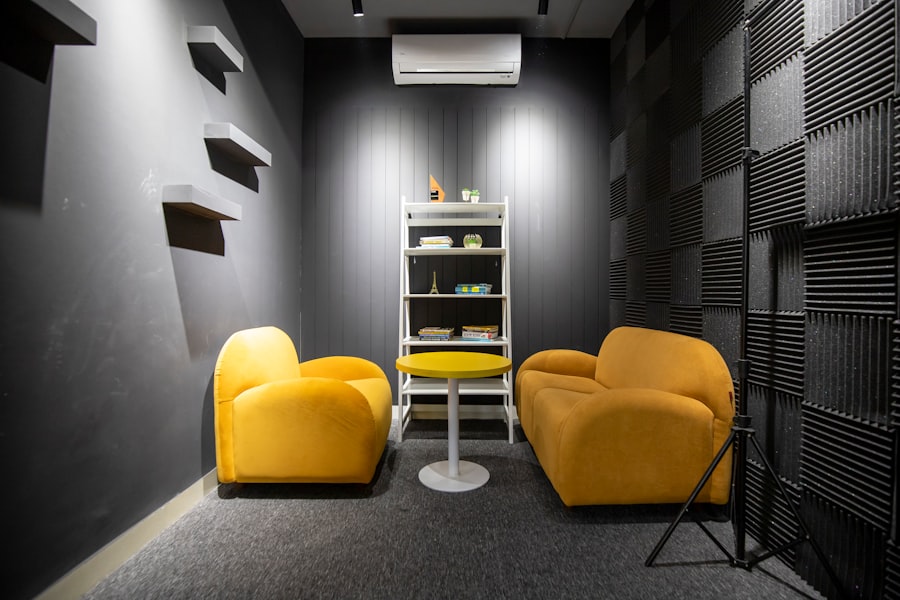
Designing comfortable professional spaces involves a thoughtful approach that considers both functionality and aesthetics. The layout of an office should facilitate collaboration while also providing areas for individual focus. Open-plan offices have gained popularity for their ability to foster teamwork; however, they can also lead to distractions if not designed with care.
Incorporating designated quiet zones or soundproof booths allows employees to retreat when they need to concentrate, striking a balance between collaboration and solitude. In addition to layout, colour schemes and materials play a crucial role in creating a comfortable atmosphere. Warm colours such as soft blues and greens can evoke feelings of calmness and relaxation, while natural materials like wood and stone can enhance the connection to nature.
Biophilic design, which integrates natural elements into the built environment, has been shown to improve mood and cognitive function. By incorporating plants, natural light, and outdoor views into the design, organisations can create spaces that not only look appealing but also promote well-being.
The choice of furniture and equipment is pivotal in establishing comfortable professional spaces. Ergonomic furniture is essential for promoting physical health and preventing musculoskeletal disorders among employees. Adjustable desks that allow for both sitting and standing positions can cater to individual preferences and encourage movement throughout the day.
Chairs with proper lumbar support are equally important, as they help maintain good posture and reduce discomfort during long hours of work. In addition to ergonomic considerations, the functionality of furniture should not be overlooked. Collaborative workspaces equipped with modular furniture can easily adapt to different team sizes and project requirements.
For example, movable tables and chairs allow for quick reconfiguration of spaces for meetings or brainstorming sessions. Furthermore, incorporating technology into furniture design—such as desks with built-in charging ports or collaborative screens—can enhance productivity by ensuring that employees have access to the tools they need without unnecessary interruptions.
Lighting is another critical factor in creating comfortable professional spaces. Natural light has been shown to have a positive impact on mood and productivity; therefore, maximising daylight through large windows or skylights should be a priority in office design. However, it is equally important to consider artificial lighting options for areas that may not receive sufficient natural light.
Adjustable LED lighting systems that mimic natural light patterns can help regulate circadian rhythms, leading to improved focus and energy levels throughout the day. Temperature control is also vital for maintaining comfort in professional spaces. Research indicates that temperature can significantly affect cognitive performance; for instance, studies suggest that the optimal temperature range for productivity is between 20°C and 22°C (68°F to 72°F).
Organisations should invest in efficient heating, ventilation, and air conditioning (HVAC) systems that allow for individual temperature control where possible. Providing employees with the ability to adjust their immediate environment fosters a sense of autonomy and contributes to overall comfort.
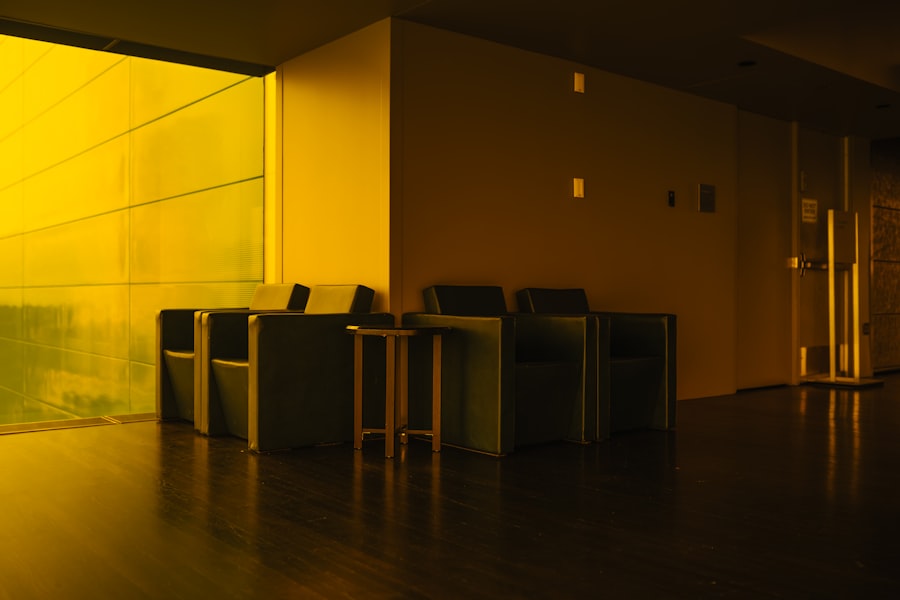
Personalisation is an essential aspect of creating comfortable professional spaces that resonate with employees on an individual level. Allowing employees to personalise their workstations with personal items such as photographs, plants, or artwork can enhance their sense of ownership over their environment. This personal touch not only makes the workspace feel more inviting but also fosters a sense of identity within the organisation.
For instance, some employees may prefer open collaborative areas, while others may thrive in quiet nooks or private offices. By offering a variety of workspace types—such as lounges, hot-desking areas, or focus rooms—organisations can accommodate diverse preferences and promote a culture of inclusivity.
This flexibility not only enhances comfort but also empowers employees to choose environments that best suit their needs.
Maintaining comfortable professional spaces is an ongoing process that requires attention to detail and regular evaluation. Regular cleaning and upkeep are essential for ensuring that workspaces remain inviting and functional. A clean environment not only promotes health but also contributes to employee morale; cluttered or neglected spaces can lead to feelings of stress or disengagement.
In addition to cleanliness, organisations should periodically assess the effectiveness of their workspace design. Gathering feedback from employees through surveys or focus groups can provide valuable insights into what aspects of the environment are working well and what areas may need improvement. This iterative approach allows organisations to adapt their spaces in response to changing needs or preferences over time.
By prioritising maintenance and responsiveness, organisations can ensure that their professional spaces continue to support employee comfort and productivity.
The benefits of comfortable professional spaces extend far beyond mere aesthetics; they encompass employee well-being, productivity, and overall organisational success. By investing in thoughtful design, ergonomic furniture, effective lighting, temperature control, personalisation options, and ongoing maintenance, organisations can create environments that foster creativity and collaboration while prioritising individual comfort.
Organisations that recognise this shift will be better positioned to attract top talent, retain employees, and cultivate a thriving workplace culture. Ultimately, comfortable professional spaces are not just about creating pleasant environments; they are about building a foundation for success in an increasingly competitive landscape.
Creating comfortable professional spaces is essential for enhancing productivity and well-being in the workplace. One aspect to consider is the design and functionality of display areas, which can significantly impact the overall atmosphere. For insights on how to effectively choose display cabinets that complement your professional environment, you can refer to this article on choosing the right display cabinet for your living room or gallery. This resource provides valuable tips that can be applied to various professional settings, ensuring that your space is both aesthetically pleasing and functional.
Key elements include ergonomic furniture, adequate lighting, proper ventilation, noise control, and a clutter-free environment. These factors contribute to both comfort and productivity.
Ergonomics is crucial as it helps prevent strain and injury, improves posture, and enhances overall comfort, leading to increased efficiency and reduced absenteeism.
Good lighting reduces eye strain and fatigue, boosts mood, and improves focus. Natural light is ideal, but adjustable artificial lighting can also create a comfortable atmosphere.
Noise can be managed through soundproofing materials, white noise machines, or designated quiet areas. Minimising distractions helps maintain concentration and reduces stress.
A tidy workspace reduces distractions, improves organisation, and creates a more welcoming and professional atmosphere, which can enhance productivity and morale.
Yes, personal touches such as plants, artwork, or personal items can make a space feel more comfortable and inviting without compromising professionalism.
Proper ventilation ensures good air quality, reduces the buildup of pollutants, and helps maintain a comfortable temperature, all of which contribute to better health and comfort.
Adjustable chairs with lumbar support, desks at appropriate heights, and storage solutions that keep the area organised are recommended to support comfort and functionality.
Yes, colour schemes can influence mood and productivity. Neutral tones with occasional accents are often used to create a calm and professional environment.
Technology should be positioned to reduce glare and strain, with easy access to power outlets and cable management systems to keep the workspace organised and safe.
Don’t Take Our Word For It
Aspec has recieved fantastic 5/5 Star Rating from its clients!
Professional from start to finish!
Wow! Omar was fantastic right from the very beginning! With 6 weeks to go until baby number 2s arrival, Omar delivered on his word to create a phenomenal outdoor kitchen for our alfresco area! It is exactly the vision we had in mind! We are so impressed with the workmanship and quality as well as the effort to get the work completed in such a tight timeframe. Very open and honest about pricing upfront also! Would highly recommend Omar and his team. The level of professionalism, honesty, workmanship and quality was spot on and always has time to discuss and go through any questions or concerns. Thank you A Spec Joinery for doing a fantastic job and in the short time we had to do it by! Particularly fitting us in a busy December!
Bianca M Vucetic
Professional from start to finish!
Great attentions to detail very informative throughout highly reccomend!
Mark, Double Bay
Professional from start to finish!
Omar installed a new kitchen for us. The process was easy and Omar kept in contact with us at all stages. The kitchen was installed in only a couple of days and looks fantastic. We’re very happy with the result.
Mat Pal
Professional from start to finish!
Omar was excellent to deal with. He and his team built and installed a large built-in wardrobe and cupboard, giving us good advice on the design. He was very professional in surveying the complex space for the units – it’s an older house with uneven floor and ceiling – and in preparing the design. His team constructed the units off-site within the time he indicated. Installation was complex and went very smoothly. The whole project was on time and on budget and the product delivered was of the highest quality. We would certainly use him again and recommend him to our friends.
Phillip Hart
Professional from start to finish!
Omar was fantastic to deal with and produced outstanding quality work for our new storage cupbaords and floating shelves. The final product was exactly what we wanted and made with care and attention. We highly recommend him for joinery and cabinetry works. Many thanks, Vince
Vincent Banton
Professional from start to finish!
Omar and his team are awesome. Professional, efficient and really went the extra mile creating beautiful joinery for my studio. Will definitely engage their services again and refer to anyone.
Carla Sconce
Professional from start to finish!
Dealt with Omar from A Spec on our office fit out, all work was done ahead of time and costs were maintained the whole way through. Would happily use A Spec again or recommend to anyone without hesitation.
Emanuel Karantonis
Professional from start to finish!
My experience with Omar and his team has been amazing and trouble-free.
Omar’s attention to detail and quick response time gave me comfort and confidence that the end product would be great.
Being in the construction industry, I couldn’t fault their workmanship and timing. Everything delivered on time and on budget.
Would definitely use Aspec Joinery again.
Ben Yee
Professional from start to finish!
Omar and the team at A Spec Joinery built our kitchen and bookshelves in 2021. The work is really high quality. It’s now 2024 and everything still looks great and functions just like the day they were built. I would highly recommend A Spec, particularly for the after build service. Nothing is too much trouble for Omar.
Alistair McLean
Professional from start to finish!
Omar and his team have worked wonders on all our joinery for our renovation, they constantly went above and beyond during all aspects of the build from planning to manufacturing and installation.
They have done an absolutely beautiful job and it is my pleasure to recommend A-Spec joinery to everyone.
Their professional attitude was exemplary and it was always lovely having Omar and the team in our house, they made an extremely stressful renovation into a positive experience.
A-Spec Joinery made our dreams come true and there are no words that can express how appreciative we are and so happy that we chose them.
If you want the best go with A-Spec Joinery.
Vincent & Anna
Vincent Jones
Professional from start to finish!
Paul Casey
Professional from start to finish!
Matt B
Professional from start to finish!
Our experience with A Spec Joinery was outstanding. We were happy with every phase of our project from initial concept to drawings to finished products. Omar and his team’s attention to detail was fantastic. Highly recommend!!!
Sharon Antonir
Professional from start to finish!
High quality work, on time on budget very professional would engage their services again 100%. 2yrs on asked Omar for additional work and once again very professional, on time and very helpful.
Maurice Natoli