Bespoke joinery is a craft that transcends mere functionality, embodying a harmonious blend of artistry and engineering. This meticulous process involves the creation of custom woodwork tailored to the specific needs and preferences of the client. Unlike mass-produced furniture, bespoke joinery is characterised by its unique designs, intricate detailing, and the use of high-quality materials.
Each piece is crafted with precision, ensuring that it not only fits perfectly within a given space but also enhances the overall aesthetic of the environment. The artisans behind bespoke joinery often possess years of experience and a deep understanding of traditional techniques, which they combine with modern innovations to create stunning results. The beauty of bespoke joinery lies in its ability to tell a story.
Each project begins with a consultation where the client’s vision is discussed in detail. This collaborative approach allows for a deeper understanding of the client’s lifestyle, preferences, and the specific requirements of the space. From elegant cabinetry to intricate staircases, bespoke joinery can transform any area into a reflection of personal style.
The craftsmanship involved in this art form is not merely about constructing furniture; it is about creating pieces that resonate with the individual, making each item a cherished part of their home.
Wood remains the most popular choice due to its versatility and natural beauty. Hardwoods such as oak, walnut, and cherry are often favoured for their strength and rich grain patterns, which can add character to any piece.
Each type of wood has its own unique properties; for instance, oak is renowned for its durability and resistance to wear, making it an excellent choice for high-traffic areas. On the other hand, softer woods like pine can be more cost-effective and easier to work with, allowing for intricate designs that may be more challenging with harder materials.
In addition to wood, other materials such as metal and glass can be incorporated into bespoke joinery projects to create striking contrasts and enhance functionality. For example, combining wooden cabinetry with glass doors can provide an elegant display for cherished items while maintaining a sense of openness in a room. Furthermore, the choice of finishes—whether natural oils, stains, or paints—can dramatically alter the appearance of the wood, allowing for further personalisation. It is essential to consider not only the visual aspects but also the practical implications of each material, including maintenance requirements and how they will age over time.
Customisation is at the heart of bespoke joinery, allowing homeowners to create spaces that are uniquely theirs. This level of personalisation extends beyond mere dimensions; it encompasses style, functionality, and even colour schemes. For instance, a family with young children may opt for rounded edges on furniture to enhance safety, while a couple who frequently entertains might prioritise open shelving for easy access to glassware and serving dishes.
The ability to tailor every aspect of a piece ensures that it meets the specific needs of its users, making it not just a functional item but an integral part of their daily lives. Moreover, customisation in joinery allows for the integration of innovative storage solutions that can maximise space efficiency. In urban environments where square footage is often limited, bespoke joinery can provide clever solutions such as built-in wardrobes or under-stair storage that seamlessly blend into the architecture of the home.
This thoughtful approach not only enhances practicality but also contributes to a more organised living environment. By working closely with a skilled joiner, clients can explore various design options that reflect their lifestyle while ensuring that every piece serves a purpose.
| Key Aspects of Timeless Design | Benefits |
|---|---|
| Quality Materials | Enhanced durability and longevity |
| Simple and Clean Lines | Timeless and elegant appearance |
| Functional and Practical | Efficient use of space and resources |
| Attention to Detail | Exquisite craftsmanship and sophistication |
Timeless design is an essential consideration in bespoke joinery, as it ensures that pieces remain relevant and appealing for years to come. Classic styles such as Shaker or Arts and Crafts are often favoured for their enduring aesthetic qualities and functional simplicity. These designs focus on clean lines and craftsmanship rather than fleeting trends, making them suitable for a variety of interior styles—from traditional to contemporary.
By incorporating elements of timeless design into bespoke joinery, homeowners can create spaces that not only look beautiful today but will continue to do so in the future. In addition to style, timeless design also encompasses the choice of materials and finishes. Natural wood finishes tend to age gracefully, developing a patina that adds character over time.
This contrasts sharply with synthetic materials that may deteriorate or go out of fashion more quickly. Furthermore, incorporating classic design elements such as mouldings or panelled doors can elevate the overall look of a space while ensuring that it remains sophisticated and elegant. By focusing on timeless principles in bespoke joinery, clients can invest in pieces that will endure both in style and quality.
The advantages of bespoke joinery extend far beyond aesthetics; they encompass functionality, durability, and increased property value. One significant benefit is the ability to maximise space utilisation effectively. Bespoke solutions can be designed to fit awkward corners or underutilised areas in a home, transforming them into functional storage or display spaces.
This tailored approach not only enhances organisation but also contributes to a more streamlined living environment. Durability is another key advantage associated with bespoke joinery. When crafted by skilled artisans using high-quality materials, bespoke pieces are built to last.
Unlike mass-produced furniture that may be prone to wear and tear, bespoke joinery is designed with longevity in mind. This investment in quality often results in lower long-term costs as homeowners are less likely to need replacements or repairs over time. Additionally, bespoke joinery can significantly enhance the overall value of a property.
Potential buyers are often drawn to homes featuring custom woodwork due to its uniqueness and craftsmanship, making it an attractive selling point.
Engaging with past clients can also provide valuable insights into their experience working with the joiner. Communication plays a vital role in this process; an effective joiner will take the time to understand your needs and preferences thoroughly. They should be able to offer suggestions based on their expertise whilst remaining receptive to your ideas.
A collaborative approach fosters creativity and ensures that the final product reflects your personal style. This approach enables the joiner to understand your unique requirements and incorporate them into the design. By working together, you can create a bespoke project that exceeds your expectations.
Additionally, discussing timelines and budgets upfront can help establish clear expectations and prevent misunderstandings later in the project. This open and transparent approach will enable you to plan accordingly and make informed decisions throughout the project.
Proper maintenance is essential for preserving the beauty and functionality of bespoke joinery over time. Regular cleaning is crucial; dusting surfaces with a soft cloth can prevent dirt accumulation that may scratch or dull finishes. For wooden surfaces, using appropriate cleaning products designed specifically for wood can help maintain their natural sheen without causing damage.
It is advisable to avoid harsh chemicals or abrasive materials that could compromise the integrity of the finish. In addition to cleaning, periodic inspections are important for identifying any signs of wear or damage early on. Checking for loose joints or signs of moisture damage can help address issues before they escalate into more significant problems.
Depending on the type of finish used on your bespoke joinery, re-oiling or refinishing may be necessary every few years to maintain its appearance and protect it from environmental factors such as humidity or sunlight exposure.
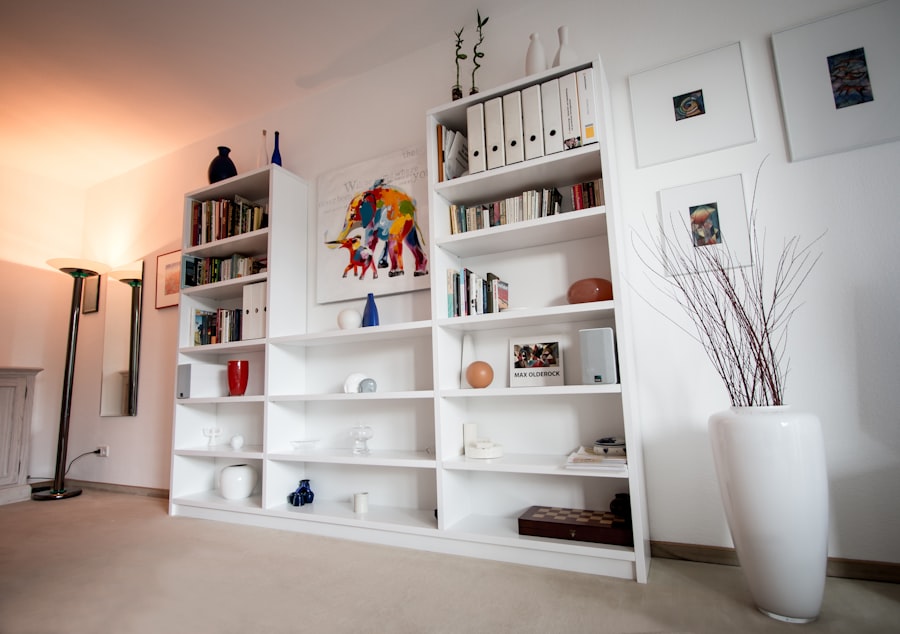
Investing in bespoke joinery can significantly enhance your home’s value by creating unique features that appeal to potential buyers. Custom woodwork adds character and charm that mass-produced items simply cannot replicate. Features such as built-in bookshelves or custom cabinetry not only serve practical purposes but also contribute to an inviting atmosphere that many buyers find attractive.
Moreover, bespoke joinery often reflects high-quality craftsmanship and attention to detail—qualities that discerning buyers appreciate. Homes showcasing well-executed custom woodwork are often perceived as more desirable and may command higher prices on the market. By choosing bespoke joinery as part of your home improvement strategy, you are not only enhancing your living space but also making a sound investment in your property’s future value.
If you are interested in bespoke joinery, you may also want to check out this article on 10 Trending Styles for Kitchen Cabinets in 2024. This article discusses the latest trends in kitchen cabinet design, which can be a great complement to your bespoke joinery projects. It provides insights into popular styles and finishes that can help you create a cohesive and stylish look for your home.
Don’t Take Our Word For It
Aspec has recieved fantastic 5/5 Star Rating from its clients!
Professional from start to finish!
Wow! Omar was fantastic right from the very beginning! With 6 weeks to go until baby number 2s arrival, Omar delivered on his word to create a phenomenal outdoor kitchen for our alfresco area! It is exactly the vision we had in mind! We are so impressed with the workmanship and quality as well as the effort to get the work completed in such a tight timeframe. Very open and honest about pricing upfront also! Would highly recommend Omar and his team. The level of professionalism, honesty, workmanship and quality was spot on and always has time to discuss and go through any questions or concerns. Thank you A Spec Joinery for doing a fantastic job and in the short time we had to do it by! Particularly fitting us in a busy December!
Bianca M Vucetic
Professional from start to finish!
Great attentions to detail very informative throughout highly reccomend!
Mark, Double Bay
Professional from start to finish!
Omar installed a new kitchen for us. The process was easy and Omar kept in contact with us at all stages. The kitchen was installed in only a couple of days and looks fantastic. We’re very happy with the result.
Mat Pal
Professional from start to finish!
Omar was excellent to deal with. He and his team built and installed a large built-in wardrobe and cupboard, giving us good advice on the design. He was very professional in surveying the complex space for the units – it’s an older house with uneven floor and ceiling – and in preparing the design. His team constructed the units off-site within the time he indicated. Installation was complex and went very smoothly. The whole project was on time and on budget and the product delivered was of the highest quality. We would certainly use him again and recommend him to our friends.
Phillip Hart
Professional from start to finish!
Omar was fantastic to deal with and produced outstanding quality work for our new storage cupbaords and floating shelves. The final product was exactly what we wanted and made with care and attention. We highly recommend him for joinery and cabinetry works. Many thanks, Vince
Vincent Banton
Professional from start to finish!
Omar and his team are awesome. Professional, efficient and really went the extra mile creating beautiful joinery for my studio. Will definitely engage their services again and refer to anyone.
Carla Sconce
Professional from start to finish!
Dealt with Omar from A Spec on our office fit out, all work was done ahead of time and costs were maintained the whole way through. Would happily use A Spec again or recommend to anyone without hesitation.
Emanuel Karantonis
Professional from start to finish!
My experience with Omar and his team has been amazing and trouble-free.
Omar’s attention to detail and quick response time gave me comfort and confidence that the end product would be great.
Being in the construction industry, I couldn’t fault their workmanship and timing. Everything delivered on time and on budget.
Would definitely use Aspec Joinery again.
Ben Yee
Professional from start to finish!
Omar and the team at A Spec Joinery built our kitchen and bookshelves in 2021. The work is really high quality. It’s now 2024 and everything still looks great and functions just like the day they were built. I would highly recommend A Spec, particularly for the after build service. Nothing is too much trouble for Omar.
Alistair McLean
Professional from start to finish!
Omar and his team have worked wonders on all our joinery for our renovation, they constantly went above and beyond during all aspects of the build from planning to manufacturing and installation.
They have done an absolutely beautiful job and it is my pleasure to recommend A-Spec joinery to everyone.
Their professional attitude was exemplary and it was always lovely having Omar and the team in our house, they made an extremely stressful renovation into a positive experience.
A-Spec Joinery made our dreams come true and there are no words that can express how appreciative we are and so happy that we chose them.
If you want the best go with A-Spec Joinery.
Vincent & Anna
Vincent Jones
Professional from start to finish!
Paul Casey
Professional from start to finish!
Matt B
Professional from start to finish!
Our experience with A Spec Joinery was outstanding. We were happy with every phase of our project from initial concept to drawings to finished products. Omar and his team’s attention to detail was fantastic. Highly recommend!!!
Sharon Antonir
Professional from start to finish!
High quality work, on time on budget very professional would engage their services again 100%. 2yrs on asked Omar for additional work and once again very professional, on time and very helpful.
Maurice Natoli