Custom joinery is more than just a method of construction; it’s an art form that combines functionality with aesthetic appeal. At its core, custom joinery involves creating bespoke wooden structures tailored to specific needs and preferences. This craft has been around for centuries, evolving from simple techniques to sophisticated designs that enhance both residential and commercial spaces. The beauty of custom joinery lies in its ability to transform ordinary spaces into extraordinary ones, making it a popular choice for homeowners and businesses alike.
In today’s world, where mass-produced furniture often lacks character, custom joinery offers a unique solution. It allows for personalisation, ensuring that every piece not only fits perfectly within a space but also reflects the individual style of its owner. Whether it’s a beautifully crafted bookshelf or a sleek kitchen cabinet, custom joinery brings a level of detail and craftsmanship that is hard to replicate with off-the-shelf options. This article will explore the various aspects of custom joinery, from design considerations to material choices, and how it can elevate both home and commercial environments.
In the pursuit of creating environments that foster creativity and productivity, the article on Crafting Spaces That Inspire with Custom Joinery highlights the transformative power of bespoke cabinetry. For further insights into how tailored joinery solutions can enhance both functionality and aesthetics in your home or workspace, you may find the article on custom cabinets particularly enlightening. To explore this topic in greater detail, visit this article.
When it comes to designing spaces, the balance between functionality and aesthetics is crucial. Custom joinery excels in this regard, as it allows for tailored solutions that meet specific needs while also enhancing the overall look of a room. For instance, a well-designed custom kitchen can maximise storage and efficiency while incorporating stylish elements that make cooking a pleasure rather than a chore. The ability to create bespoke cabinetry that fits perfectly into awkward spaces or integrates seamlessly with existing decor is one of the key advantages of custom joinery.
Moreover, the design process for custom joinery often involves collaboration between the client and the craftsman. This partnership ensures that the final product not only meets practical requirements but also aligns with the client’s vision.
From selecting colours and finishes to determining the layout and functionality, every decision is made with the end-user in mind.
This level of involvement often results in spaces that are not only beautiful but also highly functional, making everyday tasks easier and more enjoyable.
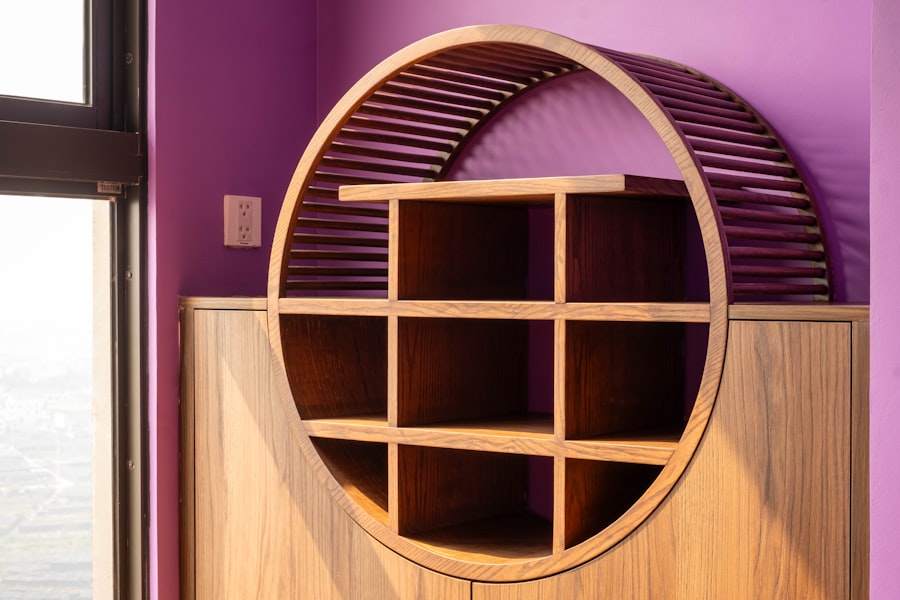
Selecting the right materials is a fundamental aspect of custom joinery that can significantly impact both durability and aesthetics. Wood is the most common choice due to its versatility and natural beauty, but there are many types to consider. Hardwoods like oak, walnut, and cherry offer strength and longevity, while softer woods like pine can provide a more rustic charm. Each type of wood has its own unique grain patterns and colours, allowing for a wide range of design possibilities.
In addition to wood, other materials such as laminates, metals, and glass can be incorporated into custom joinery projects. For example, combining wood with glass can create stunning visual contrasts while maintaining an open feel in smaller spaces. Similarly, metal accents can add a modern touch to traditional designs. It’s essential to consider not only the aesthetic qualities of these materials but also their practicality in terms of maintenance and longevity. Choosing sustainable materials can also contribute to a more eco-friendly approach to custom joinery, aligning with growing consumer preferences for environmentally responsible options.
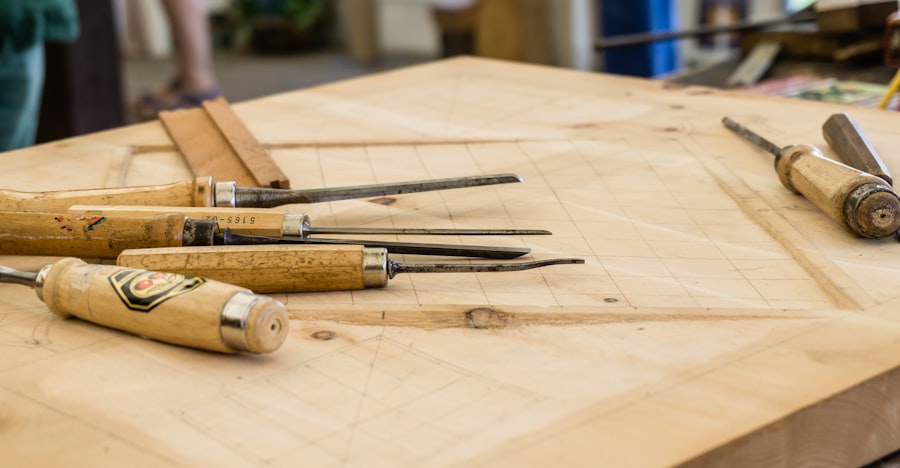
Custom joinery plays a pivotal role in enhancing home interiors, particularly in areas like kitchens and wardrobes where functionality is paramount. In kitchens, bespoke cabinetry can be designed to fit specific appliances and layouts, ensuring that every inch of space is utilised effectively. This not only improves workflow but also creates a cohesive look that ties the entire room together. Features such as pull-out shelves, hidden compartments, and integrated lighting can further enhance usability while adding a touch of luxury.
Wardrobes are another area where custom joinery shines. A well-designed wardrobe can maximise storage while providing easy access to clothing and accessories. Custom solutions allow for tailored shelving, hanging space, and even shoe storage that fits perfectly within the dimensions of the room. This level of personalisation ensures that every wardrobe is unique to its owner’s needs, making daily routines smoother and more organised. The attention to detail in custom joinery can transform these functional spaces into stylish features of the home.
In the quest for creating personalised environments, the role of custom joinery cannot be overstated, as it allows for the seamless integration of functionality and aesthetics. For those looking to enhance their culinary spaces, an insightful article on transforming small kitchens with stylish renovations in Sydney offers practical tips and inspiration. You can explore this further in the article available This includes sourcing sustainable materials, using non-toxic finishes, and implementing energy-efficient production methods. By prioritising sustainability, custom joiners can create beautiful pieces that not only enhance spaces but also contribute positively to the environment. Innovation is also shaping the future of custom joinery. Advances in technology are enabling craftsmen to explore new design possibilities through computer-aided design (CAD) software and CNC machinery. These tools allow for greater precision and creativity in crafting bespoke pieces while maintaining high standards of quality. As trends evolve and consumer preferences shift towards more personalised solutions, custom joinery will continue to adapt, ensuring it remains relevant in an ever-changing market. In conclusion, custom joinery is an art form that marries functionality with aesthetic appeal across various settings—from homes to commercial spaces. By focusing on design, material selection, craftsmanship, and sustainability, it offers unique solutions tailored to individual needs while enhancing the overall environment. As we move forward, embracing innovation alongside traditional techniques will ensure that custom joinery continues to thrive as a vital aspect of interior design. Custom joinery refers to the creation of bespoke woodwork and furniture pieces that are tailored to fit a specific space or design concept. This can include items such as cabinets, shelving, and other built-in furniture. Custom joinery allows for a high level of personalisation and creativity in a space, as it can be designed to perfectly fit the dimensions and style of a room. It also offers the opportunity to maximise storage and functionality, as well as adding a unique and luxurious touch to the space. Common examples of custom joinery in interior design include built-in wardrobes, bespoke kitchen cabinets, custom shelving units, and unique feature walls. These elements can be designed to seamlessly integrate with the overall aesthetic of a space. Custom joinery can contribute to creating an inspiring environment by providing a sense of craftsmanship and attention to detail. It can also help to organise and declutter a space, allowing for a more functional and visually appealing setting that can inspire creativity and productivity. When incorporating custom joinery into a space, it is important to consider the overall design aesthetic, the functionality of the pieces, and the specific needs of the users. It is also essential to work with skilled craftsmen or joiners who can bring the design vision to life with precision and quality craftsmanship.FAQs
What is custom joinery?
What are the benefits of using custom joinery in a space?
What are some common examples of custom joinery in interior design?
How can custom joinery contribute to creating an inspiring environment?
What should be considered when incorporating custom joinery into a space?
Don’t Take Our Word For It
Aspec has recieved fantastic 5/5 Star Rating from its clients!
Professional from start to finish!
Wow! Omar was fantastic right from the very beginning! With 6 weeks to go until baby number 2s arrival, Omar delivered on his word to create a phenomenal outdoor kitchen for our alfresco area! It is exactly the vision we had in mind! We are so impressed with the workmanship and quality as well as the effort to get the work completed in such a tight timeframe. Very open and honest about pricing upfront also! Would highly recommend Omar and his team. The level of professionalism, honesty, workmanship and quality was spot on and always has time to discuss and go through any questions or concerns. Thank you A Spec Joinery for doing a fantastic job and in the short time we had to do it by! Particularly fitting us in a busy December!
Bianca M Vucetic
Professional from start to finish!
Great attentions to detail very informative throughout highly reccomend!
Mark, Double Bay
Professional from start to finish!
Omar installed a new kitchen for us. The process was easy and Omar kept in contact with us at all stages. The kitchen was installed in only a couple of days and looks fantastic. We’re very happy with the result.
Mat Pal
Professional from start to finish!
Omar was excellent to deal with. He and his team built and installed a large built-in wardrobe and cupboard, giving us good advice on the design. He was very professional in surveying the complex space for the units – it’s an older house with uneven floor and ceiling – and in preparing the design. His team constructed the units off-site within the time he indicated. Installation was complex and went very smoothly. The whole project was on time and on budget and the product delivered was of the highest quality. We would certainly use him again and recommend him to our friends.
Phillip Hart
Professional from start to finish!
Omar was fantastic to deal with and produced outstanding quality work for our new storage cupbaords and floating shelves. The final product was exactly what we wanted and made with care and attention. We highly recommend him for joinery and cabinetry works. Many thanks, Vince
Vincent Banton
Professional from start to finish!
Omar and his team are awesome. Professional, efficient and really went the extra mile creating beautiful joinery for my studio. Will definitely engage their services again and refer to anyone.
Carla Sconce
Professional from start to finish!
Dealt with Omar from A Spec on our office fit out, all work was done ahead of time and costs were maintained the whole way through. Would happily use A Spec again or recommend to anyone without hesitation.
Emanuel Karantonis
Professional from start to finish!
My experience with Omar and his team has been amazing and trouble-free.
Omar’s attention to detail and quick response time gave me comfort and confidence that the end product would be great.
Being in the construction industry, I couldn’t fault their workmanship and timing. Everything delivered on time and on budget.
Would definitely use Aspec Joinery again.
Ben Yee
Professional from start to finish!
Omar and the team at A Spec Joinery built our kitchen and bookshelves in 2021. The work is really high quality. It’s now 2024 and everything still looks great and functions just like the day they were built. I would highly recommend A Spec, particularly for the after build service. Nothing is too much trouble for Omar.
Alistair McLean
Professional from start to finish!
Omar and his team have worked wonders on all our joinery for our renovation, they constantly went above and beyond during all aspects of the build from planning to manufacturing and installation.
They have done an absolutely beautiful job and it is my pleasure to recommend A-Spec joinery to everyone.
Their professional attitude was exemplary and it was always lovely having Omar and the team in our house, they made an extremely stressful renovation into a positive experience.
A-Spec Joinery made our dreams come true and there are no words that can express how appreciative we are and so happy that we chose them.
If you want the best go with A-Spec Joinery.
Vincent & Anna
Vincent Jones
Professional from start to finish!
Paul Casey
Professional from start to finish!
Matt B
Professional from start to finish!
Our experience with A Spec Joinery was outstanding. We were happy with every phase of our project from initial concept to drawings to finished products. Omar and his team’s attention to detail was fantastic. Highly recommend!!!
Sharon Antonir
Professional from start to finish!
High quality work, on time on budget very professional would engage their services again 100%. 2yrs on asked Omar for additional work and once again very professional, on time and very helpful.
Maurice Natoli