When it comes to kitchen design, striking the right balance between functionality and aesthetics is crucial. A kitchen is not just a place for cooking; it’s often the heart of the home where families gather, friends are entertained, and memories are made. Therefore, it’s essential to create a space that is not only visually appealing but also practical for everyday use. The challenge lies in ensuring that the kitchen serves its purpose efficiently while also reflecting your personal style.
To achieve this balance, consider how you use your kitchen on a daily basis. Are you an avid cook who needs ample counter space and storage for utensils? Or do you prefer a more minimalist approach with fewer items on display? Understanding your habits will guide your design choices. For instance, open shelving can be visually striking but may not be the best option if you prefer a clutter-free environment. Ultimately, the goal is to create a kitchen that feels inviting and functional, allowing you to enjoy both cooking and socialising.
When considering the design of a kitchen that seamlessly blends practicality with aesthetic appeal, it can be beneficial to explore related topics that delve into the broader aspects of interior design. An insightful article on transforming business spaces can provide valuable inspiration and ideas applicable to residential kitchens as well. For instance, you may find the article on comprehensive commercial fit-out services particularly useful, as it discusses innovative design solutions that enhance functionality while maintaining visual charm, a principle that is equally relevant in crafting a beautiful and practical kitchen.
Selecting the right materials for your kitchen is a fundamental step in achieving both durability and style. The kitchen endures a lot of wear and tear, from spills and stains to heat and humidity. Therefore, it’s essential to choose materials that can withstand these challenges while still looking good. For countertops, options like quartz or granite offer both resilience and elegance, making them popular choices among homeowners.
In addition to countertops, consider cabinetry and flooring materials that complement your overall design. Solid wood cabinets can add warmth and character, while laminate options provide a budget-friendly alternative without sacrificing style. When it comes to flooring, tiles or vinyl can be both practical and aesthetically pleasing, offering a variety of designs to suit your taste. By carefully selecting durable materials, you can ensure that your kitchen remains beautiful and functional for years to come.
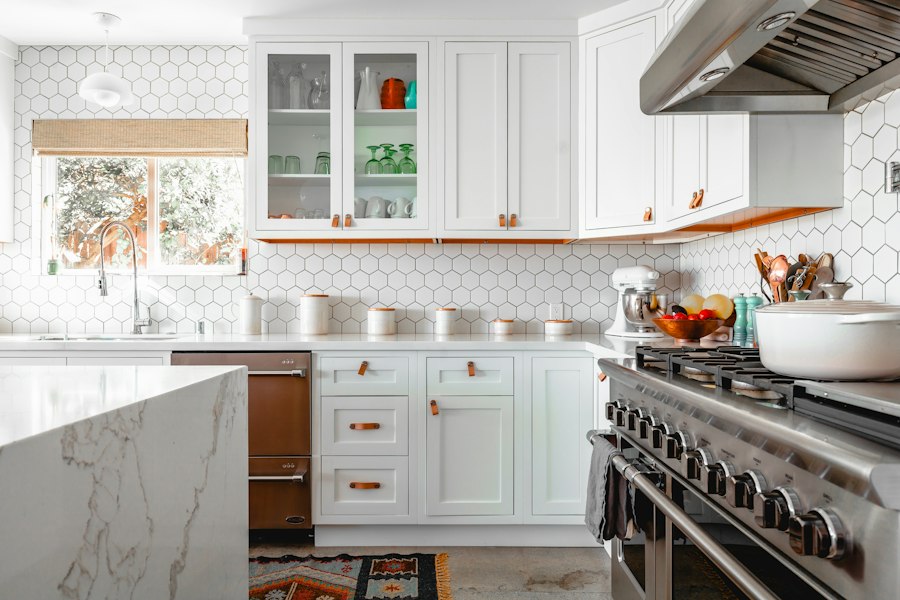
One of the most common challenges in kitchen design is maximising storage space without compromising on style. A cluttered kitchen can quickly detract from its overall aesthetic, so finding clever storage solutions is key. Start by assessing your storage needs: what items do you use frequently, and what can be stored away? This will help you determine the best layout for your kitchen.
Consider incorporating built-in storage solutions such as pull-out drawers, lazy Susans, or even vertical storage racks. These options not only save space but also keep your kitchen organised and accessible. Additionally, think about utilising the vertical space in your kitchen by installing shelves or cabinets that reach up to the ceiling. This not only provides extra storage but also draws the eye upward, making the room feel larger. By being strategic about storage, you can maintain a clean and stylish kitchen that meets all your needs.
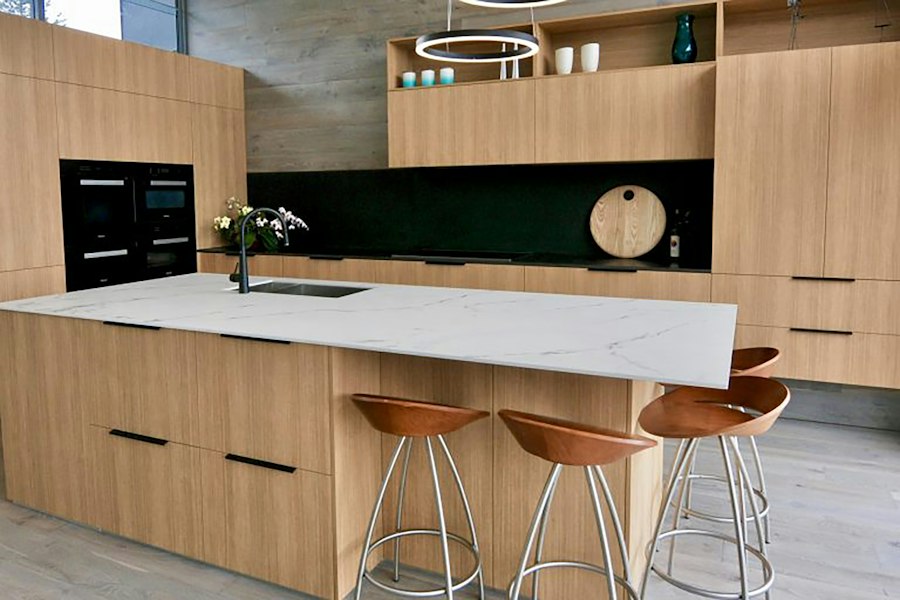
The colour palette you choose for your kitchen can significantly impact its overall atmosphere. A well-thought-out colour scheme can create a sense of harmony and enhance the visual appeal of the space. When selecting colours, consider both the size of your kitchen and the amount of natural light it receives. Lighter shades can make a small kitchen feel more spacious, while darker tones can add depth and warmth.
Don’t be afraid to mix and match colours to create a unique look. For instance, pairing soft neutrals with bold accent colours can add personality without overwhelming the space.
Additionally, consider how different colours work together; complementary shades can create a cohesive look that ties the room together.
Ultimately, your colour choices should reflect your personal style while also creating an inviting atmosphere for family and guests.
When designing a kitchen that seamlessly blends practicality with beauty, it’s essential to consider how each element contributes to the overall functionality and aesthetic appeal. For those interested in transforming not just kitchens but entire spaces, a related article on commercial fit-outs offers valuable insights into creating environments that inspire and enhance productivity. By incorporating thoughtful design principles, you can achieve a kitchen that is not only a joy to cook in but also a stunning focal point of your home.
Lighting plays a crucial role in any kitchen design, affecting both functionality and mood. A well-lit kitchen makes cooking easier and more enjoyable, while also enhancing the overall aesthetic of the space. Start by assessing the natural light available in your kitchen; this will help you determine where additional lighting is needed.
Layering different types of lighting can create a balanced and inviting atmosphere. Consider incorporating ambient lighting for general illumination, task lighting for specific work areas like countertops or sinks, and accent lighting to highlight architectural features or decorative elements. Pendant lights over an island or under-cabinet lighting can add both style and practicality to your kitchen. By thoughtfully integrating various lighting solutions, you can create a well-lit space that is both functional and visually appealing.
When designing a kitchen that seamlessly combines practicality with aesthetic appeal, it can be beneficial to explore various storage solutions that enhance both functionality and style. A related article on storage cabinets offers insights into how well-designed cabinetry can transform your kitchen space, providing ample storage while maintaining a beautiful appearance. By considering these elements, you can create a kitchen that not only meets your culinary needs but also serves as a welcoming gathering place for family and friends.
A well-designed kitchen workspace should prioritise ease of use and comfort. The layout of your kitchen should facilitate smooth movement between different areas, such as cooking, cleaning, and food preparation. The classic work triangle—comprising the stove, sink, and refrigerator—remains a useful guideline for creating an efficient workflow.
Consider the height of countertops and the placement of appliances to ensure they are comfortable to use. For instance, if you often find yourself chopping vegetables or preparing meals, having a countertop at the right height can make a significant difference in comfort. Additionally, think about incorporating ergonomic features such as pull-out shelves or adjustable shelving to make accessing items easier. By designing workspaces with comfort in mind, you’ll create a kitchen that is not only functional but also enjoyable to use.
Modern appliances are essential for any contemporary kitchen, but they can sometimes disrupt the overall design if not integrated thoughtfully. When selecting appliances, consider their size, style, and finish to ensure they complement your kitchen’s aesthetic. Stainless steel appliances are popular for their sleek look but may not suit every design; consider alternatives like matte black or custom panelled appliances that blend seamlessly with cabinetry.
Placement is also key when integrating appliances into your kitchen design. Built-in ovens or microwaves can save space while maintaining a streamlined appearance. Additionally, consider how appliances will affect workflow; placing them within easy reach of prep areas can enhance efficiency during cooking. By thoughtfully integrating modern appliances into your design, you can maintain a cohesive look while enjoying the benefits of contemporary technology.
Finally, adding personal touches to your kitchen can elevate its visual appeal and make it feel truly yours. This could include decorative elements such as artwork, unique dishware displayed on open shelves, or even plants that bring life into the space. Personal touches not only enhance aesthetics but also create a welcoming atmosphere that reflects your personality.
Consider incorporating elements that tell a story or evoke memories—perhaps a vintage piece inherited from family or souvenirs from travels that inspire your culinary adventures. These details can make your kitchen feel more inviting and special. Remember that personalisation doesn’t have to be overwhelming; even small touches like colourful dish towels or stylish storage containers can make a significant impact on the overall look of your kitchen.
In conclusion, designing a kitchen that balances functionality with aesthetics requires careful consideration of various elements—from materials and colour palettes to storage solutions and personal touches.
By focusing on these aspects, you can create a space that is not only beautiful but also practical for everyday living.
Whether you’re renovating an existing kitchen or starting from scratch, taking the time to plan thoughtfully will result in a space that you’ll love for years to come.
Some practical storage solutions for a kitchen include installing pull-out pantry shelves, utilizing vertical space with wall-mounted shelves or racks, incorporating drawer dividers for utensils and cutlery, and using stackable containers to maximize cabinet space.
To make your kitchen more functional for cooking and meal preparation, consider adding a kitchen island for extra workspace, installing task lighting under cabinets, incorporating a pot filler near the stove, and organizing cooking tools and ingredients in easy-to-reach areas.
Some ways to add a touch of beauty to a kitchen design include choosing a cohesive color scheme, incorporating natural elements like plants or herbs, displaying decorative kitchenware or artwork, and investing in high-quality materials for countertops and backsplashes.
To balance practicality and aesthetics when selecting kitchen appliances, consider choosing appliances with sleek and modern designs that also offer advanced features for efficiency and convenience. Opt for appliances in finishes that complement the overall kitchen decor.
Some tips for maintaining both the practicality and beauty of a kitchen in the long term include regularly decluttering and organizing storage spaces, cleaning appliances and surfaces regularly, updating decor elements as needed, and investing in durable materials that are easy to maintain.
Don’t Take Our Word For It
Aspec has recieved fantastic 5/5 Star Rating from its clients!
Professional from start to finish!
Wow! Omar was fantastic right from the very beginning! With 6 weeks to go until baby number 2s arrival, Omar delivered on his word to create a phenomenal outdoor kitchen for our alfresco area! It is exactly the vision we had in mind! We are so impressed with the workmanship and quality as well as the effort to get the work completed in such a tight timeframe. Very open and honest about pricing upfront also! Would highly recommend Omar and his team. The level of professionalism, honesty, workmanship and quality was spot on and always has time to discuss and go through any questions or concerns. Thank you A Spec Joinery for doing a fantastic job and in the short time we had to do it by! Particularly fitting us in a busy December!
Bianca M Vucetic
Professional from start to finish!
Great attentions to detail very informative throughout highly reccomend!
Mark, Double Bay
Professional from start to finish!
Omar installed a new kitchen for us. The process was easy and Omar kept in contact with us at all stages. The kitchen was installed in only a couple of days and looks fantastic. We’re very happy with the result.
Mat Pal
Professional from start to finish!
Omar was excellent to deal with. He and his team built and installed a large built-in wardrobe and cupboard, giving us good advice on the design. He was very professional in surveying the complex space for the units – it’s an older house with uneven floor and ceiling – and in preparing the design. His team constructed the units off-site within the time he indicated. Installation was complex and went very smoothly. The whole project was on time and on budget and the product delivered was of the highest quality. We would certainly use him again and recommend him to our friends.
Phillip Hart
Professional from start to finish!
Omar was fantastic to deal with and produced outstanding quality work for our new storage cupbaords and floating shelves. The final product was exactly what we wanted and made with care and attention. We highly recommend him for joinery and cabinetry works. Many thanks, Vince
Vincent Banton
Professional from start to finish!
Omar and his team are awesome. Professional, efficient and really went the extra mile creating beautiful joinery for my studio. Will definitely engage their services again and refer to anyone.
Carla Sconce
Professional from start to finish!
Dealt with Omar from A Spec on our office fit out, all work was done ahead of time and costs were maintained the whole way through. Would happily use A Spec again or recommend to anyone without hesitation.
Emanuel Karantonis
Professional from start to finish!
My experience with Omar and his team has been amazing and trouble-free.
Omar’s attention to detail and quick response time gave me comfort and confidence that the end product would be great.
Being in the construction industry, I couldn’t fault their workmanship and timing. Everything delivered on time and on budget.
Would definitely use Aspec Joinery again.
Ben Yee
Professional from start to finish!
Omar and the team at A Spec Joinery built our kitchen and bookshelves in 2021. The work is really high quality. It’s now 2024 and everything still looks great and functions just like the day they were built. I would highly recommend A Spec, particularly for the after build service. Nothing is too much trouble for Omar.
Alistair McLean
Professional from start to finish!
Omar and his team have worked wonders on all our joinery for our renovation, they constantly went above and beyond during all aspects of the build from planning to manufacturing and installation.
They have done an absolutely beautiful job and it is my pleasure to recommend A-Spec joinery to everyone.
Their professional attitude was exemplary and it was always lovely having Omar and the team in our house, they made an extremely stressful renovation into a positive experience.
A-Spec Joinery made our dreams come true and there are no words that can express how appreciative we are and so happy that we chose them.
If you want the best go with A-Spec Joinery.
Vincent & Anna
Vincent Jones
Professional from start to finish!
Paul Casey
Professional from start to finish!
Matt B
Professional from start to finish!
Our experience with A Spec Joinery was outstanding. We were happy with every phase of our project from initial concept to drawings to finished products. Omar and his team’s attention to detail was fantastic. Highly recommend!!!
Sharon Antonir
Professional from start to finish!
High quality work, on time on budget very professional would engage their services again 100%. 2yrs on asked Omar for additional work and once again very professional, on time and very helpful.
Maurice Natoli