In today’s fast-paced digital landscape, the design and functionality of workspaces have evolved significantly. Commercial joinery plays a crucial role in this transformation, providing tailored solutions that cater to the needs of modern businesses. From bespoke furniture to innovative storage solutions, commercial joinery is about more than just aesthetics; it’s about creating environments that foster productivity and collaboration. As companies increasingly embrace remote and hybrid working models, the importance of well-designed spaces has never been more pronounced.
The digital workforce requires flexibility and adaptability in their work environments. This is where commercial joinery comes into play, offering custom solutions that align with the unique demands of various industries. Whether it’s a tech startup or a creative agency, the right joinery can enhance functionality while reflecting the brand’s identity. In this article, we’ll explore the significance of commercial joinery in crafting productive workspaces, the benefits of customised solutions, and how technology and sustainability are shaping the future of this field.
In the realm of Commercial Joinery for the Digital Workforce, it is essential to consider how well-designed display cabinets can enhance both functionality and aesthetics in contemporary spaces. A related article that delves into this topic is “Choosing the Right Display Cabinet for Your Living Room or Gallery,” which offers valuable insights on selecting the perfect cabinetry to complement modern interiors. For more information, you can read the article here: Choosing the Right Display Cabinet for Your Living Room or Gallery.
Creating a productive workspace goes beyond simply arranging desks and chairs; it involves thoughtful design that considers how people interact with their environment. Commercial joinery provides the framework for this design, offering tailored solutions that enhance workflow and efficiency. Well-crafted joinery can help define areas within an open-plan office, creating zones for collaboration, quiet work, and relaxation. This zoning is essential for maintaining focus and productivity in a bustling digital workplace.
Moreover, the materials and finishes used in commercial joinery can significantly impact the overall atmosphere of a workspace. Natural wood finishes can create a warm and inviting environment, while sleek, modern designs can convey professionalism and innovation. The right joinery not only supports functionality but also contributes to the overall aesthetic appeal of the space, making it more enjoyable for employees to spend their time there. Ultimately, investing in quality commercial joinery is an investment in employee satisfaction and productivity.
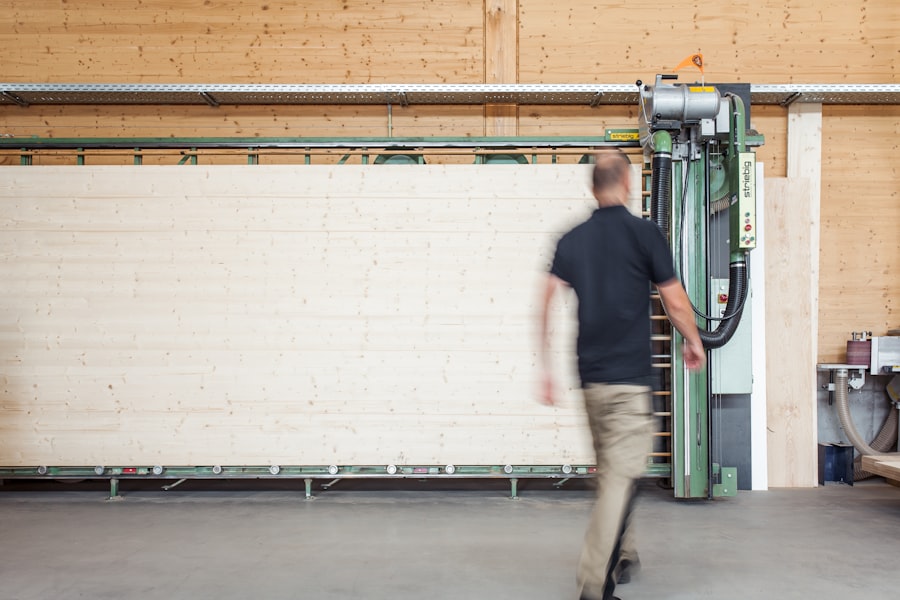
One of the standout features of commercial joinery is its ability to be customised to meet specific needs. Every business has its own unique requirements, and off-the-shelf solutions often fall short. Customised joinery allows companies to create furniture and fixtures that fit perfectly within their space while addressing their operational needs. For instance, a tech company might require collaborative workstations that encourage teamwork, while a law firm may need private offices with ample storage for documents.
The process of creating customised joinery typically begins with a thorough assessment of the workspace and an understanding of the company’s culture and workflow. Designers work closely with clients to develop solutions that not only look good but also enhance functionality. This could include built-in desks with integrated power sources, modular shelving units that can be reconfigured as needed, or even acoustic panels that help reduce noise levels in open-plan areas. The result is a workspace that feels tailored to its users, promoting both comfort and efficiency.

As technology continues to advance, so too does its integration into commercial joinery designs. Modern workspaces are increasingly reliant on technology, from video conferencing tools to smart office systems that control lighting and temperature. Commercial joinery can seamlessly incorporate these technologies into its designs, ensuring that they are both functional and aesthetically pleasing.
For example, desks can be designed with built-in cable management systems to keep wires organised and out of sight. Additionally, charging stations can be integrated into communal areas or individual workstations, allowing employees to power their devices without cluttering their spaces. Furthermore, smart furniture that adjusts height or position based on user preferences is becoming more common, promoting ergonomic practices in the workplace. By incorporating technology into joinery designs, businesses can create environments that support modern working habits while enhancing overall user experience.
In the evolving landscape of commercial joinery, the integration of digital technologies is transforming how businesses approach their fit-out solutions. A recent article highlights the importance of customised commercial fit-out solutions for enhancing workplace efficiency and aesthetics. By embracing innovative design and technology, companies can create spaces that not only reflect their brand identity but also cater to the needs of a modern workforce. For further insights, you can read more about these tailored approaches in the article on customised commercial fit-out solutions.
Sustainability is no longer just a buzzword; it’s a necessity in today’s world. As businesses become more aware of their environmental impact, many are seeking eco-friendly solutions in all aspects of their operations, including commercial joinery. Sustainable practices in this field involve using responsibly sourced materials, minimising waste during production, and opting for finishes that are low in volatile organic compounds (VOCs).
Many joinery companies are now prioritising sustainable materials such as reclaimed wood or bamboo, which not only reduce environmental impact but also add unique character to the workspace. Additionally, manufacturers are adopting techniques that reduce waste during the production process, such as computer-aided design (CAD) software that optimises material usage. By choosing sustainable joinery solutions, businesses can demonstrate their commitment to environmental responsibility while creating healthier work environments for their employees.
In many urban settings, office space is at a premium. This makes it essential for businesses to maximise every square foot of their workspace. Commercial joinery offers innovative solutions that help optimise space without compromising on style or functionality. Custom-built furniture can be designed to fit snugly into corners or awkward spaces, ensuring that no area goes underutilised.
Moreover, multi-functional furniture is becoming increasingly popular in commercial joinery designs. Desks that double as storage units or meeting tables that can be easily reconfigured for different purposes allow businesses to adapt their spaces as needed. This flexibility is particularly beneficial for companies with fluctuating team sizes or those that frequently host clients or collaborators. By maximising space through clever joinery solutions, businesses can create environments that are both efficient and inviting.
Employee wellbeing has become a focal point for many organisations as they recognise its impact on productivity and retention rates. The design of a workspace plays a significant role in employee satisfaction, and commercial joinery can contribute positively to this aspect. Thoughtfully designed spaces can promote comfort, reduce stress, and encourage collaboration among team members.
For instance, incorporating natural elements such as wood finishes or plants into joinery designs can create a calming atmosphere that enhances mental wellbeing. Additionally, providing areas for relaxation or informal meetings through custom-built lounges or breakout spaces allows employees to recharge during their workday. By prioritising employee wellbeing through effective commercial joinery solutions, businesses can foster a more engaged and motivated workforce.
As we look ahead, several trends are emerging in commercial joinery that reflect the evolving needs of the digital workforce. One significant trend is the increasing demand for flexible workspaces that can adapt to various working styles. This includes modular furniture that can be easily reconfigured for different tasks or team sizes.
Another trend is the integration of biophilic design principles into commercial joinery. This approach focuses on connecting people with nature through natural materials and light-filled spaces, which has been shown to improve mood and productivity. Additionally, advancements in technology will continue to influence joinery designs, with smart furniture becoming more prevalent as businesses seek to enhance user experience.
In conclusion, commercial joinery is an essential component of creating effective workspaces for the digital workforce. By focusing on customised solutions, sustainability, technology integration, and employee wellbeing, businesses can craft environments that not only meet operational needs but also foster a positive workplace culture.
As trends continue to evolve, staying ahead of these changes will be crucial for companies looking to thrive in an increasingly competitive landscape.
Commercial joinery refers to the construction and installation of bespoke woodwork and joinery for commercial spaces such as offices, retail stores, restaurants, and other businesses. This can include items such as custom-made furniture, cabinetry, shelving, and fittings.
Commercial joinery can provide the digital workforce with custom-designed and functional workspaces that are tailored to their specific needs. This can include ergonomic desks, storage solutions for technology equipment, and stylish yet practical meeting areas.
Commercial joinery can contribute to a productive work environment by creating a well-organized and visually appealing space. Custom joinery can maximize the use of space, reduce clutter, and provide a professional and inviting atmosphere for employees and clients.
Common examples of commercial joinery for the digital workforce include bespoke desks with integrated cable management, custom-built storage solutions for computers and peripherals, stylish meeting room tables, and ergonomic seating designed for long hours of computer work.
Businesses can benefit from investing in commercial joinery for the digital workforce by creating a more efficient and attractive workspace that can improve employee satisfaction, productivity, and overall brand image. Custom joinery can also be a long-term investment that adds value to the business premises.
Don’t Take Our Word For It
Aspec has recieved fantastic 5/5 Star Rating from its clients!
Professional from start to finish!
Wow! Omar was fantastic right from the very beginning! With 6 weeks to go until baby number 2s arrival, Omar delivered on his word to create a phenomenal outdoor kitchen for our alfresco area! It is exactly the vision we had in mind! We are so impressed with the workmanship and quality as well as the effort to get the work completed in such a tight timeframe. Very open and honest about pricing upfront also! Would highly recommend Omar and his team. The level of professionalism, honesty, workmanship and quality was spot on and always has time to discuss and go through any questions or concerns. Thank you A Spec Joinery for doing a fantastic job and in the short time we had to do it by! Particularly fitting us in a busy December!
Bianca M Vucetic
Professional from start to finish!
Great attentions to detail very informative throughout highly reccomend!
Mark, Double Bay
Professional from start to finish!
Omar installed a new kitchen for us. The process was easy and Omar kept in contact with us at all stages. The kitchen was installed in only a couple of days and looks fantastic. We’re very happy with the result.
Mat Pal
Professional from start to finish!
Omar was excellent to deal with. He and his team built and installed a large built-in wardrobe and cupboard, giving us good advice on the design. He was very professional in surveying the complex space for the units – it’s an older house with uneven floor and ceiling – and in preparing the design. His team constructed the units off-site within the time he indicated. Installation was complex and went very smoothly. The whole project was on time and on budget and the product delivered was of the highest quality. We would certainly use him again and recommend him to our friends.
Phillip Hart
Professional from start to finish!
Omar was fantastic to deal with and produced outstanding quality work for our new storage cupbaords and floating shelves. The final product was exactly what we wanted and made with care and attention. We highly recommend him for joinery and cabinetry works. Many thanks, Vince
Vincent Banton
Professional from start to finish!
Omar and his team are awesome. Professional, efficient and really went the extra mile creating beautiful joinery for my studio. Will definitely engage their services again and refer to anyone.
Carla Sconce
Professional from start to finish!
Dealt with Omar from A Spec on our office fit out, all work was done ahead of time and costs were maintained the whole way through. Would happily use A Spec again or recommend to anyone without hesitation.
Emanuel Karantonis
Professional from start to finish!
My experience with Omar and his team has been amazing and trouble-free.
Omar’s attention to detail and quick response time gave me comfort and confidence that the end product would be great.
Being in the construction industry, I couldn’t fault their workmanship and timing. Everything delivered on time and on budget.
Would definitely use Aspec Joinery again.
Ben Yee
Professional from start to finish!
Omar and the team at A Spec Joinery built our kitchen and bookshelves in 2021. The work is really high quality. It’s now 2024 and everything still looks great and functions just like the day they were built. I would highly recommend A Spec, particularly for the after build service. Nothing is too much trouble for Omar.
Alistair McLean
Professional from start to finish!
Omar and his team have worked wonders on all our joinery for our renovation, they constantly went above and beyond during all aspects of the build from planning to manufacturing and installation.
They have done an absolutely beautiful job and it is my pleasure to recommend A-Spec joinery to everyone.
Their professional attitude was exemplary and it was always lovely having Omar and the team in our house, they made an extremely stressful renovation into a positive experience.
A-Spec Joinery made our dreams come true and there are no words that can express how appreciative we are and so happy that we chose them.
If you want the best go with A-Spec Joinery.
Vincent & Anna
Vincent Jones
Professional from start to finish!
Paul Casey
Professional from start to finish!
Matt B
Professional from start to finish!
Our experience with A Spec Joinery was outstanding. We were happy with every phase of our project from initial concept to drawings to finished products. Omar and his team’s attention to detail was fantastic. Highly recommend!!!
Sharon Antonir
Professional from start to finish!
High quality work, on time on budget very professional would engage their services again 100%. 2yrs on asked Omar for additional work and once again very professional, on time and very helpful.
Maurice Natoli