Joinery is an essential aspect of woodworking that has evolved over centuries, yet many classic styles remain relevant and cherished in contemporary craftsmanship. The art of joinery involves the techniques used to connect pieces of wood, ensuring structural integrity while also enhancing aesthetic appeal. Classic joinery styles are not merely functional; they embody a rich history and a deep understanding of materials, tools, and techniques.
Each joint type has its unique characteristics, advantages, and applications, making them indispensable in both traditional and modern woodworking. The significance of classic joinery extends beyond mere construction; it reflects the craftsmanship and artistry of the woodworker. These techniques have been passed down through generations, often becoming a hallmark of quality in furniture making, cabinetry, and architectural details.
As we delve into the various classic joinery styles, we will explore their historical context, structural benefits, and the aesthetic qualities that make them timeless choices for artisans and builders alike.
The mortise and tenon joint is one of the oldest and most revered forms of joinery, with roots tracing back to ancient civilisations. This joint consists of a mortise, a cavity cut into one piece of wood, and a tenon, a protruding tongue on another piece that fits snugly into the mortise. The strength of this joint lies in its ability to create a solid connection between two pieces of wood, making it ideal for frames, tables, and doors.
The mortise and tenon joint is often celebrated for its durability; when executed correctly, it can withstand significant stress and strain. In addition to its structural advantages, the mortise and tenon joint offers a level of aesthetic appeal that is hard to match. When crafted with precision, the joint can be nearly invisible, allowing the beauty of the wood to take centre stage.
This characteristic makes it particularly popular in fine furniture making, where the goal is often to highlight the natural grain and colour of the wood. Furthermore, the mortise and tenon joint can be enhanced with decorative elements such as pegs or wedges, adding an extra layer of visual interest while maintaining its functional integrity.
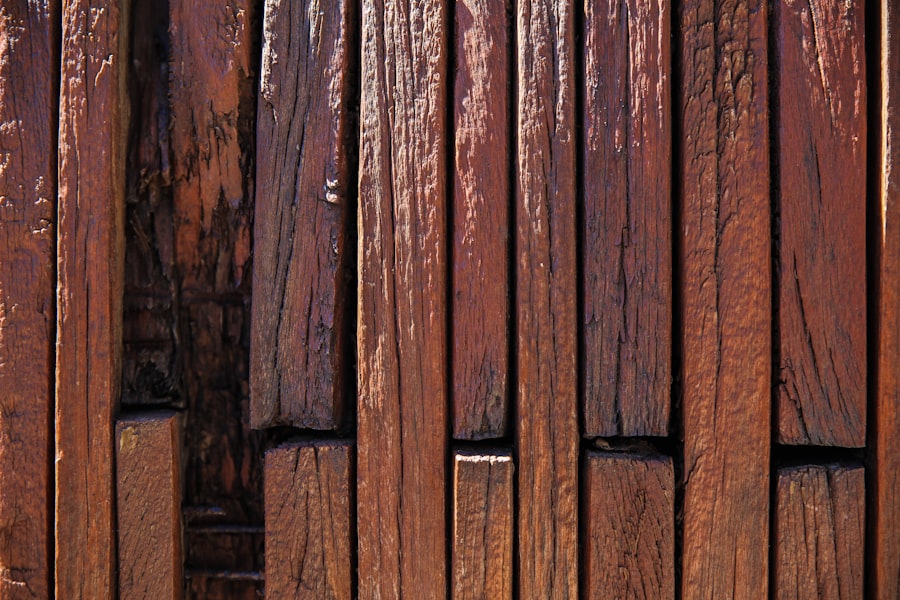
Dovetail joints are synonymous with high-quality craftsmanship and are often regarded as the hallmark of fine woodworking. Characterised by their interlocking design, dovetails consist of a series of pins and tails that fit together like puzzle pieces. This joint is particularly favoured in drawer construction and box making due to its resistance to pulling apart under tension.
The angled cuts create a mechanical lock that is both strong and visually striking, making it a popular choice for artisans who wish to showcase their skills. The elegance of dovetail joints extends beyond their functionality; they are often seen as a symbol of craftsmanship. The precision required to create dovetails speaks volumes about the woodworker’s expertise.
Many craftsmen take pride in their ability to produce hand-cut dovetails, which can vary in style from traditional to more contemporary interpretations. The aesthetic appeal of dovetail joints is further enhanced by the choice of wood; contrasting species can create stunning visual effects that highlight the craftsmanship involved. Whether used in a simple drawer or an elaborate piece of furniture, dovetail joints remain a testament to the artistry inherent in woodworking.
Finger joints, also known as box joints, are another classic joinery style that combines strength with visual appeal. This joint consists of interlocking “fingers” that are cut into the ends of two pieces of wood, allowing them to fit together seamlessly. Finger joints are particularly effective for creating strong connections in larger pieces or when working with shorter lengths of wood that need to be joined end-to-end.
The design not only provides excellent structural integrity but also offers an attractive pattern that can enhance the overall aesthetic of the piece. One of the key advantages of finger joints is their versatility; they can be used in various applications, from cabinetry to furniture making. The joint’s design allows for a larger gluing surface compared to other types of joints, which contributes to its strength.
Additionally, finger joints can be easily adapted for different styles and finishes, making them suitable for both traditional and modern designs. Craftsmen often experiment with different wood species or finishes to create unique visual effects that highlight the beauty of the joint itself. As such, finger joints exemplify how functionality and aesthetics can coexist harmoniously in woodworking.
Bridle joints are a versatile option in the realm of classic joinery styles, known for their simplicity and effectiveness in creating strong connections between two pieces of wood at right angles. This joint involves cutting a notch into one piece (the rail) that allows another piece (the stile) to fit through it, forming a robust connection ideal for frames and structures like tables or doors. The bridle joint’s straightforward design makes it accessible for both novice and experienced woodworkers alike.
The versatility of bridle joints extends beyond their structural capabilities; they can be adapted for various applications depending on the desired aesthetic outcome. For instance, bridle joints can be left exposed for a rustic look or concealed within a more refined design. Additionally, they can be combined with other joinery techniques to create intricate patterns or enhance strength further.
The ability to customise bridle joints makes them an appealing choice for those looking to balance functionality with artistic expression in their woodworking projects.
Butt joints may be one of the simplest forms of joinery, yet their enduring popularity speaks volumes about their practicality in woodworking.
While this may seem rudimentary compared to more complex joints, butt joints are often used in situations where speed and efficiency are paramount, such as in framing or basic construction.
Despite their simplicity, butt joints can be reinforced with various techniques to enhance their strength and durability. For example, using screws or dowels can significantly improve the joint’s holding power while maintaining ease of assembly. Additionally, butt joints can be finished with decorative elements such as edge banding or moulding to elevate their appearance in furniture or cabinetry.
This adaptability ensures that butt joints remain relevant in modern woodworking practices while still being appreciated for their straightforward approach.
Half-lap joints exemplify the intersection between functionality and artistry in woodworking. This joint involves removing half the thickness from two pieces of wood so that they can overlap each other when joined together. The result is a flat surface that provides excellent stability while maintaining a clean aesthetic.
Half-lap joints are commonly used in applications such as frames, shelving units, and even cabinetry where a flush finish is desired. The artistry involved in crafting half-lap joints lies in the precision required to achieve a perfect fit. A well-executed half-lap joint not only enhances structural integrity but also contributes to the overall beauty of the piece.
Furthermore, half-lap joints can be combined with other joinery techniques to create intricate designs that showcase the skill and creativity of the woodworker.
Classic joinery styles represent more than just methods for connecting pieces of wood; they embody centuries of craftsmanship and artistry that continue to inspire modern woodworkers today. Each type of joint offers unique advantages and aesthetic qualities that contribute to the overall beauty and functionality of wooden creations. From the strength of mortise and tenon joints to the elegance of dovetails and the versatility of bridle joints, these techniques have stood the test of time for good reason.
As we embrace these classic joinery styles in contemporary woodworking practices, we not only honour traditional craftsmanship but also ensure that these techniques remain alive for future generations to appreciate. Whether one is crafting a simple piece or an elaborate work of art, understanding and utilising these timeless joinery methods can elevate any woodworking project into something truly exceptional.
When exploring timeless joinery styles that enhance the aesthetic of any home, it’s also worth considering how these elements can be integrated into a modern kitchen. For those looking to elevate their culinary space, the article on kitchen renovation offers valuable insights into blending classic joinery with contemporary design, ensuring that your kitchen remains both functional and stylish for years to come.
Joinery refers to the method of connecting pieces of wood together to create structures or furniture. It involves various techniques and styles that ensure strength, durability, and aesthetic appeal.
Classic joinery styles include dovetail joints, mortise and tenon joints, finger joints, tongue and groove joints, and mitre joints. These methods have been used for centuries and remain popular due to their reliability and timeless appearance.
Classic joinery styles never go out of fashion because they combine functionality with elegance. Their proven strength and craftsmanship appeal to both traditional and contemporary tastes, making them enduring choices in woodworking.
Yes, classic joinery techniques are highly suitable for modern furniture. They provide robust construction and can be adapted to various design aesthetics, blending traditional craftsmanship with contemporary styles.
Some classic joinery styles do require specialised tools, such as chisels, saws, and planes, to achieve precise cuts and fits. However, many woodworkers find these tools essential for producing high-quality joints.
Absolutely. While some joinery techniques may require practice and skill, many DIY enthusiasts successfully use classic joinery styles to create durable and attractive wooden items.
Joinery significantly affects the durability of wooden furniture by ensuring strong connections between components. Well-executed joints prevent wobbling, splitting, and loosening over time, extending the lifespan of the piece.
While many classic joinery joints are designed to fit tightly and hold together mechanically, using wood glue often enhances strength and stability, especially in furniture subjected to regular use.
You can learn more about classic joinery styles through woodworking books, online tutorials, woodworking courses, and by consulting experienced woodworkers or craftsmen specialising in traditional techniques.
Don’t Take Our Word For It
Aspec has recieved fantastic 5/5 Star Rating from its clients!
Professional from start to finish!
Wow! Omar was fantastic right from the very beginning! With 6 weeks to go until baby number 2s arrival, Omar delivered on his word to create a phenomenal outdoor kitchen for our alfresco area! It is exactly the vision we had in mind! We are so impressed with the workmanship and quality as well as the effort to get the work completed in such a tight timeframe. Very open and honest about pricing upfront also! Would highly recommend Omar and his team. The level of professionalism, honesty, workmanship and quality was spot on and always has time to discuss and go through any questions or concerns. Thank you A Spec Joinery for doing a fantastic job and in the short time we had to do it by! Particularly fitting us in a busy December!
Bianca M Vucetic
Professional from start to finish!
Great attentions to detail very informative throughout highly reccomend!
Mark, Double Bay
Professional from start to finish!
Omar installed a new kitchen for us. The process was easy and Omar kept in contact with us at all stages. The kitchen was installed in only a couple of days and looks fantastic. We’re very happy with the result.
Mat Pal
Professional from start to finish!
Omar was excellent to deal with. He and his team built and installed a large built-in wardrobe and cupboard, giving us good advice on the design. He was very professional in surveying the complex space for the units – it’s an older house with uneven floor and ceiling – and in preparing the design. His team constructed the units off-site within the time he indicated. Installation was complex and went very smoothly. The whole project was on time and on budget and the product delivered was of the highest quality. We would certainly use him again and recommend him to our friends.
Phillip Hart
Professional from start to finish!
Omar was fantastic to deal with and produced outstanding quality work for our new storage cupbaords and floating shelves. The final product was exactly what we wanted and made with care and attention. We highly recommend him for joinery and cabinetry works. Many thanks, Vince
Vincent Banton
Professional from start to finish!
Omar and his team are awesome. Professional, efficient and really went the extra mile creating beautiful joinery for my studio. Will definitely engage their services again and refer to anyone.
Carla Sconce
Professional from start to finish!
Dealt with Omar from A Spec on our office fit out, all work was done ahead of time and costs were maintained the whole way through. Would happily use A Spec again or recommend to anyone without hesitation.
Emanuel Karantonis
Professional from start to finish!
My experience with Omar and his team has been amazing and trouble-free.
Omar’s attention to detail and quick response time gave me comfort and confidence that the end product would be great.
Being in the construction industry, I couldn’t fault their workmanship and timing. Everything delivered on time and on budget.
Would definitely use Aspec Joinery again.
Ben Yee
Professional from start to finish!
Omar and the team at A Spec Joinery built our kitchen and bookshelves in 2021. The work is really high quality. It’s now 2024 and everything still looks great and functions just like the day they were built. I would highly recommend A Spec, particularly for the after build service. Nothing is too much trouble for Omar.
Alistair McLean
Professional from start to finish!
Omar and his team have worked wonders on all our joinery for our renovation, they constantly went above and beyond during all aspects of the build from planning to manufacturing and installation.
They have done an absolutely beautiful job and it is my pleasure to recommend A-Spec joinery to everyone.
Their professional attitude was exemplary and it was always lovely having Omar and the team in our house, they made an extremely stressful renovation into a positive experience.
A-Spec Joinery made our dreams come true and there are no words that can express how appreciative we are and so happy that we chose them.
If you want the best go with A-Spec Joinery.
Vincent & Anna
Vincent Jones
Professional from start to finish!
Paul Casey
Professional from start to finish!
Matt B
Professional from start to finish!
Our experience with A Spec Joinery was outstanding. We were happy with every phase of our project from initial concept to drawings to finished products. Omar and his team’s attention to detail was fantastic. Highly recommend!!!
Sharon Antonir
Professional from start to finish!
High quality work, on time on budget very professional would engage their services again 100%. 2yrs on asked Omar for additional work and once again very professional, on time and very helpful.
Maurice Natoli