Kitchen joinery is more than just a functional aspect of home design; it’s an art form that marries aesthetics with utility. When done right, joinery can transform a kitchen into a space that is not only beautiful but also highly functional. The careful selection of cabinetry, shelving, and work surfaces can create a seamless flow that enhances the overall cooking and dining experience. Whether you’re preparing a family meal or entertaining guests, well-designed joinery can make all the difference.
The beauty of kitchen joinery lies in its ability to reflect personal style while catering to practical needs. From sleek modern lines to rustic charm, the choices are vast. A well-thought-out joinery plan can optimise space, making even the smallest kitchens feel open and inviting. It’s about finding that perfect balance between what looks good and what works well in everyday life.
If you’re looking to enhance your kitchen’s aesthetic while maintaining functionality, you might find inspiration in the article on transforming small kitchens with stylish renovations in Sydney. This piece delves into innovative design ideas that maximise space without compromising on style, making it a perfect complement to our discussion on kitchen joinery. For more insights, check out the article here: Transform Your Small Kitchen with Stylish Renovations in Sydney.
Selecting the right materials for kitchen joinery is crucial for durability and longevity. Solid wood, for instance, offers a timeless appeal and can withstand the rigours of daily use. However, it requires regular maintenance to keep it looking its best. On the other hand, materials like plywood or MDF (medium-density fibreboard) can provide a cost-effective alternative without sacrificing quality. These materials are often treated to resist moisture and wear, making them suitable for kitchen environments.
Another option gaining popularity is engineered stone for countertops and surfaces. This material combines natural stone with resin, resulting in a durable and low-maintenance surface that can handle heat and spills. When choosing materials, consider not only aesthetics but also how they will perform over time. Think about your cooking habits and lifestyle; this will guide you in selecting materials that will stand the test of time while still looking great.
When it comes to kitchen joinery, one of the first decisions you’ll face is whether to go for custom or pre-made options.
Custom joinery allows for a tailored approach, ensuring that every inch of your kitchen is utilised effectively.
This is particularly beneficial in uniquely shaped spaces or when you have specific design ideas in mind. Custom solutions can incorporate unique features like pull-out shelves or integrated lighting, making your kitchen truly one-of-a-kind.
On the flip side, pre-made joinery can be a more budget-friendly option and often comes with quicker installation times. Many manufacturers offer a range of styles and finishes that can fit various kitchen designs. However, you may find that pre-made options don’t always maximise space as effectively as custom solutions. Ultimately, the choice between custom and pre-made joinery will depend on your budget, timeline, and specific needs for your kitchen.
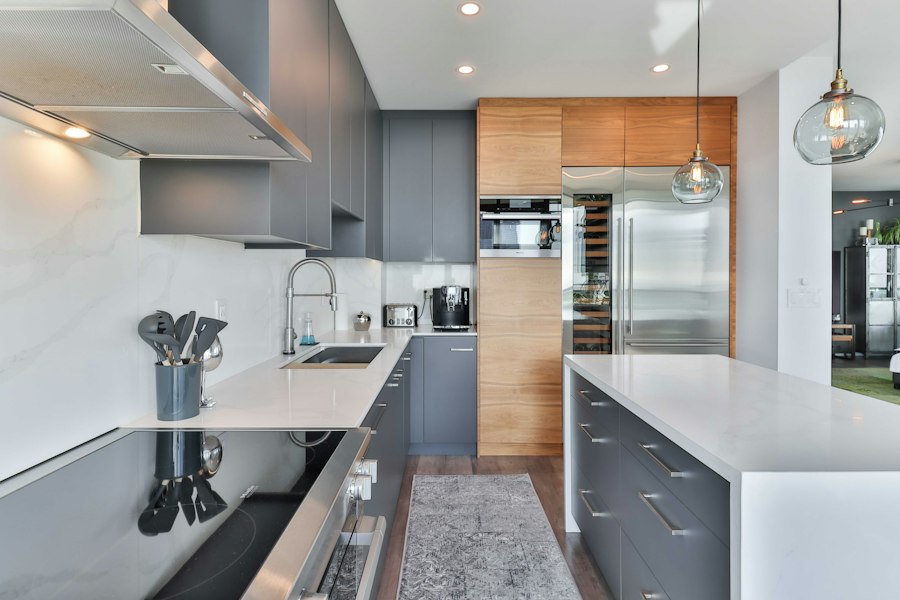
In small kitchens, every bit of storage counts. Innovative joinery solutions can help you make the most of limited space without sacrificing style. Consider incorporating vertical storage options such as tall cabinets that reach the ceiling or open shelving that draws the eye upwards. These designs not only provide additional storage but also create an illusion of height, making the kitchen feel more spacious.
Another clever solution is to utilise corner spaces with lazy Susans or pull-out racks. These features allow you to access items that would otherwise be difficult to reach, ensuring that no space goes to waste. Additionally, think about integrating multi-functional furniture, such as an island that doubles as a dining table or a bench with hidden storage underneath. These practical solutions can significantly enhance the functionality of a small kitchen while keeping it stylish.
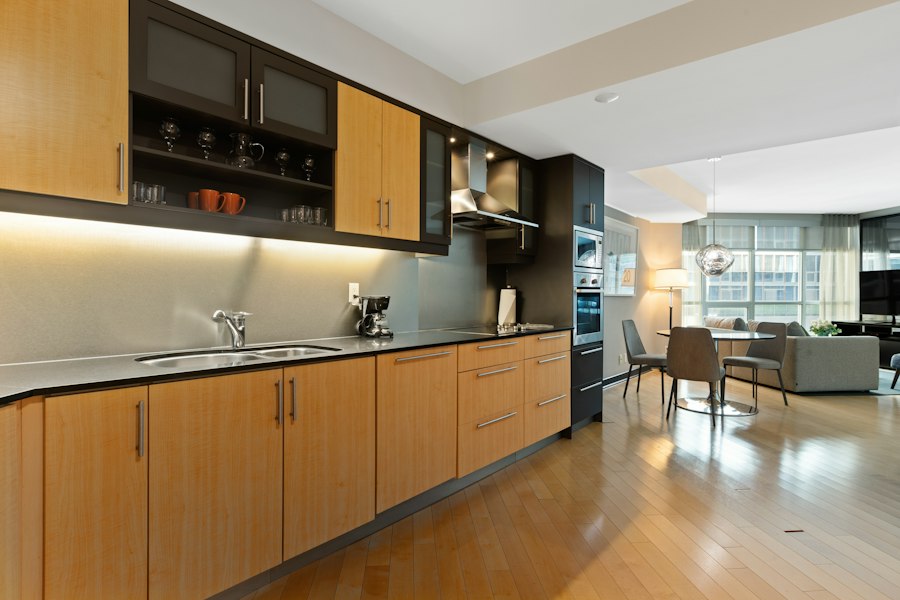
Blending traditional and modern designs in kitchen joinery can create a unique aesthetic that reflects your personal taste. Traditional elements like shaker-style cabinets or ornate mouldings can add warmth and character to your kitchen. These features evoke a sense of nostalgia and craftsmanship that many homeowners appreciate.
Conversely, modern designs often focus on clean lines and minimalism. Incorporating sleek cabinetry with integrated handles or open shelving can create a contemporary feel. The key to successfully merging these styles lies in finding common ground—perhaps using a traditional wood finish on modern cabinetry or adding modern hardware to classic designs. This fusion not only enhances visual interest but also allows you to create a space that feels both timeless and current.
For those looking to enhance their kitchen with both style and practicality, our article on Stylish and Functional: The Best of Kitchen Joinery offers valuable insights. Additionally, if you’re interested in showcasing your favourite dinnerware or collectibles, you might find our piece on display cabinets particularly useful. These cabinets not only provide a stunning visual element but also serve a functional purpose in keeping your items organised. To explore more about this, check out the article on display cabinets.
Handles and hinges may seem like minor details in the grand scheme of kitchen design, but they play a significant role in enhancing the overall aesthetics of joinery. The right handles can serve as statement pieces that tie together your kitchen’s design theme. For instance, sleek stainless steel handles can complement modern cabinetry, while antique brass knobs might suit a more traditional look.
Hinges also contribute to both functionality and style. Soft-close hinges are not only practical but can also be hidden from view for a cleaner look. Choosing decorative hinges can add an unexpected touch of flair to your cabinets, making them stand out even more. When selecting these elements, consider how they align with your overall design vision; they should enhance rather than detract from the beauty of your kitchen joinery.
Maintaining your kitchen joinery is essential for preserving its beauty and functionality over time. Regular cleaning is key; use gentle cleaners that won’t damage the finish of your cabinetry or surfaces. For wooden joinery, consider applying a protective wax or oil periodically to keep the wood nourished and prevent drying out or cracking.
Additionally, be mindful of humidity levels in your kitchen, as excessive moisture can warp wood or damage finishes. Using exhaust fans while cooking can help mitigate this issue. If you notice any scratches or dents over time, don’t panic—many minor imperfections can be repaired with touch-up kits or by sanding down the affected area and reapplying finish. With a little care, your kitchen joinery can remain looking fresh for years to come.
Budgeting for kitchen joinery requires careful planning to ensure you get the best value without compromising on quality or style. Start by determining your overall budget and prioritising what aspects are most important to you—whether it’s custom cabinetry, high-quality materials, or innovative storage solutions.
Researching different suppliers and comparing prices can help you find options that fit within your budget while still meeting your design goals. Don’t hesitate to ask about discounts or promotions; many suppliers offer seasonal sales that could save you money. Additionally, consider investing in key pieces that will stand the test of time while opting for more affordable options in areas where you can compromise without sacrificing quality.
In conclusion, kitchen joinery is an essential aspect of creating a functional and stylish space in your home. By carefully considering materials, design choices, and maintenance strategies, you can achieve a beautiful kitchen that meets your needs for years to come. Whether you opt for custom solutions or pre-made options, the right joinery will enhance both the aesthetics and practicality of your kitchen environment.
Kitchen joinery refers to the custom-built cabinetry and furniture designed specifically for kitchens. This includes cabinets, shelves, and other storage solutions that are crafted to fit the unique dimensions and style of a kitchen, combining both functionality and aesthetic appeal.
Common materials for kitchen joinery include solid wood, plywood, MDF (medium-density fibreboard), and laminate. Each material offers different benefits in terms of durability, cost, and appearance, allowing homeowners to choose based on their specific needs and preferences.
Kitchen joinery enhances functionality by providing tailored storage solutions that maximise space and organisation. Features such as pull-out drawers, built-in dividers, and corner cabinets can help keep kitchen items easily accessible while maintaining a tidy appearance.
Popular styles of kitchen joinery include contemporary, traditional, and minimalist designs. Each style can be customised with various finishes, colours, and hardware to complement the overall aesthetic of the kitchen, allowing for a cohesive look.
Maintaining kitchen joinery involves regular cleaning with appropriate products, avoiding harsh chemicals that can damage finishes, and checking for any signs of wear or damage. Periodic oiling or sealing of wooden surfaces can also help preserve their appearance and longevity.
Don’t Take Our Word For It
Aspec has recieved fantastic 5/5 Star Rating from its clients!
Professional from start to finish!
Wow! Omar was fantastic right from the very beginning! With 6 weeks to go until baby number 2s arrival, Omar delivered on his word to create a phenomenal outdoor kitchen for our alfresco area! It is exactly the vision we had in mind! We are so impressed with the workmanship and quality as well as the effort to get the work completed in such a tight timeframe. Very open and honest about pricing upfront also! Would highly recommend Omar and his team. The level of professionalism, honesty, workmanship and quality was spot on and always has time to discuss and go through any questions or concerns. Thank you A Spec Joinery for doing a fantastic job and in the short time we had to do it by! Particularly fitting us in a busy December!
Bianca M Vucetic
Professional from start to finish!
Great attentions to detail very informative throughout highly reccomend!
Mark, Double Bay
Professional from start to finish!
Omar installed a new kitchen for us. The process was easy and Omar kept in contact with us at all stages. The kitchen was installed in only a couple of days and looks fantastic. We’re very happy with the result.
Mat Pal
Professional from start to finish!
Omar was excellent to deal with. He and his team built and installed a large built-in wardrobe and cupboard, giving us good advice on the design. He was very professional in surveying the complex space for the units – it’s an older house with uneven floor and ceiling – and in preparing the design. His team constructed the units off-site within the time he indicated. Installation was complex and went very smoothly. The whole project was on time and on budget and the product delivered was of the highest quality. We would certainly use him again and recommend him to our friends.
Phillip Hart
Professional from start to finish!
Omar was fantastic to deal with and produced outstanding quality work for our new storage cupbaords and floating shelves. The final product was exactly what we wanted and made with care and attention. We highly recommend him for joinery and cabinetry works. Many thanks, Vince
Vincent Banton
Professional from start to finish!
Omar and his team are awesome. Professional, efficient and really went the extra mile creating beautiful joinery for my studio. Will definitely engage their services again and refer to anyone.
Carla Sconce
Professional from start to finish!
Dealt with Omar from A Spec on our office fit out, all work was done ahead of time and costs were maintained the whole way through. Would happily use A Spec again or recommend to anyone without hesitation.
Emanuel Karantonis
Professional from start to finish!
My experience with Omar and his team has been amazing and trouble-free.
Omar’s attention to detail and quick response time gave me comfort and confidence that the end product would be great.
Being in the construction industry, I couldn’t fault their workmanship and timing. Everything delivered on time and on budget.
Would definitely use Aspec Joinery again.
Ben Yee
Professional from start to finish!
Omar and the team at A Spec Joinery built our kitchen and bookshelves in 2021. The work is really high quality. It’s now 2024 and everything still looks great and functions just like the day they were built. I would highly recommend A Spec, particularly for the after build service. Nothing is too much trouble for Omar.
Alistair McLean
Professional from start to finish!
Omar and his team have worked wonders on all our joinery for our renovation, they constantly went above and beyond during all aspects of the build from planning to manufacturing and installation.
They have done an absolutely beautiful job and it is my pleasure to recommend A-Spec joinery to everyone.
Their professional attitude was exemplary and it was always lovely having Omar and the team in our house, they made an extremely stressful renovation into a positive experience.
A-Spec Joinery made our dreams come true and there are no words that can express how appreciative we are and so happy that we chose them.
If you want the best go with A-Spec Joinery.
Vincent & Anna
Vincent Jones
Professional from start to finish!
Paul Casey
Professional from start to finish!
Matt B
Professional from start to finish!
Our experience with A Spec Joinery was outstanding. We were happy with every phase of our project from initial concept to drawings to finished products. Omar and his team’s attention to detail was fantastic. Highly recommend!!!
Sharon Antonir
Professional from start to finish!
High quality work, on time on budget very professional would engage their services again 100%. 2yrs on asked Omar for additional work and once again very professional, on time and very helpful.
Maurice Natoli