Creating a productive commercial space is about more than just aesthetics; it’s about fostering an environment that enhances efficiency and encourages creativity. At its core, a productive workspace should support the activities that take place within it, whether that’s brainstorming sessions, client meetings, or focused individual work. Understanding the needs of the workforce is essential. This means considering the nature of the work being done, the size of the team, and the overall company culture.
A productive commercial space should also reflect the brand identity of the organisation. This can be achieved through colour schemes, artwork, and even the layout of the space. When employees feel a connection to their environment, they are more likely to be engaged and motivated. Therefore, it’s crucial to strike a balance between functionality and aesthetics to create a space that not only looks good but also works well for its intended purpose.
Creating productive commercial environments is essential for fostering collaboration and enhancing employee well-being. An insightful article that delves into the importance of design in functional spaces is available at Entertainment Unit Designs That Blend Function and Style. This piece explores how thoughtful design choices can not only improve aesthetics but also contribute to a more efficient and enjoyable workspace, aligning perfectly with the principles of creating productive environments.
The layout of a commercial space plays a significant role in determining how efficiently work gets done. An effective layout should facilitate smooth movement and communication among team members while minimising distractions. Open-plan offices have gained popularity for their ability to foster collaboration, but they can also lead to noise and interruptions if not designed thoughtfully.
To optimise workflow, consider zoning areas based on function. For instance, create quiet zones for focused work, collaborative spaces for team projects, and social areas for breaks. This zoning helps employees know where to go depending on their task at hand, reducing confusion and enhancing productivity. Additionally, ensuring that pathways are clear and that resources are easily accessible can significantly improve workflow efficiency.
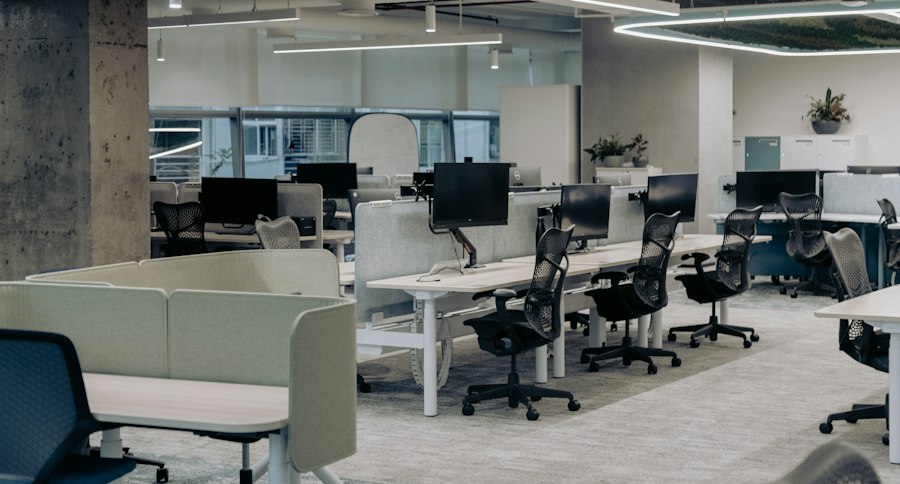
Ergonomics is a critical aspect of designing a productive commercial space. Poorly designed workstations can lead to discomfort and health issues, which ultimately affect productivity. Incorporating ergonomic principles means considering how employees interact with their environment and ensuring that their physical needs are met.
Adjustable desks, supportive chairs, and proper monitor placement are just a few elements that can make a significant difference. Employees should be able to customise their workstations to suit their individual preferences and needs. Furthermore, providing spaces for movement—like standing desks or areas for stretching—can help combat the negative effects of prolonged sitting and contribute to overall well-being.
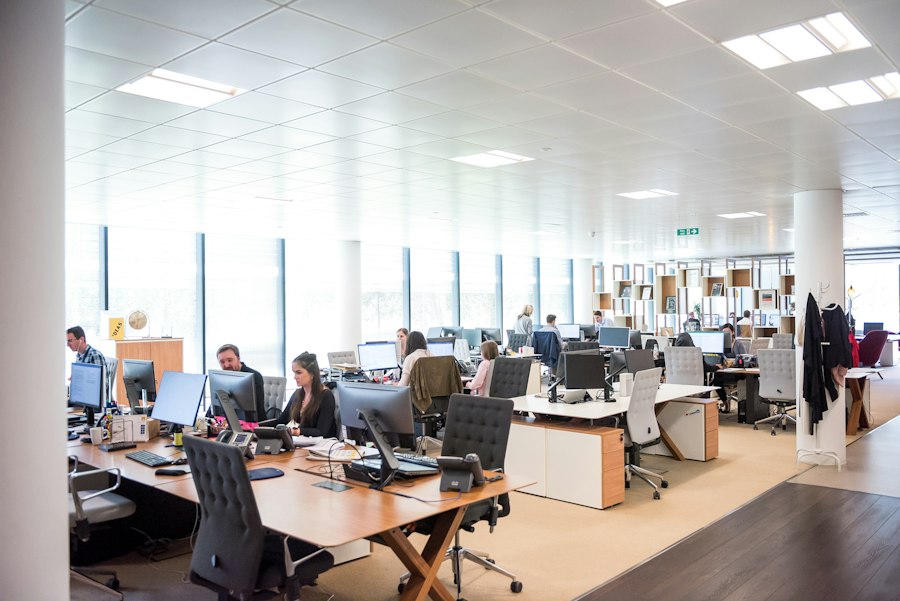
Natural light has a profound impact on mood and productivity. Studies have shown that exposure to natural light can enhance focus, reduce eye strain, and even improve overall job satisfaction. When designing a commercial space, it’s essential to maximise natural light by incorporating large windows or skylights wherever possible.
In addition to light, proper ventilation is equally important. A well-ventilated space helps maintain air quality and comfort levels, which can directly influence productivity. Consider incorporating operable windows or advanced HVAC systems that allow for fresh air circulation. The combination of natural light and good ventilation creates an inviting atmosphere that encourages employees to thrive.
Creating productive commercial environments is essential for fostering collaboration and enhancing employee well-being. A well-designed workspace can significantly impact productivity levels and overall job satisfaction. For insights into how effective kitchen designs can contribute to a more inviting and functional atmosphere in commercial settings, you may find it beneficial to explore this here.
In today’s digital age, technology plays a pivotal role in enhancing productivity within commercial spaces. From collaborative tools like video conferencing systems to project management software, integrating the right technology can streamline processes and improve communication among team members.
Moreover, consider investing in smart office solutions that allow for automation of routine tasks. For instance, smart lighting systems can adjust based on occupancy or time of day, while temperature controls can be managed remotely for optimal comfort. By leveraging technology effectively, businesses can create an environment that not only supports current workflows but also adapts to future needs.
A positive workplace culture is essential for productivity and employee satisfaction. Fostering collaboration among team members can lead to innovative ideas and solutions. To create this atmosphere, consider incorporating communal spaces where employees can gather informally—like lounges or coffee stations—encouraging spontaneous interactions.
Additionally, promoting inclusivity through design can enhance collaboration. This might involve creating spaces that accommodate diverse working styles or providing resources for team-building activities. When employees feel valued and connected to one another, they are more likely to contribute positively to the workplace environment.
Finally, maintaining cleanliness and organisational standards is crucial for sustaining a productive commercial space. A cluttered or dirty environment can lead to distractions and decreased morale among employees. Establishing regular cleaning schedules and encouraging personal responsibility for workspace tidiness can help keep the environment pleasant.
Organisational tools such as storage solutions or digital filing systems can also aid in maintaining order. When everything has its place, employees can focus on their tasks without being sidetracked by disorganisation. A clean and orderly workspace not only looks professional but also promotes a sense of pride among employees in their work environment.
In conclusion, creating a productive commercial space involves a multifaceted approach that considers layout, ergonomics, natural elements, technology integration, collaboration, and cleanliness. By focusing on these key areas, businesses can cultivate an environment that not only enhances productivity but also supports employee well-being and satisfaction.
A productive commercial environment typically includes well-designed workspaces, effective communication systems, appropriate technology, and a positive organisational culture. Factors such as lighting, ergonomics, and noise control also play a significant role in enhancing employee productivity and well-being.
The layout of an office can greatly influence productivity by facilitating collaboration, reducing distractions, and promoting efficient workflows. Open-plan spaces can encourage teamwork, while designated quiet areas can help employees focus on individual tasks. A well-thought-out layout can also improve employee morale and satisfaction.
Technology is crucial in creating productive commercial environments as it streamlines processes, enhances communication, and provides tools for collaboration. Implementing the right software and hardware can automate repetitive tasks, facilitate remote work, and enable real-time data sharing, all of which contribute to increased efficiency.
Employee well-being is vital in a commercial environment as it directly impacts productivity, engagement, and retention. A focus on mental and physical health, through initiatives such as wellness programmes, flexible working arrangements, and a supportive workplace culture, can lead to higher job satisfaction and lower absenteeism.
To foster a positive workplace culture, organisations can implement strategies such as encouraging open communication, recognising and rewarding employee achievements, promoting diversity and inclusion, and providing opportunities for professional development. Creating a supportive environment where employees feel valued and heard can significantly enhance overall productivity.
Don’t Take Our Word For It
Aspec has recieved fantastic 5/5 Star Rating from its clients!
Professional from start to finish!
Wow! Omar was fantastic right from the very beginning! With 6 weeks to go until baby number 2s arrival, Omar delivered on his word to create a phenomenal outdoor kitchen for our alfresco area! It is exactly the vision we had in mind! We are so impressed with the workmanship and quality as well as the effort to get the work completed in such a tight timeframe. Very open and honest about pricing upfront also! Would highly recommend Omar and his team. The level of professionalism, honesty, workmanship and quality was spot on and always has time to discuss and go through any questions or concerns. Thank you A Spec Joinery for doing a fantastic job and in the short time we had to do it by! Particularly fitting us in a busy December!
Bianca M Vucetic
Professional from start to finish!
Great attentions to detail very informative throughout highly reccomend!
Mark, Double Bay
Professional from start to finish!
Omar installed a new kitchen for us. The process was easy and Omar kept in contact with us at all stages. The kitchen was installed in only a couple of days and looks fantastic. We’re very happy with the result.
Mat Pal
Professional from start to finish!
Omar was excellent to deal with. He and his team built and installed a large built-in wardrobe and cupboard, giving us good advice on the design. He was very professional in surveying the complex space for the units – it’s an older house with uneven floor and ceiling – and in preparing the design. His team constructed the units off-site within the time he indicated. Installation was complex and went very smoothly. The whole project was on time and on budget and the product delivered was of the highest quality. We would certainly use him again and recommend him to our friends.
Phillip Hart
Professional from start to finish!
Omar was fantastic to deal with and produced outstanding quality work for our new storage cupbaords and floating shelves. The final product was exactly what we wanted and made with care and attention. We highly recommend him for joinery and cabinetry works. Many thanks, Vince
Vincent Banton
Professional from start to finish!
Omar and his team are awesome. Professional, efficient and really went the extra mile creating beautiful joinery for my studio. Will definitely engage their services again and refer to anyone.
Carla Sconce
Professional from start to finish!
Dealt with Omar from A Spec on our office fit out, all work was done ahead of time and costs were maintained the whole way through. Would happily use A Spec again or recommend to anyone without hesitation.
Emanuel Karantonis
Professional from start to finish!
My experience with Omar and his team has been amazing and trouble-free.
Omar’s attention to detail and quick response time gave me comfort and confidence that the end product would be great.
Being in the construction industry, I couldn’t fault their workmanship and timing. Everything delivered on time and on budget.
Would definitely use Aspec Joinery again.
Ben Yee
Professional from start to finish!
Omar and the team at A Spec Joinery built our kitchen and bookshelves in 2021. The work is really high quality. It’s now 2024 and everything still looks great and functions just like the day they were built. I would highly recommend A Spec, particularly for the after build service. Nothing is too much trouble for Omar.
Alistair McLean
Professional from start to finish!
Omar and his team have worked wonders on all our joinery for our renovation, they constantly went above and beyond during all aspects of the build from planning to manufacturing and installation.
They have done an absolutely beautiful job and it is my pleasure to recommend A-Spec joinery to everyone.
Their professional attitude was exemplary and it was always lovely having Omar and the team in our house, they made an extremely stressful renovation into a positive experience.
A-Spec Joinery made our dreams come true and there are no words that can express how appreciative we are and so happy that we chose them.
If you want the best go with A-Spec Joinery.
Vincent & Anna
Vincent Jones
Professional from start to finish!
Paul Casey
Professional from start to finish!
Matt B
Professional from start to finish!
Our experience with A Spec Joinery was outstanding. We were happy with every phase of our project from initial concept to drawings to finished products. Omar and his team’s attention to detail was fantastic. Highly recommend!!!
Sharon Antonir
Professional from start to finish!
High quality work, on time on budget very professional would engage their services again 100%. 2yrs on asked Omar for additional work and once again very professional, on time and very helpful.
Maurice Natoli