Minimalism in kitchen design is all about stripping away the unnecessary and focusing on what truly matters. A sleek and functional layout not only looks appealing but also enhances the cooking experience. By opting for clean lines and uncluttered surfaces, you create a space that feels open and inviting. This approach often involves choosing cabinetry that hides appliances and utensils, allowing for a streamlined aesthetic. The idea is to create a kitchen that feels spacious, even in smaller homes, by using smart design choices that maximise every inch.
In a minimalist kitchen, functionality is key. This means selecting appliances that are not only stylish but also efficient. For instance, built-in ovens and induction hobs can save space while providing a modern touch. The layout should facilitate easy movement, with a logical flow between cooking, cleaning, and storage areas. By prioritising functionality alongside aesthetics, you can create a kitchen that is not just beautiful but also a joy to work in.
For those seeking inspiration in innovative kitchen designs for the modern home, a related article that showcases a variety of stunning kitchen concepts can be found at Aspec Joinery’s gallery. This resource highlights contemporary styles and practical layouts, making it an excellent reference for anyone looking to enhance their culinary space with cutting-edge design elements.
The integration of smart technology in the kitchen has revolutionised how we cook and manage our culinary spaces. From smart ovens that can be controlled via smartphone apps to refrigerators that help you keep track of your grocery inventory, these innovations make cooking more efficient and enjoyable. Imagine being able to preheat your oven while you’re still at the supermarket or receiving alerts when your food is ready. This level of convenience allows for a more relaxed cooking experience, freeing up time for other activities.
Moreover, smart technology can enhance safety in the kitchen. Features like automatic shut-off for appliances and sensors that detect smoke or gas leaks provide peace of mind while you cook. Additionally, voice-activated assistants can help you find recipes or set timers without needing to touch your devices with messy hands. By embracing these technologies, you can create a kitchen that not only meets your culinary needs but also adapts to your lifestyle.
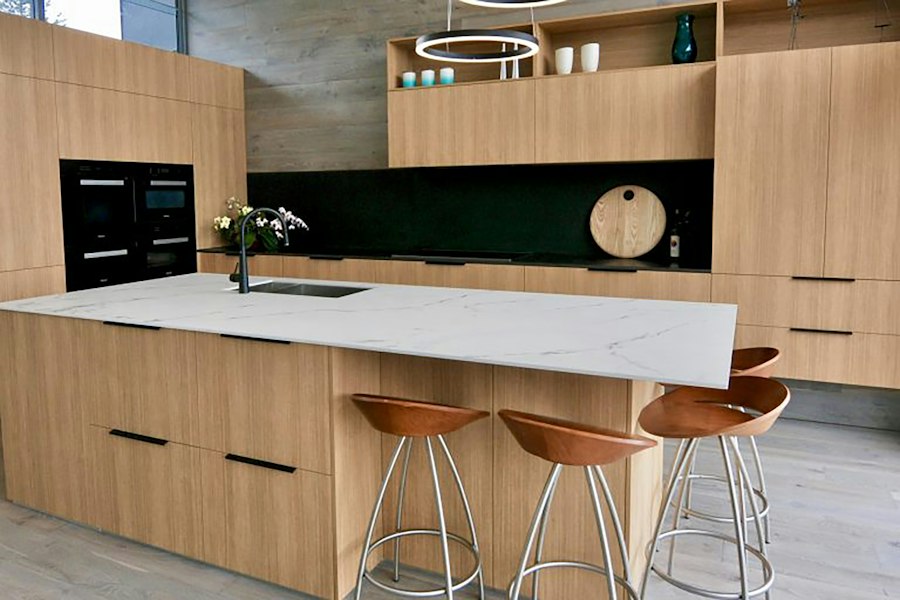
As awareness of environmental issues grows, many homeowners are turning to sustainable materials for their kitchens. This shift not only benefits the planet but can also lead to healthier living spaces. For instance, bamboo cabinetry and recycled glass countertops are becoming increasingly popular due to their eco-friendly properties. These materials are not only durable but also add a unique aesthetic to your kitchen, making it both stylish and sustainable.
Choosing sustainable materials often extends beyond just the surfaces. Energy-efficient appliances and low-VOC paints contribute to a healthier indoor environment while reducing your carbon footprint. Additionally, incorporating natural light through strategically placed windows or skylights can reduce the need for artificial lighting during the day. By making conscious choices about the materials and products you use in your kitchen, you can create a space that reflects your values while still being functional and beautiful.
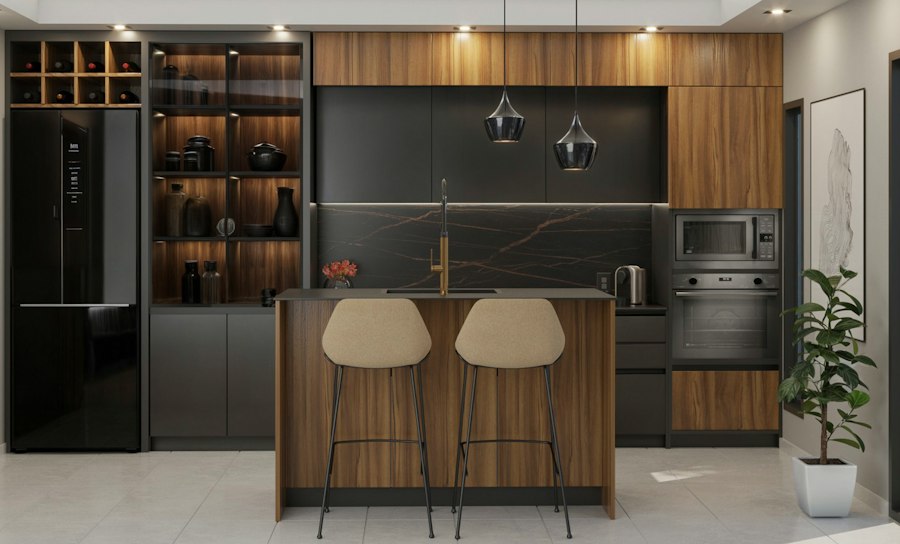
Open-plan living has become a hallmark of modern home design, with kitchens seamlessly blending into dining and living areas. This layout encourages social interaction and creates a sense of spaciousness that traditional closed-off kitchens often lack. By removing walls, you allow natural light to flow freely throughout the space, making it feel larger and more inviting.
The open-plan concept also promotes versatility in how you use your kitchen. It becomes a gathering place for family and friends, where cooking and entertaining can happen simultaneously. To maintain a cohesive look, consider using similar materials and colour schemes throughout the space. This approach helps to unify the different areas while still allowing each zone to serve its specific purpose. Ultimately, an open-plan kitchen fosters a warm atmosphere that encourages connection and togetherness.
For those interested in enhancing their culinary spaces, exploring innovative kitchen designs for the modern home can be incredibly inspiring. A related article discusses how commercial fit-outs can transform business spaces, offering insights that could easily be adapted for residential use. You can read more about this fascinating topic in the article on transforming business spaces for success, which highlights the importance of functionality and aesthetics in any kitchen design.
In recent years, there has been a noticeable shift towards bold colour palettes in kitchen design. Gone are the days of solely relying on neutral tones; now, homeowners are embracing vibrant hues that reflect their personalities. Whether it’s a deep navy blue cabinetry or a striking emerald green backsplash, these bold choices can transform an ordinary kitchen into a stunning focal point.
In addition to colour, statement features such as oversized light fixtures or unique hardware can add character to your kitchen. A striking pendant light above an island or an eye-catching range hood can serve as conversation starters while enhancing the overall design. When incorporating bold elements, it’s essential to strike a balance; too many competing features can overwhelm the space. Instead, choose one or two standout pieces that complement your colour scheme and overall aesthetic.
The kitchen island has evolved from a simple workspace into a multifunctional hub that serves various purposes. In modern kitchens, islands often incorporate seating areas, additional storage, and even cooking appliances. This versatility makes them an essential feature for both functionality and social interaction. Families can gather around the island for casual meals or homework sessions while the cook prepares dinner.
When designing your island, consider how it will fit into your overall kitchen layout. A larger island can provide ample workspace for meal prep while also serving as a buffet during gatherings. Incorporating features like built-in wine coolers or microwave drawers can further enhance its functionality. Ultimately, a well-designed island becomes the heart of the kitchen, where daily life unfolds and memories are made.
In any kitchen, effective storage solutions are crucial for maintaining order and efficiency. With clever organisational strategies, you can maximise every inch of space while keeping your kitchen clutter-free. Consider incorporating pull-out shelves in cabinets or using vertical storage solutions like wall-mounted racks for pots and pans. These options not only make items more accessible but also utilise space that might otherwise go unused.
Another effective storage solution is the use of drawer dividers and organisers for utensils and cutlery.
By keeping everything in its place, you’ll save time when cooking and cleaning up afterwards.
Additionally, think about using the inside of cabinet doors for storing spices or small items; this clever use of space can free up valuable counter space while keeping essentials within reach.
Lighting plays a pivotal role in kitchen design, influencing both functionality and mood. A well-lit kitchen is essential for safe cooking and food preparation, but it should also create an inviting atmosphere for socialising. Layering different types of lighting—ambient, task, and accent—can achieve this balance effectively.
For task lighting, consider under-cabinet lights that illuminate countertops without creating harsh shadows. Pendant lights above an island can provide both task lighting and a decorative element that enhances the overall design. Additionally, dimmable lights allow you to adjust the brightness according to the time of day or occasion, making your kitchen feel warm and welcoming during family dinners or lively gatherings with friends.
In conclusion, modern kitchen design is all about creating spaces that are not only beautiful but also functional and sustainable. By embracing minimalism, integrating smart technology, choosing eco-friendly materials, opting for open-plan layouts, incorporating bold colours, designing multi-functional islands, maximising storage solutions, and innovating with lighting, you can craft a kitchen that meets your needs while reflecting your personal style. Whether you’re renovating an existing space or starting from scratch, these principles will guide you in creating a kitchen that’s truly the heart of your home.
Innovative kitchen designs for the modern home often include smart storage solutions, energy-efficient appliances, sleek finishes, and integrated technology such as smart lighting and voice-controlled assistants.
To make your kitchen more eco-friendly, consider using sustainable materials, installing energy-efficient appliances, incorporating natural light sources, and implementing a composting system for food waste.
Popular colour schemes for modern kitchen designs include monochromatic palettes such as black and white, neutral tones like grey and beige, and bold accents like navy blue or emerald green.
To maximize space in a small kitchen, consider using multi-functional furniture, installing wall-mounted storage solutions, utilizing vertical space with shelves or racks, and opting for compact appliances.
Technology plays a significant role in innovative kitchen designs by offering smart appliances, touchless faucets, voice-controlled assistants, integrated sound systems, and automated lighting options to enhance convenience and efficiency in the kitchen.
Don’t Take Our Word For It
Aspec has recieved fantastic 5/5 Star Rating from its clients!
Professional from start to finish!
Wow! Omar was fantastic right from the very beginning! With 6 weeks to go until baby number 2s arrival, Omar delivered on his word to create a phenomenal outdoor kitchen for our alfresco area! It is exactly the vision we had in mind! We are so impressed with the workmanship and quality as well as the effort to get the work completed in such a tight timeframe. Very open and honest about pricing upfront also! Would highly recommend Omar and his team. The level of professionalism, honesty, workmanship and quality was spot on and always has time to discuss and go through any questions or concerns. Thank you A Spec Joinery for doing a fantastic job and in the short time we had to do it by! Particularly fitting us in a busy December!
Bianca M Vucetic
Professional from start to finish!
Great attentions to detail very informative throughout highly reccomend!
Mark, Double Bay
Professional from start to finish!
Omar installed a new kitchen for us. The process was easy and Omar kept in contact with us at all stages. The kitchen was installed in only a couple of days and looks fantastic. We’re very happy with the result.
Mat Pal
Professional from start to finish!
Omar was excellent to deal with. He and his team built and installed a large built-in wardrobe and cupboard, giving us good advice on the design. He was very professional in surveying the complex space for the units – it’s an older house with uneven floor and ceiling – and in preparing the design. His team constructed the units off-site within the time he indicated. Installation was complex and went very smoothly. The whole project was on time and on budget and the product delivered was of the highest quality. We would certainly use him again and recommend him to our friends.
Phillip Hart
Professional from start to finish!
Omar was fantastic to deal with and produced outstanding quality work for our new storage cupbaords and floating shelves. The final product was exactly what we wanted and made with care and attention. We highly recommend him for joinery and cabinetry works. Many thanks, Vince
Vincent Banton
Professional from start to finish!
Omar and his team are awesome. Professional, efficient and really went the extra mile creating beautiful joinery for my studio. Will definitely engage their services again and refer to anyone.
Carla Sconce
Professional from start to finish!
Dealt with Omar from A Spec on our office fit out, all work was done ahead of time and costs were maintained the whole way through. Would happily use A Spec again or recommend to anyone without hesitation.
Emanuel Karantonis
Professional from start to finish!
My experience with Omar and his team has been amazing and trouble-free.
Omar’s attention to detail and quick response time gave me comfort and confidence that the end product would be great.
Being in the construction industry, I couldn’t fault their workmanship and timing. Everything delivered on time and on budget.
Would definitely use Aspec Joinery again.
Ben Yee
Professional from start to finish!
Omar and the team at A Spec Joinery built our kitchen and bookshelves in 2021. The work is really high quality. It’s now 2024 and everything still looks great and functions just like the day they were built. I would highly recommend A Spec, particularly for the after build service. Nothing is too much trouble for Omar.
Alistair McLean
Professional from start to finish!
Omar and his team have worked wonders on all our joinery for our renovation, they constantly went above and beyond during all aspects of the build from planning to manufacturing and installation.
They have done an absolutely beautiful job and it is my pleasure to recommend A-Spec joinery to everyone.
Their professional attitude was exemplary and it was always lovely having Omar and the team in our house, they made an extremely stressful renovation into a positive experience.
A-Spec Joinery made our dreams come true and there are no words that can express how appreciative we are and so happy that we chose them.
If you want the best go with A-Spec Joinery.
Vincent & Anna
Vincent Jones
Professional from start to finish!
Paul Casey
Professional from start to finish!
Matt B
Professional from start to finish!
Our experience with A Spec Joinery was outstanding. We were happy with every phase of our project from initial concept to drawings to finished products. Omar and his team’s attention to detail was fantastic. Highly recommend!!!
Sharon Antonir
Professional from start to finish!
High quality work, on time on budget very professional would engage their services again 100%. 2yrs on asked Omar for additional work and once again very professional, on time and very helpful.
Maurice Natoli