In today’s rapidly evolving business landscape, the concept of responsible commercial environments has gained significant traction. This approach goes beyond mere profit-making; it encompasses a commitment to ethical practices, sustainability, and social responsibility. Companies are increasingly recognising that their operations impact not just their bottom line but also the communities and ecosystems around them. By fostering responsible commercial environments, businesses can create a positive ripple effect that benefits everyone involved.
The shift towards responsible business practices is not just a trend; it’s becoming a necessity. Consumers are more informed and discerning than ever, often choosing to support brands that align with their values. This growing demand for ethical conduct is prompting companies to rethink their strategies and operations. In this article, we will explore the various facets of responsible commercial environments, highlighting the importance of ethical practices, sustainability, transparency, fair labour, community engagement, and employee empowerment.
Creating responsible commercial environments is essential for fostering sustainable practices in the industry. A related article that delves into the significance of sustainable kitchen design can be found at ASPEC Joinery’s Kitchens. This resource highlights innovative approaches to kitchen layouts that not only enhance functionality but also prioritise eco-friendly materials and energy-efficient appliances, aligning perfectly with the principles of responsible commercial environments.
Ethical business practices form the cornerstone of a responsible commercial environment. They encompass a wide range of behaviours, from honest marketing to fair treatment of employees and suppliers. When businesses prioritise ethics, they build trust with their customers and stakeholders. This trust is invaluable; it fosters loyalty and can lead to long-term success. Companies that operate ethically are often viewed more favourably in the public eye, which can translate into increased sales and a stronger brand reputation.
Moreover, ethical practices can mitigate risks associated with legal issues and scandals. Businesses that cut corners or engage in dishonest behaviour may face severe consequences, including fines, lawsuits, and damage to their reputation. By adhering to ethical standards, companies not only protect themselves but also contribute to a healthier business ecosystem. This commitment to integrity can inspire other organisations to follow suit, creating a culture of accountability and respect within the industry.
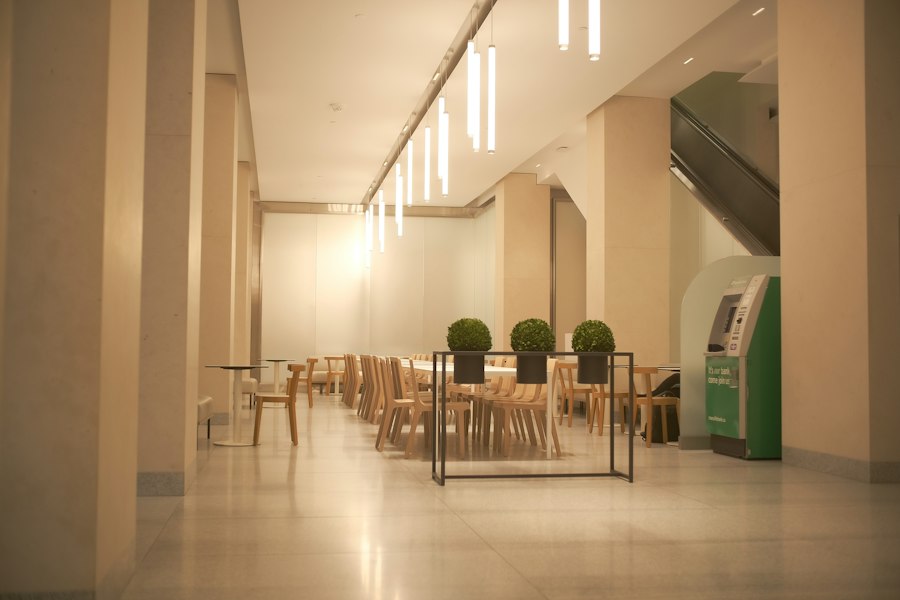
Sustainability is a critical component of responsible commercial environments. As climate change and environmental degradation become pressing global issues, businesses must take proactive steps to minimise their ecological footprint. Implementing sustainable practices can range from reducing waste and energy consumption to sourcing materials responsibly. For instance, companies can adopt renewable energy sources or invest in energy-efficient technologies to lessen their impact on the planet.
Beyond compliance with regulations, embracing sustainability can also lead to cost savings in the long run. For example, reducing energy consumption not only benefits the environment but also lowers operational costs. Additionally, consumers are increasingly drawn to brands that demonstrate a commitment to sustainability. By showcasing eco-friendly initiatives, businesses can attract environmentally conscious customers and differentiate themselves in a competitive market.

Transparency is another vital aspect of responsible commercial environments. In an age where information is readily available, consumers expect businesses to be open about their practices and policies. This includes everything from supply chain management to financial reporting. By being transparent, companies can build trust with their stakeholders and demonstrate their commitment to ethical practices.
Accountability goes hand in hand with transparency. Businesses must be willing to take responsibility for their actions and decisions. This means acknowledging mistakes and taking corrective measures when necessary. A culture of accountability encourages employees at all levels to uphold ethical standards and fosters an environment where everyone feels empowered to speak up about concerns or unethical behaviour. When companies prioritise transparency and accountability, they create a solid foundation for long-term success.
Creating responsible commercial environments is essential for fostering sustainability and enhancing user experience. A related article that delves into the importance of thoughtful design can be found here, where it discusses the essential features needed for creating the perfect walk-in robe.
This resource highlights how attention to detail in commercial spaces can lead to improved functionality and aesthetic appeal, ultimately benefiting both businesses and their clientele.
For more insights, you can read the article on creating the perfect walk-in robe.
Fair labour practices are essential for creating responsible commercial environments. This involves ensuring that all employees are treated with respect and dignity, receiving fair wages and benefits, and working in safe conditions. Companies must also be vigilant about their supply chains, ensuring that their suppliers adhere to similar standards. By supporting fair labour practices, businesses not only comply with legal requirements but also contribute to social justice.
Moreover, investing in fair labour practices can enhance employee morale and productivity. When workers feel valued and respected, they are more likely to be engaged and committed to their roles. This can lead to lower turnover rates and higher levels of job satisfaction. Additionally, companies that prioritise fair labour practices often enjoy a positive reputation in the marketplace, which can attract top talent and loyal customers.
Engaging with local communities is another crucial element of responsible commercial environments. Businesses have a unique opportunity to make a positive impact on the areas where they operate. This can involve supporting local initiatives, sponsoring community events, or collaborating with non-profit organisations. By actively participating in community development, companies can foster goodwill and strengthen their relationships with local stakeholders.
Community engagement also provides valuable insights into the needs and concerns of local residents. By listening to community members, businesses can tailor their products or services to better meet those needs. This not only enhances customer satisfaction but also positions the company as a responsible corporate citizen. Ultimately, engaging with local communities creates a win-win situation where both businesses and residents benefit from collaboration.
Empowering employees is fundamental to fostering a responsible commercial environment. When employees feel empowered, they are more likely to take ownership of their work and contribute positively to the company culture. This can be achieved through various means, such as providing opportunities for professional development, encouraging open communication, and recognising individual contributions.
Education plays a vital role in employee empowerment as well. By offering training programmes that focus on ethical practices, sustainability, and community engagement, companies can equip their workforce with the knowledge and skills needed to make informed decisions. An educated workforce is better prepared to navigate challenges and contribute to the company’s overall mission of responsibility and integrity.
In conclusion, building responsible commercial environments is not just beneficial for businesses; it’s essential for creating a sustainable future for all stakeholders involved. By prioritising ethical practices, sustainability initiatives, transparency, fair labour standards, community engagement, and employee empowerment, companies can foster an environment that promotes trust and collaboration.
As we move forward in an increasingly interconnected world, the importance of responsible business practices will only continue to grow. Companies that embrace these principles will not only thrive but also contribute positively to society as a whole. Ultimately, by committing to responsible commercial environments, businesses can help pave the way for a better future—one where profit aligns with purpose and where success is measured not just by financial gain but by the positive impact made on people and the planet.
A responsible commercial environment refers to a business setting that prioritises ethical practices, sustainability, and social responsibility in its operations.
Creating responsible commercial environments is crucial for businesses to build trust with customers, attract and retain employees, minimise negative impacts on the environment, and contribute positively to society.
Businesses can promote responsible commercial environments by implementing sustainable practices, supporting local communities, ensuring fair treatment of employees, and being transparent about their operations.
Examples of responsible commercial practices include using eco-friendly materials, reducing waste and energy consumption, supporting fair trade initiatives, promoting diversity and inclusion in the workplace, and giving back to the community through charitable activities.
Consumers can support businesses that create responsible commercial environments by choosing to purchase from companies that align with their values, advocating for sustainable practices, and providing feedback to businesses on areas for improvement.
Don’t Take Our Word For It
Aspec has recieved fantastic 5/5 Star Rating from its clients!
Professional from start to finish!
Wow! Omar was fantastic right from the very beginning! With 6 weeks to go until baby number 2s arrival, Omar delivered on his word to create a phenomenal outdoor kitchen for our alfresco area! It is exactly the vision we had in mind! We are so impressed with the workmanship and quality as well as the effort to get the work completed in such a tight timeframe. Very open and honest about pricing upfront also! Would highly recommend Omar and his team. The level of professionalism, honesty, workmanship and quality was spot on and always has time to discuss and go through any questions or concerns. Thank you A Spec Joinery for doing a fantastic job and in the short time we had to do it by! Particularly fitting us in a busy December!
Bianca M Vucetic
Professional from start to finish!
Great attentions to detail very informative throughout highly reccomend!
Mark, Double Bay
Professional from start to finish!
Omar installed a new kitchen for us. The process was easy and Omar kept in contact with us at all stages. The kitchen was installed in only a couple of days and looks fantastic. We’re very happy with the result.
Mat Pal
Professional from start to finish!
Omar was excellent to deal with. He and his team built and installed a large built-in wardrobe and cupboard, giving us good advice on the design. He was very professional in surveying the complex space for the units – it’s an older house with uneven floor and ceiling – and in preparing the design. His team constructed the units off-site within the time he indicated. Installation was complex and went very smoothly. The whole project was on time and on budget and the product delivered was of the highest quality. We would certainly use him again and recommend him to our friends.
Phillip Hart
Professional from start to finish!
Omar was fantastic to deal with and produced outstanding quality work for our new storage cupbaords and floating shelves. The final product was exactly what we wanted and made with care and attention. We highly recommend him for joinery and cabinetry works. Many thanks, Vince
Vincent Banton
Professional from start to finish!
Omar and his team are awesome. Professional, efficient and really went the extra mile creating beautiful joinery for my studio. Will definitely engage their services again and refer to anyone.
Carla Sconce
Professional from start to finish!
Dealt with Omar from A Spec on our office fit out, all work was done ahead of time and costs were maintained the whole way through. Would happily use A Spec again or recommend to anyone without hesitation.
Emanuel Karantonis
Professional from start to finish!
My experience with Omar and his team has been amazing and trouble-free.
Omar’s attention to detail and quick response time gave me comfort and confidence that the end product would be great.
Being in the construction industry, I couldn’t fault their workmanship and timing. Everything delivered on time and on budget.
Would definitely use Aspec Joinery again.
Ben Yee
Professional from start to finish!
Omar and the team at A Spec Joinery built our kitchen and bookshelves in 2021. The work is really high quality. It’s now 2024 and everything still looks great and functions just like the day they were built. I would highly recommend A Spec, particularly for the after build service. Nothing is too much trouble for Omar.
Alistair McLean
Professional from start to finish!
Omar and his team have worked wonders on all our joinery for our renovation, they constantly went above and beyond during all aspects of the build from planning to manufacturing and installation.
They have done an absolutely beautiful job and it is my pleasure to recommend A-Spec joinery to everyone.
Their professional attitude was exemplary and it was always lovely having Omar and the team in our house, they made an extremely stressful renovation into a positive experience.
A-Spec Joinery made our dreams come true and there are no words that can express how appreciative we are and so happy that we chose them.
If you want the best go with A-Spec Joinery.
Vincent & Anna
Vincent Jones
Professional from start to finish!
Paul Casey
Professional from start to finish!
Matt B
Professional from start to finish!
Our experience with A Spec Joinery was outstanding. We were happy with every phase of our project from initial concept to drawings to finished products. Omar and his team’s attention to detail was fantastic. Highly recommend!!!
Sharon Antonir
Professional from start to finish!
High quality work, on time on budget very professional would engage their services again 100%. 2yrs on asked Omar for additional work and once again very professional, on time and very helpful.
Maurice Natoli