Joinery plays a pivotal role in kitchen design, serving both functional and aesthetic purposes. It encompasses the craft of connecting various wooden components, such as cabinets, shelves, and countertops, to create a cohesive and practical space. In the kitchen, where efficiency and style are paramount, well-executed joinery can transform an ordinary area into a beautifully organised hub for cooking and socialising.
When considering a kitchen renovation or build, understanding the importance of joinery is essential. It not only affects the overall look of the kitchen but also influences how well the space works for your needs. From custom cabinetry to bespoke shelving solutions, joinery can enhance both the functionality and visual appeal of your kitchen, making it a worthwhile investment.
If you’re looking to enhance the warmth and charm of your kitchen, exploring various joinery ideas can be incredibly beneficial. A related article that delves into the transformative power of custom cabinetry is available at this link. Custom cabinets not only optimise storage but also add a personal touch to your space, making it more inviting and functional.
Selecting the right materials for joinery is crucial in achieving durability and style. Common choices include hardwoods like oak, maple, and walnut, which offer strength and a timeless aesthetic. Each type of wood has its unique characteristics; for instance, oak is known for its robustness and distinctive grain, while maple provides a smoother finish that can be ideal for modern designs.
In addition to solid woods, engineered materials such as plywood and MDF (medium-density fibreboard) are also popular.
Plywood is often used for its stability and resistance to warping, making it suitable for cabinet construction.
MDF, on the other hand, is favoured for its smooth surface that takes paint well, allowing for a sleek finish. When choosing materials, consider not only the look but also how they will hold up in a kitchen environment where moisture and heat are prevalent.
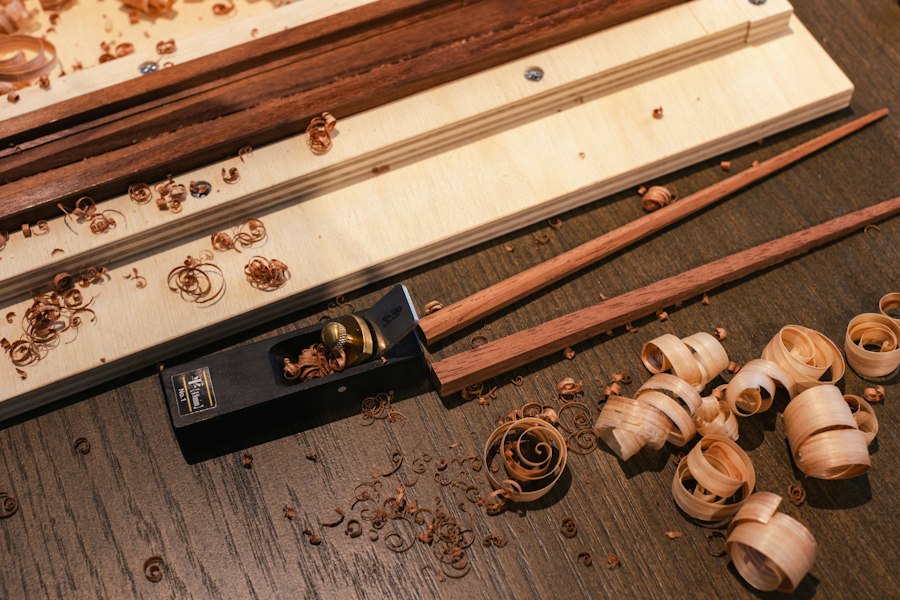
One of the primary benefits of joinery in the kitchen is its ability to maximise storage space. Custom cabinetry can be designed to fit into awkward corners or underutilised areas, ensuring that every inch of your kitchen is functional. For example, incorporating pull-out shelves or lazy Susans can make accessing items in deep cabinets much easier, reducing clutter and improving organisation.
Additionally, bespoke joinery allows for creative solutions like integrated spice racks or wine storage that can be tailored to your specific needs. By thinking outside the box and working with a skilled joiner, you can create a kitchen that not only looks great but also meets your storage requirements efficiently. This level of customisation is particularly beneficial in smaller kitchens where space is at a premium.
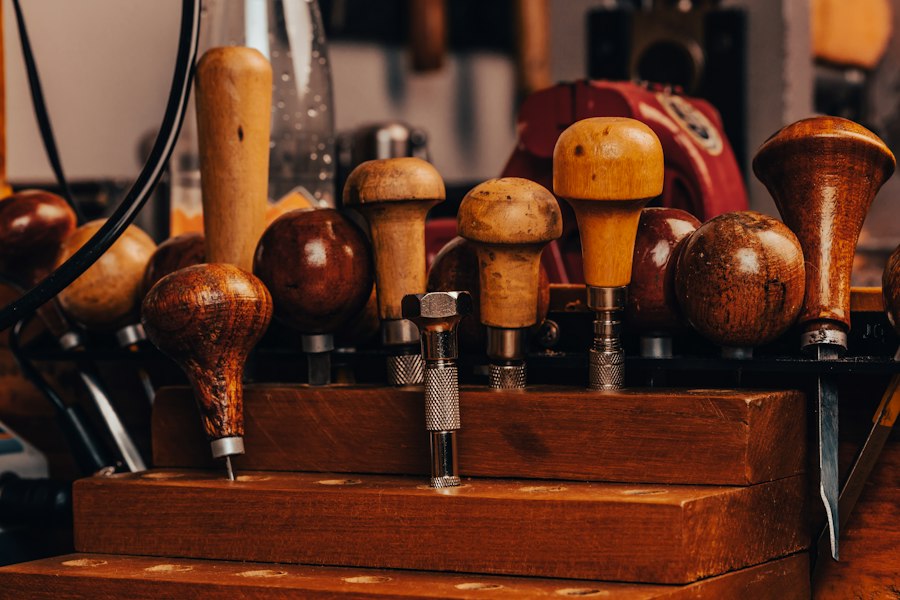
Joinery can also be used to create stunning focal points within your kitchen. A well-designed island or a striking set of cabinets can draw the eye and serve as a centrepiece for the room. For instance, a large island with intricate joinery details can become a gathering spot for family and friends, while also providing additional workspace and storage.
Incorporating unique design elements such as open shelving or decorative moulding can further enhance the visual impact of your joinery. These features not only add character but also allow you to showcase your personality through curated displays of dishware or decorative items. By focusing on creating a focal point with your joinery, you can elevate the overall design of your kitchen and make it feel more inviting.
If you’re looking to enhance the warmth and charm of your kitchen, exploring various joinery ideas can be incredibly beneficial. A related article that delves into the transformative power of kitchen remodelling is available here, where you can discover inspiring concepts to revitalise your home. By incorporating thoughtful joinery solutions, you can create a space that is not only functional but also inviting, making it the perfect gathering spot for family and friends.
Lighting is an often-overlooked aspect of joinery that can significantly enhance the functionality and atmosphere of your kitchen. Thoughtfully integrated lighting solutions can highlight specific areas of your joinery, such as under-cabinet lighting that illuminates countertops or accent lighting within glass-front cabinets. This not only improves visibility while cooking but also adds an inviting glow to the space.
Moreover, consider using LED strips or recessed lighting within your joinery design to create a modern look. These options can be energy-efficient while providing ample light where it’s needed most. By incorporating lighting into your joinery, you can create a warm and welcoming environment that makes your kitchen feel more spacious and enjoyable to use.
Custom joinery offers an excellent opportunity to infuse your personality into your kitchen design. Whether you prefer a sleek modern aesthetic or a more traditional look, bespoke joinery allows you to choose finishes, colours, and styles that reflect your taste. For example, opting for painted cabinetry in bold hues can make a statement, while natural wood finishes can create a warm and inviting atmosphere.
Additionally, custom joinery can accommodate unique features that resonate with your lifestyle. If you’re an avid cook, you might want specialised storage for utensils or appliances built directly into your cabinetry. Alternatively, if you enjoy entertaining, consider designing a bar area or wine rack as part of your joinery. By personalising your kitchen through custom joinery, you create a space that feels uniquely yours.
In small kitchens, effective joinery becomes even more critical as every square inch counts. Custom solutions can help maximise functionality without sacrificing style. For instance, consider incorporating multi-functional furniture like an island that doubles as a dining table or using vertical space with tall cabinets that reach the ceiling.
Another effective strategy is to use open shelving instead of bulky cabinets. This not only creates an illusion of more space but also allows you to display attractive dishware or cookbooks, adding character to the room. Cleverly designed pull-out drawers or hidden compartments can also help keep clutter at bay while ensuring everything has its place. With thoughtful joinery tailored to small spaces, you can create a kitchen that feels spacious and efficient.
Once you’ve invested in quality joinery for your kitchen, proper maintenance is essential to keep it looking its best. Regular cleaning is key; use a soft cloth and mild detergent to wipe down surfaces without damaging the finish. Avoid harsh chemicals that could strip away protective coatings or discolour wood.
Additionally, consider periodic checks for any signs of wear or damage. Addressing issues like loose hinges or scratches promptly can prevent more significant problems down the line. For wooden surfaces, applying a suitable wood conditioner or polish every few months can help maintain their luster and protect against moisture damage. By taking care of your joinery, you ensure it remains a beautiful and functional part of your kitchen for years to come.
In conclusion, joinery is an integral aspect of kitchen design that combines functionality with aesthetics. From choosing the right materials to maximising storage and adding personal touches, thoughtful joinery can transform your kitchen into a space that meets both practical needs and reflects your style. Whether you’re working with a small area or looking to create a stunning focal point, understanding the principles of joinery will help you make informed decisions that enhance your home.
Don’t Take Our Word For It
Aspec has recieved fantastic 5/5 Star Rating from its clients!
Professional from start to finish!
Wow! Omar was fantastic right from the very beginning! With 6 weeks to go until baby number 2s arrival, Omar delivered on his word to create a phenomenal outdoor kitchen for our alfresco area! It is exactly the vision we had in mind! We are so impressed with the workmanship and quality as well as the effort to get the work completed in such a tight timeframe. Very open and honest about pricing upfront also! Would highly recommend Omar and his team. The level of professionalism, honesty, workmanship and quality was spot on and always has time to discuss and go through any questions or concerns. Thank you A Spec Joinery for doing a fantastic job and in the short time we had to do it by! Particularly fitting us in a busy December!
Bianca M Vucetic
Professional from start to finish!
Great attentions to detail very informative throughout highly reccomend!
Mark, Double Bay
Professional from start to finish!
Omar installed a new kitchen for us. The process was easy and Omar kept in contact with us at all stages. The kitchen was installed in only a couple of days and looks fantastic. We’re very happy with the result.
Mat Pal
Professional from start to finish!
Omar was excellent to deal with. He and his team built and installed a large built-in wardrobe and cupboard, giving us good advice on the design. He was very professional in surveying the complex space for the units – it’s an older house with uneven floor and ceiling – and in preparing the design. His team constructed the units off-site within the time he indicated. Installation was complex and went very smoothly. The whole project was on time and on budget and the product delivered was of the highest quality. We would certainly use him again and recommend him to our friends.
Phillip Hart
Professional from start to finish!
Omar was fantastic to deal with and produced outstanding quality work for our new storage cupbaords and floating shelves. The final product was exactly what we wanted and made with care and attention. We highly recommend him for joinery and cabinetry works. Many thanks, Vince
Vincent Banton
Professional from start to finish!
Omar and his team are awesome. Professional, efficient and really went the extra mile creating beautiful joinery for my studio. Will definitely engage their services again and refer to anyone.
Carla Sconce
Professional from start to finish!
Dealt with Omar from A Spec on our office fit out, all work was done ahead of time and costs were maintained the whole way through. Would happily use A Spec again or recommend to anyone without hesitation.
Emanuel Karantonis
Professional from start to finish!
My experience with Omar and his team has been amazing and trouble-free.
Omar’s attention to detail and quick response time gave me comfort and confidence that the end product would be great.
Being in the construction industry, I couldn’t fault their workmanship and timing. Everything delivered on time and on budget.
Would definitely use Aspec Joinery again.
Ben Yee
Professional from start to finish!
Omar and the team at A Spec Joinery built our kitchen and bookshelves in 2021. The work is really high quality. It’s now 2024 and everything still looks great and functions just like the day they were built. I would highly recommend A Spec, particularly for the after build service. Nothing is too much trouble for Omar.
Alistair McLean
Professional from start to finish!
Omar and his team have worked wonders on all our joinery for our renovation, they constantly went above and beyond during all aspects of the build from planning to manufacturing and installation.
They have done an absolutely beautiful job and it is my pleasure to recommend A-Spec joinery to everyone.
Their professional attitude was exemplary and it was always lovely having Omar and the team in our house, they made an extremely stressful renovation into a positive experience.
A-Spec Joinery made our dreams come true and there are no words that can express how appreciative we are and so happy that we chose them.
If you want the best go with A-Spec Joinery.
Vincent & Anna
Vincent Jones
Professional from start to finish!
Paul Casey
Professional from start to finish!
Matt B
Professional from start to finish!
Our experience with A Spec Joinery was outstanding. We were happy with every phase of our project from initial concept to drawings to finished products. Omar and his team’s attention to detail was fantastic. Highly recommend!!!
Sharon Antonir
Professional from start to finish!
High quality work, on time on budget very professional would engage their services again 100%. 2yrs on asked Omar for additional work and once again very professional, on time and very helpful.
Maurice Natoli