When it comes to designing a kitchen, the style you choose can significantly influence the overall feel and functionality of the space. Kitchen styles are not just about aesthetics; they also reflect your lifestyle, cooking habits, and personal preferences. Understanding the various kitchen styles available can help you make informed decisions that align with your vision for the heart of your home.
Each kitchen style has its unique characteristics, materials, and colour palettes. From the warm, inviting tones of traditional designs to the sleek lines of modern aesthetics, there’s a style to suit every taste. By exploring these different styles, you can identify what resonates with you and create a kitchen that is not only beautiful but also practical for your everyday needs.
If you’re looking to enhance your kitchen’s aesthetic with personalised touches, you might find the article on “Tailored Designs for Every Kitchen Style” particularly insightful. It explores various design elements that can be customised to suit your unique preferences and needs. For further inspiration, you can also check out a related article on kitchen renovations and trends at Aspec Joinery Blog, which offers valuable tips on creating the perfect culinary space.
Traditional kitchen design is all about warmth and comfort. This style often features classic elements such as ornate cabinetry, detailed mouldings, and rich wood finishes. The colour palette tends to lean towards warm neutrals, deep reds, and earthy greens, creating a welcoming atmosphere that feels timeless.
In a traditional kitchen, you might find features like a farmhouse sink, decorative backsplashes, and vintage-inspired appliances. These elements work together to create a cohesive look that pays homage to the kitchens of the past. The layout is typically functional, with an emphasis on creating a space that encourages family gatherings and cooking together.
Another hallmark of traditional kitchens is the use of natural materials. Solid wood cabinets, stone countertops, and ceramic tiles are common choices that add both beauty and durability. Accessories such as antique dishware or heirloom pieces can further enhance the traditional feel, making the kitchen not just a cooking space but a reflection of family history and tradition.
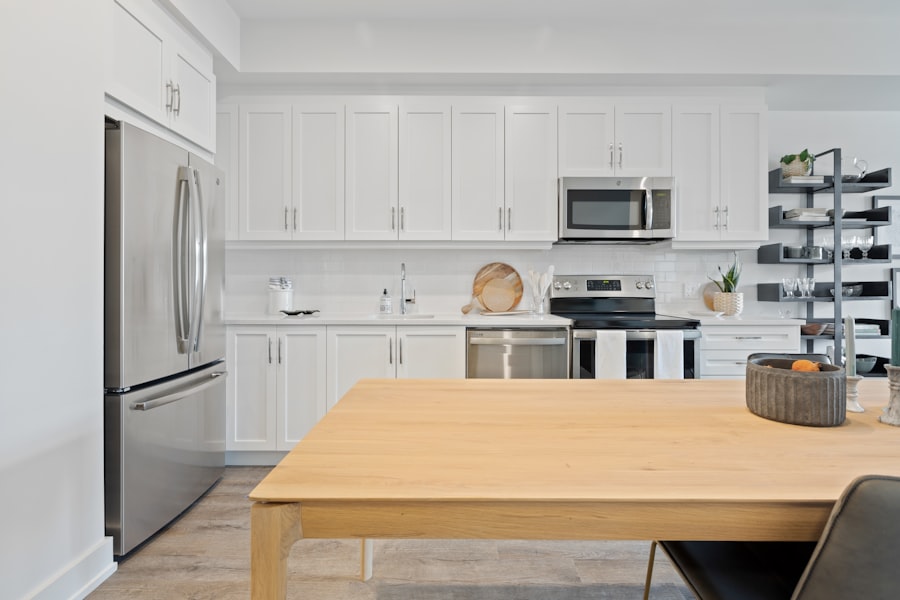
Modern kitchen design embraces simplicity and functionality. Characterised by clean lines, minimal ornamentation, and a focus on efficiency, this style often features sleek cabinetry and high-tech appliances. The colour schemes are typically monochromatic or feature bold accents, allowing for a fresh and uncluttered look.
In modern kitchens, open layouts are popular, promoting a sense of space and flow. This design often incorporates large islands that serve as both preparation areas and social hubs. Materials like stainless steel, glass, and concrete are frequently used to create a contemporary feel that is both stylish and practical.
Lighting plays a crucial role in modern kitchen design. Pendant lights or recessed lighting can highlight key areas while maintaining an airy atmosphere. The overall goal is to create a space that feels bright and inviting while remaining highly functional for cooking and entertaining.
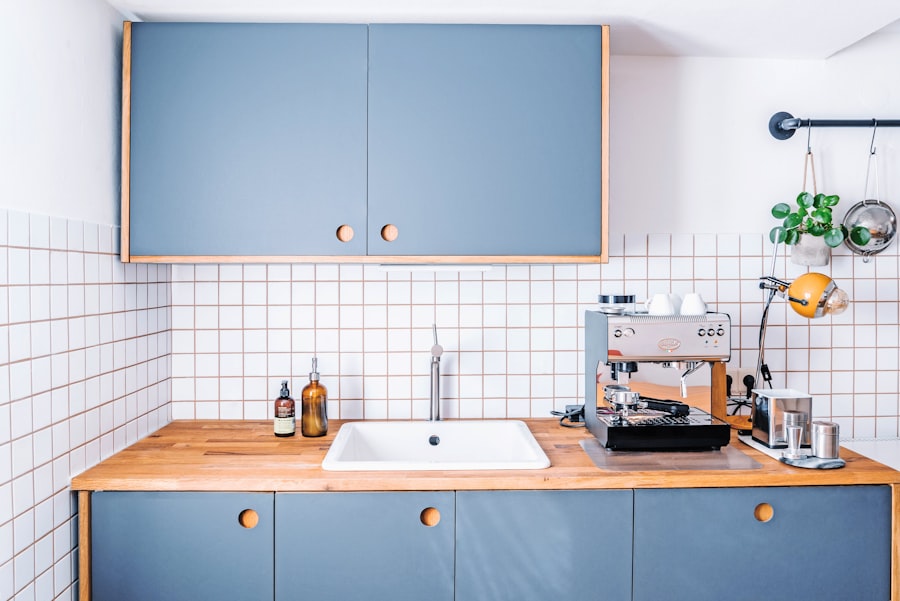
Rustic kitchen design brings the charm of the countryside into your home. This style is characterised by its use of natural materials, earthy colours, and a warm, inviting atmosphere. Exposed beams, reclaimed wood cabinetry, and stone accents are common features that evoke a sense of comfort and nostalgia.
In a rustic kitchen, you might find open shelving displaying handmade pottery or vintage cookbooks, adding to the homey feel. The colour palette often includes warm browns, soft greens, and muted yellows, creating a soothing environment that feels connected to nature.
The layout in rustic kitchens tends to be more casual, encouraging a relaxed approach to cooking and dining. Large farmhouse tables can serve as both preparation areas and dining spaces, making it easy for family and friends to gather around.
This style is perfect for those who appreciate a laid-back lifestyle and want their kitchen to reflect that ethos.
For those considering a kitchen renovation, understanding the common pitfalls can be crucial to achieving the perfect space. An insightful article on kitchen renovation mistakes highlights essential tips to ensure your project runs smoothly and meets your expectations. By avoiding these common errors, you can create tailored designs that truly reflect your style and needs. To learn more about the potential missteps and how to navigate them effectively, you can read the article here.
Industrial kitchen design draws inspiration from warehouses and factories, resulting in a raw yet stylish aesthetic. This style often features exposed brick walls, metal fixtures, and concrete floors. The overall look is edgy and urban, appealing to those who appreciate a more contemporary vibe.
In an industrial kitchen, you’ll often find open shelving made from reclaimed wood or metal piping, showcasing cookware and utensils in an artistic way. The colour palette typically includes greys, blacks, and browns, with occasional pops of colour through accessories or artwork.
Functionality is key in industrial kitchens. The layout often prioritises efficiency with ample counter space and high-quality appliances that can withstand heavy use. Lighting is also an essential element; pendant lights with an industrial flair can provide both illumination and style while maintaining the overall theme.
Minimalist kitchen design is all about “less is more.” This style focuses on simplicity and functionality while eliminating unnecessary clutter. Clean lines, neutral colour palettes, and streamlined cabinetry are hallmarks of minimalist kitchens.
In a minimalist kitchen, every element serves a purpose. Appliances are often integrated into cabinetry for a seamless look, while open spaces are maximised to create an airy feel. The colour scheme typically consists of whites, greys, and blacks, allowing for a calm and serene environment.
Storage solutions are cleverly designed in minimalist kitchens to keep surfaces clear of clutter. Hidden drawers or pull-out shelves can help maintain the clean aesthetic while providing ample storage for kitchen essentials. This style is ideal for those who appreciate orderliness and want their kitchen to reflect a sense of peace.
Transitional kitchen design blends elements from both traditional and modern styles to create a balanced look that appeals to many homeowners. This style combines the warmth of traditional design with the sleekness of modern aesthetics, resulting in a versatile space that feels both inviting and contemporary.
In transitional kitchens, you might see classic cabinetry paired with modern hardware or traditional materials used in innovative ways. The colour palette often includes soft neutrals with occasional bold accents, allowing for personal expression without overwhelming the senses.
The layout in transitional kitchens is typically functional yet stylish. Open spaces encourage social interaction while maintaining distinct areas for cooking and dining. This style is perfect for those who appreciate the best of both worlds—comfort and sophistication—making it an excellent choice for families or those who love to entertain.
Eclectic kitchen design is all about creativity and personal expression. This style allows homeowners to mix various elements from different styles to create a unique space that reflects their personality. From bold colours to mismatched furniture pieces, eclectic kitchens are anything but ordinary.
In an eclectic kitchen, you might find vintage appliances alongside modern fixtures or bright tiles paired with rustic wood accents. The key is to create harmony among diverse elements while ensuring that the space remains functional. This approach encourages experimentation with colours, patterns, and textures.
The layout in eclectic kitchens can vary widely based on personal preference but often includes open spaces that invite creativity. Accessories play a significant role in this style; quirky artwork or unique decor items can serve as conversation starters while adding character to the space. For those who love to showcase their individuality through design, an eclectic kitchen offers endless possibilities for self-expression.
In conclusion, understanding the various kitchen styles available can help you create a space that not only meets your practical needs but also reflects your personal taste. Whether you lean towards the warmth of traditional designs or the sleekness of modern aesthetics—or perhaps something entirely unique—there’s a kitchen style out there for everyone. Take your time exploring these options; after all, your kitchen is more than just a place to cook—it’s where memories are made and shared.
Tailored kitchen designs offer the advantage of maximising space and functionality, as well as providing a personalised and unique aesthetic that suits the homeowner’s specific needs and preferences.
Popular kitchen styles that can be tailored to individual preferences include modern, traditional, farmhouse, industrial, and Scandinavian. Each style can be customised to reflect the homeowner’s taste and lifestyle.
Tailored kitchen designs can be adapted to accommodate different kitchen sizes and layouts by utilising custom storage solutions, clever space-saving techniques, and strategic placement of appliances and fixtures to make the most of the available space.
Key elements to consider when creating a tailored kitchen design include the choice of materials, colours, finishes, lighting, storage solutions, and the overall layout to ensure that the design reflects the homeowner’s style and meets their practical needs.
Working with a professional designer for a tailored kitchen design offers the advantage of expertise, experience, and access to a wide range of resources and suppliers, ensuring that the final design is both functional and visually appealing.
Don’t Take Our Word For It
Aspec has recieved fantastic 5/5 Star Rating from its clients!
Professional from start to finish!
Wow! Omar was fantastic right from the very beginning! With 6 weeks to go until baby number 2s arrival, Omar delivered on his word to create a phenomenal outdoor kitchen for our alfresco area! It is exactly the vision we had in mind! We are so impressed with the workmanship and quality as well as the effort to get the work completed in such a tight timeframe. Very open and honest about pricing upfront also! Would highly recommend Omar and his team. The level of professionalism, honesty, workmanship and quality was spot on and always has time to discuss and go through any questions or concerns. Thank you A Spec Joinery for doing a fantastic job and in the short time we had to do it by! Particularly fitting us in a busy December!
Bianca M Vucetic
Professional from start to finish!
Great attentions to detail very informative throughout highly reccomend!
Mark, Double Bay
Professional from start to finish!
Omar installed a new kitchen for us. The process was easy and Omar kept in contact with us at all stages. The kitchen was installed in only a couple of days and looks fantastic. We’re very happy with the result.
Mat Pal
Professional from start to finish!
Omar was excellent to deal with. He and his team built and installed a large built-in wardrobe and cupboard, giving us good advice on the design. He was very professional in surveying the complex space for the units – it’s an older house with uneven floor and ceiling – and in preparing the design. His team constructed the units off-site within the time he indicated. Installation was complex and went very smoothly. The whole project was on time and on budget and the product delivered was of the highest quality. We would certainly use him again and recommend him to our friends.
Phillip Hart
Professional from start to finish!
Omar was fantastic to deal with and produced outstanding quality work for our new storage cupbaords and floating shelves. The final product was exactly what we wanted and made with care and attention. We highly recommend him for joinery and cabinetry works. Many thanks, Vince
Vincent Banton
Professional from start to finish!
Omar and his team are awesome. Professional, efficient and really went the extra mile creating beautiful joinery for my studio. Will definitely engage their services again and refer to anyone.
Carla Sconce
Professional from start to finish!
Dealt with Omar from A Spec on our office fit out, all work was done ahead of time and costs were maintained the whole way through. Would happily use A Spec again or recommend to anyone without hesitation.
Emanuel Karantonis
Professional from start to finish!
My experience with Omar and his team has been amazing and trouble-free.
Omar’s attention to detail and quick response time gave me comfort and confidence that the end product would be great.
Being in the construction industry, I couldn’t fault their workmanship and timing. Everything delivered on time and on budget.
Would definitely use Aspec Joinery again.
Ben Yee
Professional from start to finish!
Omar and the team at A Spec Joinery built our kitchen and bookshelves in 2021. The work is really high quality. It’s now 2024 and everything still looks great and functions just like the day they were built. I would highly recommend A Spec, particularly for the after build service. Nothing is too much trouble for Omar.
Alistair McLean
Professional from start to finish!
Omar and his team have worked wonders on all our joinery for our renovation, they constantly went above and beyond during all aspects of the build from planning to manufacturing and installation.
They have done an absolutely beautiful job and it is my pleasure to recommend A-Spec joinery to everyone.
Their professional attitude was exemplary and it was always lovely having Omar and the team in our house, they made an extremely stressful renovation into a positive experience.
A-Spec Joinery made our dreams come true and there are no words that can express how appreciative we are and so happy that we chose them.
If you want the best go with A-Spec Joinery.
Vincent & Anna
Vincent Jones
Professional from start to finish!
Paul Casey
Professional from start to finish!
Matt B
Professional from start to finish!
Our experience with A Spec Joinery was outstanding. We were happy with every phase of our project from initial concept to drawings to finished products. Omar and his team’s attention to detail was fantastic. Highly recommend!!!
Sharon Antonir
Professional from start to finish!
High quality work, on time on budget very professional would engage their services again 100%. 2yrs on asked Omar for additional work and once again very professional, on time and very helpful.
Maurice Natoli