In small kitchens, every inch counts. To make the most of limited space, consider utilising vertical storage options. Wall-mounted shelves can hold everything from spices to cookbooks, freeing up valuable counter space. Additionally, magnetic strips can be a game-changer for storing knives and metal utensils, keeping them within reach while also adding a touch of style to your kitchen. Don’t forget about the insides of cabinet doors; installing hooks or small racks can provide extra storage for items like pot lids or measuring spoons.
Another effective strategy is to invest in multi-functional furniture. A kitchen island with built-in storage can serve as both a prep area and a place to store pots and pans. Similarly, collapsible tables or foldable chairs can be tucked away when not in use, allowing for more room to move around. Baskets and bins can also help keep things organised; they can be easily pulled out when needed and tucked back in when you’re done. By thinking creatively about storage, you can transform a cramped kitchen into a more functional and enjoyable space.
For those seeking further insights into contemporary kitchen design and functionality, the article on Aspec Joinery provides an excellent overview of innovative solutions tailored to modern kitchen challenges. Their approach combines aesthetics with practicality, ensuring that every element serves a purpose while enhancing the overall look of the space. To explore their offerings and learn more about how they address these challenges, visit Aspec Joinery.
Smart appliances are revolutionising the way we cook and clean in the kitchen. From smart ovens that can be controlled via smartphone apps to dishwashers that optimise water usage based on load size, these devices are designed to make life easier. For instance, a smart fridge can help you keep track of your groceries, sending alerts when items are running low or even suggesting recipes based on what you have on hand. This not only saves time but also reduces food waste.
Moreover, many smart appliances come with energy-efficient features that can help lower your utility bills. For example, induction cooktops heat up quickly and maintain precise temperatures, making cooking faster and more efficient. Similarly, smart dishwashers often have eco modes that use less water and energy without sacrificing cleaning power.
By integrating these technologies into your kitchen, you can streamline your cooking and cleaning tasks while also being mindful of your environmental impact.
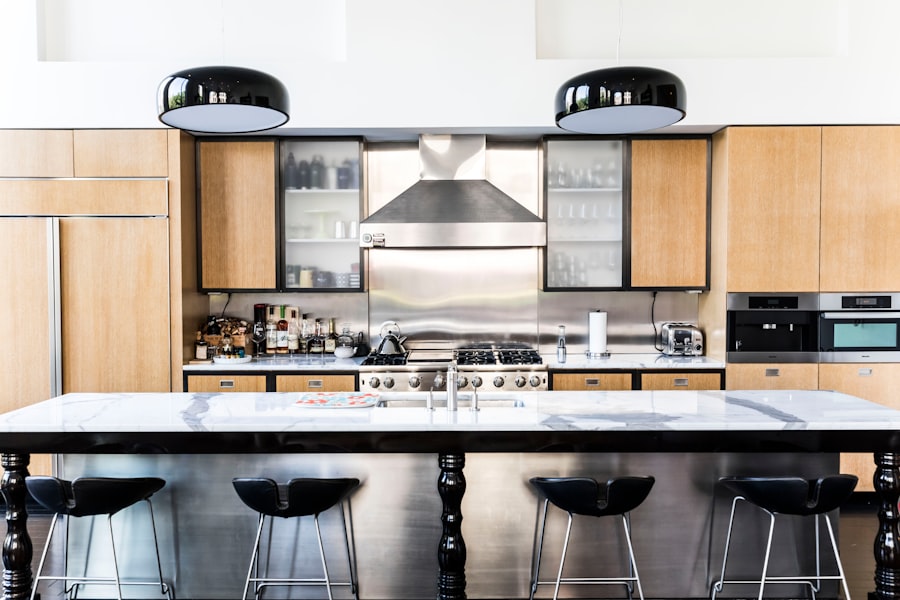
Sustainability is becoming increasingly important in kitchen design and functionality. One of the simplest ways to make your kitchen more eco-friendly is by choosing sustainable materials for countertops, cabinets, and flooring. Bamboo, reclaimed wood, and recycled materials are excellent choices that not only look great but also reduce your carbon footprint. Additionally, opting for low-VOC paints and finishes can improve indoor air quality while being kinder to the environment.
Another effective practice is to implement a composting system for food scraps. This not only reduces waste but also provides nutrient-rich soil for gardening. You might also consider investing in energy-efficient appliances that consume less power and water. For example, using a pressure cooker or slow cooker can save energy compared to traditional cooking methods. By making these conscious choices, you can create a kitchen that aligns with your values while still being functional and stylish.
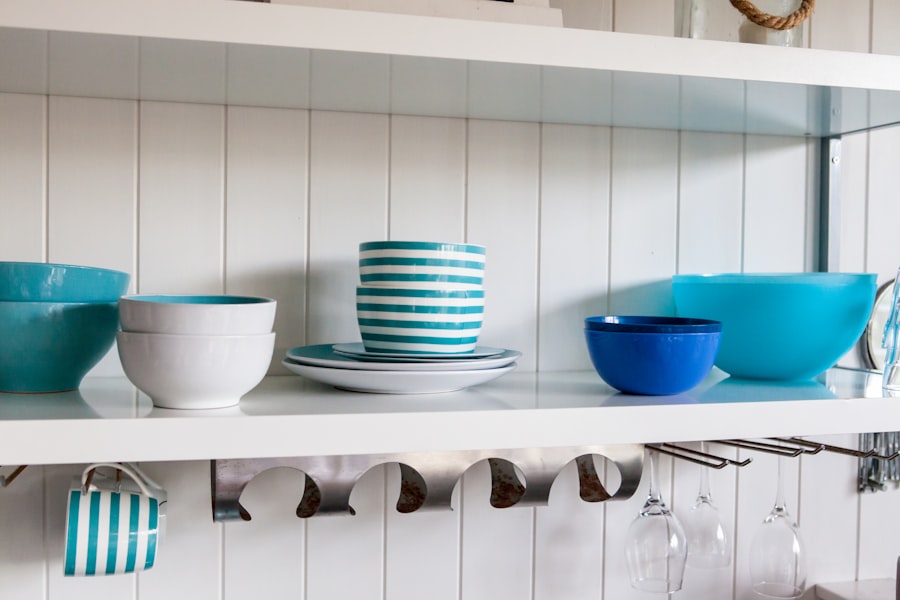
In today’s fast-paced world, time-saving techniques in the kitchen are invaluable. One effective method is batch cooking, where you prepare large quantities of meals at once and store them for later use. This not only saves time during the week but also ensures you have healthy options readily available. Consider dedicating a few hours on the weekend to cook staples like grains, proteins, and vegetables that can be mixed and matched throughout the week.
Another useful technique is to organise your kitchen for efficiency. Keep frequently used items within easy reach and group similar tools together. For instance, having all your baking supplies in one area can streamline the process when you’re whipping up a cake or cookies. Additionally, using clear containers for pantry items allows you to see what you have at a glance, reducing the time spent searching for ingredients. By implementing these strategies, you can make meal prep quicker and less stressful.
In the quest for innovative solutions to modern kitchen challenges, one might find inspiration in the article on Aspec Joinery, which explores bespoke cabinetry and design options tailored to contemporary needs. This resource highlights how custom joinery can transform kitchen spaces, making them more functional and aesthetically pleasing. For further insights, you can read more about these design innovations in the article here.
A well-designed kitchen layout is crucial for functionality and ease of use. The classic work triangle—where the sink, stove, and refrigerator are positioned in a triangular formation—remains a popular choice for maximising efficiency. This layout minimises unnecessary movement while cooking, allowing you to move seamlessly between tasks.
However, it’s essential to consider your specific needs when designing your kitchen. If you often entertain guests, an open-plan layout with an island can create a social atmosphere while providing additional workspace. Alternatively, if you have a small kitchen, consider using pull-out shelves or corner cabinets to maximise storage without sacrificing accessibility. Ultimately, the goal is to create a space that works for you and your lifestyle.
In exploring innovative solutions for modern kitchen challenges, one might find it beneficial to consider how contemporary designs can enhance functionality and aesthetics. A related article discusses the integration of technology in home furnishings, particularly focusing on modern entertainment units that cater to tech-savvy homeowners. This piece highlights the importance of creating versatile spaces that seamlessly blend cooking and entertainment, making it a valuable read for anyone looking to optimise their kitchen experience. For more insights, you can check out the article on modern entertainment units.
The integration of technology into the kitchen is not just about convenience; it’s about enhancing the overall cooking experience. Smart lighting systems can be programmed to adjust based on the time of day or activity, providing bright light for cooking and softer tones for dining. Voice-activated assistants can help with everything from setting timers to finding recipes while keeping your hands free for cooking.
Moreover, smart cooking devices like air fryers or sous-vide machines offer precise temperature control and cooking times, making it easier to achieve perfect results every time. These gadgets often come with apps that provide step-by-step instructions or even allow you to monitor cooking progress remotely.
By embracing these tech-driven solutions, you can elevate your culinary skills while enjoying the convenience of modern technology.
Every cook has unique preferences and needs when it comes to their kitchen space. Customisation allows you to create an environment that reflects your style while catering to your specific requirements. For instance, if you love baking, consider installing a dedicated baking station with ample counter space and easy access to tools and ingredients.
Personalisation doesn’t stop at layout; it extends to colour schemes and finishes as well. Choosing colours that inspire creativity or evoke calmness can significantly impact your cooking experience. Additionally, incorporating personal touches like family photos or artwork can make the space feel more inviting. By tailoring your kitchen to suit your individual needs and tastes, you’ll create a space that feels truly yours.
As lifestyles evolve, so do the needs of our kitchens. One emerging trend is the focus on wellness-oriented design, where kitchens are not just places for cooking but also spaces for gathering and relaxation. This shift encourages designs that promote social interaction, such as open layouts with integrated dining areas.
Another trend is the rise of modular kitchens that allow for flexibility in design and functionality. These kitchens can be easily reconfigured as needs change over time, making them ideal for families who may require different setups as children grow or lifestyles shift. Sustainability will continue to play a significant role in future kitchen designs as consumers become more environmentally conscious.
In conclusion, modern kitchens are evolving rapidly to meet the demands of contemporary living. By embracing clever storage solutions, smart appliances, sustainable practices, time-saving techniques, functional designs, tech-driven innovations, customisation options, and future trends, you can create a kitchen that not only meets your needs but also enhances your overall cooking experience. Whether you’re an avid chef or someone who simply enjoys preparing meals at home, these strategies will help you make the most of your kitchen space now and in the future.
Some common challenges in modern kitchens include limited space, lack of storage, inefficient layout, and outdated appliances.
Innovative solutions for limited space in the kitchen include using multi-functional furniture, installing wall-mounted storage solutions, and utilizing vertical space for storage.
Modern kitchens can address the issue of inefficient layout by incorporating smart storage solutions, optimizing work zones, and using space-saving appliances.
Innovative storage solutions for modern kitchens include pull-out pantry systems, corner storage units, and custom-built cabinets to maximize storage space.
Modern kitchens can integrate technology for improved functionality by incorporating smart appliances, touchless faucets, and voice-activated assistants for hands-free control of kitchen tasks.
Don’t Take Our Word For It
Aspec has recieved fantastic 5/5 Star Rating from its clients!
Professional from start to finish!
Wow! Omar was fantastic right from the very beginning! With 6 weeks to go until baby number 2s arrival, Omar delivered on his word to create a phenomenal outdoor kitchen for our alfresco area! It is exactly the vision we had in mind! We are so impressed with the workmanship and quality as well as the effort to get the work completed in such a tight timeframe. Very open and honest about pricing upfront also! Would highly recommend Omar and his team. The level of professionalism, honesty, workmanship and quality was spot on and always has time to discuss and go through any questions or concerns. Thank you A Spec Joinery for doing a fantastic job and in the short time we had to do it by! Particularly fitting us in a busy December!
Bianca M Vucetic
Professional from start to finish!
Great attentions to detail very informative throughout highly reccomend!
Mark, Double Bay
Professional from start to finish!
Omar installed a new kitchen for us. The process was easy and Omar kept in contact with us at all stages. The kitchen was installed in only a couple of days and looks fantastic. We’re very happy with the result.
Mat Pal
Professional from start to finish!
Omar was excellent to deal with. He and his team built and installed a large built-in wardrobe and cupboard, giving us good advice on the design. He was very professional in surveying the complex space for the units – it’s an older house with uneven floor and ceiling – and in preparing the design. His team constructed the units off-site within the time he indicated. Installation was complex and went very smoothly. The whole project was on time and on budget and the product delivered was of the highest quality. We would certainly use him again and recommend him to our friends.
Phillip Hart
Professional from start to finish!
Omar was fantastic to deal with and produced outstanding quality work for our new storage cupbaords and floating shelves. The final product was exactly what we wanted and made with care and attention. We highly recommend him for joinery and cabinetry works. Many thanks, Vince
Vincent Banton
Professional from start to finish!
Omar and his team are awesome. Professional, efficient and really went the extra mile creating beautiful joinery for my studio. Will definitely engage their services again and refer to anyone.
Carla Sconce
Professional from start to finish!
Dealt with Omar from A Spec on our office fit out, all work was done ahead of time and costs were maintained the whole way through. Would happily use A Spec again or recommend to anyone without hesitation.
Emanuel Karantonis
Professional from start to finish!
My experience with Omar and his team has been amazing and trouble-free.
Omar’s attention to detail and quick response time gave me comfort and confidence that the end product would be great.
Being in the construction industry, I couldn’t fault their workmanship and timing. Everything delivered on time and on budget.
Would definitely use Aspec Joinery again.
Ben Yee
Professional from start to finish!
Omar and the team at A Spec Joinery built our kitchen and bookshelves in 2021. The work is really high quality. It’s now 2024 and everything still looks great and functions just like the day they were built. I would highly recommend A Spec, particularly for the after build service. Nothing is too much trouble for Omar.
Alistair McLean
Professional from start to finish!
Omar and his team have worked wonders on all our joinery for our renovation, they constantly went above and beyond during all aspects of the build from planning to manufacturing and installation.
They have done an absolutely beautiful job and it is my pleasure to recommend A-Spec joinery to everyone.
Their professional attitude was exemplary and it was always lovely having Omar and the team in our house, they made an extremely stressful renovation into a positive experience.
A-Spec Joinery made our dreams come true and there are no words that can express how appreciative we are and so happy that we chose them.
If you want the best go with A-Spec Joinery.
Vincent & Anna
Vincent Jones
Professional from start to finish!
Paul Casey
Professional from start to finish!
Matt B
Professional from start to finish!
Our experience with A Spec Joinery was outstanding. We were happy with every phase of our project from initial concept to drawings to finished products. Omar and his team’s attention to detail was fantastic. Highly recommend!!!
Sharon Antonir
Professional from start to finish!
High quality work, on time on budget very professional would engage their services again 100%. 2yrs on asked Omar for additional work and once again very professional, on time and very helpful.
Maurice Natoli