The kitchen is often considered the heart of the home, and for good reason. It’s where families gather, meals are prepared, and memories are made. As families grow and change, so too do their needs in this vital space. Designing a kitchen that can adapt to various stages of family life is essential for creating a functional and welcoming environment. Whether you’re a couple just starting out, a family with young children, or empty nesters, your kitchen should evolve alongside you.
In this article, we’ll explore how to create a kitchen that meets the demands of your family at every stage. From space planning and storage solutions to durable materials and flexible furnishings, we’ll cover practical strategies to ensure your kitchen remains a cherished gathering place for years to come.
When considering how to create a kitchen that adapts to the evolving needs of your family, it’s also worthwhile to explore the broader implications of design in various spaces. For instance, an article on elevating retail environments highlights the importance of flexible design in shop fit-outs, which can similarly apply to residential spaces. You can read more about this concept in the article here. By understanding how adaptable design principles work in different contexts, you can better envision a kitchen that not only meets your current requirements but also grows alongside your family.
When it comes to designing a kitchen, space planning is crucial. An adaptable layout can make all the difference as your family grows. Open-plan designs are particularly popular, as they allow for easy interaction between family members while cooking or entertaining. Consider incorporating an island or breakfast bar that can serve multiple purposes—preparation space, dining area, or even a homework station for the kids.
As your family evolves, so might your cooking habits. A layout that accommodates both casual meals and larger gatherings is ideal. Think about how you can create zones within your kitchen: a cooking zone with easy access to appliances, a cleaning zone near the sink and dishwasher, and a social zone where family and friends can gather. This thoughtful arrangement will help ensure that your kitchen remains functional and inviting, no matter how many people are using it.
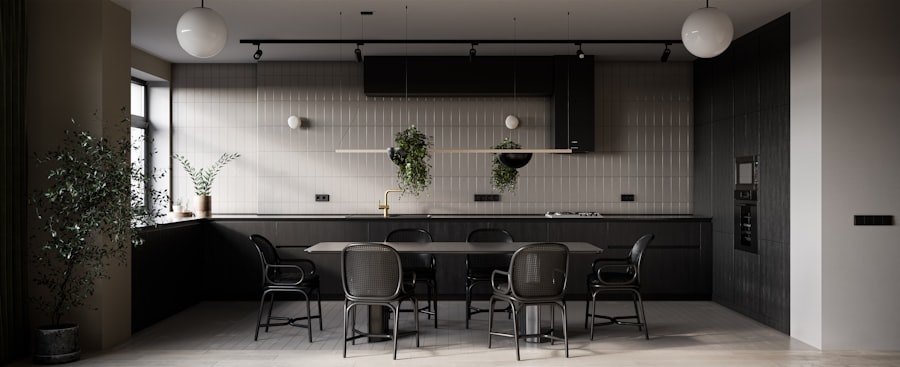
With a growing family comes an increasing amount of kitchenware, food supplies, and gadgets.
Effective storage solutions are essential to keep your kitchen organised and clutter-free.
Start by assessing your current storage needs and consider how they might change in the future. Custom cabinetry can be a great investment, allowing you to maximise vertical space with tall cabinets that reach the ceiling.
Incorporating pull-out shelves, lazy Susans, and drawer dividers can help you make the most of every inch of space. Don’t forget about utilising the insides of cabinet doors for additional storage—small racks or hooks can hold spices or utensils without taking up valuable counter space. As your family grows, these smart storage solutions will help you maintain order in the kitchen, making it easier to find what you need when you need it.
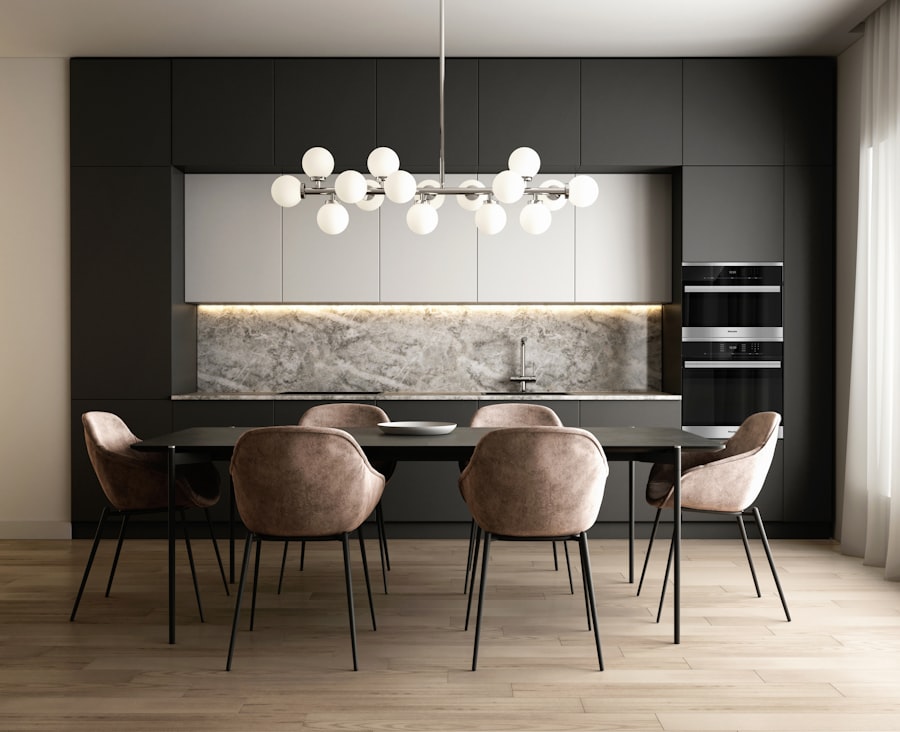
When selecting materials for your kitchen, durability should be a top priority. Families with children or pets need surfaces that can withstand wear and tear while still looking good. For countertops, consider options like quartz or granite; both are resistant to scratches and stains, making them ideal for busy kitchens. Additionally, they come in a variety of colours and patterns, allowing you to find a style that suits your aesthetic.
Flooring is another critical consideration. Hardwood may be beautiful but can be prone to scratches and water damage. Instead, look into tile or luxury vinyl flooring that mimics wood but offers greater durability and ease of maintenance. Choosing materials that are not only stylish but also resilient will ensure your kitchen remains functional and attractive through all the ups and downs of family life.
When considering how to create a kitchen that adapts to your family’s evolving needs, it’s essential to think about the broader context of home design. A related article discusses the importance of transforming spaces to enhance functionality and aesthetics, which can be particularly relevant when designing a kitchen. You can read more about this concept in the article on transforming business spaces for success, where the principles of adaptable design are explored in depth. This approach not only applies to commercial settings but can also inspire your kitchen’s layout and features, ensuring it remains practical and inviting as your family grows.
Furniture in the kitchen should be versatile enough to adapt to your family’s changing needs. A dining table that can expand for larger gatherings is a practical choice for families who frequently host friends or relatives. Look for tables with leaves or those that can be easily reconfigured to suit different occasions.
Additionally, consider seating options that can accommodate various ages and sizes. Bar stools with adjustable heights can be perfect for both adults and children, while benches can provide flexible seating arrangements. By choosing furnishings that can grow with your family, you’ll create a space that remains functional and comfortable for everyone.
When considering how to create a kitchen that adapts to your family’s evolving needs, it’s beneficial to explore various design strategies that can enhance functionality and style. A related article on the topic can be found here, where you can discover insights into custom joinery solutions that not only optimise space but also provide a timeless aesthetic. By incorporating flexible elements, you can ensure that your kitchen remains a welcoming hub for family gatherings, regardless of how your household changes over time.
Safety is paramount in any family kitchen, especially when children and pets are involved. Start by ensuring that sharp objects like knives are stored out of reach or in child-proof drawers. Consider installing safety latches on cabinets containing hazardous materials or breakable items.
Another important aspect is the layout itself. Ensure there’s enough space between cooking areas and high-traffic zones to prevent accidents. Non-slip flooring can also help reduce the risk of falls, particularly in areas where spills are likely to occur. By prioritising safety in your kitchen design, you’ll create a space where everyone can feel comfortable and secure.
In today’s digital age, integrating technology into your kitchen can enhance both functionality and convenience. Smart appliances can streamline meal preparation and cooking processes—think ovens that can be controlled via smartphone or refrigerators that help you keep track of groceries. These innovations not only save time but also make it easier to manage a busy household.
Consider incorporating charging stations for devices within the kitchen design as well. This ensures that everyone can stay connected while cooking or enjoying meals together. Additionally, smart lighting systems can be programmed to adjust based on the time of day or activity, creating the perfect atmosphere for any occasion. Embracing technology in your kitchen can significantly improve your family’s daily routines.
As families grow and change, so do their needs—and this is where future-proofing comes into play. When designing your kitchen, think about how it can adapt over time. For instance, consider installing modular cabinetry that can be reconfigured as your storage needs evolve or choosing appliances that are energy-efficient and have longer lifespans.
It’s also wise to think about accessibility as you plan for the future. Features like lower countertops or pull-out shelves can make the kitchen more user-friendly for all ages, from toddlers to seniors. By anticipating future needs during the design process, you’ll create a kitchen that remains functional and enjoyable for years to come.
In conclusion, creating a kitchen that caters to every stage of family life requires thoughtful planning and consideration of various factors—from layout and storage solutions to safety measures and technology integration. By focusing on adaptability and durability, you can design a space that not only meets your current needs but also evolves alongside your family as it grows and changes over time. With these strategies in mind, you’ll be well on your way to crafting a kitchen that truly serves as the heart of your home.
When designing a kitchen that grows with your family, it’s important to consider the layout, storage options, and durable materials. The layout should be flexible to accommodate different family sizes and activities. Ample storage options should be incorporated to accommodate the changing needs of a growing family. Durable materials should be used to ensure longevity and withstand the wear and tear of a growing family.
Some flexible layout options for a growing family kitchen include an open-plan design, movable kitchen islands, and adjustable shelving. An open-plan design allows for easy flow and interaction, while movable kitchen islands provide additional workspace and storage that can be repositioned as needed. Adjustable shelving allows for customisation to accommodate changing storage needs.
Ideal storage solutions for a growing family kitchen include pantry organisation systems, pull-out drawers, and multi-functional furniture. Pantry organisation systems help maximise storage space and keep items easily accessible. Pull-out drawers provide efficient storage for pots, pans, and utensils. Multi-functional furniture, such as kitchen islands with built-in storage, can also help maximise space.
Recommended durable materials for a family-friendly kitchen include quartz countertops, hardwood or laminate flooring, and stainless steel appliances. Quartz countertops are resistant to stains and scratches, making them ideal for a busy family kitchen. Hardwood or laminate flooring is durable and easy to clean. Stainless steel appliances are durable and resistant to fingerprints and smudges.
A kitchen design can accommodate the changing needs of a growing family by incorporating adaptable features such as adjustable lighting, child-friendly elements, and multi-use spaces. Adjustable lighting allows for different levels of brightness to suit various activities. Child-friendly elements, such as lower countertops and accessible storage, make the kitchen safe and functional for children. Multi-use spaces, such as a dining area that can also serve as a homework station, maximise the kitchen’s versatility.
Don’t Take Our Word For It
Aspec has recieved fantastic 5/5 Star Rating from its clients!
Professional from start to finish!
Wow! Omar was fantastic right from the very beginning! With 6 weeks to go until baby number 2s arrival, Omar delivered on his word to create a phenomenal outdoor kitchen for our alfresco area! It is exactly the vision we had in mind! We are so impressed with the workmanship and quality as well as the effort to get the work completed in such a tight timeframe. Very open and honest about pricing upfront also! Would highly recommend Omar and his team. The level of professionalism, honesty, workmanship and quality was spot on and always has time to discuss and go through any questions or concerns. Thank you A Spec Joinery for doing a fantastic job and in the short time we had to do it by! Particularly fitting us in a busy December!
Bianca M Vucetic
Professional from start to finish!
Great attentions to detail very informative throughout highly reccomend!
Mark, Double Bay
Professional from start to finish!
Omar installed a new kitchen for us. The process was easy and Omar kept in contact with us at all stages. The kitchen was installed in only a couple of days and looks fantastic. We’re very happy with the result.
Mat Pal
Professional from start to finish!
Omar was excellent to deal with. He and his team built and installed a large built-in wardrobe and cupboard, giving us good advice on the design. He was very professional in surveying the complex space for the units – it’s an older house with uneven floor and ceiling – and in preparing the design. His team constructed the units off-site within the time he indicated. Installation was complex and went very smoothly. The whole project was on time and on budget and the product delivered was of the highest quality. We would certainly use him again and recommend him to our friends.
Phillip Hart
Professional from start to finish!
Omar was fantastic to deal with and produced outstanding quality work for our new storage cupbaords and floating shelves. The final product was exactly what we wanted and made with care and attention. We highly recommend him for joinery and cabinetry works. Many thanks, Vince
Vincent Banton
Professional from start to finish!
Omar and his team are awesome. Professional, efficient and really went the extra mile creating beautiful joinery for my studio. Will definitely engage their services again and refer to anyone.
Carla Sconce
Professional from start to finish!
Dealt with Omar from A Spec on our office fit out, all work was done ahead of time and costs were maintained the whole way through. Would happily use A Spec again or recommend to anyone without hesitation.
Emanuel Karantonis
Professional from start to finish!
My experience with Omar and his team has been amazing and trouble-free.
Omar’s attention to detail and quick response time gave me comfort and confidence that the end product would be great.
Being in the construction industry, I couldn’t fault their workmanship and timing. Everything delivered on time and on budget.
Would definitely use Aspec Joinery again.
Ben Yee
Professional from start to finish!
Omar and the team at A Spec Joinery built our kitchen and bookshelves in 2021. The work is really high quality. It’s now 2024 and everything still looks great and functions just like the day they were built. I would highly recommend A Spec, particularly for the after build service. Nothing is too much trouble for Omar.
Alistair McLean
Professional from start to finish!
Omar and his team have worked wonders on all our joinery for our renovation, they constantly went above and beyond during all aspects of the build from planning to manufacturing and installation.
They have done an absolutely beautiful job and it is my pleasure to recommend A-Spec joinery to everyone.
Their professional attitude was exemplary and it was always lovely having Omar and the team in our house, they made an extremely stressful renovation into a positive experience.
A-Spec Joinery made our dreams come true and there are no words that can express how appreciative we are and so happy that we chose them.
If you want the best go with A-Spec Joinery.
Vincent & Anna
Vincent Jones
Professional from start to finish!
Paul Casey
Professional from start to finish!
Matt B
Professional from start to finish!
Our experience with A Spec Joinery was outstanding. We were happy with every phase of our project from initial concept to drawings to finished products. Omar and his team’s attention to detail was fantastic. Highly recommend!!!
Sharon Antonir
Professional from start to finish!
High quality work, on time on budget very professional would engage their services again 100%. 2yrs on asked Omar for additional work and once again very professional, on time and very helpful.
Maurice Natoli