Joinery is a fundamental aspect of woodworking that involves the construction of wooden components through various techniques. It plays a crucial role in creating durable and aesthetically pleasing structures, from furniture to architectural elements. The term “joinery” encompasses a wide range of methods used to connect pieces of wood, ensuring stability and longevity. As a craft, joinery has evolved over centuries, adapting to changes in design trends and materials while maintaining its core principles.
The significance of joinery extends beyond mere functionality; it also contributes to the overall aesthetic of a space. Well-executed joinery can enhance the visual appeal of furniture and interiors, adding character and charm. Whether it is the intricate details of a handcrafted cabinet or the clean lines of modern shelving, joinery touches can transform ordinary woodwork into extraordinary pieces that reflect personal style and craftsmanship.
If you’re looking to enhance your home with stunning craftsmanship, you might find inspiration in the article on our gallery page, which showcases a variety of exquisite joinery projects that can truly transform any space. From bespoke cabinetry to elegant shelving, these examples highlight the versatility and beauty of joinery in interior design. To explore these remarkable transformations, visit our gallery at au/gallery/’>ASPEC Joinery Gallery.
There are numerous joinery techniques, each with its own unique characteristics and applications. Traditional methods such as mortise and tenon joints, dovetail joints, and lap joints have stood the test of time due to their strength and reliability. Mortise and tenon joints, for instance, involve fitting a protruding tenon from one piece of wood into a corresponding mortise in another, creating a robust connection often used in framing. Dovetail joints, known for their interlocking design, are commonly employed in drawer construction, providing both strength and visual interest.
In contrast, modern joinery techniques have emerged alongside advancements in tools and materials. Techniques such as biscuit joints and pocket hole joinery offer quicker assembly options while maintaining structural integrity. Biscuit joints involve inserting a small, oval-shaped piece of wood (the biscuit) into matching slots cut into two pieces of wood, allowing for precise alignment and a strong bond when glued. Pocket hole joinery, on the other hand, utilises angled holes drilled into one piece of wood to create hidden screws that connect it to another piece, resulting in a clean finish without visible fasteners.
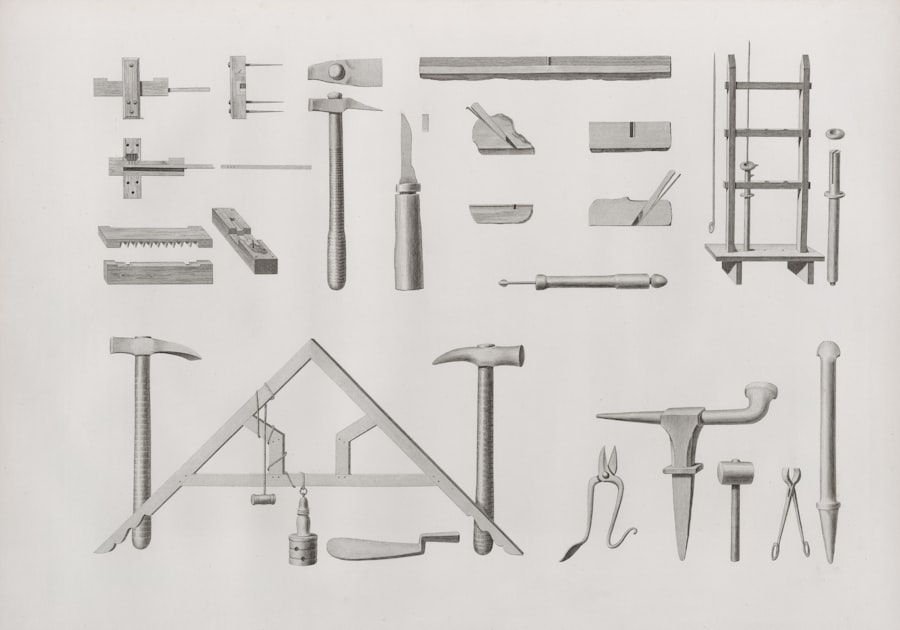
Selecting the appropriate joinery technique for a specific project requires careful consideration of several factors. The intended use of the furniture or structure plays a significant role in determining which method will provide the necessary strength and durability. For example, if constructing a dining table that will endure regular use, opting for traditional joinery methods like mortise and tenon may be advisable due to their robustness. Conversely, for lighter applications such as shelving or decorative pieces, modern techniques like biscuit joints may suffice.
Aesthetics also influence the choice of joinery. Different techniques can impart distinct visual qualities to the finished product. Dovetail joints, for instance, are often celebrated for their craftsmanship and are frequently left exposed in high-end furniture to showcase the skill involved in their creation. In contrast, pocket hole joinery is typically concealed, making it suitable for projects where a clean appearance is paramount. Ultimately, understanding the balance between functionality and aesthetics is key to selecting the right joinery for any given space.
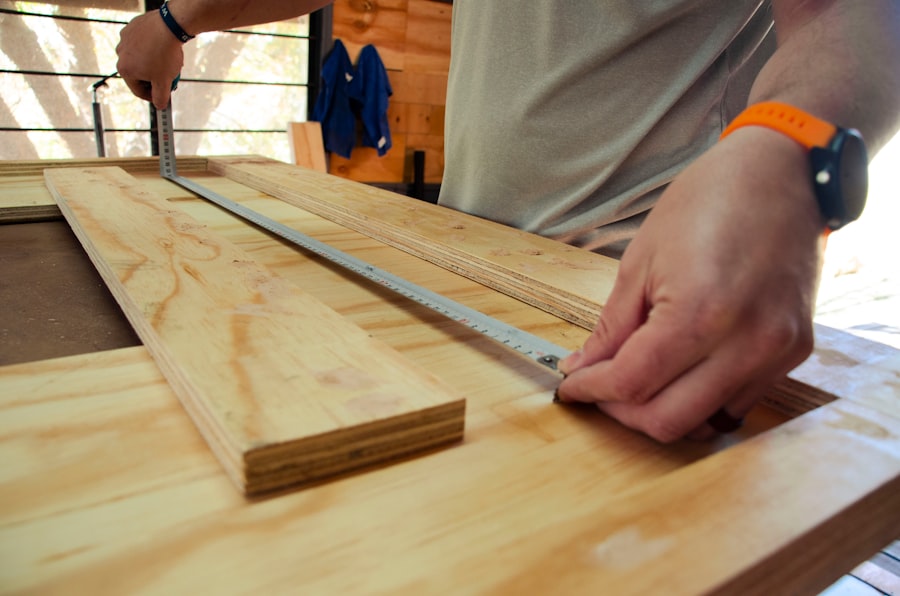
Joinery can be seamlessly integrated into various areas of the home, enhancing both functionality and design. In living spaces, custom joinery can create built-in shelving units that maximise storage while maintaining a cohesive look with existing decor. These units can be tailored to fit specific dimensions and styles, allowing homeowners to optimise their space without compromising on aesthetics. Additionally, joinery can be used to craft bespoke furniture pieces that reflect individual tastes and needs.
In kitchens, joinery plays a vital role in cabinetry design. Custom cabinets can be constructed using various joinery techniques to ensure durability while providing ample storage solutions. The choice of materials and finishes can further personalise the space, making it both practical and visually appealing. Furthermore, joinery can extend to features such as kitchen islands or breakfast bars, where thoughtful design can enhance functionality while serving as a focal point in the room.
In the quest to enhance the aesthetic appeal of your home, incorporating elegant joinery touches can truly transform your space. For those considering a kitchen renovation, understanding the various factors that influence pricing is essential. You might find it helpful to explore this insightful article on kitchen renovation price factors, which offers valuable budgeting tips and estimates that can guide your decisions. By combining stylish joinery with informed financial planning, you can create a harmonious and functional environment that reflects your personal style.
Beyond its structural purpose, joinery serves as an important design element that can significantly influence the overall aesthetic of a space. The choice of joinery technique can create visual interest and highlight craftsmanship within furniture and architectural features. For instance, exposed joinery can add character to rustic or traditional designs, while hidden joints may contribute to a sleek and modern appearance.
Moreover, the materials used in conjunction with joinery techniques can further enhance its design impact. Combining different types of wood or incorporating contrasting finishes can create striking visual effects that draw attention to the craftsmanship involved. Additionally, decorative elements such as mouldings or inlays can be integrated into joinery designs to elevate their aesthetic appeal. By considering joinery as a design element rather than merely a construction method, homeowners and designers can create spaces that are both functional and visually engaging.
Sustainability has become an increasingly important consideration in woodworking and construction practices. Joinery techniques can contribute to sustainable building practices by promoting the use of responsibly sourced materials and reducing waste during production. For instance, traditional joinery methods often require less material than modern alternatives that rely heavily on adhesives or fasteners, resulting in less waste overall.
Furthermore, investing in high-quality joinery can lead to longer-lasting products that reduce the need for replacements over time. This durability aligns with sustainable practices by minimising resource consumption and environmental impact. Additionally, many contemporary joiners are adopting eco-friendly materials such as reclaimed wood or sustainably harvested timber, further enhancing the sustainability of their projects. By prioritising sustainable joinery practices, both craftsmen and consumers can contribute to a more environmentally conscious approach to woodworking.
For those interested in woodworking, embarking on DIY joinery projects can be an excellent way to develop skills while creating functional items for the home. Beginners may start with simple projects such as constructing a small bookshelf or a coffee table using basic joinery techniques like butt joints or lap joints. These projects allow novice woodworkers to familiarise themselves with essential tools and techniques without overwhelming complexity.
As confidence grows, individuals can explore more intricate projects that incorporate advanced joinery methods such as dovetail or mortise and tenon joints. Online tutorials and woodworking classes provide valuable resources for learning these techniques step by step. Additionally, investing in quality tools will enhance the overall experience and results of DIY projects. With patience and practice, beginners can gradually build their skills and create custom pieces that reflect their personal style.
While DIY projects can be rewarding, there are instances where hiring a professional joiner is advisable, particularly for complex or large-scale projects. Professional joiners possess the expertise and experience necessary to execute intricate designs with precision and skill.
They can offer valuable insights into material selection and joinery techniques that best suit specific needs and preferences.
When seeking a professional joiner, it is essential to review their portfolio and previous work to ensure their style aligns with your vision. Clear communication regarding project requirements and budget is crucial for achieving satisfactory results. A skilled joiner will not only bring technical proficiency but also an understanding of design principles that can elevate your project beyond what might be achievable through DIY efforts alone. Ultimately, collaborating with a professional can result in high-quality custom pieces that enhance your home’s functionality and aesthetic appeal.
Joinery refers to the craft of joining wood pieces together to create furniture, fittings, or architectural elements. Elegant joinery can enhance your living space by adding bespoke, high-quality wooden features such as cabinetry, mouldings, and built-in units that improve both aesthetics and functionality.
Elegant joinery touches often include finely crafted mouldings, custom cabinetry, panelled walls, decorative architraves, and bespoke shelving. These elements are typically made from quality timber and finished with attention to detail, contributing to a sophisticated and timeless interior.
Yes, joinery is highly versatile and can be customised to suit a variety of interior styles, from traditional and classic to modern and minimalist. Skilled joiners can tailor designs, wood types, finishes, and detailing to complement your specific décor preferences.
While bespoke joinery can be an investment, it often adds significant value to a property by improving both appearance and practicality. Well-crafted joinery is durable and timeless, making it a cost-effective choice in the long term compared to frequent replacements or less durable alternatives.
To maintain joinery, regularly dust and clean surfaces with a soft cloth and mild wood cleaner. Avoid excessive moisture and direct sunlight to prevent warping or fading. Periodic polishing or refinishing may be required to keep the wood looking its best and to protect it from wear.
Don’t Take Our Word For It
Aspec has recieved fantastic 5/5 Star Rating from its clients!
Professional from start to finish!
Wow! Omar was fantastic right from the very beginning! With 6 weeks to go until baby number 2s arrival, Omar delivered on his word to create a phenomenal outdoor kitchen for our alfresco area! It is exactly the vision we had in mind! We are so impressed with the workmanship and quality as well as the effort to get the work completed in such a tight timeframe. Very open and honest about pricing upfront also! Would highly recommend Omar and his team. The level of professionalism, honesty, workmanship and quality was spot on and always has time to discuss and go through any questions or concerns. Thank you A Spec Joinery for doing a fantastic job and in the short time we had to do it by! Particularly fitting us in a busy December!
Bianca M Vucetic
Professional from start to finish!
Great attentions to detail very informative throughout highly reccomend!
Mark, Double Bay
Professional from start to finish!
Omar installed a new kitchen for us. The process was easy and Omar kept in contact with us at all stages. The kitchen was installed in only a couple of days and looks fantastic. We’re very happy with the result.
Mat Pal
Professional from start to finish!
Omar was excellent to deal with. He and his team built and installed a large built-in wardrobe and cupboard, giving us good advice on the design. He was very professional in surveying the complex space for the units – it’s an older house with uneven floor and ceiling – and in preparing the design. His team constructed the units off-site within the time he indicated. Installation was complex and went very smoothly. The whole project was on time and on budget and the product delivered was of the highest quality. We would certainly use him again and recommend him to our friends.
Phillip Hart
Professional from start to finish!
Omar was fantastic to deal with and produced outstanding quality work for our new storage cupbaords and floating shelves. The final product was exactly what we wanted and made with care and attention. We highly recommend him for joinery and cabinetry works. Many thanks, Vince
Vincent Banton
Professional from start to finish!
Omar and his team are awesome. Professional, efficient and really went the extra mile creating beautiful joinery for my studio. Will definitely engage their services again and refer to anyone.
Carla Sconce
Professional from start to finish!
Dealt with Omar from A Spec on our office fit out, all work was done ahead of time and costs were maintained the whole way through. Would happily use A Spec again or recommend to anyone without hesitation.
Emanuel Karantonis
Professional from start to finish!
My experience with Omar and his team has been amazing and trouble-free.
Omar’s attention to detail and quick response time gave me comfort and confidence that the end product would be great.
Being in the construction industry, I couldn’t fault their workmanship and timing. Everything delivered on time and on budget.
Would definitely use Aspec Joinery again.
Ben Yee
Professional from start to finish!
Omar and the team at A Spec Joinery built our kitchen and bookshelves in 2021. The work is really high quality. It’s now 2024 and everything still looks great and functions just like the day they were built. I would highly recommend A Spec, particularly for the after build service. Nothing is too much trouble for Omar.
Alistair McLean
Professional from start to finish!
Omar and his team have worked wonders on all our joinery for our renovation, they constantly went above and beyond during all aspects of the build from planning to manufacturing and installation.
They have done an absolutely beautiful job and it is my pleasure to recommend A-Spec joinery to everyone.
Their professional attitude was exemplary and it was always lovely having Omar and the team in our house, they made an extremely stressful renovation into a positive experience.
A-Spec Joinery made our dreams come true and there are no words that can express how appreciative we are and so happy that we chose them.
If you want the best go with A-Spec Joinery.
Vincent & Anna
Vincent Jones
Professional from start to finish!
Paul Casey
Professional from start to finish!
Matt B
Professional from start to finish!
Our experience with A Spec Joinery was outstanding. We were happy with every phase of our project from initial concept to drawings to finished products. Omar and his team’s attention to detail was fantastic. Highly recommend!!!
Sharon Antonir
Professional from start to finish!
High quality work, on time on budget very professional would engage their services again 100%. 2yrs on asked Omar for additional work and once again very professional, on time and very helpful.
Maurice Natoli