The appeal of bespoke furniture lies in its capacity to reflect the distinctive tastes and preferences of the individual. Unlike mass-produced items that typically conform to standardised styles, personalised design permits a level of creativity and individuality that is difficult to achieve elsewhere. When selecting custom furniture, one is not simply choosing a piece to occupy a space; rather, one is creating an experience that aligns with their lifestyle and aesthetic preferences.
This process customarily begins with a consultation, during which designers work with clients to comprehend their vision, requirements, and the precise dimensions of their living spaces. The outcome is a piece that is both functional and a genuine reflection of the owner’s personality. Furthermore, personalised design extends beyond aesthetic considerations.
It encompasses the functionality of the furniture, guaranteeing that it fulfils its intended purpose whilst integrating seamlessly into the home. For example, a family with young children may require a robust coffee table capable of withstanding everyday use, whilst remaining sufficiently stylish to complement their contemporary décor. Customisation permits the incorporation of features such as concealed storage or rounded edges for safety, which are adapted to the particular needs of the household.
In an era where urban living often means smaller homes and limited square footage, the demand for innovative storage solutions has never been greater. Custom furniture offers a remarkable advantage in this regard, as it can be designed specifically to maximise available space. For example, a bespoke bed frame can incorporate drawers underneath, providing ample storage for linens and seasonal clothing without sacrificing style or comfort.
Similarly, custom shelving units can be crafted to fit snugly into alcoves or awkward corners, transforming otherwise wasted space into functional storage areas. The versatility of custom furniture also allows for creative solutions that standard pieces simply cannot offer. Consider a home office where space is at a premium; a tailor-made desk can be designed with built-in shelves and compartments that cater to the specific needs of the user.
This not only keeps the workspace organised but also enhances productivity by ensuring that everything is within easy reach. By prioritising storage in the design process, homeowners can create environments that are both clutter-free and aesthetically pleasing, ultimately leading to a more harmonious living space.

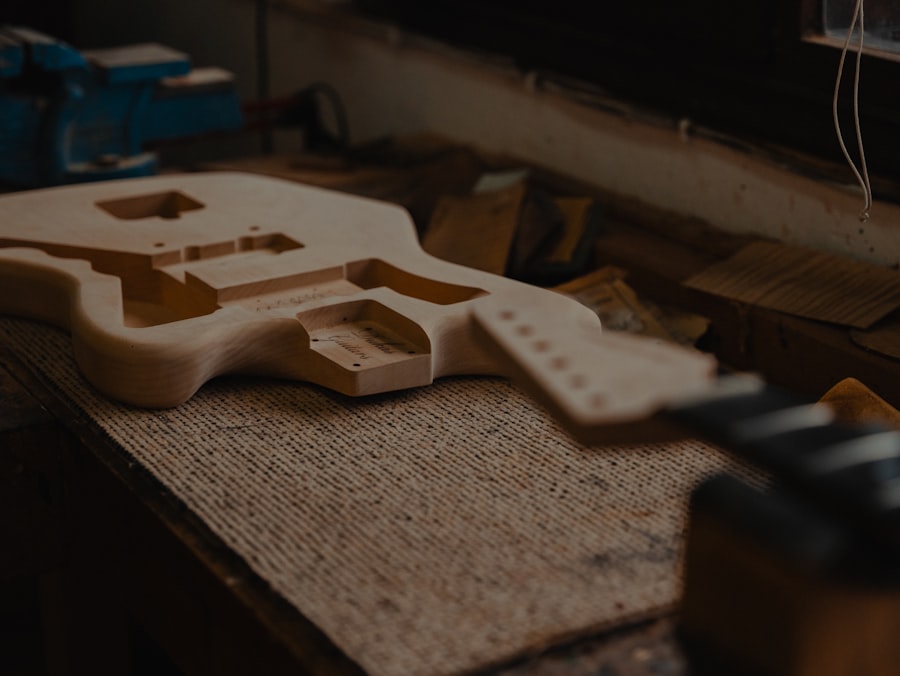
One of the most compelling reasons to invest in custom furniture is the unparalleled quality of craftsmanship that accompanies it. Artisans who specialise in bespoke pieces often possess years of experience and a deep understanding of materials and techniques. This expertise translates into furniture that is not only visually stunning but also built to last.
For instance, a handcrafted wooden dining table made from high-quality hardwood will exhibit unique grain patterns and textures, showcasing the natural beauty of the material while ensuring durability. Furthermore, the attention to detail in custom furniture is often far superior to that found in mass-produced alternatives. Every joint, finish, and embellishment is meticulously crafted, resulting in pieces that are not only functional but also works of art.
This level of craftsmanship can be particularly important for heirloom pieces intended to be passed down through generations. A well-made custom chair or cabinet can withstand the test of time, both in terms of physical durability and aesthetic appeal, making it a worthwhile investment for discerning homeowners.
The aesthetic appeal of custom furniture cannot be overstated. Each piece is designed with the specific intention of complementing the overall decor of a home, allowing for a cohesive and harmonious environment. Unlike off-the-shelf items that may clash with existing furnishings or architectural features, bespoke pieces can be tailored to match colour schemes, textures, and styles.
For example, a modern minimalist home may benefit from sleek, angular furniture with clean lines, while a traditional setting might call for ornate detailing and rich wood finishes. Moreover, custom furniture provides an opportunity for homeowners to express their personal style in ways that mass-produced items simply cannot achieve. Whether it’s incorporating unique materials like reclaimed wood or specifying particular upholstery fabrics that resonate with one’s taste, the possibilities are virtually limitless.
This level of customisation not only enhances the visual appeal of a space but also creates an environment that feels uniquely personal and inviting.
Investing in custom furniture often translates to acquiring pieces that boast exceptional longevity and durability. The materials selected for bespoke items are typically of higher quality than those used in mass production, which often prioritises cost over craftsmanship. For instance, while many commercial furniture pieces may utilise particle board or low-grade plywood, custom furniture makers frequently work with solid woods, metals, and high-quality fabrics that are designed to withstand daily wear and tear.
Additionally, bespoke furniture is often constructed using traditional joinery techniques that enhance strength and stability. Mortise and tenon joints, dovetails, and other time-honoured methods ensure that each piece can endure years of use without compromising its structural integrity. This focus on durability means that homeowners can enjoy their custom furniture for decades, making it not just an aesthetic choice but also a practical investment in quality living.
In contemporary living environments where space is often at a premium, efficient use of space becomes paramount. Custom furniture excels in this area by allowing for designs that are specifically tailored to fit the dimensions and layout of a room. For instance, a corner sofa can be designed to perfectly fit into an L-shaped living area, maximising seating without overwhelming the space.
Similarly, built-in cabinetry can be created to utilise vertical space effectively, providing ample storage without encroaching on floor area. The ability to create multifunctional pieces further enhances the efficiency of space utilisation. A custom ottoman can serve as both seating and storage, while a fold-out desk can transform a small nook into a productive workspace when needed.
These innovative solutions not only optimise available space but also contribute to a more organised and functional home environment. By prioritising efficient design in custom furniture creation, homeowners can enjoy both style and practicality in their living spaces.
As environmental awareness continues to grow among consumers, the demand for eco-friendly materials in furniture production has surged. Custom furniture makers often prioritise sustainability by sourcing materials from responsible suppliers who adhere to ethical practices. This commitment to eco-friendliness can manifest in various ways, such as using reclaimed wood from old buildings or sustainably harvested timber that minimises deforestation impact.
Additionally, bespoke furniture allows for greater control over the materials used in production. Homeowners can choose non-toxic finishes and upholstery fabrics made from organic fibres, ensuring that their living spaces are free from harmful chemicals commonly found in mass-produced items. This focus on sustainability not only benefits the environment but also contributes to healthier indoor air quality for families.
By opting for custom furniture crafted from eco-friendly materials, consumers can make choices that align with their values while enhancing their home’s aesthetic appeal.
Investing in custom furniture can significantly enhance the overall value of a property. High-quality bespoke pieces often stand out in the market due to their unique design and superior craftsmanship, making them attractive to potential buyers. When prospective homeowners see well-crafted furniture that complements the architectural style of a house, it creates an impression of care and attention to detail that can influence their purchasing decision.
Moreover, custom furniture can be tailored to meet specific market demands or trends within a particular area. For instance, if a neighbourhood favours modern aesthetics, bespoke pieces designed with sleek lines and contemporary materials can elevate the property’s appeal. Additionally, well-designed built-in storage solutions or multifunctional furniture can make spaces feel larger and more organised, further increasing desirability among buyers.
Ultimately, investing in custom furniture not only enhances personal enjoyment but also serves as a strategic move to boost property value in an increasingly competitive real estate market.
In exploring the advantages of custom joinery in kitchen renovations, it’s also worthwhile to consider how tailored designs can enhance other areas of the home. For instance, the article on entertainment unit designs that blend function and style highlights the importance of bespoke furniture solutions that not only optimise space but also reflect personal aesthetics. This synergy between functionality and design is a key benefit of custom joinery, making it a valuable investment for any home renovation project.
Custom joinery refers to bespoke woodworking crafted specifically for a kitchen renovation. It involves creating tailored cabinets, shelving, and other wooden fixtures designed to fit the exact dimensions and style preferences of the space.
Custom joinery offers several benefits including maximising storage space, ensuring a perfect fit for irregular or unique kitchen layouts, enhancing aesthetic appeal with personalised designs, and using high-quality materials for durability.
Generally, custom joinery tends to be more costly upfront compared to ready-made units due to the bespoke design, craftsmanship, and materials involved. However, the long-term value and tailored fit often justify the investment.
Yes, custom joinery can significantly improve kitchen functionality by optimising storage solutions, creating ergonomic layouts, and incorporating specialised features such as pull-out drawers, spice racks, and integrated appliances.
The timeframe varies depending on the complexity of the design and size of the kitchen but typically ranges from several weeks to a few months, including design, manufacturing, and installation.
Yes, many joiners offer sustainable options such as using responsibly sourced timber, eco-friendly finishes, and materials with low environmental impact to create environmentally conscious kitchen joinery.
Absolutely. Custom joinery can be seamlessly integrated with other renovation elements like countertops, flooring, lighting, and appliances to create a cohesive and personalised kitchen design.
Accurate measurements are essential for custom joinery. Typically, a professional joiner will visit your home to take precise measurements and assess the space before designing and manufacturing the pieces.
Custom joinery is suitable for kitchens of all sizes. It is particularly beneficial in small or awkwardly shaped kitchens where maximising space and creating efficient storage solutions is crucial.
Choosing materials depends on your budget, style preferences, and durability requirements. Common materials include solid wood, plywood, MDF, and laminates, each offering different aesthetics and performance characteristics. Consulting with a joiner can help determine the best option for your kitchen.
Don’t Take Our Word For It
Aspec has recieved fantastic 5/5 Star Rating from its clients!
Professional from start to finish!
Wow! Omar was fantastic right from the very beginning! With 6 weeks to go until baby number 2s arrival, Omar delivered on his word to create a phenomenal outdoor kitchen for our alfresco area! It is exactly the vision we had in mind! We are so impressed with the workmanship and quality as well as the effort to get the work completed in such a tight timeframe. Very open and honest about pricing upfront also! Would highly recommend Omar and his team. The level of professionalism, honesty, workmanship and quality was spot on and always has time to discuss and go through any questions or concerns. Thank you A Spec Joinery for doing a fantastic job and in the short time we had to do it by! Particularly fitting us in a busy December!
Bianca M Vucetic
Professional from start to finish!
Great attentions to detail very informative throughout highly reccomend!
Mark, Double Bay
Professional from start to finish!
Omar installed a new kitchen for us. The process was easy and Omar kept in contact with us at all stages. The kitchen was installed in only a couple of days and looks fantastic. We’re very happy with the result.
Mat Pal
Professional from start to finish!
Omar was excellent to deal with. He and his team built and installed a large built-in wardrobe and cupboard, giving us good advice on the design. He was very professional in surveying the complex space for the units – it’s an older house with uneven floor and ceiling – and in preparing the design. His team constructed the units off-site within the time he indicated. Installation was complex and went very smoothly. The whole project was on time and on budget and the product delivered was of the highest quality. We would certainly use him again and recommend him to our friends.
Phillip Hart
Professional from start to finish!
Omar was fantastic to deal with and produced outstanding quality work for our new storage cupbaords and floating shelves. The final product was exactly what we wanted and made with care and attention. We highly recommend him for joinery and cabinetry works. Many thanks, Vince
Vincent Banton
Professional from start to finish!
Omar and his team are awesome. Professional, efficient and really went the extra mile creating beautiful joinery for my studio. Will definitely engage their services again and refer to anyone.
Carla Sconce
Professional from start to finish!
Dealt with Omar from A Spec on our office fit out, all work was done ahead of time and costs were maintained the whole way through. Would happily use A Spec again or recommend to anyone without hesitation.
Emanuel Karantonis
Professional from start to finish!
My experience with Omar and his team has been amazing and trouble-free.
Omar’s attention to detail and quick response time gave me comfort and confidence that the end product would be great.
Being in the construction industry, I couldn’t fault their workmanship and timing. Everything delivered on time and on budget.
Would definitely use Aspec Joinery again.
Ben Yee
Professional from start to finish!
Omar and the team at A Spec Joinery built our kitchen and bookshelves in 2021. The work is really high quality. It’s now 2024 and everything still looks great and functions just like the day they were built. I would highly recommend A Spec, particularly for the after build service. Nothing is too much trouble for Omar.
Alistair McLean
Professional from start to finish!
Omar and his team have worked wonders on all our joinery for our renovation, they constantly went above and beyond during all aspects of the build from planning to manufacturing and installation.
They have done an absolutely beautiful job and it is my pleasure to recommend A-Spec joinery to everyone.
Their professional attitude was exemplary and it was always lovely having Omar and the team in our house, they made an extremely stressful renovation into a positive experience.
A-Spec Joinery made our dreams come true and there are no words that can express how appreciative we are and so happy that we chose them.
If you want the best go with A-Spec Joinery.
Vincent & Anna
Vincent Jones
Professional from start to finish!
Paul Casey
Professional from start to finish!
Matt B
Professional from start to finish!
Our experience with A Spec Joinery was outstanding. We were happy with every phase of our project from initial concept to drawings to finished products. Omar and his team’s attention to detail was fantastic. Highly recommend!!!
Sharon Antonir
Professional from start to finish!
High quality work, on time on budget very professional would engage their services again 100%. 2yrs on asked Omar for additional work and once again very professional, on time and very helpful.
Maurice Natoli